
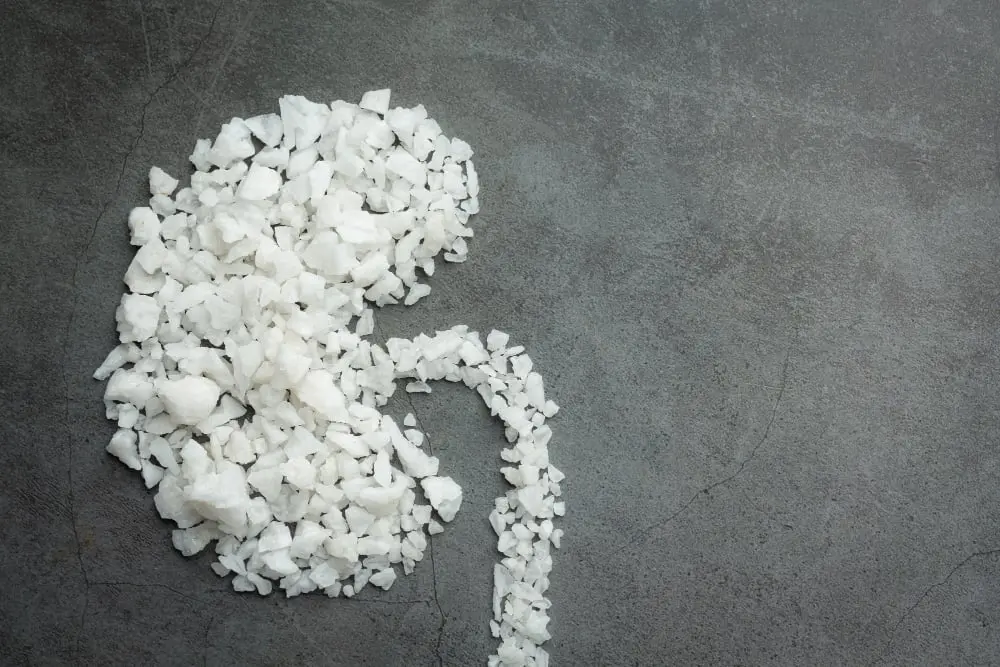

Kidney stones are a painful and common condition that affects millions of people worldwide. These hard mineral and salt deposits form in the kidneys and can cause intense pain when they move through the urinary tract. While kidney stones can develop due to several factors, understanding the root causes and prevention strategies can significantly reduce the risk of recurrence.
This article explores the latest research, causes, prevention methods, and expert-backed solutions to avoid kidney stones effectively.
What Are Kidney Stones?
Kidney stones (nephrolithiasis) are solid deposits made of minerals and salts that crystallize in the kidneys. They vary in size, from tiny grains to larger stones that can obstruct the urinary tract, causing severe pain and discomfort.
Depending on their composition, stones are classified into four main types:
- Calcium Stones: The most common type, often formed due to excessive calcium oxalate in the urine.
- Uric Acid Stones: Common in people with high protein diets or conditions like gout.
- Struvite Stones: Usually caused by urinary tract infections (UTIs).
- Cystine Stones: A rare genetic condition that leads to excessive cystine in the urine.
What Causes Kidney Stones?
Recent studies indicate that multiple factors contribute to kidney stone formation, including genetics, lifestyle, and dietary habits. The key causes include:
1. Dehydration
Low water intake is the leading cause. When the body lacks enough fluids, the urine becomes concentrated, allowing minerals to crystallize and form stones.
2. High Oxalate Foods
Foods rich in oxalates, such as spinach, nuts, and chocolate, can bind with calcium in the kidneys and lead to stone formation.
3. Excess Sodium Intake
A high-salt diet increases calcium levels in the urine, increasing the risk of calcium-based kidney stones.
4. Too Much Animal Protein
Diets high in red meat, eggs, and seafood raise uric acid levels, increasing the likelihood of uric acid stones.
5. Low Calcium Intake
Contrary to popular belief, not getting enough calcium can lead to kidney stones. Calcium binds with oxalates in the intestines, preventing them from reaching the kidneys.
6. Obesity and Metabolic Disorders
Excess body weight and conditions like diabetes and metabolic syndrome alter urine composition, increasing kidney stone risk.
7. Certain Medications
Drugs such as diuretics, calcium-based antacids, and high-dose vitamin C supplements can increase the likelihood of kidney stone formation.
8. Family History
A genetic predisposition plays a role in kidney stone development. If someone in your family has had them, your risk increases.
9. Urinary Tract Infections (UTIs)
Chronic infections can lead to the formation of struvite stones, which grow rapidly and may require medical intervention.
10. Lack of Physical Activity
A sedentary lifestyle can slow urine flow, leading to the accumulation of stone-forming minerals in the kidneys.
How to Prevent Kidney Stones?
1. Stay Hydrated
Drinking at least 8–12 glasses of water daily dilutes urine, reducing the risk of stone formation. Experts recommend citrus-based fluids like lemon water, which contains citrate—a compound that prevents stone crystallization.
2. Reduce Oxalate-Rich Foods
Limit foods high in oxalates, such as:
- Spinach
- Almonds
- Beets
- Dark chocolate
- Sweet potatoes
If you consume these foods, pair them with calcium sources to prevent oxalate absorption.
3. Control Salt Intake
Excess sodium increases calcium excretion in urine, contributing to kidney stones. Limit daily sodium intake to 2,300 mg or less by avoiding processed foods, canned soups, and fast food.
4. Eat the Right Amount of Calcium
A balanced intake of calcium from dairy, leafy greens, and fortified foods helps prevent kidney stones. Aim for 1,000–1,200 mg daily, depending on age and gender.
5. Cut Down on Animal Proteins
Excessive consumption of red meat, poultry, and seafood raises uric acid levels, making stone formation more likely. Opt for plant-based proteins like beans, tofu, and lentils to reduce risk.
6. Maintain a Healthy Weight
Obesity is linked to an increased risk of kidney stones. Regular exercise and a balanced diet help prevent stone formation.
7. Avoid Excessive Vitamin C Supplements
High-dose vitamin C supplements can increase oxalate levels, leading to stone formation. Stick to natural sources like citrus fruits.
8. Monitor Sugar Intake
Fructose, found in sugary sodas and processed foods, has been linked to a higher risk of kidney stones. Reduce consumption of sugary drinks and opt for water or herbal teas.
9. Herbal Remedies and Natural Preventatives
- Lemon Juice: Contains citrate, which prevents calcium stone formation.
- Apple Cider Vinegar: Helps break down small stones and supports kidney health.
- Basil Tea: Has natural compounds that help prevent kidney stones.
10. Regular Check-Ups
If you’ve had kidney stones before, schedule regular medical check-ups and urine tests to monitor mineral levels and prevent recurrence.
Latest Research on Kidney Stones
1. Role of Gut Microbiome in Kidney Stone Prevention
Recent studies suggest that gut bacteria play a crucial role in preventing kidney stones. Certain probiotic strains help break down oxalates before they reach the kidneys, reducing stone formation risk.
2. AI and Machine Learning in Kidney Stone Prediction
Researchers have developed AI-based models that predict kidney stone risk based on diet, lifestyle, and genetics. These models help in early detection and prevention strategies.
3. New Drug Developments
Scientists are working on novel medications that dissolve stones naturally without invasive treatments. Early clinical trials have shown promising results.
4. Impact of Climate Change on Kidney Stones
A rise in global temperatures has led to increased cases, as dehydration becomes more common in hotter climates. Experts recommend higher water intake in warmer regions to counteract this risk.
When to See a Doctor?
Seek medical attention if you experience:
✔ Severe pain in the lower back or abdomen
✔ Blood in urine
✔ Frequent or painful urination
✔ Nausea or vomiting
✔ Fever and chills (possible infection)
Ignoring kidney stone symptoms can lead to complications such as kidney infections or permanent kidney damage.
Final Thoughts
Kidney stones are preventable with the right lifestyle choices and dietary habits. Staying hydrated, eating a balanced diet, and avoiding excessive sodium and oxalates can significantly reduce your risk. Advances in research continue to provide new insights into prevention and treatment, making kidney stones easier to manage than ever before.
If you’re prone to kidney stones, making small but effective changes today can save you from pain and complications in the future!
Read About : Watery Eyes? Here’s the Ultimate Cure You Need
Visit Us At : https://g.co/kgs/rTqAjgt


