
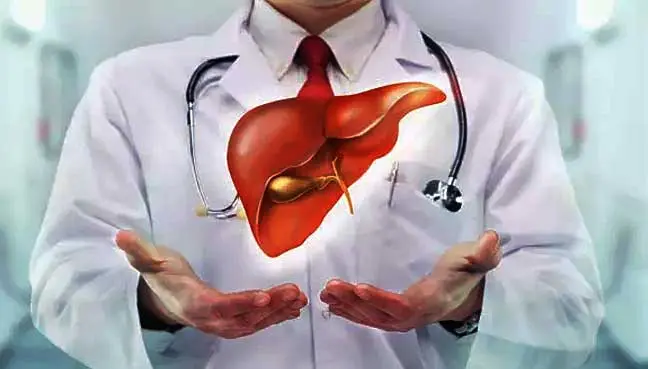

Fatty liver disease is becoming one of the most common yet overlooked health conditions worldwide. Many people have it without even realizing it because it often doesn’t show symptoms until the damage is severe. While most of us associate liver problems with alcohol, the reality is that even non-drinkers can develop fatty liver.
This article will break down everything you need to know about fatty liver, including some lesser-known facts that could help you prevent or reverse this condition before it’s too late.
What Is Fatty Liver?
Fatty liver disease occurs when excess fat builds up in liver cells. A healthy liver contains some fat, but when fat makes up more than 5-10% of the liver’s weight, it becomes a problem. If left untreated, fatty liver can lead to inflammation, scarring (fibrosis), and even liver failure.
There are two types of fatty liver disease:
- Non-Alcoholic Fatty Liver Disease (NAFLD) – This occurs in people who consume little to no alcohol but develop excess liver fat due to poor diet, obesity, insulin resistance, or metabolic disorders.
- Alcoholic Fatty Liver Disease (AFLD) – Caused by excessive alcohol consumption, which leads to fat accumulation in liver cells and damages them over time.
Lesser-Known Facts About Fatty Liver
Most people think fatty liver is harmless, but there are some surprising and little-known aspects of this condition:
- Skin Changes Can Signal Liver Disease: Dark patches on the neck, underarms, or knuckles (Acanthosis Nigricans) can be an early warning sign of fatty liver and insulin resistance.
- Fatty Liver Can Affect People with Normal Weight: Even if you’re not overweight, you can still develop NAFLD if you have poor eating habits, high sugar intake, or genetic predisposition.
- Fatty Liver Is Linked to Heart Disease: Studies show that people with NAFLD are at a much higher risk of heart attacks and strokes due to increased inflammation in the body.
- It Can Be Reversed in Most Cases: Unlike many other liver diseases, fatty liver can be reversed with lifestyle changes, especially in the early stages.
- Excess Sugar is a Bigger Culprit Than Fat: Many believe fatty liver comes from eating too much fat, but in reality, sugar and processed carbohydrates play a much bigger role.
What Causes Fatty Liver?
The primary causes of fatty liver disease vary depending on the type:
- Poor Diet: Consuming high amounts of processed foods, sugars, and unhealthy fats increases fat deposits in the liver.
- Obesity: Excess body fat, especially around the abdomen, contributes to liver fat accumulation.
- Insulin Resistance & Type 2 Diabetes: High blood sugar levels lead to fat buildup in the liver.
- High Cholesterol & Triglycerides: Uncontrolled cholesterol levels can contribute to fatty liver development.
- Alcohol Consumption: Heavy drinking damages liver cells and increases fat storage.
- Sedentary Lifestyle: Lack of exercise reduces the liver’s ability to break down fats efficiently.
- Toxins & Medications: Certain medications like steroids, tamoxifen, and some antibiotics can contribute to fatty liver.
Symptoms of Fatty Liver (That People Often Ignore!)
Fatty liver is often called a silent disease because many people experience no symptoms until the condition worsens. However, some subtle signs to watch out for include:
- Constant Fatigue – A sluggish liver can make you feel drained and exhausted.
- Unexplained Weight Gain – If your body stores more fat, it may indicate metabolic dysfunction related to fatty liver.
- Right Upper Abdominal Pain – A dull ache in the upper right side of your belly could be due to liver inflammation.
- Digestive Issues & Bloating – A sluggish liver can lead to slow digestion, gas, and bloating.
- Brain Fog – Poor liver function can contribute to toxins accumulating in the body, leading to difficulty concentrating.
- Yellowish Skin or Eyes (Jaundice) – In severe cases, liver damage can lead to jaundice.
How to Reverse and Prevent Fatty Liver
The good news is that fatty liver disease can often be reversed with the right lifestyle changes. Here’s what you can do:
1. Cut Out Sugary Drinks and Processed Foods
- Excess sugar, especially fructose (found in soda, fruit juices, and processed foods), is one of the biggest contributors to fatty liver.
- Switch to natural sweeteners like honey or stevia and focus on whole foods instead of packaged snacks.
2. Eat Liver-Friendly Foods
Some foods actively reduce liver fat and improve liver function:
- Leafy Greens – Spinach, kale, and collard greens help detoxify the liver.
- Avocados – Packed with healthy fats that support liver health.
- Turmeric – Contains curcumin, which reduces liver inflammation.
- Green Tea – Loaded with antioxidants that help break down fat in the liver.
- Nuts – Walnuts and almonds contain omega-3s that improve liver function.
- Fatty Fish – Salmon, sardines, and mackerel contain anti-inflammatory omega-3 fatty acids.
3. Increase Physical Activity
- Even moderate exercise like 30 minutes of brisk walking daily can help break down excess liver fat.
- Strength training exercises improve insulin sensitivity, which reduces liver fat buildup.
4. Stay Hydrated
- Drinking plenty of water helps flush out toxins from the liver and keeps it functioning properly.
5. Get Enough Sleep
- Poor sleep quality is linked to liver disease. Aim for 7-9 hours of quality sleep per night.
6. Reduce Alcohol Consumption
- If you have NAFLD, cutting alcohol completely is the best way to allow your liver to heal.
- If you drink, keep it moderate (one drink per day for women, two for men).
Are There Medical Treatments for Fatty Liver?
Currently, there is no specific medication approved for treating fatty liver disease. However, doctors may recommend:
- Vitamin E Supplements – Helps reduce liver inflammation in some cases.
- Medications for Diabetes or Cholesterol – If fatty liver is linked to high blood sugar or cholesterol, managing these conditions can help.
- Weight Loss Programs – If obesity is a contributing factor, gradual weight loss (not crash dieting) is recommended.
Final Thoughts
Fatty liver disease is more common than most people realize, but the good news is that it’s largely preventable and reversible. By making simple changes to your diet, exercise routine, and daily habits, you can protect your liver and prevent serious complications.
Don’t wait for symptoms to appear—start taking care of your liver today!
Also Read About : Say Goodbye to High Cholesterol – Do THIS Every Day!
Visit Us At : https://g.co/kgs/rTqAjgt


