
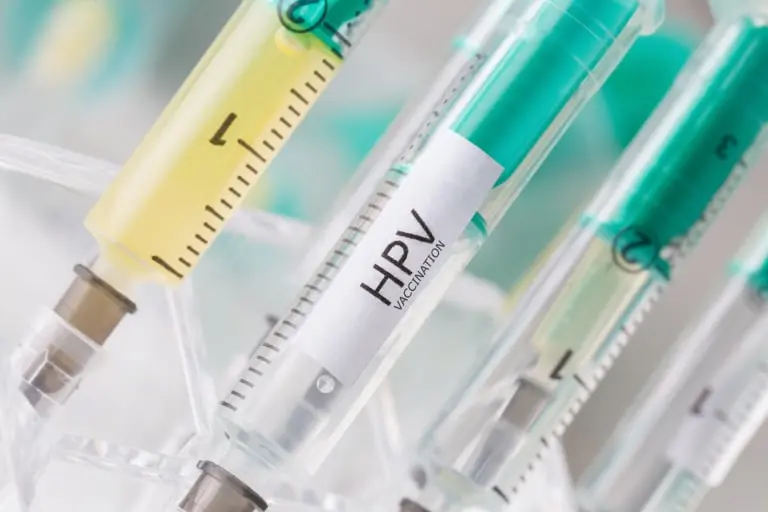

Cervical cancer is a major global health concern, ranking among the leading causes of cancer-related deaths in women. The primary cause of cervical cancer is persistent infection with high-risk strains of the human papillomavirus (HPV). Fortunately, the HPV (Cervical cancer vaccine) vaccine offers a powerful, scientifically proven way to prevent this disease.
Understanding why the cervical vaccine is essential and the ideal age for vaccination can help individuals make informed decisions. This article provides a comprehensive look at how the vaccine works, its benefits, the recommended age groups, common misconceptions, and its role in eliminating cervical cancer worldwide.
Cervical Vaccine: Why It’s Essential for Protection
Cervical cancer is one of the most preventable cancers, yet it remains a serious health risk worldwide. According to the World Health Organization (WHO), over 95% of cervical cancer cases are caused by HPV, a common virus that spreads through sexual contact. While most HPV infections clear on their own, persistent infection with high-risk HPV strains can lead to cervical cancer, genital warts, and other cancers, such as throat and anal cancer.
The HPV vaccine provides immunity against the most dangerous HPV strains, significantly reducing the risk of cervical cancer. The vaccine works by training the immune system to recognize and eliminate the virus before it can cause harm. Several studies confirm that widespread HPV vaccination leads to a drastic decline in HPV infections and related cancers.
Global health organizations, including the WHO, the Centers for Disease Control and Prevention (CDC), and the Food and Drug Administration (FDA), strongly recommend HPV vaccination as part of routine immunization programs. The vaccine has undergone extensive clinical trials, proving it to be both safe and effective.
Ideal Age for HPV Vaccination
The effectiveness of the HPV vaccine depends largely on the age at which it is administered. Health experts emphasize that early vaccination provides the best protection.
Children and Adolescents (9–14 Years Old)
Medical experts recommend vaccinating children between the ages of 9 and 14, as the immune response is strongest at this stage. The vaccine is most effective when given before any exposure to HPV, which commonly occurs through sexual activity.
At this age, only two doses of the vaccine are needed, spaced 6 to 12 months apart. Studies show that younger individuals produce a stronger immune response compared to those vaccinated later in life.
Teenagers and Young Adults (15–26 Years Old)
If a person has not been vaccinated earlier, they can still receive the HPV vaccine up to age 26. However, individuals between 15 and 26 years require three doses instead of two. While the vaccine remains effective in this age group, there is a higher chance that they may have already been exposed to HPV.
Adults (27–45 Years Old)
The FDA has approved the HPV vaccine for individuals up to age 45, but routine vaccination is not typically recommended for this age group. The vaccine is less effective in adults who may have already been exposed to multiple HPV strains. However, in some cases, healthcare providers may suggest vaccination based on an individual’s risk factors, medical history, or lifestyle.
How the HPV Vaccine Works
The HPV vaccine does not contain live virus particles. Instead, it uses virus-like particles (VLPs) that mimic the HPV virus but cannot cause infection. These particles trigger the immune system to produce antibodies, providing long-term protection against HPV infection.
There are currently three FDA-approved HPV vaccines:
1. Gardasil 9 – The most commonly used vaccine, protecting against nine high-risk HPV strains, including HPV-16 and HPV-18, which cause about 70% of cervical cancer cases.
2. Gardasil – Protects against four HPV strains but has largely been replaced by Gardasil 9.
3. Cervarix – Primarily protects against HPV-16 and HPV-18, but is less commonly used today.
All three vaccines have undergone rigorous testing and have been proven safe and highly effective in preventing HPV-related cancers and diseases.
Benefits of the Cervical Vaccine
1. Prevents Cervical Cancer
HPV vaccination protects against the strains of HPV responsible for approximately 70% of cervical cancer cases worldwide. Studies show that countries with high HPV vaccination rates have seen a dramatic decline in cervical cancer cases.
2. Reduces Risk of Other HPV-Related Cancers
The HPV vaccine also helps prevent other cancers linked to HPV, including:
• Throat and mouth cancer
• Anal cancer
• Vaginal and vulvar cancer
• Penile cancer
3. Provides Long-Lasting Immunity
Research confirms that HPV vaccination provides long-term protection, with immunity lasting for at least 10 to 15 years and potentially longer. Booster shots are not currently required.
4. Safe and Well-Tested
The HPV vaccine has undergone extensive safety testing in clinical trials involving millions of participants. Studies confirm that the vaccine is safe, with only minor side effects such as temporary soreness at the injection site, mild fever, or headache. Serious side effects are extremely rare.
5. Protects Both Genders
Although primarily associated with cervical cancer, HPV also affects males, causing cancers of the throat, anus, and genitals. Vaccination is equally important for boys, helping to reduce HPV transmission and protect against related diseases.
Why the HPV Vaccine Is a Public Health Priority
Several countries have implemented national HPV vaccination programs, which have led to a significant decline in HPV infections and related diseases. Australia, for example, introduced a nationwide HPV vaccination program in 2007 and is on track to eliminate cervical cancer as a public health issue by 2035.
The WHO has set a global goal to eliminate cervical cancer through:
1. Increasing HPV vaccination rates
2. Improving cervical cancer screening
3. Ensuring early treatment of pre-cancerous conditions
High vaccination rates not only protect individuals but also contribute to herd immunity, reducing overall HPV transmission in the population.
Conclusion
The cervical vaccine is one of the most effective ways to prevent cervical cancer and other HPV-related diseases. Medical experts strongly recommend early vaccination, ideally between 9 and 14 years old, for maximum effectiveness. While older individuals can still benefit, the vaccine works best before any HPV exposure.
With strong scientific backing, a proven safety record, and long-term effectiveness, the HPV vaccine is a critical tool in public health. Ensuring widespread vaccination can help reduce cervical cancer cases globally and save thousands of lives each year.
References
• World Health Organization (WHO) reports on HPV vaccination
• Centers for Disease Control and Prevention (CDC) guidelines
• American Cancer Society research on cervical cancer prevention
• National Institutes of Health (NIH) studies on HPV vaccine efficacy
• FDA approval and safety data on HPV vaccines
Read About : Blood Tests for Cancer Diagnosis: What You Need to Know
Visit Us At : https://g.co/kgs/rTqAjgt


