
vcure long logo vcure long logo
  • Physiotherapy
  • Health & Fitness
  • Jobs
  • News
Reading: Why train balance exercises?
V CureV Cure
Font ResizerAa
Search
Follow US
© Vcure Healthcare 2025. All Rights Reserved.
Physiotherapy

Why train balance exercises?

VCure Healthcare
Last updated: May 6, 2022 11:27 AM
By VCure Healthcare
3 Min Read
Share
SHARE

What is balance?

The ability to maintain their line of gravity within their base of support  (BOS), refers to as balance or also the ability to maintain equilibrium. balance exercise is one of the exercise which help reduce risk of falls, especially in elderly.

Types of balance-

balance can be classified in to :

  1. Static Balance:   it is the ability to maintain the body in some fixed posture.  
  2. Dynamic Balance:  Dynamic balance is the ability to maintain postural stability and orientation with centre of mass over the base of support while the body parts are moving.

Why do we need to perform balance exercises?

  • Prevention of falls
  • Improve posture
  • Increase strength
  • Improve standing balance
  • Improves dynamic trunk control
  • Improve fall-related self-efficacy,
  • reduces fear of falling
  •  increased walking speed
  • Improves physical function

Conditions which need balance exercises-

  • Elderly population
  • Conditions involving neuromuscular system such as stroke, parkinsonism, multiple sclerosis
  • Cancer rehab
  • Overweight and obesity
  • Back pain

How much to exercise?

It is preferable for older adults and those at risk of falls should do balance training 3 or more days a week.

Exercises and Implementation

  • Older adults be exposed to a program that includes flexibility and balance exercises.
  • This should be incorporated to 2–3 sessions each week, for periods of at least 8 weeks.
  • Introduce the exercises gradually, and progress slowly allowing to ensure safety.
  • Allow for gradual and safe exposure to new equipments.

What exercises can be done?

  • Static vs. dynamic stability postures
  • Changes in the base of support  
  • Different standing surfaces.

Examples of balance exercises include:

  • Stand and put weight on one leg and raise the other leg to the side.
  • Put your heel right in front of your toe
  • Stand up and sit down from a chair without using hands
  • Walk and then perform alternating knee lifts with each step
  • Tai chi
  • Yoga
  • Flexibility exercises
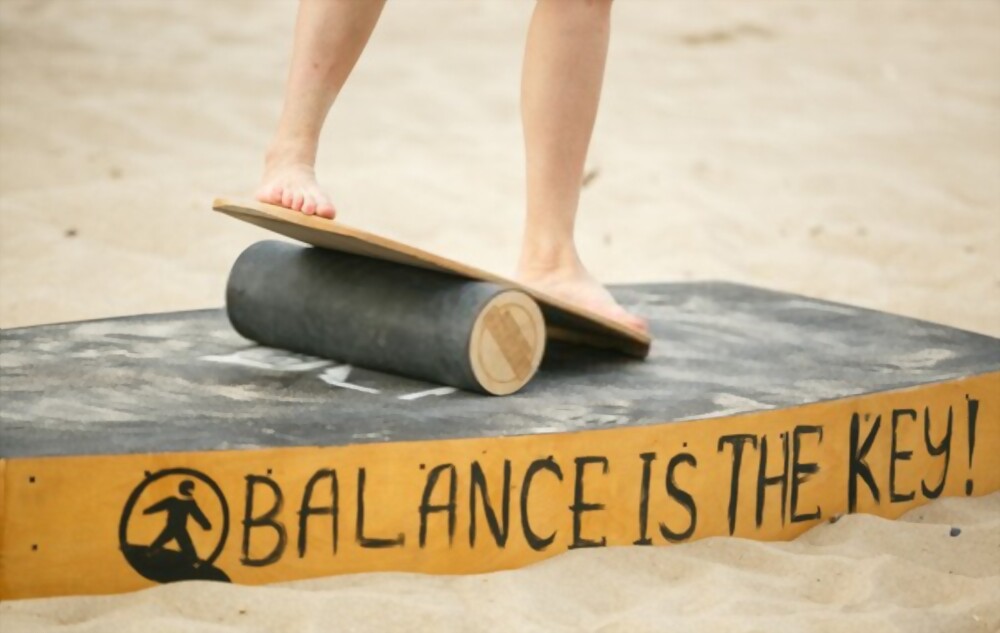
  • Use of balance bosu boards

Progressing exercises-

  • Over time, you can make these exercises difficult and progress them by:
  • Hold the position for a longer duration
  • Remove support
  • Closing eyes

Conclusion-

Balance exercises are thus essential in reducing risk of fall, thus minimising morbidities and risk of fractures in elderly. It also helps improving proprioception and maintain flexibility and help engage in exercise activities. Thus it should be implemented for the elderly.

Also read- https://vcurehealthcare.com/know-how-to-exercise-for-a-healthy-pelvic-floor/

You Might Also Like

7 signs that you are drinking excessive water

Heart Disease Risks in Pregnancy: A Growing Concern for Women

Things Top Eye Surgeons will Never Do to Their Eyes

Maharashtra on High Alert as GBS Outbreak Sparks Crisis Warning!

Managing Neck Pain in Women: Home Exercises and Advice

TAGGED:vcurehealthcare
Share This Article
Facebook Email Copy Link Print

Latest

Neck pain in yoga practitioners
The Complete Guide to Neck Pain in Yoga Practitioners
Physiotherapy
Neck Pain from Weightlifting
Neck Pain from Weightlifting- Exercises That Actually Help
Physiotherapy
neck pain in cyclists
Neck Pain in Cyclists: Hidden Causes and Physiotherapy Fixes
Physiotherapy Sports
Warm Up for Swimmers
10 Minutes Best Neck and Shoulder Warm Up for Swimmers
Physiotherapy Sports

More Articles

Neck Pain from Weightlifting
Physiotherapy

Neck Pain from Weightlifting- Exercises That Actually Help

By Dr. Kruti Raj (PT, MUHS, CPT, CMPT)
32 Min Read
neck pain in cyclists

Neck Pain in Cyclists: Hidden Causes and Physiotherapy Fixes

By Dr. Kruti Raj (PT, MUHS, CPT, CMPT)
Neck pain in yoga practitioners
Physiotherapy

The Complete Guide to Neck Pain in Yoga Practitioners

By Dr. Kruti Raj (PT, MUHS, CPT, CMPT)
27 Min Read
PhysiotherapySports

10 Minutes Best Neck and Shoulder Warm Up for Swimmers

A Physiotherapist’s Guide to Injury-Proof Swimming

By Dr. Kruti Raj (PT, MUHS, CPT, CMPT)
PhysiotherapySports

10 Swimming Technique Mistakes That Destroy Your Neck

A Physiotherapist’s Guide to Safer, Stronger Swimming

By Dr. Kruti Raj (PT, MUHS, CPT, CMPT)
PhysiotherapySports

Why Neck Pain in Swimmers Develop and How to Prevent It

Why Your Neck Hurts After Swimming

By Dr. Kruti Raj (PT, MUHS, CPT, CMPT)
Physiotherapy

How to Relieve Morning Neck Stiffness Naturally

Waking up with a stiff neck is something many people experience at some point in their…

By Dr. Kruti Raj (PT, MUHS, CPT, CMPT)
Physiotherapy

How to Choose the Right and Best Pillow for Neck Pain

Understanding what is the best pillow for neck pain! Neck pain is one of the most…

By Dr. Kruti Raj (PT, MUHS, CPT, CMPT)
Physiotherapy

Best Sleeping Position for Neck Pain: A Physiotherapist’s Complete Guide

How to Sleep With Neck Pain – Best Positions for Cervical Spine Health

By Dr. Kruti Raj (PT, MUHS, CPT, CMPT)
V Cure

Vcure Healthcare is All-in-One integrated Healthcare platform which helps to better manage chronic illnesses, prescription management & creates a continuum of care.

Categories

  • Physiotherapy
  • Health & Fitness
  • Child & Mother Care
  • Jobs
  • Mental Health
  • Lifestyle
  • Diet & Nutrition
  • womens health
  • healthcare news

Quick Links

  • About Us
  • Contact

© Vcure Healthcare 2025. All Rights Reserved.

Welcome Back!

Sign in to your account

Username or Email Address
Password

Lost your password?

Not a member? Sign Up