
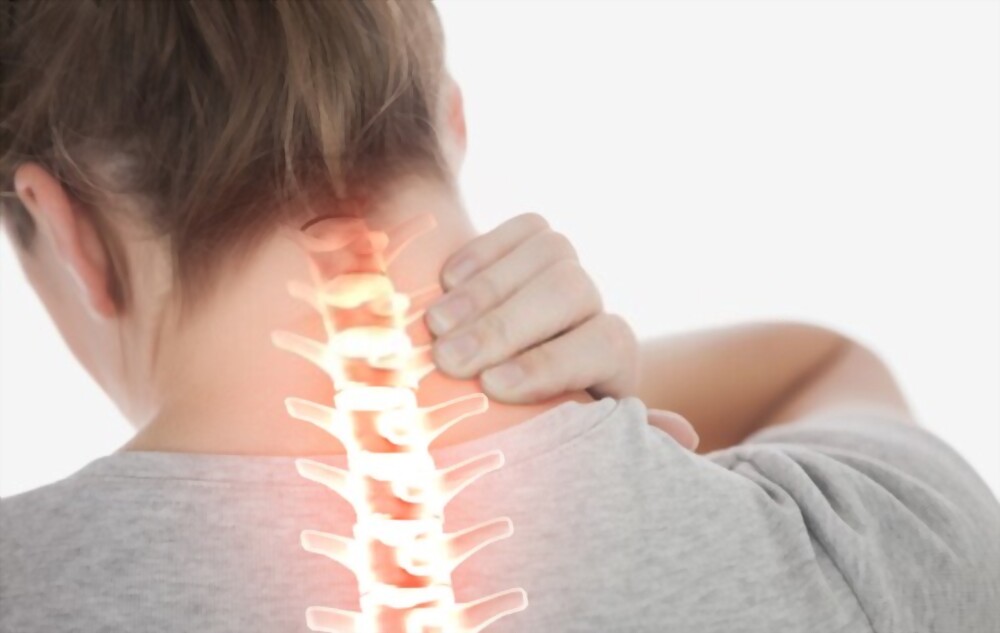

Introduction to neck pain
Pain in the neck region is pain located in the anatomical region of the neck. It may also extend to the head or shoulders. Sometimes pain may also radiate up to the palm. It is a serious problem affecting the general population.
Classification of neck pain
There are 4 grades of pain.
Pain can be specific neck pain or non specific neck pain. Grades 1 to 3 are non specific whereas grade 4 is specific.
Grade 1
No major structural pathology is involved. There is minimal disturbance in carrying out daily activities.
Grade 2
No major structural pathology is involved, however, significant disturbances may occur to carry out daily activities.
Grade 3 also does not include major structural pathology, however neurological signs may be present. These include sensation deficits in upper limb, muscle weakness, reduced reflexes. This is known as cervical radiculopathy.
Grade 4 involves major structural pathology. Examples- fracture, spinal cord injury, vertebral dislocation, systemic disease, etc.
Sub-groups of population with neck pain
Trauma related
Work related
Trauma related usually involves prior trauma such as an accident, a whiplash injury. Work- related pain aggravates during periods of work and is related to the occupation.
Identifying the Causes
For cervical radiculopathy, the disc space is reduced. This compresses nerves arising out of it and gives symptoms like tingling, numbness, which may radiate upto the palm.
For mechanical neck pain, causes include-
1.Poor posture, weak group of muscles, tightness in muscles, poor ergonomic habits, forward head posture, etc.
Mechanical neck pain
It affects 2/3rd of the population, more common in middle age.
Acute pain resolves within days or weeks, however in 10% of population, it may become chronic. In such cases the episodes are recurrent in nature.
Know your muscles!
Cervical flexors are muscles which bend the neck. These can be superficial or deep based on anatomy. Examples- sternocleidomastoid, scalene, longus colli, capitis, rectus capitis anterior.
Cervical extensors are muscles which extend the neck. These are based in 3 layers. 1st layer consists of upper trapezius and levator scapulae. 2nd consists of splenius muscles. 3rd consists of semi spinalis and 4th consists of multifidus and rectus posterior.
Muscles can either be stabilisers, which function to increase stability at the joint, or mobilisers which help in movement.
How does mechanical dysfunction occur?
When the stabilizer muscles don’t function effectively, the mobilizer muscles are overloaded. They compensate for the poor efficiency of stabilizers. This in turn causes low threshold activity such as poor postural control. As movement is impaired due to increased stresses on muscles and articular structures, micro-inflammatory process occur. This in turn causes more pain. As muscles get fatigued easily, they are unable to sustain a task for longer hours. Hence, recurrent pain episodes occur along with degenerative changes. Pain also occurs due to increased spasm in muscles.
How can Physiotherapy help?
Exercises aims include-
1.To reduce pain
2.To increase the activation of stabilizer muscles
3.To increase muscle strength
4.To increase muscle endurance
5.To improve flexibility of muscles
6.To improve posture
7.To improve ergonomics
8.To release muscle spasm
9.To release muscle triggers
10.To reduce recurrence of episodes
11.To improve quality of life
Say goodbye to neck pain
Fee exercises which help reduce neck pain
1.Basic mobility- Sit on a chair and perform gentle neck movements.
1.Look upwards toward the ceiling and bend your neck to touch chin to your chest.
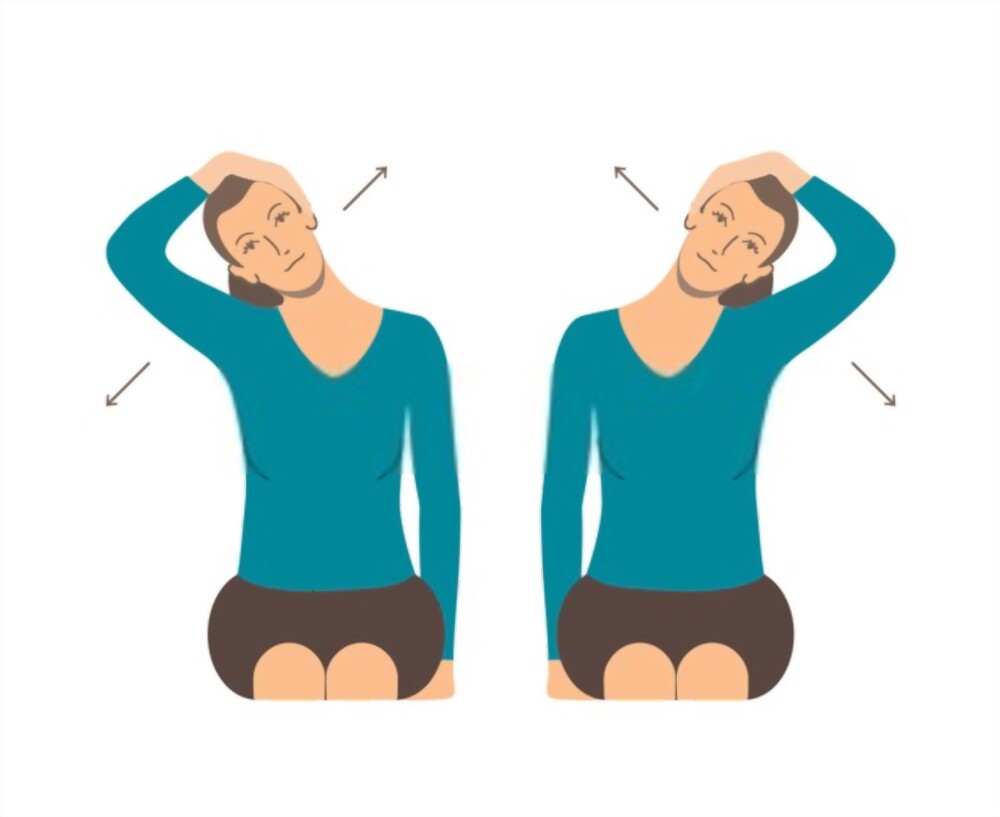
2. Sideways rotation and side flexion to right and left

3. Shoulder rotations by placing both hands on shoulders with elbow bent.
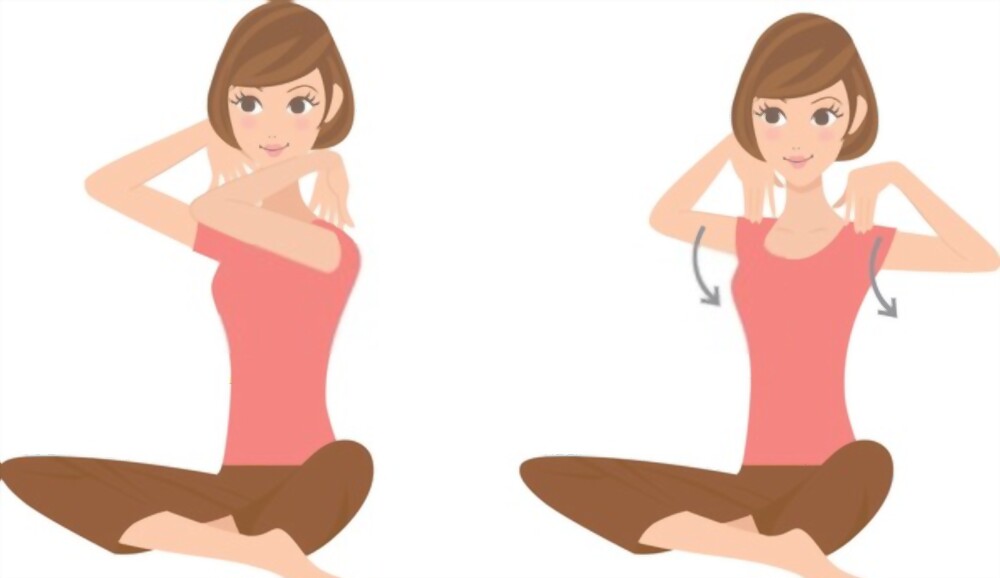
4. Upper back rotations- Rotate your upper back torso while sitting on a chair.
5. Chin tucks and prone head lift.
6. Trapezius stretch – Neck to shoulder stretch- hold for 30 seconds
7. Exercises in later stage of rehab include Shoulder muscle strengthening front raises, lateral raises.
Also read – https://vcurehealthcare.com/frozen-shoulder-from-frozen-to-free/oulder-from-frozen-to-free/