


UNITED STATES: Flu activity is increasing across several parts of the United States as the 2026-2027 respiratory illness season develops. COVID-19 continues to circulate, but its national trend is different, with recent data showing a decline in overall activity.
Both infections can cause serious complications, particularly among older adults, young children and people with existing health conditions. Understanding the latest infection trends, vaccine options and prevention measures can help reduce the risk of severe illness.
What Is Happening With Flu and COVID-19?
The United States is experiencing increasing influenza activity, while COVID-19 transmission remains uneven across different communities.
According to the US Centers for Disease Control and Prevention (CDC), COVID-19 activity was declining nationally as of November 6, 2026. However, seasonal flu activity continued to increase in many parts of the country.
The CDC’s influenza surveillance report for the week ending October 24 recorded a 7.6% influenza positivity rate among clinical laboratory specimens. Among influenza A viruses that underwent subtype testing, 98.9% were identified as A(H1N1)pdm09.
These figures indicate growing influenza activity, but they do not mean that every part of the country is experiencing high infection levels. The CDC continued to classify national flu activity as low in its November 6 update.
A November 7 report by Nick Landekic, published in RI News Today, also highlighted concerns about an unusual increase in COVID-19 infections and rising wastewater activity in parts of Rhode Island.
The report cited estimates from the Pandemic Mitigation Collaborative (PMC), which identified outbreaks across at least 47 states and territories in its November 2 assessment. The organization also estimated more than one million new COVID-19 infections daily. (Pandemic Mitigation Collaborative, 2026)
These figures are independent model-based estimates, not confirmed daily case counts. They use methods that differ from the CDC’s national surveillance system. This distinction is important because the CDC’s latest national update showed declining COVID-19 activity.
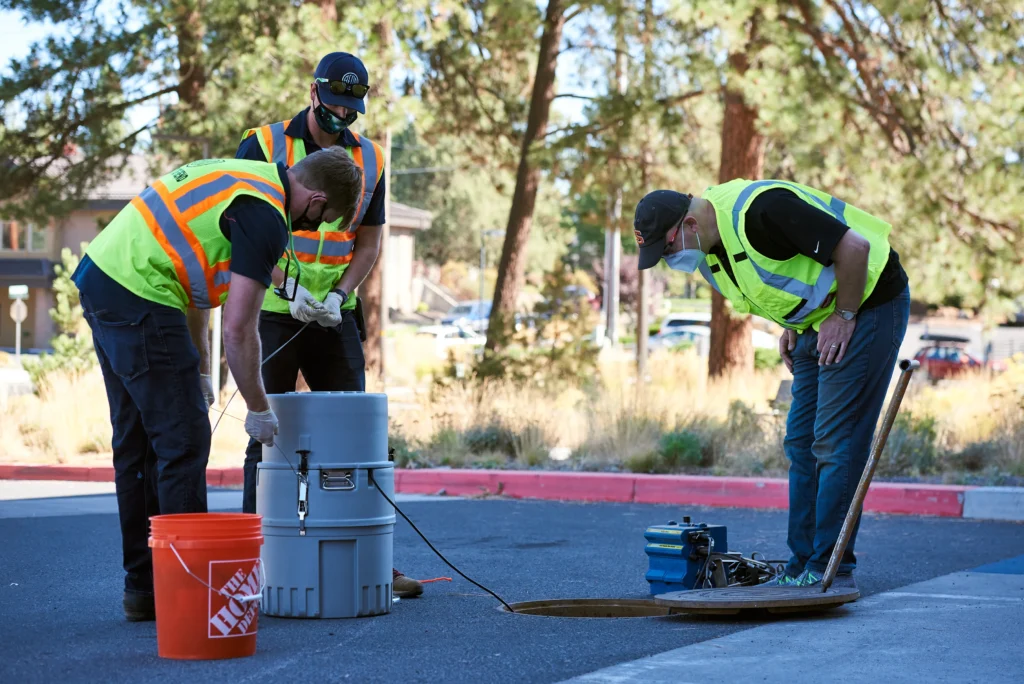
Wastewater monitoring can help identify changes in community transmission, including infections among people who have not been tested. However, it cannot provide an exact count of infected individuals. (CDC, 2026)
Why Is Flu Season Starting Early?
Influenza usually increases during the autumn and winter months in the United States. However, the 2026-2027 season has shown signs of an earlier increase in several regions.
One possible explanation involves genetic changes in the H1N1 influenza virus.
In an October 2026 interview published by Harvard T.H. Chan School of Public Health, epidemiologist Bill Hanage discussed how a mutation in the circulating H1N1 virus may allow it to partly evade existing immunity.
The change may be particularly relevant to children and adolescents. Younger people may have less exposure to different H1N1 strains than older adults, who have experienced a wider range of influenza viruses over their lifetimes.
School-age children also play an important role in influenza transmission because of their frequent close contact in classrooms and other shared environments.
Japan has also experienced an unusually early flu season, adding to concerns about changes in influenza circulation across different regions.
However, the role of the H1N1 mutation in causing the early increase remains a scientific explanation under investigation. It should not be treated as the confirmed cause of this season’s pattern. (Harvard T.H. Chan School of Public Health, 2026)
Who Is Most at Risk of Severe Illness?
Flu and COVID-19 can affect people of all ages. However, certain groups have a greater risk of developing complications.
Older adults: People aged 65 years and older face a higher risk of severe COVID-19 and influenza. Age-related changes in immune function can make it harder to fight infections.
Infants and young children: Children under five, especially those younger than two, have a greater risk of influenza complications.
Pregnant women: Pregnancy can increase the risk of serious complications from influenza and COVID-19.
People with chronic conditions: Individuals with diabetes, heart disease, chronic lung disease and other long-term conditions may experience more severe illness.
Immunocompromised individuals: People receiving chemotherapy, taking immunosuppressive medicines or living with immune deficiencies may have a weaker response to infections.
These groups should seek medical advice early when respiratory symptoms develop. Early diagnosis can help healthcare professionals identify suitable treatment options.
Flu and COVID-19 Symptoms: How Are They Different?
Influenza and COVID-19 are caused by different viruses, but they share several symptoms. This makes it difficult to distinguish between them based on symptoms alone.
Common symptoms of both infections include:
- Fever and chills
- Dry or persistent cough
- Sore throat
- Runny or blocked nose
- Headache
- Muscle and body pain
- Fatigue and weakness
- Shortness of breath
- Vomiting or diarrhea
Some people with COVID-19 may also experience changes in taste or smell.
Flu symptoms often develop suddenly, while COVID-19 symptoms may appear over a longer period after exposure. However, this difference is not reliable enough to diagnose either infection.
Testing is important when the diagnosis may affect treatment decisions. Healthcare providers can use combination tests that detect influenza A, influenza B and SARS-CoV-2.
It is also possible to have flu and COVID-19 at the same time. Such infections can increase the risk of serious illness, particularly among vulnerable individuals. (CDC, 2026)
Updated COVID-19 Vaccines for 2026-2027
Vaccination remains an important way to reduce the risk of severe COVID-19.
The updated US COVID-19 vaccines for the 2026-2027 season are designed to target the XFG lineage of SARS-CoV-2. The World Health Organization (WHO) reported that XFG accounted for 52% of submitted global sequences in the week ending October 4, 2026.
WHO continues to monitor this lineage. Available evidence has not identified an additional public health risk from XFG compared with other currently circulating variants.
Four updated COVID-19 vaccines are approved for use in specific age and risk groups in the United States.
| Vaccine | Manufacturer | FDA-approved population |
|---|---|---|
| Comirnaty | Pfizer-BioNTech | 65+ and ages 5-64 with an underlying high-risk condition |
| Spikevax | Moderna | 65+ and ages 6 months-64 with an underlying high-risk condition |
| mNexspike | Moderna | 65+ and ages 12-64 with an underlying high-risk condition |
| Nuvaxovid | Novavax/Sanofi | 65+ and ages 12-64 with an underlying high-risk condition |
Comirnaty, Spikevax and mNexspike use mRNA technology. Nuvaxovid uses protein-subunit technology.
The CDC recommends an updated 2026-2027 COVID-19 vaccine for adults aged 18 years and older. Vaccination is also recommended for children aged 6 months to 17 years with moderate or severe immunocompromise.
For other children in this age group, vaccination decisions involve shared clinical decision-making between parents or guardians and healthcare professionals.
The recommended vaccine and number of doses depend on age, previous vaccination and immune status. (CDC, 2026)

New Flu Vaccines for the 2026-2027 Season
The 2026-2027 influenza vaccines have been updated to protect against three expected influenza strains: H1N1, H3N2 and influenza B.
The FDA recommended changes to all three components compared with the previous seasonal formulation. These updates aim to improve protection against the influenza viruses expected to circulate.
Several vaccine options are available in the United States.
Fluzone High-Dose and Fluad: These vaccines are designed for adults aged 65 years and older. They provide enhanced immune stimulation through a higher antigen dose or an adjuvant.
FluMist: This is a nasal spray influenza vaccine approved for eligible individuals aged 2 to 49 years. It offers an alternative to injectable vaccines for people who meet its medical eligibility requirements.
MFLUSIVA: Moderna’s MFLUSIVA is an mRNA-based influenza vaccine approved by the FDA on August 5, 2026, for adults aged 50 years and older.
This is an important development in influenza vaccine technology. Unlike conventional egg-based vaccine production, mRNA technology offers the potential for faster vaccine development and manufacturing when circulating viruses change.
For adults aged 65 years and older, the CDC preferentially recommends Fluzone High-Dose, Fluad or the recombinant vaccine Flublok when available. An age-appropriate alternative should be used rather than delaying vaccination when these preferred options are unavailable. (CDC, 2026)
The effectiveness of any flu vaccine depends on several factors, including the circulating strain, the individual’s age and immune response. Vaccination may not prevent every infection, but it can reduce the risk of serious complications.
People should discuss the most suitable vaccine with their doctor or pharmacist. (FDA, 2026)
Repeat COVID-19 Infections and Long COVID
Recovering from COVID-19 does not guarantee protection against future infections. People can become infected multiple times as the virus continues to circulate and evolve.
Research has also raised concerns about the health effects of repeat infections.
A study published in Nature Medicine examined health outcomes among people with one COVID-19 infection and those who experienced reinfection. The researchers found that reinfection was associated with additional risks of death, hospitalization and health complications affecting several organ systems.
The study used data from the US Department of Veterans Affairs. Its findings should be interpreted carefully because the study population was predominantly male and the results may not apply equally to everyone.
COVID-19 can also lead to Long COVID, even when the initial infection is mild.
The WHO defines post-COVID-19 condition as symptoms that usually occur within three months of the initial infection, last for at least two months and cannot be explained by another diagnosis. (WHO, 2023)
Common symptoms include:
- Persistent fatigue
- Breathlessness
- Difficulty concentrating
- Memory problems
- Sleep disturbances
- Muscle and joint pain
- Headaches
These symptoms can interfere with work, exercise and everyday activities. Some people experience symptoms continuously, while others experience periods of improvement followed by a return of symptoms. (Bowe et al., 2022)
How to Reduce the Risk of Infection?
Vaccination is important, but other preventive measures can also reduce exposure to respiratory viruses.
Wear a well-fitted mask: N95, KN95, KF94 and FFP2 respirators can help reduce exposure to infectious respiratory particles. Consider wearing one in crowded indoor spaces, healthcare facilities and public transport.
Improve indoor ventilation: Open windows when possible and use suitable air filtration systems to improve indoor air quality.
Maintain hand hygiene: Wash hands regularly with soap and water. Avoid touching the eyes, nose and mouth with unwashed hands.
Stay home when sick: People experiencing respiratory symptoms should limit contact with others. The CDC recommends returning to normal activities only when symptoms have improved overall and the person has been fever-free for at least 24 hours without fever-reducing medication.
After returning to normal activities, additional precautions such as masking, improved ventilation and physical distancing are recommended for the next five days.
Seek early medical advice: People at higher risk should contact a healthcare professional as soon as symptoms develop.
Antiviral treatment can help reduce complications when started early. Influenza antivirals work best when started within one to two days of symptom onset. COVID-19 treatments must generally begin within five to seven days, depending on the medicine.
Emergency medical attention is necessary for severe breathing difficulty, persistent chest pain, new confusion, inability to stay awake or blue or grey lips and skin.

Conclusion
The early increase in influenza activity is an important development as the 2026-2027 respiratory illness season progresses. COVID-19 also remains a concern, although the latest national surveillance data show declining activity.
Both infections can cause serious health complications, especially among older adults, young children and people with underlying medical conditions.
Staying up to date with recommended vaccinations, recognizing early symptoms, seeking timely medical care and following basic preventive measures can reduce the risk of severe illness.
Monitoring local infection levels is equally important because respiratory virus activity can vary significantly between communities.


