


GIFU, JAPAN: Researchers have found that olive oil given to mice before glucose reduced the early rise in blood sugar and slowed the movement of stomach contents into the small intestine.
The findings, published in Diabetes on October 8, 2026, offer new insight into how fat consumption may influence glucose regulation. However, the results do not establish whether the same approach works in humans.
How Olive Oil Affected Blood Sugar
The study investigated whether consuming fat before glucose could influence the body’s response to a glucose load. Researchers examined changes in blood glucose, digestive hormones and gastric emptying in mice.
The team found that mice given olive oil before an oral glucose load experienced a smaller early rise in blood glucose than mice given water beforehand or olive oil after glucose.
The researchers also investigated the biological pathways responsible for this response. (Liu et al., 2026)
Why Timing Matters
In the experiment, researchers administered olive oil 15 minutes before the glucose load. They observed that the stomach emptied more slowly following the oil preload.
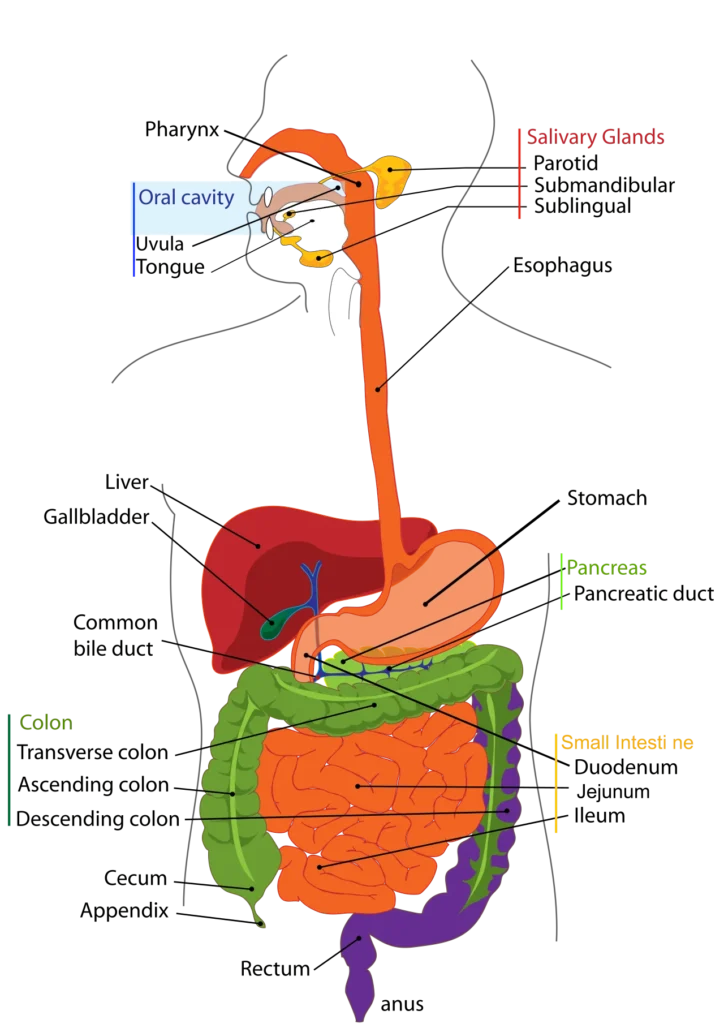
This process, known as gastric emptying, determines how quickly food and liquid move from the stomach into the small intestine. Because the small intestine absorbs glucose, the rate at which glucose reaches it can influence how quickly blood glucose rises.
The researchers also compared olive oil with other fats. As reported in VICE, flaxseed oil and lard produced similar effects in the mouse experiments, although olive oil showed the strongest response among the fats discussed.
These results suggest that the timing and type of fat consumed may influence the early glucose response in mice. However, the experiment used an oral glucose load rather than an ordinary mixed meal, so it does not establish the effect of consuming olive oil before foods such as rice, bread or pasta.
The Role of Digestive Hormones
The researchers investigated how digestive hormones and nerve signals contributed to the observed changes in blood glucose and gastric emptying.
GLP-1, GIP and Glucagon
The study found increased secretion of glucagon-like peptide-1 (GLP-1), glucose-dependent insulinotropic polypeptide (GIP) and glucagon after the olive oil preload.
GLP-1 helps regulate glucose metabolism and influences gastric emptying. GIP contributes to the insulin response after food intake. Glucagon also plays an important role in glucose regulation, although its effects depend on the body’s metabolic state.
The experiments suggested that glucagon and GLP-1 signaling contributed through partly overlapping pathways. Blocking either pathway alone did not eliminate the response, while blocking both reduced the effects of olive oil on blood glucose and gastric emptying.
Glucagon’s role requires careful interpretation. Although this hormone generally raises blood glucose through its actions on the liver, the researchers found that it contributed to the particular digestive response observed in these mice. This does not mean glucagon generally lowers blood glucose.
How the Vagus Nerve Contributed
The researchers also investigated the vagus nerve, which carries signals between the brain and several internal organs, including the digestive system.
Interrupting vagal signaling reduced the effects of the olive oil preload on gastric emptying and blood glucose. The findings suggest that nerve signals work alongside digestive hormones to influence the body’s response to glucose.
Together, these observations provide a possible explanation for the smaller early glucose rise. However, the specific mechanisms and their clinical significance still require investigation in humans. (Liu et al., 2026)
What the Findings Mean for Diabetes
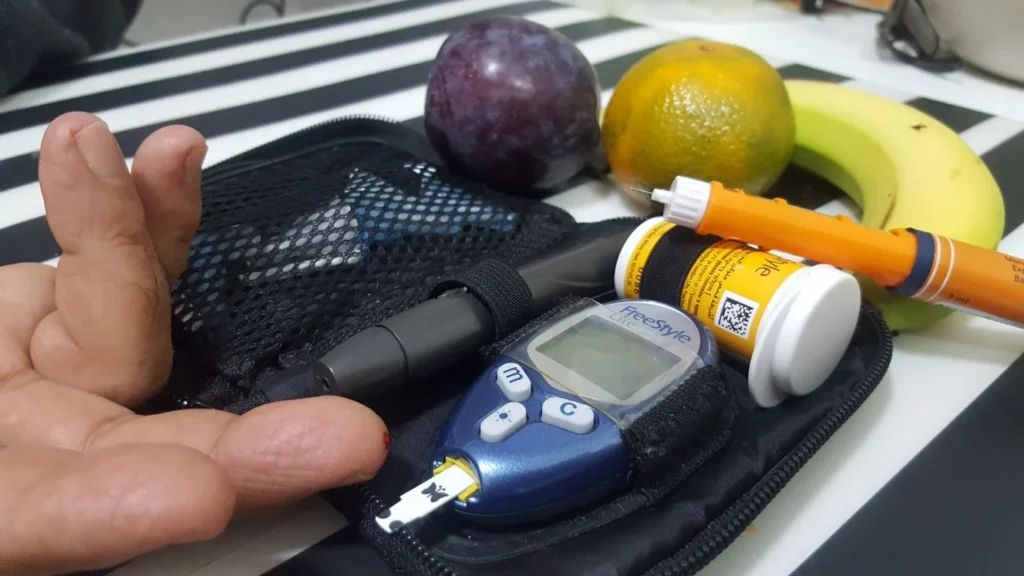
The researchers also examined mice with experimentally induced diabetes and a separate diabetic mouse model. They observed similar effects on early blood glucose levels and gastric emptying in these animals.
This finding is notable because it suggests that the observed response may involve mechanisms beyond a normal insulin response. However, it does not demonstrate that olive oil can treat diabetes, replace insulin or reduce the need for prescribed medication.
Animal studies help researchers investigate biological mechanisms, but results cannot automatically be applied to people. Human trials must establish whether the approach is effective, safe and clinically meaningful before healthcare professionals can recommend it as a diabetes management strategy.
Does Human Research Support the Idea?
Previous research has investigated whether the order in which people eat different foods affects post-meal glucose levels. However, this evidence does not establish that consuming olive oil separately before carbohydrates produces the same effect.
A systematic review published in Clinical Nutrition Research in January 2026 examined six studies involving 107 healthy adults. Most studies investigated consuming vegetables, fruit or protein-rich foods before carbohydrates.
The review found that food order could influence short-term glucose responses, while also identifying the need for larger and longer trials. (Kim et al., 2026)
A separate randomized crossover trial published in Diabetes Care in 2016 examined 13 people with type 1 diabetes. Researchers found that extra-virgin olive oil included in a high-glycaemic-index meal reduced the post-meal glucose response compared with meals containing less fat or butter.
However, that trial investigated olive oil as part of a meal, not as a separate dose consumed 15 minutes before glucose. It therefore provides related evidence about fat and glucose responses, rather than confirmation of the specific strategy investigated in the new mouse study. (Bozzetto et al., 2016)
Should People Drink Olive Oil Before Meals?
The findings have attracted attention because they suggest a possible way to influence the body’s response to glucose. Nevertheless, there is currently insufficient evidence to recommend drinking olive oil before carbohydrates specifically to prevent blood sugar spikes.
Olive oil can form part of a balanced diet, but adding extra oil solely for an unproven glucose-lowering effect increases calorie intake without an established clinical benefit.
For people managing diabetes, established dietary guidance recommends an individualized eating plan that considers nutritional quality, total calorie intake and personal health needs.
The American Diabetes Association recommends dietary patterns that include vegetables, whole fruits, legumes, whole grains, nuts, seeds and suitable protein sources while limiting sugar-sweetened beverages and highly processed foods. (American Diabetes Association, 2026)
People should not change their prescribed medication, insulin doses or diabetes management plans based on findings from animal research. Anyone considering dietary changes that could affect glucose control should discuss them with a qualified healthcare professional.
What Researchers Need to Establish Next
Human clinical trials will be needed to determine whether olive oil consumed before glucose produces a similar response outside laboratory animals.
Researchers must establish the appropriate quantity, the interval before eating and whether the effect varies with different carbohydrate sources or meal compositions. Further studies should also assess whether a smaller early glucose rise translates into meaningful improvements in overall glucose control.
Until these questions are answered, the findings should be treated as evidence of a possible biological mechanism, not a proven dietary intervention.
Conclusion
A study published in Diabetes found that olive oil consumed 15 minutes before glucose reduced the early rise in blood sugar and slowed gastric emptying in mice.
The researchers linked this response to digestive hormones, including GLP-1 and glucagon, and signaling through the vagus nerve.
The findings add to scientific interest in how meal timing influences glucose regulation. However, the specific olive oil strategy has not been established as an effective way to manage blood sugar in humans.
Balanced meals, appropriate carbohydrate portions and personalised diabetes care remain more reliable approaches while researchers investigate whether these findings translate into clinical benefits.


