LONDON: The NHS is rolling out its free winter flu vaccination program for 2026–27, encouraging eligible people to get vaccinated before flu activity increases during the colder months.
However, people who have experienced a serious allergic reaction to a previous flu vaccine and those with a high temperature need to follow specific precautions before receiving the jab.
What the NHS Flu Jab Warning Means
The NHS offers seasonal flu vaccination to eligible people to help reduce the risk of serious illness and complications caused by influenza. The program includes children, pregnant women, older adults and people with certain health conditions.
The 2026–27 vaccination campaign began in phases in England. Pregnant women and eligible children became eligible from 1 September 2026, followed by older adults and other eligible groups from 1 October 2026. Vaccination arrangements and eligibility criteria may differ across the UK. (UK Health Security Agency, NHS England and DHSC, 2026)
The Daily Star’s report on the NHS flu jab warning highlights two important precautions. People who have experienced anaphylaxis after a previous flu vaccine dose or to an ingredient in the vaccine should not receive it. Those who have a high temperature should wait until they feel better.
These situations require different responses. A serious allergic reaction can prevent someone from receiving the vaccine, whereas a high temperature usually calls for a temporary postponement.
Who Should Avoid the Flu Jab?
People With a History of Anaphylaxis
Anaphylaxis is a severe allergic reaction that can be life-threatening. It may cause breathing difficulties, swelling of the throat or tongue, dizziness or a sudden drop in blood pressure.
According to the NHS flu vaccine guidance, people cannot have the flu vaccine if they have experienced anaphylaxis after a previous dose or to an ingredient in the vaccine.
Anyone with this history should tell their GP, pharmacist or vaccination provider before arranging an appointment. The healthcare professional can review the previous reaction and advise on the appropriate next step.
It is also important to distinguish a severe allergic reaction from common side effects. Temporary soreness around the injection site or a slightly raised temperature is not, by itself, evidence of anaphylaxis.
People who are unsure whether a previous reaction was serious should seek medical advice rather than making assumptions about their suitability for vaccination.
Who Should Delay Flu Vaccination?
People With a High Temperature
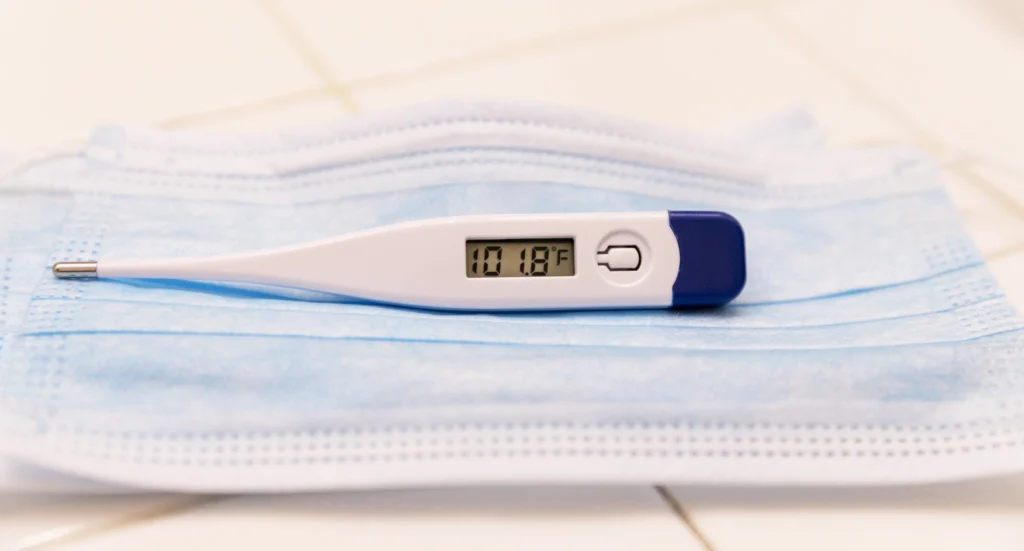
The NHS advises people with a high temperature to wait until they feel better before receiving the flu vaccine.
A high temperature may indicate an infection or another acute illness. Postponing the appointment allows the person to recover before vaccination and helps avoid confusion between existing symptoms and possible vaccine side effects.
This precaution does not usually mean that someone must miss the entire vaccination season. Once they have recovered, they can contact their vaccination provider to arrange another appointment.
A mild cold without a high temperature does not automatically mean that vaccination must be delayed. Anyone who feels significantly unwell or is uncertain about receiving the vaccine should discuss their symptoms with a healthcare professional.
Who Is Eligible for the NHS Flu Jab?
In England, the free NHS flu vaccine is available to several groups at increased risk of serious illness or who may help protect vulnerable people.
Eligible groups include:
- Adults aged 65 and over.
- Pregnant women.
- People aged 18 to 64 with certain long-term health conditions.
- Eligible children, including those aged two or three on 31 August 2026 and school-aged children.
- People living in long-stay residential care homes.
- Eligible carers and people living with someone who has a weakened immune system.
- Eligible frontline health and social care workers.
Certain long-term conditions, including asthma requiring steroid treatment, chronic obstructive pulmonary disease, heart disease, kidney disease, diabetes and conditions that weaken the immune system, may qualify a person for vaccination.
The exact eligibility criteria depend on age, health and individual circumstances. People who are unsure should consult the official NHS eligibility guidance.
When Is the Flu Jab Deadline?
Eligible people in England should arrange vaccination as soon as possible rather than waiting until the end of the season.
According to the NHS, online booking for the 2026–27 flu vaccine closes on 30 March 2027, while 31 March 2027 is the last date to receive the vaccine under the program. These dates are different, so anyone planning a late appointment should check the available booking arrangements.
Eligible people can book online, use the NHS App, contact their GP surgery or find a participating pharmacy. Some people may also receive their vaccination through a maternity service, care home or employer.
Frontline health and social care workers should normally access the vaccine through their employer. Certain eligible social care workers who cannot obtain it through their employer may be able to arrange vaccination through a pharmacy or GP surgery. (NHS, Flu vaccine)
Can the Flu Vaccine Be Given With Other Vaccines?
The flu vaccine can be administered alongside certain other vaccines, including COVID-19 and shingles vaccines.
Pregnant women can receive the flu vaccine alongside recommended pregnancy vaccinations, including the respiratory syncytial virus (RSV) vaccine from 28 weeks of pregnancy and the whooping cough vaccine.
For older adults, the flu and RSV vaccines are not usually given at the same appointment. However, a doctor or nurse may recommend administering them together when appropriate.
People receiving multiple vaccinations should discuss suitable timing with their healthcare professional. The advice may depend on their age, pregnancy status, medical history and the vaccines being offered. (NHS, Flu vaccine)
What Are the Common Flu Jab Side Effects?
Most side effects of injectable flu vaccines are mild and improve within one or two days.
Common side effects include:
- Soreness or pain around the injection site.
- A slightly raised temperature.
- Muscle aches.
A severe allergic reaction is very rare. Vaccination providers are trained to recognise and manage serious allergic reactions if they occur.
The injected flu vaccines used in the UK do not contain live flu viruses and cannot give someone influenza. People who experience concerning symptoms after vaccination should seek appropriate medical advice. (NHS, Flu vaccine)
How Long Does Flu Vaccine Protection Take?
The flu vaccine usually takes up to 14 days to develop its expected protective effect. A person can still catch flu during this period or after vaccination.
However, vaccination helps protect against the most common flu viruses targeted by the seasonal vaccine. If a vaccinated person develops influenza, the illness is likely to be milder and may not last as long.
Protection decreases over time, and the viruses circulating each year can change. The vaccine is therefore updated for each season, making annual vaccination important for eligible people. (NHS, Flu vaccine)
Conclusion
The NHS flu vaccination program helps protect eligible people against serious illness during the winter season. However, understanding the precautions is essential before arranging an appointment.
People who have experienced anaphylaxis after a previous flu vaccine dose or to an ingredient in the vaccine should follow NHS guidance and seek appropriate clinical advice. Those with a high temperature should postpone vaccination until they feel better.
Eligible people can check their vaccination status, confirm the available appointment options and consult a healthcare professional if they have concerns about allergies or an existing illness. Booking early helps avoid missing the opportunity to receive protection during the winter months.