LONDON, UK: Men are often diagnosed with type 2 diabetes at a younger age and lower body mass index (BMI) than women. Differences in body fat distribution, hormones and glucose metabolism may help explain this pattern.
The risk is not limited to men who are overweight or physically inactive. Understanding the early warning signs, attending health checks and making sustainable lifestyle changes can help people reduce their risk of type 2 diabetes.
Why Diabetes Risk Differs in Men
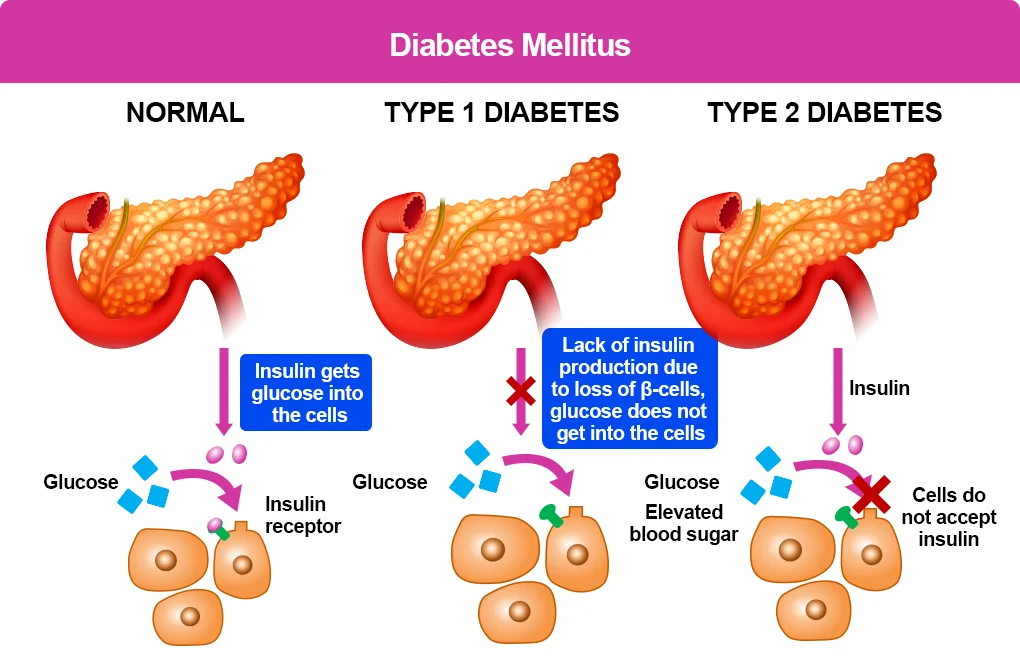
Type 2 diabetes develops when the body cannot use insulin effectively or gradually loses the ability to produce enough insulin. Insulin helps glucose move from the bloodstream into cells, where the body uses it for energy. When this process fails, blood glucose levels rise.
Research shows that men are often diagnosed with type 2 diabetes at a younger age and lower BMI than women. However, differences in diabetes prevalence vary between populations, and women also face important risk factors.
In the original report by The Independent, clinicians explain how body fat distribution and sex hormones may contribute to the difference. The report also highlights the importance of recognizing risk before symptoms appear.
How Abdominal Fat Raises Risk
Visceral Fat and Insulin Resistance
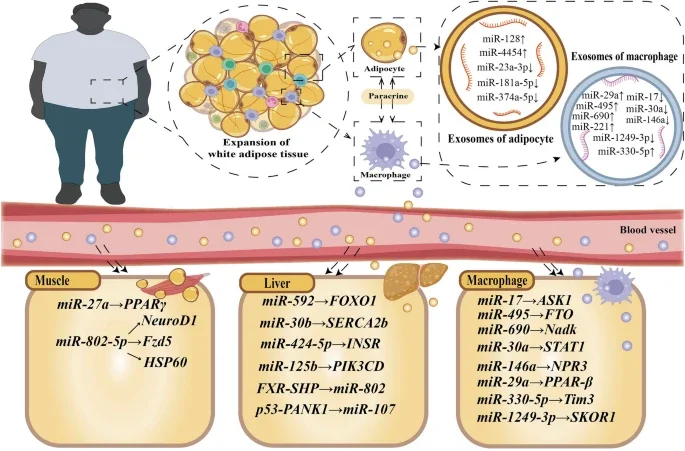
One important explanation is where the body stores excess fat. Men tend to accumulate more visceral fat around internal organs, including the liver and pancreas. Premenopausal women generally store more fat under the skin around the hips and thighs.
Visceral fat is linked to insulin resistance. This condition occurs when cells respond less effectively to insulin. The pancreas must then work harder to maintain healthy blood glucose levels.
Over time, the pancreas may struggle to produce enough insulin to meet the body’s needs. Glucose levels can rise, increasing the risk of type 2 diabetes.
A study of older adults found that men had more visceral fat than women. After researchers accounted for visceral fat, the observed difference in diabetes risk between men and women was no longer statistically significant.
This suggests that fat distribution may help explain some of the difference, although the study does not establish a universal cause. (Nordström et al., 2016)
Why BMI Can Be Misleading
BMI compares body weight with height, but it does not show where fat is stored. A person may have a BMI within the conventional healthy range and still carry excess abdominal fat.
This matters because men can develop type 2 diabetes without appearing significantly overweight. A normal body weight, regular exercise or the absence of symptoms does not completely rule out diabetes.
Research reviewed in Diabetologia found that men are generally diagnosed with type 2 diabetes at a younger age and lower BMI than women. The researchers also stressed that sex-related differences in diabetes risk involve several factors, not body weight alone. (Kautzky-Willer et al., 2023)
How Hormones Affect Diabetes Risk
Estrogen plays a role in insulin sensitivity, fat distribution and glucose metabolism. These effects may help explain why premenopausal women often have a different metabolic risk profile from men.
After menopause, falling estrogen levels are associated with changes in body fat distribution and an increase in abdominal fat in many women. This can contribute to insulin resistance and raise the risk of type 2 diabetes.
However, menopause does not automatically lead to diabetes. Age, family history, body composition, physical activity and other health conditions also influence individual risk.
These differences show why diabetes prevention should consider both biological factors and personal circumstances. The same advice does not produce identical results for every person.
Why Diabetes Tests Matter
Men tend to have higher fasting blood glucose levels, while women may have higher glucose levels after meals. These are general patterns rather than rules that apply to everyone.
As a result, a fasting glucose test alone may not identify every glucose abnormality, particularly when glucose rises mainly after meals.
A healthcare professional may recommend an HbA1c test, an oral glucose tolerance test or another suitable investigation, depending on the person’s symptoms and medical history.
HbA1c measures average blood glucose over approximately two to three months. An oral glucose tolerance test examines how the body handles glucose after a prescribed glucose drink.
Testing methods have different purposes, so people should not select or interpret tests based on sex alone. Anyone with symptoms or significant risk factors should seek appropriate medical advice.
Early Symptoms Men Should Recognize
Type 2 diabetes often develops gradually. Some people have few symptoms for years, which makes screening important for those at increased risk.
Common warning signs include:
- Increased thirst: Persistent thirst may occur when the body loses more fluid through urine.
- Frequent urination: The kidneys remove excess glucose from the blood, increasing urine production.
- Unusual tiredness: Poor glucose regulation can affect how the body uses energy.
- Unexplained weight loss: Some people lose weight without changing their diet or exercise habits.
- Blurred vision: Changes in blood glucose can affect the eye’s fluid balance.
- Slow-healing wounds: Diabetes can damage blood vessels and nerves, affecting healing.
- Repeated infections: Some people experience recurring fungal infections or genital itching.
These symptoms do not confirm diabetes. Other conditions can cause similar problems, so medical assessment is important.
People who develop severe symptoms, such as vomiting, abdominal pain, rapid or deep breathing, or confusion, need urgent medical attention. These signs may indicate a serious metabolic emergency.
Type 1 and Type 2 Diabetes
Type 1 diabetes differs from type 2 diabetes. Type 1 is an autoimmune condition in which the immune system attacks insulin-producing cells in the pancreas. It is not caused by excess body weight or lifestyle habits.
Some populations, particularly people of European ancestry, show a modest male predominance in type 1 diabetes. The pattern varies geographically, and researchers do not fully understand the reasons.
Type 2 diabetes, by contrast, involves insulin resistance and a gradual inability to maintain normal blood glucose levels. Genetics, ageing, body fat distribution and lifestyle factors can all contribute.
Distinguishing between the two conditions matters because their causes, diagnosis and treatment differ.
Can Men Reduce Diabetes Risk?
Type 2 diabetes can often be prevented or delayed, particularly among people with increased risk. The World Health Organization recommends regular physical activity, a healthy diet, maintaining a healthy weight and avoiding tobacco use. (WHO, 2026)
Choose a Balanced Diet
Include vegetables, whole fruits, pulses, whole grains, nuts and suitable sources of protein in daily meals. Fibre-rich foods can support healthy eating habits and help with weight management.
Limit sugary drinks, frequent sweets and highly processed foods that provide excess calories. Portion size also matters.
Carbohydrates do not need to be eliminated. The overall balance, quality and quantity of food are more important than following a restrictive diet without medical guidance.

Stay Physically Active
Aim for at least 150 minutes of moderate-intensity physical activity each week, unless a healthcare professional advises otherwise. Brisk walking, cycling, swimming and similar activities can help muscles use glucose more effectively.
Strength training can also support muscle health and metabolic function. People who spend much of the day sitting should take regular movement breaks.
Those who are not physically active can begin with short walks and gradually increase the duration and intensity.

Manage Weight and Waist Size
People who carry excess abdominal fat may benefit from gradual, sustainable weight management. Even modest weight loss can improve metabolic health in people who are overweight.
BMI and waist measurement provide different information. A healthcare professional can help interpret both measurements alongside blood pressure, family history and other risk factors.
People of South Asian background may develop type 2 diabetes at a lower BMI than some other populations. Therefore, a conventional healthy BMI does not always mean diabetes risk is low.
Schedule Regular Health Checks
A medical assessment is particularly important for people with a family history of diabetes, high blood pressure, excess abdominal fat or other metabolic risk factors.
Blood tests can identify elevated glucose levels before obvious symptoms develop. If prediabetes is diagnosed, an appropriate lifestyle programme and regular follow-up may help delay progression to type 2 diabetes.
UK readers can assess their individual risk using Diabetes UK’s Know Your Risk tool. People elsewhere should follow locally appropriate screening advice or consult a healthcare professional.
Why Diabetes Complications Matter
Identifying diabetes early is important because prolonged high blood glucose can damage the heart, kidneys, eyes, blood vessels and nerves.
A 2024 Australian study followed 25,713 adults with diabetes. Researchers found that men had a higher observed risk of cardiovascular disease, lower-limb complications and kidney complications than women. They also found a modestly higher risk of diabetic retinopathy, a condition that can threaten eyesight.
These results highlight the importance of monitoring complications from diagnosis. They do not mean that every man will develop complications or that women face little risk. (Gibson et al., 2024)
Regular medical reviews, blood glucose management, blood pressure control and recommended eye, kidney and foot checks can help people with diabetes reduce the risk of serious health problems.
Conclusion
Men may face a higher risk of type 2 diabetes because of differences in visceral fat, insulin resistance and other biological and lifestyle factors. They can also develop the condition at a lower BMI than many people expect.
However, diabetes affects both men and women, and sex alone cannot predict an individual’s risk. Recognising symptoms, staying physically active, eating a balanced diet and arranging appropriate blood glucose testing are important steps towards better health.
For men with risk factors, early screening is more useful than waiting for symptoms to appear. Timely advice and sustainable lifestyle changes can help prevent or delay type 2 diabetes and reduce the risk of long-term complications.