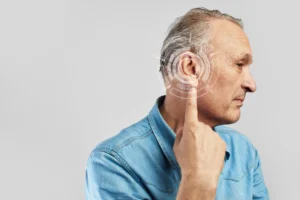

Why Daily Headaches Are More Common Than You Think
If you are dealing with headaches almost every day, you are not alone.
In clinical practice, this is something I see very frequently, especially in people who spend long hours sitting, working on screens, or managing high levels of stress.
What surprises most people is this: daily headaches are rarely random.
They usually follow a pattern. And more importantly, they are often reversible when you address the actual source rather than just suppressing the pain.
From a physiotherapy perspective, headaches are not just a brain issue.
In many cases, they are a neck, muscle, and lifestyle problem showing up as head pain.
Read: One Sided Headache: When Should You Worry?
Quick Answer: Daily Headaches Explained
Daily headaches are most commonly caused by a combination of neck tension, poor posture, dehydration, stress, and prolonged screen time. In many cases, the root cause is mechanical and linked to muscle imbalance in the neck and shoulders.
You can reduce and even prevent daily headaches naturally by improving posture, staying hydrated, doing simple neck exercises, managing stress, and maintaining proper sleep support.
Consistency in small daily habits often brings better results than quick fixes.
Read: Atlantoaxial Osteoarthritis: Simple Fixes for Pain at Base of Skull When Turning Head
Key Takeaways
- Daily headaches are often linked to neck tension and lifestyle habits rather than serious illness
- Poor posture and long screen time are major contributors
- Weak deep neck muscles can silently increase headache frequency
- Hydration and sleep quality directly impact headache patterns
- Small consistent corrections can significantly reduce symptoms within weeks
- Ignoring early signs can lead to chronic headache patterns
Read: Headache at Back of Head Causes and How To Treatment
What Exactly Is a Daily Headache?
Clinically, this falls under chronic daily headache, which means:
- Headache occurs 15 or more days per month
- It continues for at least 3 months
The most common types include:
Tension-Type Headache
This is the most common form. It feels like a dull, tight pressure around the head, often described as a band-like sensation.
Chronic Migraine
Usually more intense. It may involve throbbing pain, light sensitivity, or nausea.
Read: How to Manage Migraine Naturally and Effectively
Cervicogenic Headache
This is where things get interesting from a physiotherapy point of view.
The pain starts in the neck and travels to the head, often behind the eyes or temples.
In practice, many patients are diagnosed with migraine, but when you assess their neck, you find clear mechanical dysfunction contributing to their symptoms.
Read about : What is Cervical Facet Joint Pain, how it causes cervicogenic headaches and how to correct it naturally
The Neck-Head Connection That Most People Miss

There is a strong neurological connection between the upper neck and the head.
The nerves from the upper cervical spine share pathways with the trigeminal nerve, which is responsible for facial and head sensation.
So when the neck is stiff, inflamed, or overloaded, the brain can interpret that signal as a headache.
This is one of the main reasons why treating the neck often reduces headache frequency and intensity. Bogduk, 2009
Read: Cervicocephalic Syndrome: Simple Exercises For Neck Related Headaches
A Simple Self-Check to Identify Neck-Related Headaches
You can try this at home.
- Does your headache increase after long screen time?
- Do you feel stiffness when turning your neck?
- Does pressing on neck muscles reproduce your headache?
- Is your headache worse at the end of the day?
If you answered yes to most of these, your headache is likely linked to your neck.
Read: Simple Posture Correction Exercises for Forward Head Posture
The Real Causes of Daily Headaches
Let’s move beyond generic advice and talk about what actually drives these headaches in real life.
1. Forward Head Posture and Screen Use
This is one of the biggest contributors today.
When your head moves forward, even by a few centimeters, the load on your neck increases significantly. Over time, this leads to:
- Muscle fatigue
- Joint stiffness
- Reduced blood flow
- Trigger point formation
A recent study highlights that prolonged sitting and poor posture are strongly associated with cervicogenic headaches. Ashina et al., 2023
Read: What is Sternocleidomastoid Syndrome, Trigger Points and Its Treatment
2. Muscle Trigger Points and Tightness
Small knots in muscles, especially around the neck and shoulders, can refer pain to the head.
Common areas include:
- Upper trapezius
- Suboccipital muscles
- Levator scapulae
What many people do not realize is that pressing on these points can reproduce the same headache they experience daily.
That is a strong indicator that the source is muscular.
Read: Levator Scapulae Syndrome: How To Fix One-Sided Neck Pain Naturally
3. Weak Deep Neck Muscles
This is a lesser-known but clinically important factor.
When the deep cervical flexor muscles are weak, the superficial muscles overwork. This creates imbalance and strain.
Exercise-based rehabilitation targeting these muscles has been shown to reduce headache intensity and frequency. Jull et al., 2002
4. Dehydration and Brain Sensitivity
Even mild dehydration can trigger headaches. It affects blood volume and reduces oxygen delivery to the brain. Popkin et al., 2010
In practice, many patients improve simply by correcting their daily water intake.
Read about: Neck And Jaw Pain Together? Here’s The Full Clinical Picture
5. Stress That Shows Up in the Body
Stress is not just mental. It often settles physically in the neck and shoulders.
You might notice:
Over time, this creates a constant state of muscle tension, which feeds into daily headaches.
Read About: Best Sleeping Position for Neck Pain: A Physiotherapist’s Complete Guide
6. Sleep and Pillow Issues
Morning headaches are often linked to:
- Poor sleeping posture
- Incorrect pillow height
- Neck not being supported properly
If you wake up with stiffness, your sleep setup needs attention.
Read About: How to Choose the Right and Best Pillow for Neck Pain
7. Medication Overuse
This is something many people are unaware of.
Frequent use of painkillers can lead to rebound headaches, where the pain returns as the medication wears off. Diener et al., 2019
Read about: How to Relieve Morning Neck Stiffness Naturally
A Pattern I Often See in Patients
Let me share something from practice.
A typical patient with daily headaches often has a combination of:
- Long hours on laptop
- Minimal movement during the day
- Poor hydration
- Stiff neck
- Disturbed sleep
Individually, each factor seems small. Together, they create a perfect setup for daily headaches.
Read: Spasm In Neck: What Causes It & How to Fix It Fast
Who Is Most Likely to Experience Daily Headaches?
Over time, you start noticing patterns. Certain groups are more prone than others.
- Desk workers
Long hours on laptops, minimal movement, forward head posture - Students
Study stress, screen exposure, irregular sleep - Work-from-home professionals
Poor ergonomic setups, working from bed or couch - People under constant stress
Tend to carry tension in neck and shoulders - Frequent mobile users
Looking down for long periods puts continuous strain on the neck
If you fall into any of these, your headache likely has a strong lifestyle component.
Read: Neck Pain in Students: The Hidden Study Habit Destroying Your Spine
How to Stop Daily Headaches Naturally
This is where physiotherapy makes a real difference. The goal is not just relief, but correction.
1. Start With Posture Awareness
You do not need perfect posture. You need better posture.
Simple cues:
- Keep screen at eye level
- Avoid bending neck for long periods
- Keep shoulders relaxed
Even small improvements reduce load on the neck.
Read in detail: Best Desk Setup to Reduce Neck and Back Pain
2. Release Muscle Tension Daily
Use:
- Tennis ball against wall
- Gentle neck stretches
- Heat application
This helps improve blood flow and reduce muscle tightness.
Read more: Heat Or Cold Therapy for Neck Pain: What Actually Works?
3. Strengthen the Right Muscles
Focus on:
- Chin tuck exercises
- Deep neck flexor activation
These exercises restore balance and reduce strain on superficial muscles.
4. Hydration With Intention
Instead of randomly drinking water:
- Aim for consistent intake through the day
- Increase intake if you are in a hot environment
- Include electrolytes if needed
5. Break the Sedentary Cycle
Do not sit continuously for hours.
A simple rule:
- Move every 40 to 50 minutes
Even a short walk or shoulder movement can reset muscle tension.
6. Improve Breathing Patterns
This is rarely discussed.
Shallow chest breathing overactivates neck muscles. Diaphragmatic breathing reduces this load.
Try:
- Slow nasal breathing
- Expanding the abdomen instead of lifting the chest
Read: Neck Pain from Poor Breathing Pattern? Correct Now!
7. Fix Your Sleep Setup
- Pillow should support natural neck curve
- Avoid extreme neck angles
- Keep spine aligned
Small changes here can significantly reduce morning headaches.
Read: The Morning Headache Causes and Easy Fixes
A Simple Weekly Reset Routine for Headache Relief
You do not need a complex plan. Just stay consistent.
Daily:
- 5 minutes neck exercises
- 2 to 3 posture checks
- Regular hydration
3 times a week:
- Stretching session for neck and shoulders
- Light strengthening exercises
Once a week:
- Longer mobility session
- Relaxation or breathing practice
This kind of routine helps break the cycle gradually.
Read: How to Fix Neck Fatigue After Migraine Naturally
Common Mistakes That Keep Headaches Coming Back
Sometimes, the problem is not what you are missing, but what you are doing repeatedly.
- Ignoring posture throughout the day
- Relying only on painkillers for relief
- Stretching aggressively without strengthening
- Skipping meals or not drinking enough water
- Using very high or very soft pillows
These habits quietly maintain the headache cycle.
Read: How to Reduce Tinnitus Naturally
Lesser-Known but Important Insights
- Headache location often reflects the muscle involved
- Eye strain can amplify neck-related headaches
- Jaw tension can refer pain to temples
- Women may experience more frequent headaches due to hormonal factors
- Chronic neck stiffness is a strong predictor of recurring headaches
More recent research also shows that patients with chronic neck pain are at higher risk of developing cervicogenic headaches. (de Vries et al., 2025)
Read: A Complete Guide To Sinuses Related Neck Pain
When You Should Consider Seeing a Physiotherapist
If your headaches are not improving despite basic changes, it may be time to seek help.
You should consider physiotherapy if:
- Headaches are frequent and persistent
- Neck movement feels restricted
- Pain keeps returning after temporary relief
- You notice stiffness or muscle tightness daily
A structured assessment can identify the exact source and guide targeted treatment.
Read more: Cervical Vertigo Explained: Why Neck Pain Make You Feel Dizzy
When You Should Not Ignore a Headache
Seek medical attention if you notice:
- Sudden severe headache
- Headache with weakness or numbness
- Vision changes
- Fever with neck stiffness
These require immediate evaluation.
Read more: Cervical Myelopathy: The Hidden Neck Condition Affecting Your Walking
Final Thoughts From a Physiotherapist
If you take one thing from this article, let it be this:
Daily headaches are often not just “in your head.” They are usually a result of how you sit, move, breathe, and recover.
When you start addressing:
- Neck mechanics
- Muscle health
- Hydration
- Movement
You are not just reducing pain. You are changing the pattern that creates it.
Most people begin to see noticeable improvement within a few weeks once they stay consistent.
It can feel frustrating when headaches become part of your routine. Many people start to accept it as normal, which it is not.
The good part is that once you understand the pattern behind your headaches, things start to change.
Small corrections done consistently often work better than drastic changes done occasionally.
Read about: What Is Military Neck Or Cervical Kyphosis And How To Treat It
Frequently Asked Questions
1. Why do I get headaches every day?
Daily headaches are usually caused by a mix of poor posture, neck muscle tension, dehydration, stress, and excessive screen time. Often, more than one factor is involved.
2. Can neck problems cause headaches?
Yes, cervicogenic headaches originate from the neck. Stiff joints and tight muscles in the cervical spine can refer pain to the head.
3. How can I stop daily headaches naturally?
Improving posture, doing neck exercises, staying hydrated, managing stress, and correcting sleep posture can help reduce headaches naturally.
4. How long does it take to see improvement?
Most people notice improvement within 2 to 3 weeks if they consistently follow physiotherapy-based changes.
5. Is it okay to take painkillers daily?
Frequent use of painkillers can lead to rebound headaches. It is best to consult a healthcare professional if you rely on them regularly.
6. Does dehydration really cause headaches?
Yes, even mild dehydration can reduce blood flow to the brain and trigger headaches.
7. What is the best exercise for headache relief?
Chin tuck exercises and gentle neck stretches are among the most effective for reducing tension-related headaches.
8. When should I worry about a headache?
Seek medical attention if the headache is sudden, severe, or associated with symptoms like weakness, vision changes, or fever.
Stay tuned with us for more health related topics.
Follow us on LinkedIn and Instagram for more.
More Read



Medical Disclaimer!
This article has been reviewed and written under the guidance of our Head Physiotherapist, Dr. Kruti Raj (PT, MUHS,CPT,CMPT). The information shared is intended for educational purposes only and should not be considered a substitute for personalized medical advice, diagnosis, or treatment.
Please consult us or any other qualified healthcare professional before beginning any exercise program, especially if you are experiencing pain, recovering from injury, or managing a medical condition.