
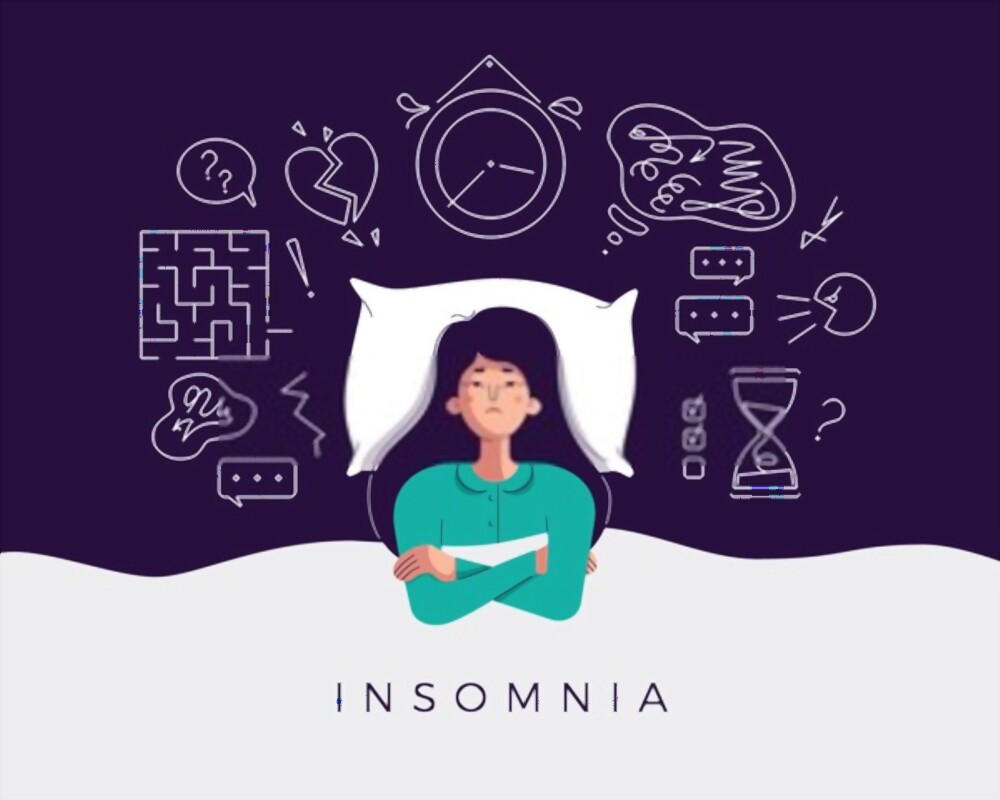

What is insomnia ?
Insomnia is one of the most common complaints in medical practice. Insomnia is characterized by difficulty with sleep quality,either initiating or maintaining sleep. This occurs in conjunction with impairments of daytime functioning. Insomnia, thus, is a public health concern. Initially it was considered only as a symptom but is now classified as a disorder under DSM. In this article, we primarily focus on insomnia, its causes and types, and ways to promote better sleep.
Prevalence –
- About 33–50% of the adult population show symptoms of insomnia.
- 10 to 15% among the general population show insomnia.
- Females more affected than men
- More common with age of >65 years, ie elderly.
Risks of chronic insomnia
- Depression
- Anxiety
- substance abuse
- suicide
- motor vehicle accidents
Factors precipitating insomnia
- work stress
- loss of loved one
- divorce/ separated individuals
- abuse
- Individual personality traits such as excess worrying
- Presence of Psychiatric comorbidities like depression, mood, and anxiety disorders
- post-traumatic stress disorder
- Alcohol and substance abuse/dependence
- excessive caffeine intake
- excessive smoking
Types of insomnia
Sleep onset
Early morning
- Difficulty in falling asleep (Sleep Onset Insomnia)
- Difficulty in maintaining the continuity of sleep (waking up in the middle of the night and difficulty in returning to sleep) or waking up too early in the morning well before the desired time. (Early Morning Insomnia).
Clinical features –
Hampered daytime functioning
waking up tired in the morning
decreased workplace productivity
proneness to errors
inability to focus
frequent daytime naps
poor quality of life.
Why does insomnia occur?
- Genetic association
- The wake promoting areas of brain have increased neuronal firing whereas the sleep promoting areas of brain show inhibition.
Types
- Chronic Insomnia Disorder
Night time sleep disturbances for at least three times a week, been occurring more than 3 months
2. Short-term Insomnia Disorder
Sleep disturbances experienced one or twice within three months.
3. Other Insomnia Disorder
Disturbances not meeting the above two criterias are classified under this category.
Subtypes of insomnia –
- Psychophysiological –
Individuals show arousal at bedtime. There is difficulty with sleeping in their home environment but sleep easily in any other environment. It is also characterised by excess worrying.
2.Idiopathic –
Sleep disturbances occurring early in childhood and may be associated with genetic variations in the sleep-wake cycle. This may last a lifelong period.
3.Paradoxical –
In this type one underestimates the total amount of sleep they obtained. They usually perceive their sleep as the time of wakefulness.
4.Inadequate Sleep Hygiene
Poor sleep hygiene shows Excessive daytime napping, evening consumption of alcohol or caffeine, watching television till late at night, working on electronic gadgets just before bedtime, etc
Way to improve sleeping habits-
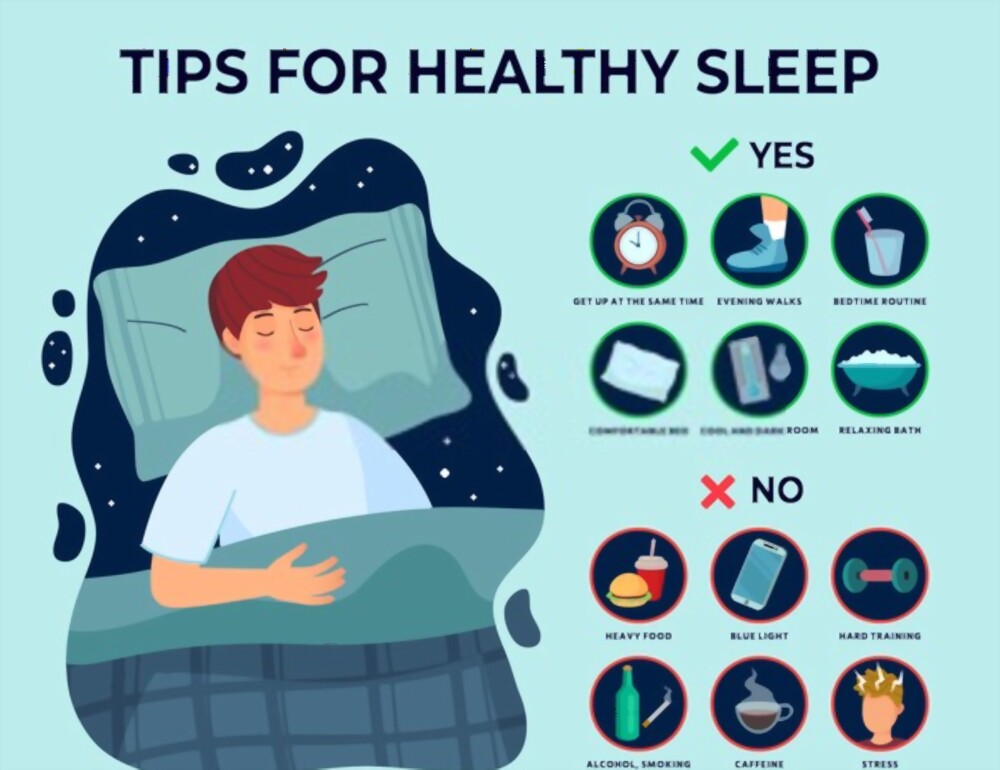
- Sleep hygiene
One should incorporate lifestyle modifications like limiting the daytime naps, avoiding late night dinner, restricting the use of electronic gadgets/smartphones during bedtime or evening intake of alcohol, caffeine, or smoking.
2. Sleep Restriction Therapy
By limiting the number of sleeping hour, consolidated sleep is achieved.. Reduced sleep time can improve the homeostatic. However this comes with limitations such as increased chance of daytime sleepiness.
3.Stimulus Control Therapy
Promoting the use of bed for sleeping and only when feeling drowsy, rather than using it for other activities such as reading, using phone, etc.
4. Relaxation Therapy
A combination of breathing exercises, meditation or yoga can help to reduce underlying anxiety and stress.
5. Develop your own personal sleep routine. Moreover, maintain a sleep diary with sleeping habits.
6. Exercise- a short activity of 40 minutes such as jogging stretching cycling is sufficient
7.Monitor food habits- Avoid food excess in sugar before bedtime. They tend to affect sleep cycle as they cause a sugar rush. Moreover, food such as brown rice, milk, which contain tryptophan assist the sleeping cycle.
8.Pharmacotherapy can be effective in many patients. However this should always be used in conjunction with sleep hygiene.
Co-morbidities linked to insomnia-
Cardiovascular
Diabetes- type 2
Asthma
Thyroid disorders
- Heart problems- Insomnia increases risk of hypertension, atherogenesis, ,myocardial infarction and reduces heart rate variability. It thus increases significant mortality and morbidity associated with cardiovascular diseases. This occurs due to dysregulation of hypothalamic- pituitary axis.
- Increased risk of diabetes- Due to increased cortisol, impaired glucose metabolism, insulin resistance, there is a high risk of developing type-2 diabetes mellitus.
- Asthma – Release of inflammatory mediators like interleukin 6 (IL-6), nuclear factor kappa-B cell Results in allergic airway inflammation. There is a reduced interferon-γ production. Therefore this reduces the airway epithelial inflammation. Thus risk of asthma increases in insomnia patients.
- Thyroid disorders- There is increased TRH (thyrotropin-releasing hormone) CRH ( corticotrophin-releasing hormone ) and cortisol. Thus this results in increased fluctuation of thyroid hormones.
Insomnia in children-
This is manifested as follows
- Frequent nighttime awakening
2. Resisting to sleep independently
3. Dependency on certain stimulations (storytelling)
4. Dependency on objects (bottle feeding, favorite toy). Thus this dependency if taken away, may lead to increased fear and anxiety among children.
Also read- https://vcurehealthcare.com/mindfulness-align-your-body-and-mind-with-exercise/


