


Hand, foot and mouth disease (HFMD) is a common viral infection in young children.
It often begins with a fever, sore throat or reduced appetite.
Painful mouth ulcers and a rash on the hands and feet may develop shortly afterwards.
Quick Answer
Hand, foot and mouth disease (HFMD) is a contagious viral infection that commonly affects young children. Early symptoms include fever, sore throat and reduced appetite, followed by painful mouth ulcers and a rash or blisters on the hands and feet.
How long does it last? Most children recover within 7 to 10 days.
What helps? Offer frequent fluids, soft foods, appropriate pain relief and plenty of rest.
Important: Seek medical attention if your child shows signs of dehydration, persistent fever, unusual drowsiness, neck stiffness, seizures or difficulty breathing.
Most children recover within 7 to 10 days without specific medical treatment.
However, mouth sores can make swallowing uncomfortable, causing children to drink less and increasing the risk of dehydration.
Parents may also worry about the rash, how easily the infection spreads and when their child can return to school.
Understanding the early symptoms, providing appropriate home care and recognizing warning signs can help children recover more comfortably.
Key Takeaways
- HFMD is a contagious viral infection that mainly affects young children.
- Early symptoms often include fever, sore throat, tiredness and reduced appetite.
- Painful mouth ulcers and a rash on the hands and feet are common signs.
- Most children recover within 7 to 10 days without specific antiviral treatment.
- Frequent fluids and soft foods help maintain hydration and reduce discomfort.
- Handwashing and cleaning shared toys and surfaces help limit the spread.
- Reduced urination, unusual drowsiness, neck stiffness or breathing difficulty need prompt medical attention.
- Physiotherapy does not treat HFMD, but recovery should allow a gradual return to comfortable movement and play.
What Is Hand, Foot and Mouth Disease?
Hand, foot and mouth disease is a contagious viral infection caused by enteroviruses.
Common causes include coxsackievirus A16, coxsackievirus A6 and enterovirus A71.
It mainly affects children under five, although older children and adults can also become infected.
The infection typically causes three main symptoms:
- Fever and general discomfort.
- Painful sores inside the mouth.
- A rash or small blisters on the hands and feet.
HFMD is usually mild and resolves on its own. Antibiotics do not treat it because the infection is caused by a virus, not bacteria.
It is also important not to confuse hand, foot and mouth disease with foot-and-mouth disease in animals. They are different infections caused by different viruses.
Humans do not catch the animal disease, and the animal disease does not cause HFMD in children. (CDC, 2024)
What Are the Early Symptoms of Hand, Foot and Mouth Disease?
Symptoms usually appear around three to six days after exposure to the virus.
The illness may develop gradually, and the characteristic rash does not always appear at the beginning.
1. Fever and sore throat
A fever is often one of the first signs. Children may also experience a sore throat, tiredness, irritability and a general feeling of being unwell.
Parents may notice that a child:
- Becomes unusually clingy or unsettled.
- Eats less than usual.
- Complains of throat discomfort.
- Sleeps more or appears less active.
- Develops a mild fever before any rash becomes visible.
Younger children may not be able to explain what hurts. Changes in appetite, sleep and behavior can therefore provide useful early clues.
2. Painful mouth sores
Small red spots may develop inside the mouth and turn into blisters or shallow ulcers. They can appear on the tongue, gums, inner cheeks and other areas of the mouth.
These sores can make eating and drinking painful. Some children may drool more than usual, refuse solid food or prefer cold drinks.
In some cases, mouth sores appear before the typical rash on the hands and feet. This can make early recognition more difficult.
3. Rash on the hands and feet
The rash commonly appears on the palms and soles. It may look like small red or darker-colored spots, slightly raised bumps or fluid-filled blisters.
Other areas may also be affected, including:
- Fingers and toes.
- Buttocks and diaper area.
- Knees and elbows.
- Arms and legs.
The rash is not always itchy. Its appearance can vary between children, and the spots may look different across skin tones. (CDC, 2024)
How Does Hand, Foot and Mouth Disease Spread?
HFMD spreads through contact with an infected person’s bodily fluids and contaminated objects. It can move quickly through households, nurseries, schools and childcare settings.
The virus can spread through:
- Saliva and respiratory secretions.
- Droplets released when an infected person coughs or sneezes.
- Fluid from skin blisters.
- Stool, particularly during diaper changes.
- Contaminated toys, utensils and frequently touched surfaces.
People are generally most contagious during the first week of illness.
However, the virus can continue to be present in stool for days or weeks after symptoms improve.
Some infected people may also spread the virus without having noticeable symptoms.
Handwashing is particularly important after changing diapers, helping a child use the toilet, wiping their nose or touching blistered skin. (CDC, 2024)
How Is Hand, Foot and Mouth Disease Diagnosed?
Doctors can usually diagnose HFMD by examining the child’s mouth, hands and feet and reviewing the symptoms.
The combination of fever, painful mouth sores and a typical rash often provides enough information. Routine blood tests are generally unnecessary in uncomplicated cases.
A doctor may recommend laboratory testing if the symptoms are unusual, the diagnosis is uncertain or a serious infection needs to be investigated.
Other illnesses can cause fever, mouth ulcers or skin rashes. These include chickenpox, other viral infections and certain inflammatory conditions.
Parents should seek medical advice rather than assume that every blistering rash is HFMD.
How Can Parents Care for a Child With Hand, Foot and Mouth Disease at Home?
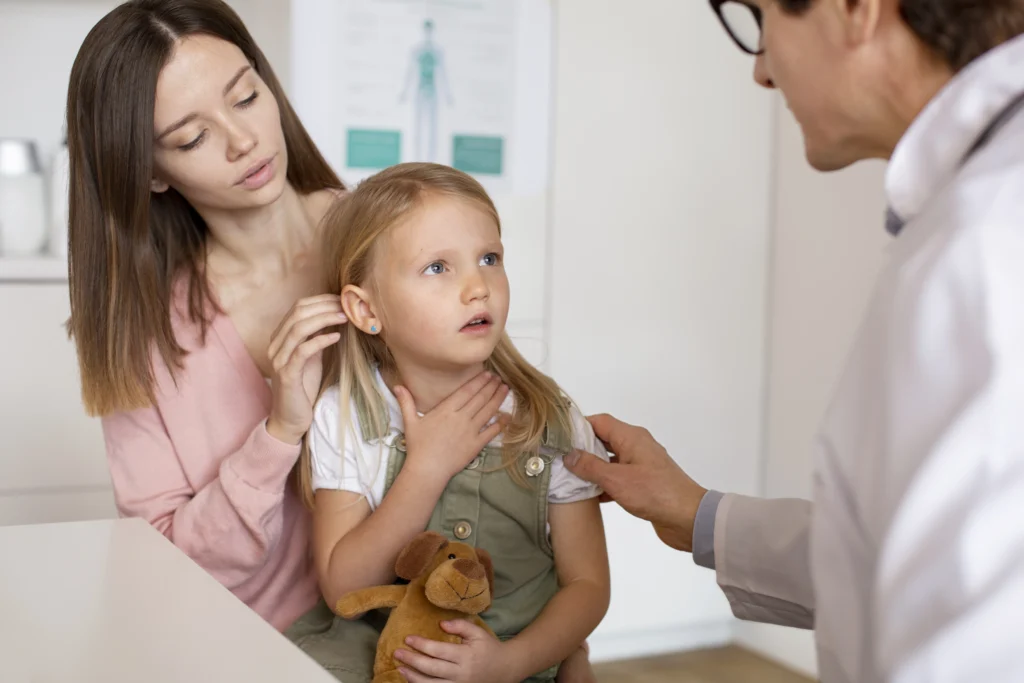
There is no specific antiviral medicine that cures ordinary HFMD.
Home care focuses on maintaining hydration, easing discomfort and allowing the child to rest.
1. Offer frequent fluids
Preventing dehydration is one of the most important parts of home care.
Mouth ulcers can make swallowing painful, so a child may refuse a full glass of water. Offer small amounts frequently instead of insisting on large drinks at once.
Suitable options may include:
- Cool water.
- Milk, if tolerated.
- Oral rehydration solution when advised or needed.
- Cold, non-acidic drinks.
- Age-appropriate ice pops, with supervision to prevent choking.
Watch how often your child urinates. Fewer wet diapers, noticeably reduced urination, a dry mouth or unusual tiredness may indicate dehydration.
If your child cannot drink enough, repeatedly vomits or shows signs of dehydration, contact a healthcare professional promptly.
2. Choose soft, soothing foods
Painful mouth ulcers can make chewing and swallowing uncomfortable.
Offer small portions of soft foods that are easy to eat, such as yoghurt, porridge, mashed vegetables, cooled soup and soft fruits.
Avoid foods that may irritate mouth sores, including:
- Citrus fruits and acidic fruit juices.
- Spicy dishes.
- Salty snacks.
- Very hot food and drinks.
- Hard or crunchy foods that may rub against ulcers.
Do not force a child to finish meals. Appetite often improves as the mouth sores heal.
Maintaining fluid intake is particularly important during the uncomfortable stage of the illness.
3. Manage fever and pain safely
Fever and mouth pain can make children irritable and interfere with sleep.
A healthcare professional or pharmacist can advise whether age-appropriate paracetamol or ibuprofen is suitable.
The dose should be based on the child’s weight, age and medical history.
Never give aspirin to a child with a viral illness unless specifically directed by a specialist.
Avoid combining medicines that contain the same active ingredient, and do not estimate doses using household spoons.
Ask a healthcare professional before using mouth ulcer gels, sprays or numbing products, as not all preparations are suitable for young children.
4. Keep the blisters clean
HFMD blisters usually heal without special treatment. Parents should keep affected skin clean and avoid squeezing, scratching or piercing the blisters.
Wash your hands after touching affected areas or helping your child with skin care.
If a blister becomes increasingly red, swollen, warm or painful, or develops pus, seek medical advice because these may be signs of a secondary skin infection.
5. Allow enough rest
Children may feel tired, uncomfortable or less interested in playing during the illness. Provide a comfortable environment and allow extra rest.
Quiet activities, such as reading, drawing or gentle play, may be more suitable while the child has a fever or painful blisters.
There is no need to force bed rest throughout the illness, but normal activity should depend on how the child feels. (NHS, 2024)
Hand, Foot and Mouth Disease: Myths vs Facts
Myth: HFMD is caused by poor hygiene.
Fact: HFMD is caused by enteroviruses. Good hygiene helps reduce transmission, but infection can occur even in clean environments.
Myth: Every child develops the same rash.
Fact: The rash varies. Some children develop obvious blisters, while others have fewer or less noticeable spots.
Myth: Antibiotics cure hand, foot and mouth disease.
Fact: HFMD is caused by viruses, so antibiotics do not treat the infection itself.
Myth: Children should stop drinking if mouth ulcers hurt.
Fact: Fluids are especially important. Offer small, frequent amounts of cool drinks to help prevent dehydration.
Myth: A child must wait until every blister disappears before returning to school.
Fact: Return is generally possible when the child is fever-free, feels well enough to participate and has no uncontrolled drooling. Local school and outbreak rules should also be followed.
Myth: Physiotherapy can cure HFMD.
Fact: Physiotherapy does not treat the virus. Most children recover with supportive care, although persistent movement difficulties may need medical assessment.
How Long Does Hand, Foot and Mouth Disease Last?
Most children recover within 7 to 10 days. Fever and general discomfort often improve before the mouth sores and skin rash have completely disappeared.
The rash usually settles gradually. Some children may experience peeling skin as the affected areas heal.
Occasionally, changes to fingernails or toenails have been reported several weeks after HFMD.
If a nail becomes loose or sheds, it is worth discussing with a healthcare professional.
Nail changes are not a typical feature of the illness, and the relationship with HFMD is not fully established.
Seek medical advice if symptoms worsen, the fever lasts longer than three days, the child is not improving after 7 to 10 days or new concerning symptoms develop.
What Are the Warning Signs That Need Medical Attention?
Although most children recover without complications, parents should monitor their child’s fluid intake, behaviour and general condition.
Signs of dehydration
Contact a healthcare professional if your child:
- Passes urine much less often than usual.
- Has fewer wet diapers.
- Has a dry mouth or tongue.
- Has no tears when crying.
- Refuses most fluids.
- Appears unusually tired or weak.
Signs of possible serious illness
Seek urgent medical assessment if your child develops:
- Persistent or very high fever.
- Severe headache or neck stiffness.
- Repeated vomiting.
- Unusual drowsiness or difficulty waking.
- Confusion or abnormal behavior.
- Difficulty breathing.
- Seizures or unusual jerking movements.
- New weakness or difficulty walking.
Rarely, enterovirus infections can affect the nervous system and cause serious complications. These symptoms should not be assumed to be part of an ordinary HFMD recovery.
Babies, particularly those younger than six months, and children with weakened immune systems may need earlier medical assessment.
How Can Parents Prevent Hand, Foot and Mouth Disease From Spreading?
Good hygiene can reduce transmission, although it cannot prevent every infection.
Practical steps include:
- Wash hands with soap and water for at least 20 seconds.
- Help children wash their hands before meals and after using the toilet.
- Wash hands carefully after every diaper change.
- Clean and disinfect frequently touched surfaces and shared toys.
- Avoid sharing cups, plates, spoons and towels.
- Wash soiled clothing and bedding appropriately.
- Teach children to cover coughs and sneezes.
- Avoid close contact, such as kissing or sharing utensils, while someone is unwell.
Continue careful hand hygiene after visible symptoms improve because the virus may remain in stool for some time.
When Can a Child Return to School or Daycare?
A child should stay home if they have a fever, feel too unwell to participate in normal activities or have uncontrolled drooling because of painful mouth sores.
In general, children can return when they are fever-free, feel well enough to take part in normal activities and do not have uncontrolled drooling.
It is not usually necessary to wait until every blister has healed. (CDC, 2024)
However, schools, childcare centers and local health authorities may have specific rules during an outbreak.
Parents should follow the advice of their child’s healthcare professional and the school. (NHS, 2024)
Can Hand, Foot and Mouth Disease Affect a Child’s Movement and Physical Activity?
Yes.
Although HFMD is not a musculoskeletal condition, its symptoms can temporarily affect a child’s movement and participation in everyday activities.
For example:
- Blisters on the soles may make walking or standing uncomfortable.
- Lesions on the palms may make crawling, climbing or holding toys unpleasant.
- Fever and tiredness may reduce the child’s interest in active play.
- Poor sleep and reduced food intake may temporarily affect energy levels.
During the acute illness, parents should priorities hydration, rest and comfort rather than encouraging exercise or structured physical activity.
As the fever settles and the child feels better, normal play and movement can gradually resume according to comfort. There is no need for a formal exercise program for uncomplicated HFMD.
Does Pediatric Physiotherapy Help With Hand, Foot and Mouth Disease?
Pediatric physiotherapy does not treat the virus, mouth ulcers or skin blisters. Most children do not need physiotherapy to recover from HFMD.
The physiotherapy connection is mainly about maintaining comfortable participation in everyday movement and play during recovery.
If a child continues to have weakness, difficulty walking or unusual movement changes after the acute illness, parents should seek medical assessment before assuming these problems are due to reduced activity.
Physiotherapy may be considered if a separate movement or functional problem is identified and a clinician recommends it.
Final Thoughts
Hand, foot and mouth disease can be uncomfortable for children, particularly when mouth ulcers make eating and drinking difficult. However, most children recover within a week or so with simple supportive care.
Parents can make recovery easier by offering frequent fluids, choosing soft foods, managing discomfort safely and allowing enough rest. Good hand hygiene also helps protect other children and family members.
Remember: Watch for reduced urination, unusual drowsiness, persistent fever or other concerning symptoms. Early medical advice can help prevent complications and ensure your child receives the care they need.
Conclusion
Hand, foot and mouth disease is a common childhood viral infection that usually resolves within 7 to 10 days.
Early symptoms may include fever, sore throat and reduced appetite, followed by painful mouth ulcers and a rash on the hands and feet.
Most children can recover at home with frequent fluids, soft foods, appropriate pain relief and rest.
Parents should pay particular attention to dehydration because mouth pain can make drinking difficult.
Good hand hygiene and cleaning shared surfaces can help limit the spread of infection.
Although serious complications are uncommon, persistent fever, repeated vomiting, unusual drowsiness, neck stiffness or difficulty breathing require prompt medical attention.
With appropriate supportive care and observation, most children gradually return to their usual activities as they recover.
Frequently Asked Questions
1. What are the first signs of hand, foot and mouth disease?
Early symptoms usually include fever, sore throat, tiredness and reduced appetite. Painful mouth sores and a rash on the hands and feet may appear afterwards.
2. How long does hand, foot and mouth disease last?
Most children recover within 7 to 10 days. Fever and discomfort usually improve first, while mouth sores and skin lesions gradually heal.
3. Is hand, foot and mouth disease contagious?
Yes. It spreads through saliva, respiratory secretions, blister fluid, stool and contaminated objects. Good hand hygiene and surface cleaning help reduce transmission.
4. What foods should a child eat during HFMD?
Soft foods such as yoghurt, porridge, mashed vegetables and cooled soup may be easier to swallow. Avoid spicy, salty, acidic, very hot and crunchy foods that can irritate mouth ulcers.
5. How can parents prevent dehydration during HFMD?
Offer small, frequent amounts of cool fluids and monitor urination. Reduced wet diapers, a dry mouth, fewer tears or unusual tiredness can indicate dehydration and need medical attention.
6. Can a child get hand, foot and mouth disease more than once?
Yes. Different enteroviruses can cause HFMD, so a child can develop the infection more than once. Having it previously does not provide protection against every virus that causes the disease.
7. When can a child return to school after HFMD?
A child can generally return when they have no fever, feel well enough to participate and do not have uncontrolled drooling from mouth sores. Follow local school and outbreak-related guidance.
8. Does physiotherapy help children recover from HFMD?
Physiotherapy does not treat the viral infection. Most children do not need physiotherapy, but persistent weakness or movement difficulties should be medically assessed.
Stay tuned with us for more health related topics.
Follow us on LinkedIn and Instagram for more.
More Read


Medical Disclaimer
This article is intended for general educational and informational purposes only. It does not replace professional medical advice, diagnosis or treatment for hand, foot and mouth disease or any other childhood illness.
Every child may experience symptoms differently. Parents should consult a qualified healthcare professional if they are concerned about their child’s symptoms, fluid intake, fever or recovery. Do not start, stop or change medicines without appropriate medical advice.
Seek urgent medical attention if a child develops difficulty breathing, seizures, severe drowsiness, neck stiffness or other signs of serious illness.


