Polycystic Ovary Syndrome (PCOS) is one of the most common hormonal disorders affecting women of reproductive age.
While many people associate PCOS with irregular periods, infertility, acne, and excess facial hair, it is also closely linked to several metabolic health problems.
One of the most significant of these is metabolic syndrome, a group of conditions that substantially increases the risk of type 2 diabetes, heart disease, and stroke.
Quick Answer
Women with Polycystic Ovary Syndrome (PCOS) are more likely to develop metabolic syndrome, a group of conditions that includes abdominal obesity, insulin resistance, high blood pressure, abnormal cholesterol levels, and elevated blood sugar. Together, these conditions increase the risk of type 2 diabetes, heart disease, and stroke. Fortunately, early diagnosis, healthy lifestyle changes, regular exercise, weight management, and appropriate medical care can significantly reduce these long-term health risks.
Research has shown that women with PCOS are more likely to develop metabolic syndrome than women without PCOS, even at a young age.
This increased risk is largely due to insulin resistance, excess abdominal fat, chronic low-grade inflammation, and hormonal imbalances that frequently accompany the condition.
The good news is that metabolic syndrome is often preventable and manageable.
Early diagnosis, healthy eating, regular physical activity, weight management, and appropriate medical treatment can significantly reduce long-term health risks and improve overall quality of life.
Understanding the relationship between PCOS and metabolic syndrome empowers women to take proactive steps toward protecting both their reproductive and cardiovascular health. (Sangaraju et al. 2022)
Key Takeaways
- Women with PCOS have a higher risk of developing metabolic syndrome.
- Insulin resistance is one of the main factors connecting PCOS and metabolic syndrome.
- Metabolic syndrome includes abdominal obesity, high blood pressure, abnormal cholesterol levels, elevated blood sugar, and high triglycerides.
- Untreated metabolic syndrome increases the risk of type 2 diabetes, heart disease, stroke, and fatty liver disease.
- Regular screening helps detect metabolic abnormalities before complications develop.
- Healthy eating, regular exercise, and weight management are the foundation of treatment.
- Medications may be required to manage blood sugar, cholesterol, or blood pressure in some women.
- Early lifestyle intervention can significantly improve long-term health outcomes.
What Is Metabolic Syndrome?
Metabolic syndrome is not a single disease.
Instead, it is a group of interconnected metabolic abnormalities that occur together, increasing the likelihood of developing serious health conditions.
A person is generally considered to have metabolic syndrome when several of the following conditions occur together:
- Increased waist circumference (abdominal obesity)
- Elevated blood pressure
- High blood sugar levels
- High triglyceride levels
- Low levels of high-density lipoprotein (HDL) cholesterol, often called “good cholesterol”
These abnormalities place extra stress on the heart, blood vessels, pancreas, and other organs, increasing the risk of:
- Type 2 diabetes
- Cardiovascular disease
- Stroke
- Fatty liver disease
- Chronic kidney disease
Metabolic syndrome often develops gradually over many years, and many individuals may not experience noticeable symptoms until complications arise.
What Is the Relationship Between PCOS and Metabolic Syndrome?
Women with PCOS have a significantly higher risk of developing metabolic syndrome compared with women without PCOS.
The connection exists because both conditions share several underlying mechanisms, particularly:
- Insulin resistance
- Obesity, especially abdominal obesity
- Chronic low-grade inflammation
- Hormonal imbalance
- Altered lipid metabolism
Insulin resistance is considered one of the most important links between the two conditions.
When the body’s cells become less responsive to insulin, the pancreas compensates by producing more insulin.
High insulin levels not only affect blood sugar regulation but also contribute to increased androgen production, worsening many symptoms of PCOS while increasing cardiovascular and metabolic risk.
Although metabolic syndrome is more common in women with overweight or obesity,
women with a normal Body Mass Index (BMI) can also develop metabolic abnormalities, highlighting the importance of regular health screening. (Chen et al. 2021)
Why Are Women with PCOS at Higher Risk?
Several biological factors contribute to the increased risk of metabolic syndrome in women with PCOS.
These include:
- Insulin resistance, which affects glucose metabolism and promotes higher insulin levels.
- Excess androgen production, which may worsen insulin resistance and influence fat distribution.
- Abdominal obesity, particularly increased visceral fat around internal organs.
- Chronic low-grade inflammation, which contributes to cardiovascular disease and metabolic dysfunction.
- Genetic predisposition, as both PCOS and metabolic syndrome often run in families.
- Sedentary lifestyle, which can worsen insulin resistance and weight gain.
These factors often interact with one another, creating a cycle in which hormonal imbalance and metabolic abnormalities reinforce each other.
However, early lifestyle interventions and appropriate medical treatment can interrupt this cycle and reduce future health risks.
Components of Metabolic Syndrome
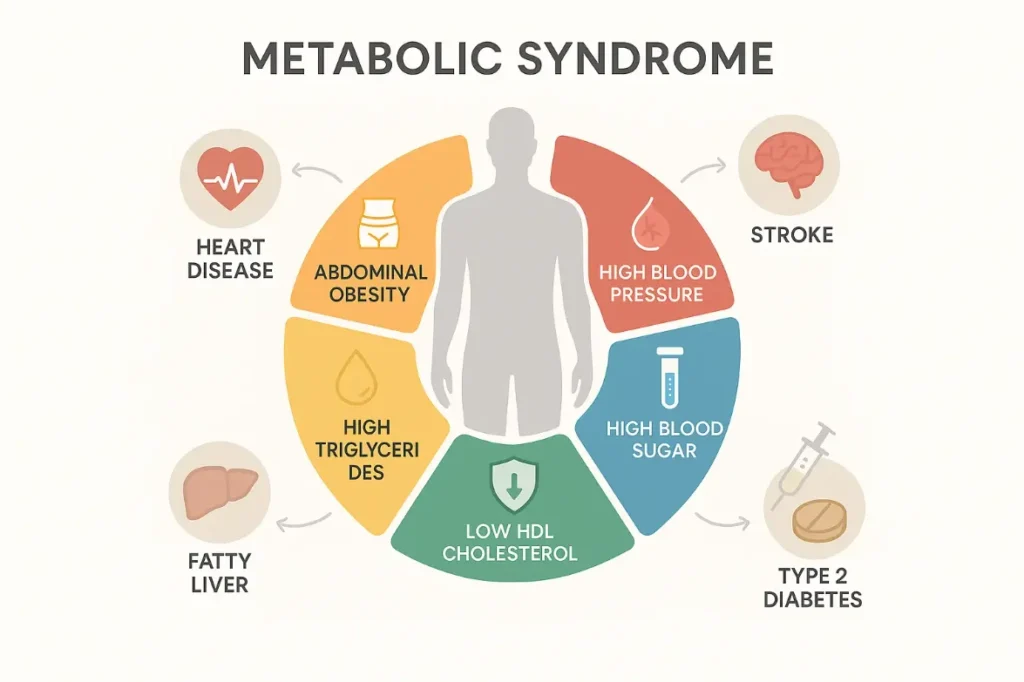
Metabolic syndrome is diagnosed based on the presence of several specific metabolic risk factors.
Understanding these components helps women with PCOS recognize why regular health monitoring is important.
Abdominal Obesity
Abdominal obesity refers to the accumulation of excess fat around the waist rather than overall body weight alone.
Compared with fat stored elsewhere in the body, excess abdominal fat is more strongly associated with:
- Insulin resistance
- Type 2 diabetes
- Cardiovascular disease
- Chronic inflammation
Many women with PCOS tend to accumulate fat around the abdomen, even if their overall weight is only moderately increased.
Insulin Resistance
Insulin resistance occurs when body cells do not respond effectively to insulin.
As a result:
- The pancreas produces more insulin.
- Blood sugar regulation becomes less efficient.
- Fat storage increases.
- Androgen production may increase.
- The risk of developing type 2 diabetes rises.
Insulin resistance is considered one of the central features linking PCOS with metabolic syndrome.
High Blood Pressure
High blood pressure (hypertension) means that blood flows through the arteries with greater force than normal.
Persistent hypertension increases the risk of:
- Heart disease
- Stroke
- Kidney disease
- Blood vessel damage
Women with PCOS and metabolic syndrome should have their blood pressure monitored regularly, even if they feel well.
High Triglycerides
Triglycerides are a type of fat found in the bloodstream.
High triglyceride levels may result from:
- Insulin resistance
- Obesity
- Physical inactivity
- Diets high in refined carbohydrates and added sugars
Elevated triglycerides contribute to plaque formation within arteries and increase cardiovascular risk.
Low HDL (“Good”) Cholesterol
High-density lipoprotein (HDL) cholesterol helps remove excess cholesterol from the bloodstream and transport it to the liver for elimination.
Low HDL cholesterol reduces this protective effect, increasing the likelihood of:
- Atherosclerosis
- Heart attack
- Stroke
Women with metabolic syndrome often have lower HDL cholesterol together with elevated triglycerides, creating an unfavorable lipid profile. (Diaz et al. 2025)
Who Is Most at Risk?
Although every woman with PCOS should be aware of metabolic health, certain factors further increase the likelihood of developing metabolic syndrome.
Women at higher risk include those with:
- Overweight or obesity, particularly abdominal obesity
- Long-standing insulin resistance
- Prediabetes or type 2 diabetes
- Family history of diabetes or cardiovascular disease
- Sedentary lifestyle
- Unhealthy dietary habits
- Hypertension
- Elevated triglycerides
- Low HDL cholesterol
- Increasing age
- Smoking
Importantly, metabolic syndrome can also occur in women with PCOS who have a normal BMI, particularly if they have insulin resistance or a strong family history of metabolic disease.
Therefore, regular screening for blood pressure, blood glucose, cholesterol levels, and waist circumference is recommended regardless of body weight.
Signs and Symptoms of Metabolic Syndrome
Metabolic syndrome often develops gradually and may not cause noticeable symptoms in its early stages.
Many women with Polycystic Ovary Syndrome (PCOS) discover they have metabolic syndrome only after routine health screening or investigations for irregular periods, infertility, or weight gain.
Because several components of metabolic syndrome can remain silent for years, regular medical check-ups are essential for early detection and prevention of complications.
Some women may experience:
- Increased waist circumference
- Difficulty losing weight
- Persistent fatigue
- Elevated blood pressure
- Dark, velvety skin patches (acanthosis nigricans)
- Frequent hunger or sugar cravings
- Elevated blood sugar levels
- Abnormal cholesterol levels
However, many individuals have no symptoms at all, making routine screening particularly important.
How Is Metabolic Syndrome Diagnosed?
There is no single test that diagnoses metabolic syndrome.
Instead, healthcare providers evaluate several metabolic risk factors together.
Diagnosis generally involves a combination of:
- Medical history
- Physical examination
- Waist circumference measurement
- Blood pressure assessment
- Blood glucose testing
- Lipid profile
Women with PCOS are encouraged to undergo regular metabolic screening, particularly if they have obesity, insulin resistance, or a family history of diabetes or cardiovascular disease.
Medical History
Your healthcare provider will begin by discussing your overall health and medical history.
Questions may include:
- Menstrual cycle regularity
- Previous diagnosis of PCOS
- Weight changes
- Family history of diabetes
- Family history of heart disease
- Previous gestational diabetes
- Physical activity level
- Dietary habits
- Smoking status
- Current medications
This information helps identify both reproductive and metabolic risk factors.
Physical Examination
A physical examination helps identify visible signs of metabolic abnormalities.
Your healthcare provider may assess:
- Body Mass Index (BMI)
- Waist circumference
- Blood pressure
- Heart rate
- Signs of insulin resistance
- Acanthosis nigricans
- Excess facial hair
- Acne
- Overall cardiovascular health
These findings are considered alongside laboratory results.
Waist Circumference
Unlike overall body weight, waist circumference measures abdominal fat, which is strongly associated with metabolic syndrome.
Excess fat around the abdomen increases the risk of:
- Insulin resistance
- Type 2 diabetes
- Heart disease
- Stroke
Waist circumference is therefore considered an important indicator of metabolic health, even in women whose BMI falls within the normal range.
Blood Pressure Measurement
Blood pressure is measured during routine clinical assessment.
Persistently elevated blood pressure increases the risk of:
- Heart attack
- Stroke
- Kidney disease
- Blood vessel damage
Because hypertension often develops without symptoms, regular monitoring is essential.
Blood Glucose Tests
Blood sugar testing helps identify insulin resistance, prediabetes, or diabetes.
Common investigations include:
- Fasting blood glucose
- HbA1c (glycated hemoglobin)
- Oral Glucose Tolerance Test (OGTT), when indicated
These tests help detect abnormalities before diabetes develops.
Lipid Profile
A lipid profile measures the levels of fats in the bloodstream.
The test typically includes:
- Total cholesterol
- HDL (“good”) cholesterol
- LDL (“bad”) cholesterol
- Triglycerides
Women with metabolic syndrome often have:
- Elevated triglycerides
- Reduced HDL cholesterol
These abnormalities increase long-term cardiovascular risk. (Swarup et al. 2024)
Long-Term Health Risks
If metabolic syndrome is left untreated, it can significantly increase the risk of several chronic diseases.
Early diagnosis and treatment can substantially reduce these risks.
Type 2 Diabetes
Insulin resistance is one of the strongest predictors of type 2 diabetes.
Over time:
- Blood sugar levels increase.
- The pancreas becomes less able to compensate.
- Diabetes may develop.
Women with PCOS should undergo regular diabetes screening because early treatment improves long-term outcomes.
Heart Disease
Metabolic syndrome increases the likelihood of developing cardiovascular disease by promoting:
- High blood pressure
- Abnormal cholesterol levels
- Chronic inflammation
- Damage to blood vessels
These changes increase the risk of coronary artery disease and heart attack later in life.
Stroke
Stroke occurs when blood flow to part of the brain is interrupted.
Metabolic syndrome contributes to stroke risk through:
- Hypertension
- Atherosclerosis
- Diabetes
- Elevated triglycerides
Managing these risk factors significantly reduces future stroke risk.
Non-Alcoholic Fatty Liver Disease (NAFLD)
Many women with PCOS and metabolic syndrome develop non-alcoholic fatty liver disease (NAFLD), a condition in which excess fat accumulates within the liver.
Although early stages may not cause symptoms, untreated NAFLD can progress to:
- Liver inflammation
- Liver fibrosis
- Cirrhosis
- Liver failure in severe cases
Healthy lifestyle changes remain the cornerstone of prevention and treatment.
Obstructive Sleep Apnea
Women with obesity and metabolic syndrome have a higher risk of obstructive sleep apnea, a disorder characterized by repeated interruptions in breathing during sleep.
Symptoms may include:
- Loud snoring
- Excessive daytime sleepiness
- Morning headaches
- Poor concentration
Untreated sleep apnea increases cardiovascular risk and can worsen insulin resistance. (American Heart Association)
Role of Physiotherapy and Lifestyle Management
Physiotherapy plays an important role in managing metabolic syndrome by improving physical fitness, supporting weight management, and reducing cardiovascular risk.
Although physiotherapy does not directly treat PCOS, it helps address many of the metabolic abnormalities associated with the condition.
Improving Insulin Sensitivity
Regular exercise increases the body’s sensitivity to insulin, allowing glucose to move more efficiently into body cells.
Improved insulin sensitivity helps:
- Lower blood sugar levels
- Reduce circulating insulin
- Improve metabolic health
- Reduce the risk of type 2 diabetes
Supporting Healthy Weight Management
Exercise contributes to gradual and sustainable weight loss while helping preserve lean muscle mass.
Even modest weight reduction may:
- Improve blood pressure
- Lower triglycerides
- Increase HDL cholesterol
- Improve menstrual regularity
- Reduce abdominal fat
Individualized Exercise Programs
A physiotherapist can design an exercise program based on individual fitness levels and health conditions.
Recommended activities include:
- Brisk walking
- Cycling
- Swimming
- Resistance training
- Yoga
- Pilates
- Functional strength exercises
Combining aerobic exercise with resistance training provides the greatest metabolic benefits.
Improving Cardiovascular Fitness
Regular physical activity strengthens the heart and improves circulation.
Benefits include:
- Lower resting blood pressure
- Improved endurance
- Better cholesterol profile
- Reduced cardiovascular risk
Supporting Mental Well-being
Living with PCOS and metabolic syndrome can affect emotional health.
Exercise has been shown to:
- Reduce stress
- Improve mood
- Decrease anxiety
- Improve sleep quality
- Enhance overall quality of life
These psychological benefits often improve long-term adherence to healthy lifestyle habits.
Treatment Options
Managing metabolic syndrome in women with Polycystic Ovary Syndrome (PCOS) focuses on reducing long-term health risks rather than treating a single condition.
Since metabolic syndrome involves multiple factors such as insulin resistance, obesity, abnormal cholesterol, high blood pressure, and elevated blood sugar, treatment usually combines lifestyle modifications with medical management when necessary.
Early intervention can significantly lower the risk of type 2 diabetes, cardiovascular disease, and other complications.
Weight Management
Achieving and maintaining a healthy weight is one of the most effective ways to improve metabolic syndrome.
Even a modest 5-10% reduction in body weight can help:
- Improve insulin sensitivity
- Reduce abdominal fat
- Lower blood pressure
- Improve cholesterol levels
- Improve ovulation and menstrual regularity
- Reduce cardiovascular risk
Weight loss should be gradual and sustainable through healthy eating and regular physical activity rather than extreme dieting.
Healthy Diet
A balanced, nutrient-rich diet plays a central role in managing metabolic syndrome.
Women with PCOS are encouraged to eat:
- Whole grains
- Fresh fruits
- Non-starchy vegetables
- Lean protein
- Legumes
- Nuts and seeds
- Healthy fats such as olive oil and avocados
- High-fiber foods
Limiting the following may help improve metabolic health:
- Sugary drinks
- Refined carbohydrates
- Highly processed foods
- Excess saturated fats
- Trans fats
Eating regular meals and controlling portion sizes also supports healthy blood sugar regulation.
Regular Exercise
Exercise is one of the most effective non-pharmacological treatments for metabolic syndrome.
Current recommendations include:
- At least 150 minutes of moderate-intensity aerobic exercise per week
- Muscle-strengthening exercises on two or more days each week
Examples include:
- Brisk walking
- Cycling
- Swimming
- Jogging
- Resistance training
- Yoga
- Pilates
Regular exercise improves:
- Insulin sensitivity
- Blood pressure
- Cholesterol levels
- Body composition
- Cardiovascular fitness
Medications
Lifestyle changes remain the foundation of treatment, but some women may require medications to control individual components of metabolic syndrome.
Depending on the clinical situation, healthcare providers may prescribe:
- Metformin to improve insulin sensitivity
- Medications to lower blood glucose if diabetes develops
- Cholesterol-lowering medications (such as statins) when indicated
- Blood pressure medications
- Hormonal therapy to help manage PCOS symptoms and menstrual irregularities
Medication plans should always be individualized based on age, overall health, and future pregnancy plans.
Blood Pressure Management
Controlling blood pressure is essential for reducing cardiovascular risk.
Recommendations include:
- Reducing dietary sodium
- Maintaining a healthy weight
- Exercising regularly
- Limiting alcohol consumption
- Taking prescribed antihypertensive medications when necessary
Regular blood pressure monitoring allows early detection of hypertension before complications develop.
Cholesterol Management
Abnormal cholesterol levels increase the risk of atherosclerosis and cardiovascular disease.
Improving cholesterol levels involves:
- Increasing physical activity
- Eating more fiber-rich foods
- Choosing healthy fats
- Reducing saturated and trans fats
- Taking lipid-lowering medications if recommended by a healthcare provider
Regular lipid profile testing helps monitor treatment effectiveness.
Lifestyle Tips to Reduce Risk
Healthy daily habits are the cornerstone of preventing and managing metabolic syndrome.
Maintain a Healthy Body Weight
Maintaining a healthy weight reduces abdominal fat, improves insulin sensitivity, and lowers cardiovascular risk.
Stay Physically Active
Avoid prolonged sitting and include regular movement throughout the day in addition to structured exercise.
Follow a Balanced Diet
Choose whole, minimally processed foods while limiting added sugars, refined carbohydrates, and unhealthy fats.
Get Enough Sleep
Aim for 7-9 hours of quality sleep every night.
Poor sleep has been linked to:
- Weight gain
- Insulin resistance
- Increased appetite
- Higher cardiovascular risk
Manage Stress
Long-term stress may negatively affect hormone levels and metabolic health.
Helpful stress-management strategies include:
- Meditation
- Deep breathing exercises
- Yoga
- Spending time outdoors
- Mindfulness practices
Attend Regular Health Check-ups
Routine monitoring should include:
- Blood pressure
- Waist circumference
- Blood glucose
- HbA1c
- Lipid profile
- Weight
- Body Mass Index (BMI)
Regular screening allows early treatment before complications occur.
Common Mistakes to Avoid
Many women unknowingly increase their metabolic risk through avoidable habits.
Common mistakes include:
- Assuming PCOS only affects fertility
- Ignoring regular metabolic screening
- Following crash diets
- Remaining physically inactive
- Stopping medications without medical advice
- Ignoring elevated blood pressure or cholesterol
- Delaying treatment for insulin resistance
- Believing normal body weight completely eliminates metabolic risk
⚠ Myth vs Fact
| Myth | Fact |
|---|---|
| Only overweight women with PCOS develop metabolic syndrome. | Women with a normal BMI can also develop metabolic syndrome due to insulin resistance and other metabolic abnormalities. |
| Metabolic syndrome only affects blood sugar. | It involves multiple factors including blood pressure, cholesterol, triglycerides, abdominal obesity, and insulin resistance. |
| Young women with PCOS don’t need metabolic screening. | Metabolic abnormalities can develop early in life, making regular screening important regardless of age. |
| Exercise only helps with weight loss. | Exercise improves insulin sensitivity, heart health, blood pressure, and cholesterol even with modest weight changes. |
| Metabolic syndrome cannot be reversed. | Many components of metabolic syndrome improve significantly through lifestyle changes and appropriate medical treatment. |
Myths About PCOS and Metabolic Syndrome
Myth 1: Only overweight women with PCOS develop metabolic syndrome.
Fact: Women with a normal BMI can also develop insulin resistance and metabolic syndrome, particularly if they have a family history or other metabolic risk factors.
Myth 2: Metabolic syndrome only affects older adults.
Fact: Women with PCOS may develop metabolic abnormalities in their teens or twenties, making early screening important.
Myth 3: If blood sugar is normal, there is no metabolic risk.
Fact: Metabolic syndrome also involves blood pressure, cholesterol, abdominal obesity, and insulin resistance, not just blood glucose.
Myth 4: Exercise only helps with weight loss.
Fact: Regular exercise improves insulin sensitivity, lowers blood pressure, improves cholesterol levels, and supports heart health, even when body weight changes are modest.
Myth 5: Metabolic syndrome cannot be reversed.
Fact: In many cases, healthy lifestyle changes, weight management, and appropriate medical treatment can significantly improve or even reverse many components of metabolic syndrome.
Final Thoughts
Polycystic Ovary Syndrome (PCOS) and metabolic syndrome are closely connected, largely through insulin resistance and hormonal imbalance. Although metabolic syndrome increases the risk of type 2 diabetes, heart disease, and stroke, these complications are not inevitable. Early diagnosis, regular health screening, a balanced diet, consistent physical activity, healthy weight management, and appropriate medical treatment can greatly improve metabolic health and reduce long-term risks. Taking proactive steps today can help protect your reproductive, cardiovascular, and overall well-being for years to come.
Conclusion
Metabolic syndrome is one of the most important long-term health concerns associated with Polycystic Ovary Syndrome (PCOS).
Because insulin resistance, abdominal obesity, abnormal cholesterol levels, elevated blood pressure, and high blood sugar often occur together, women with PCOS have a greater risk of developing type 2 diabetes and cardiovascular disease.
The encouraging news is that early detection and comprehensive management can make a substantial difference.
Regular health screening, healthy eating, consistent physical activity, weight management, and appropriate medical care help reduce metabolic risk while improving both reproductive and overall health.
Taking proactive steps today can support healthier outcomes in the future. (Olatokunbo Osibogun et al. 2020)
Frequently Asked Questions (FAQs)
1. What is metabolic syndrome?
Metabolic syndrome is a group of conditions that includes abdominal obesity, insulin resistance, high blood pressure, abnormal cholesterol levels, and elevated blood sugar, increasing the risk of heart disease and diabetes.
2. Why are women with PCOS more likely to develop metabolic syndrome?
PCOS is closely linked to insulin resistance, hormonal imbalance, and abdominal obesity, all of which contribute to metabolic syndrome.
3. Can women with a normal BMI develop metabolic syndrome?
Yes. Even women with a normal BMI may develop metabolic syndrome if they have insulin resistance or other metabolic abnormalities.
4. How is metabolic syndrome diagnosed?
Diagnosis is based on a combination of waist circumference, blood pressure, blood sugar levels, triglycerides, and HDL cholesterol.
5. Can metabolic syndrome be prevented?
Healthy eating, regular exercise, weight management, and routine health screening can greatly reduce the risk.
6. Does treating PCOS improve metabolic syndrome?
Managing PCOS through lifestyle changes and appropriate medical treatment often improves insulin resistance and several components of metabolic syndrome.
Stay tuned with us for more health related topics.
Follow us on LinkedIn and Instagram for more.
More Read


Medical Disclaimer!
This article has been reviewed and written under the guidance of our Head Physiotherapist, Dr. Kruti Raj (PT, MUHS,CPT,CMPT). The information shared is intended for educational purposes only and should not be considered a substitute for personalized medical advice, diagnosis, or treatment.
Please consult us or any other qualified healthcare professional before beginning any exercise program, especially if you are experiencing pain, recovering from injury, or managing a medical condition.
SEO Title (60 Characters)
PCOS and Metabolic Syndrome: Risks, Symptoms & Treatment
SEO URL
Alternative SEO URLs
- /metabolic-syndrome-pcos
- /pcos-insulin-resistance-metabolic-syndrome
- /pcos-cardiovascular-risk
- /pcos-metabolic-health
- /metabolic-complications-of-pcos
Meta Description (155 Characters)
Learn how PCOS is linked to metabolic syndrome, its symptoms, diagnosis, health risks, and effective lifestyle and medical treatments to improve metabolic health.
10 High-CTR SEO Meta Titles
- PCOS and Metabolic Syndrome: Risks, Symptoms & Treatment
- How PCOS Increases the Risk of Metabolic Syndrome
- PCOS and Metabolic Syndrome: What Every Woman Should Know
- Can PCOS Cause Metabolic Syndrome? Expert Guide
- Metabolic Syndrome in Women with PCOS Explained
- PCOS, Insulin Resistance & Metabolic Syndrome
- Understanding Metabolic Syndrome in PCOS
- PCOS and Metabolic Health: Symptoms & Prevention
- Managing Metabolic Syndrome with PCOS
- PCOS and Heart Health: The Link to Metabolic Syndrome
Recommended SEO Title
PCOS and Metabolic Syndrome: Risks, Symptoms & Treatment
Focus Keyword
PCOS and Metabolic Syndrome
Primary Keyword
- PCOS and Metabolic Syndrome
Secondary Keywords
- Metabolic syndrome PCOS
- PCOS insulin resistance
- PCOS metabolic health
- PCOS obesity
- PCOS cardiovascular risk
- Metabolic complications of PCOS
- PCOS blood sugar
- PCOS cholesterol
- PCOS blood pressure
- PCOS diabetes risk
Long-Tail Keywords
- What is metabolic syndrome in PCOS
- Why does PCOS cause metabolic syndrome
- How to manage metabolic syndrome with PCOS
- Can PCOS increase diabetes risk
- PCOS and cardiovascular disease risk
- Best diet for metabolic syndrome and PCOS
- Exercise for women with PCOS and metabolic syndrome
- Symptoms of metabolic syndrome in PCOS
- How is metabolic syndrome diagnosed in women with PCOS
- Can metabolic syndrome be reversed in PCOS
LSI Keywords
- insulin resistance
- abdominal obesity
- visceral fat
- waist circumference
- hypertension
- high blood pressure
- triglycerides
- HDL cholesterol
- type 2 diabetes
- cardiovascular disease
- metabolic health
- chronic inflammation
- fatty liver disease
- blood glucose
- lipid profile
Search Intent
Informational
Users want to understand what metabolic syndrome is, why it is common in women with PCOS, how it is diagnosed, the associated long-term health risks, and the most effective treatment and prevention strategies.
Target Audience
- Women diagnosed with PCOS
- Women with insulin resistance or obesity
- Women at risk of diabetes or heart disease
- Individuals seeking evidence-based PCOS management advice
- Patients interested in improving metabolic health
- Healthcare learners and caregivers
Suggested Internal Links
Link this article to:
- What Is PCOS?
- PCOS Symptoms
- Insulin Resistance and PCOS
- Lifestyle Changes That Help Manage PCOS
- Best Diet for PCOS
- How Is PCOS Treated?
- Can PCOS Cause Dark Skin Patches (Acanthosis Nigricans)?
- PCOS and Oily Skin
- High Testosterone in Women with PCOS
- Can PCOS Increase the Risk of Endometrial Cancer?
- Can You Get Pregnant Naturally with PCOS?
- Physiotherapy for PCOS
Suggested External References
- International Evidence-based Guideline for the Assessment and Management of Polycystic Ovary Syndrome (2023)
- Endocrine Society Clinical Practice Guideline for PCOS
- Nature Reviews Disease Primers: Polycystic Ovary Syndrome
- American Heart Association – Metabolic Syndrome
- PubMed
Image SEO
Featured Image Title
PCOS and Metabolic Syndrome: Risks, Symptoms & Treatment
Alt Text
Medical illustration showing the connection between PCOS, insulin resistance, abdominal obesity, high blood pressure, abnormal cholesterol, and metabolic syndrome.
Caption
Women with PCOS are at increased risk of metabolic syndrome, a condition that raises the likelihood of type 2 diabetes and cardiovascular disease.
Image File Name
pcos-and-metabolic-syndrome.webp
Open Graph Title
PCOS and Metabolic Syndrome: Risks, Symptoms & Treatment
Open Graph Description
Discover how PCOS increases the risk of metabolic syndrome, learn about its symptoms, diagnosis, complications, and evidence-based ways to improve metabolic health.
Twitter (X) Title
PCOS and Metabolic Syndrome Explained
Twitter (X) Description
Learn why women with PCOS are at greater risk of metabolic syndrome and discover practical strategies to reduce the risk of diabetes and heart disease.
Article Category
Women’s Health → PCOS
Article Tags
- PCOS
- Metabolic Syndrome
- Insulin Resistance
- Type 2 Diabetes
- Cardiovascular Disease
- Obesity
- Women’s Health
- Blood Sugar
- Cholesterol
- Heart Health
Featured Snippet (45–50 Words)
Women with PCOS are more likely to develop metabolic syndrome, a group of conditions that includes insulin resistance, abdominal obesity, high blood pressure, abnormal cholesterol levels, and elevated blood sugar. Early diagnosis, healthy eating, regular exercise, weight management, and appropriate medical treatment can significantly reduce long-term health risks.
People Also Ask (PAA)
- What is metabolic syndrome in women with PCOS?
- Why are women with PCOS at higher risk of metabolic syndrome?
- Can women with PCOS develop metabolic syndrome even if they are not overweight?
- What are the symptoms of metabolic syndrome in PCOS?
- How is metabolic syndrome diagnosed?
- Can metabolic syndrome increase the risk of diabetes?
- Can lifestyle changes reverse metabolic syndrome in PCOS?
- What is the best diet for PCOS and metabolic syndrome?
- How does exercise help women with PCOS and metabolic syndrome?
- When should women with PCOS be screened for metabolic syndrome?
Keyword Density Recommendation
- Focus Keyword (“PCOS and Metabolic Syndrome”): 0.8%–1.2%
- Include naturally in:
- SEO title
- URL
- Meta description
- First 100 words
- At least one H2 heading
- Conclusion
- Image alt text
Readability (Yoast SEO)
- Flesch Reading Ease: 65+
- Reading Level: Grade 7–8
- Passive Voice: Less than 10%
- Transition Words: More than 30%
- Paragraph Length: 2–4 sentences
- Average Sentence Length: 15–20 words