


If you’ve been diagnosed with Polycystic Ovary Syndrome (PCOS), one of the first changes you may notice is that your menstrual cycle becomes unpredictable.
Some months your period arrives late, other months it may not come at all, and sometimes it returns with unusually heavy bleeding after a long gap.
Quick Answer
PCOS causes irregular periods because hormonal imbalance prevents regular ovulation. As a result, menstrual cycles may become delayed, infrequent, or unpredictable. With healthy lifestyle changes, regular exercise, weight management, and appropriate medical treatment, many women can improve menstrual regularity and overall reproductive health.
Irregular periods are one of the most common symptoms of PCOS and often the first reason many women seek medical advice.
While an occasional irregular cycle can happen due to stress, illness, or lifestyle changes, persistent menstrual irregularities may indicate an underlying hormonal condition like PCOS.
The reason PCOS affects periods is closely linked to hormonal imbalance and irregular ovulation.
When the ovaries do not release an egg regularly, the menstrual cycle becomes disrupted, leading to missed, delayed, or infrequent periods.
According to the 2023 International Evidence-Based Guideline for PCOS,
menstrual irregularity caused by ovulatory dysfunction is one of the defining features used to diagnose PCOS in adolescents and adults. (Teede et al. 2023)
The good news is that irregular periods caused by PCOS can often be managed through lifestyle changes, appropriate medical treatment, and regular physical activity.
Understanding why these changes occur is the first step toward improving menstrual health and reducing the risk of long-term complications.
In this article, we’ll explain why PCOS causes irregular periods, what symptoms to watch for, available treatment options, and how healthy lifestyle habits, including physiotherapy-guided exercise, can help support a more regular menstrual cycle.
Key Takeaways
- Irregular periods are one of the most common symptoms of PCOS and usually result from irregular or absent ovulation.
- Hormonal imbalance and insulin resistance play a major role in disrupting the menstrual cycle.
- Ignoring prolonged menstrual irregularities may increase the risk of endometrial hyperplasia and heavy bleeding.
- Healthy eating, regular exercise, and weight management can improve menstrual regularity in many women.
- Medications may be recommended when lifestyle changes alone are not enough.
- Physiotherapy-guided exercise programs can improve metabolic health and support long-term symptom management.
- Early diagnosis and regular follow-up help reduce complications and improve overall reproductive health.
What Is PCOS?
Polycystic Ovary Syndrome (PCOS) is one of the most common hormonal disorders affecting women of reproductive age.
It influences how the ovaries function and can affect menstrual cycles, fertility, metabolism, and overall health.
Despite its name, not every woman with PCOS develops ovarian cysts.
The condition is primarily characterized by hormonal and metabolic changes rather than the presence of cysts alone.
Healthcare professionals usually diagnose PCOS using the Rotterdam Criteria,
which require at least two of the following three features after excluding other medical conditions:
- Irregular or absent ovulation
- Clinical or biochemical signs of excess androgens (male hormones)
- Polycystic appearance of the ovaries on ultrasound
PCOS affects an estimated 8% to 13% of women of reproductive age worldwide, and many remain undiagnosed because symptoms vary from person to person. World Health Organization (2025)
Besides irregular periods, women with PCOS may also experience:
- Acne
- Excess facial or body hair
- Weight gain
- Hair thinning
- Difficulty conceiving
- Insulin resistance
- Darkened skin folds (acanthosis nigricans)
The severity and combination of symptoms differ among individuals, making early diagnosis and personalized treatment important.
Understanding a Normal Menstrual Cycle
To understand why PCOS causes irregular periods, it’s helpful to first know how a healthy menstrual cycle works.
A typical menstrual cycle lasts 21 to 35 days, with the average cycle being about 28 days.
During this time, hormones work together in a carefully coordinated pattern to prepare the body for a possible pregnancy.
The menstrual cycle has four main phases:
Menstrual Phase
This is the beginning of the cycle when the uterine lining sheds, resulting in menstrual bleeding.
Most periods last between 2 and 7 days.
Follicular Phase
After menstruation begins, the brain releases follicle-stimulating hormone (FSH), encouraging several follicles in the ovaries to grow.
One follicle usually becomes dominant and contains the egg that will mature for ovulation.
Ovulation
Around the middle of the cycle, a surge in luteinizing hormone (LH) triggers the release of a mature egg from the ovary.
Ovulation is the key event that makes pregnancy possible and also helps maintain a predictable menstrual cycle.
Luteal Phase
After ovulation, the empty follicle transforms into the corpus luteum, which produces progesterone.
This hormone prepares the uterine lining for implantation.
If pregnancy does not occur, progesterone levels fall, causing the uterine lining to shed and a new menstrual cycle begins.
A healthy menstrual cycle depends on the smooth coordination of these hormonal changes.
Even minor disruptions can affect the timing and regularity of periods.
How PCOS Affects Hormones
PCOS interferes with the normal hormonal communication between the brain, ovaries, and other organs involved in reproduction.
Several hormonal changes commonly occur in women with PCOS:
- Increased androgen levels
- Elevated luteinizing hormone (LH)
- Reduced or irregular progesterone production
- Insulin resistance leading to increased insulin levels
- Altered follicle-stimulating hormone (FSH) balance
These hormonal imbalances prevent follicles from maturing properly.
Instead of one mature egg being released each month, multiple immature follicles remain in the ovaries. Without regular ovulation, menstrual cycles become unpredictable.
The lack of ovulation also means progesterone is produced inconsistently.
Since progesterone plays an essential role in regulating the menstrual cycle, its absence contributes to missed or delayed periods.
Research published in The Lancet highlights that the interaction between reproductive hormones and metabolic abnormalities,
particularly insulin resistance, plays a central role in the development of PCOS symptoms, including menstrual dysfunction. (Azziz et al. 2016)
Why Does PCOS Cause Irregular Periods?
Irregular periods are not a disease on their own.
Instead, they are a symptom of the hormonal imbalance associated with PCOS.
Several biological processes contribute to menstrual irregularities.
The Role of Ovulation
Ovulation acts as the body’s natural “cycle reset.”
When an egg is released, progesterone levels rise and later fall if pregnancy does not occur.
This hormonal change triggers menstruation.
In women with PCOS, ovulation may occur only occasionally or stop altogether.
Without ovulation:
- Progesterone levels remain low.
- The uterine lining continues to build.
- Menstrual bleeding becomes delayed or unpredictable.
Some women may experience only three or four periods each year, while others may go several months without menstruating.
Hormonal Imbalance and Menstrual Irregularities
Women with PCOS often produce higher-than-normal levels of androgens.
Although androgens are naturally present in women, excessive amounts interfere with normal ovarian function.
These hormonal changes can:
- Delay egg maturation
- Prevent ovulation
- Lengthen menstrual cycles
- Cause missed periods
- Lead to unusually heavy bleeding after long gaps
Over time, these irregular cycles may also increase the risk of endometrial thickening if left untreated.
Insulin Resistance and Its Impact on Periods
Insulin resistance affects many women with PCOS, including those who are not overweight.
When the body’s cells become less responsive to insulin, the pancreas produces more insulin to keep blood sugar levels under control.
Higher insulin levels stimulate the ovaries to produce more androgens, further disrupting ovulation.
This creates a cycle where:
- Insulin resistance increases androgen production.
- High androgen levels reduce ovulation.
- Irregular ovulation leads to irregular periods.
Improving insulin sensitivity through regular exercise, balanced nutrition, and weight management has been shown to improve menstrual regularity in many women with PCOS. (Moran et al. 2023) (International Evidence-Based Guideline for PCOS)
What Do Irregular Periods Look Like in PCOS?
Not every woman with PCOS experiences the same menstrual pattern.
Some have only mildly irregular cycles, while others may go months without a period.
Common menstrual changes include:
Long Menstrual Cycles
Cycles lasting longer than 35 days are common and usually indicate delayed ovulation.
Missed Periods
Some women experience oligomenorrhea (infrequent periods), while others develop amenorrhea, meaning no menstrual periods for several months.
Very Light Periods
When ovulation occurs irregularly, menstrual bleeding may be lighter than usual because hormonal changes are inconsistent.
Heavy Bleeding After Long Gaps
After the uterine lining builds up over several months, the next menstrual period may be heavier, longer-lasting, and accompanied by more intense cramping.
Unpredictable Menstrual Cycles
One month a period may arrive after 28 days, the next after 45 days, and another may be skipped entirely.
This unpredictability is one of the hallmark signs of PCOS.
Symptoms That Often Accompany Irregular Periods in PCOS
Irregular periods are often just one part of PCOS.
Because the condition affects multiple hormones, many women experience additional symptoms that can impact their physical and emotional well-being.
The type and severity of symptoms vary from person to person.
Some women may have only irregular menstrual cycles, while others experience several symptoms simultaneously.
Acne
Excess androgen (male hormone) production increases oil production in the skin, making women with PCOS more prone to acne.
Acne commonly appears on the:
- Face
- Jawline
- Chin
- Chest
- Upper back
Unlike typical teenage acne, PCOS-related acne often persists into adulthood and may be more difficult to treat.
Excess Facial and Body Hair
Many women with PCOS develop hirsutism, which refers to excessive hair growth in areas where women typically have minimal hair.
Common areas include:
- Chin
- Upper lip
- Chest
- Abdomen
- Back
Higher androgen levels stimulate hair follicles, resulting in darker and thicker hair growth.
Weight Gain
Weight gain is common in women with PCOS, particularly around the abdomen.
Hormonal imbalance and insulin resistance make it more difficult to maintain a healthy weight.
However, it’s important to remember that PCOS can also affect women with a normal body weight.
Hair Thinning
While excess hair may appear on the face and body, many women notice thinning hair on the scalp.
This pattern resembles male-pattern hair loss and is caused by increased androgen levels affecting hair follicles.
Pelvic Discomfort
Although PCOS does not always cause pain, some women experience:
- Mild pelvic discomfort
- Bloating
- Cramping
- Pressure in the lower abdomen
Persistent or severe pelvic pain should always be evaluated by a healthcare professional because it may indicate another underlying condition.
Mood Changes
Living with irregular periods and hormonal fluctuations can affect emotional health.
Many women report:
- Mood swings
- Anxiety
- Irritability
- Low mood
- Reduced self-confidence
Research suggests that;
women with PCOS have a higher prevalence of anxiety and depression compared to women without the condition, highlighting the importance of addressing both physical and emotional health. (Dubé-Zinatelli et al. 2025)
Why You Shouldn’t Ignore Irregular Periods
Many women assume that skipping periods occasionally is harmless.
However, frequent or prolonged menstrual irregularities associated with PCOS should not be ignored because they may increase the risk of several health complications.
Endometrial Hyperplasia
When ovulation does not occur regularly, progesterone levels remain low while estrogen continues stimulating the uterine lining.
Over time, the lining may become excessively thick, a condition known as endometrial hyperplasia.
If left untreated, this can increase the risk of developing endometrial cancer in some women.
Regular medical follow-up helps reduce this risk.
Fertility Challenges
Irregular ovulation reduces the number of opportunities for conception.
While many women with PCOS become pregnant naturally, irregular menstrual cycles can make it more difficult to predict fertile days.
Fortunately, appropriate treatment often restores ovulation and improves fertility outcomes.
Heavy Menstrual Bleeding
Missing periods for several months allows the uterine lining to build up.
When menstruation eventually occurs, bleeding may be:
- Heavier than usual
- Longer lasting
- Associated with larger blood clots
- More painful
Repeated episodes of heavy bleeding may contribute to iron deficiency.
Iron Deficiency and Anemia
Heavy or prolonged menstrual bleeding increases the risk of losing significant amounts of blood.
Over time, this may lead to iron deficiency anemia.
Symptoms include:
- Fatigue
- Weakness
- Dizziness
- Shortness of breath
- Difficulty concentrating
Seeking timely treatment helps prevent these complications.
How Is PCOS Diagnosed?
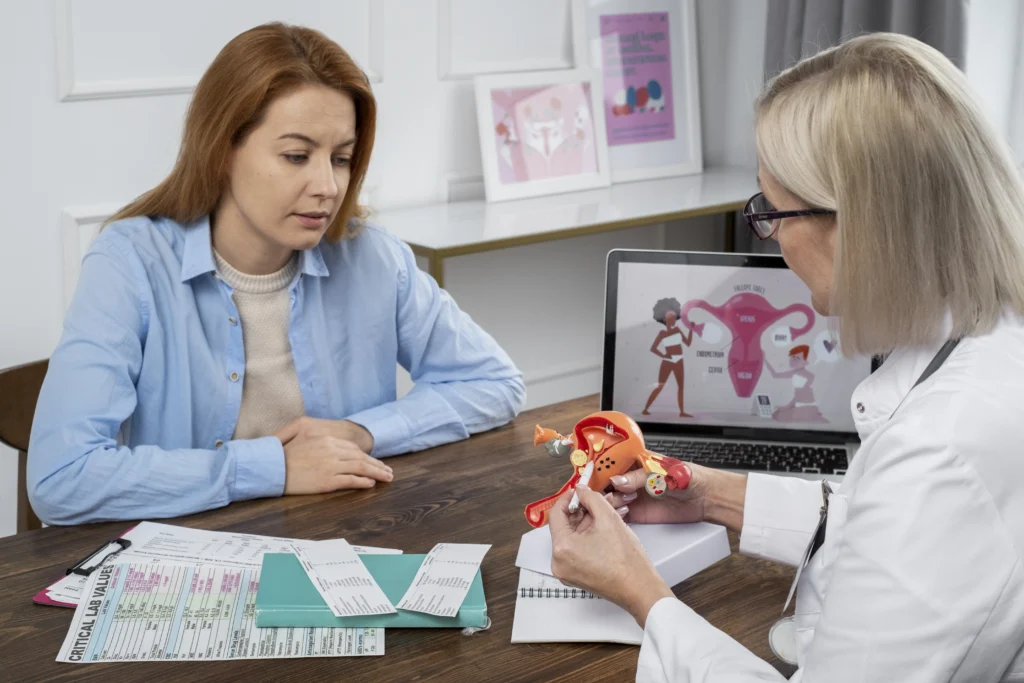
There is no single laboratory test that confirms PCOS.
Healthcare providers combine clinical history, physical examination, blood tests, and imaging studies to make the diagnosis while excluding other possible causes of irregular periods.
Medical History
Your doctor may ask about:
- Menstrual cycle pattern
- Age when symptoms began
- Previous pregnancies
- Weight changes
- Family history of PCOS or diabetes
- Acne or excessive hair growth
- Current medications
- Lifestyle habits
A detailed medical history provides valuable information about hormone function and ovulation.
Physical Examination
The examination may include assessment of:
- Body weight and BMI
- Blood pressure
- Waist circumference
- Acne
- Hair growth pattern
- Hair thinning
- Skin changes such as acanthosis nigricans
These findings help identify features commonly associated with PCOS.
Blood Tests
Blood investigations help evaluate hormone levels and rule out other medical conditions.
Common tests include:
- LH and FSH
- Total and free testosterone
- DHEAS
- Thyroid function tests
- Prolactin
- Anti-Müllerian Hormone (AMH) when indicated
- Fasting blood glucose
- HbA1c
- Lipid profile
These investigations also help assess metabolic health because PCOS is associated with an increased risk of insulin resistance and type 2 diabetes.
Pelvic Ultrasound
An ultrasound scan helps evaluate the ovaries and uterus.
In women with PCOS, ultrasound may reveal:
- Multiple small follicles
- Enlarged ovaries
- Increased ovarian volume
However, not every woman with PCOS has polycystic-appearing ovaries, and ultrasound alone is not enough to diagnose the condition.
Treatment Options for Irregular Periods Due to PCOS
Treatment depends on several factors, including age, symptom severity, pregnancy plans, and overall health.
The goal is not only to regulate menstrual cycles but also to improve long-term hormonal and metabolic health.
Lifestyle Changes
Lifestyle modification is considered the first-line treatment for most women with PCOS.
Healthy daily habits can improve insulin sensitivity, reduce hormonal imbalance, and support more regular ovulation.
Important lifestyle strategies include:
- Maintaining a healthy body weight
- Regular physical activity
- Managing stress
- Getting adequate sleep
- Avoiding smoking
- Limiting alcohol consumption
Even small, sustainable lifestyle improvements can have meaningful effects on menstrual health.
Healthy Eating
A balanced diet plays a key role in managing PCOS.
Focus on foods that help maintain stable blood sugar levels, such as:
- Whole grains
- Lean proteins
- Fresh fruits
- Vegetables
- Healthy fats
- High-fiber foods
Reducing highly processed foods, sugary beverages, and excessive refined carbohydrates may improve insulin sensitivity and hormone regulation.
Exercise and Physiotherapy
Exercise is one of the most effective non-pharmacological strategies for improving menstrual regularity in women with PCOS.
Regular physical activity can:
- Improve insulin sensitivity
- Support weight management
- Reduce chronic inflammation
- Improve cardiovascular health
- Enhance mood and energy levels
From a physiotherapy perspective, combining aerobic exercise with resistance training provides the greatest overall benefit.
A physiotherapist can develop an individualized exercise program based on:
- Fitness level
- Joint health
- Body weight
- Medical history
- Personal goals
This personalized approach improves adherence and reduces the risk of injury, making it easier to maintain long-term physical activity.
Weight Management
For women who are overweight or obese, losing 5-10% of body weight may help restore ovulation and improve menstrual regularity.
The emphasis should be on gradual, sustainable weight loss through healthy eating and regular exercise rather than restrictive diets.
Even modest improvements in body weight can lead to significant hormonal benefits.
Medications
When lifestyle modifications alone are insufficient, healthcare providers may recommend medications depending on the individual’s symptoms and reproductive goals.
These may include:
- Combined oral contraceptive pills to regulate menstrual cycles
- Metformin to improve insulin sensitivity
- Progesterone therapy to protect the uterine lining
- Anti-androgen medications for acne or excessive hair growth in selected cases
Treatment should always be individualized and supervised by a qualified healthcare professional to ensure safety and effectiveness.
Can Regular Periods Return with PCOS?
One of the most reassuring facts about PCOS is that irregular periods can often become more regular with appropriate treatment and healthy lifestyle changes.
The outcome depends on factors such as age, body weight, insulin resistance, hormone levels, and how consistently the treatment plan is followed.
For many women, improving insulin sensitivity, maintaining a healthy weight, and staying physically active help restore more predictable ovulation.
Others may require medications to regulate their menstrual cycle or support ovulation.
Although PCOS is a long-term condition, its symptoms, including irregular periods, can often be managed effectively.
Regular follow-up with a healthcare provider helps monitor progress and adjust treatment when necessary.
Tips to Naturally Improve Menstrual Regularity
While there is no permanent cure for PCOS, healthy daily habits can improve hormonal balance and support more regular menstrual cycles.
Stay Physically Active
Regular exercise helps improve insulin sensitivity, supports healthy body weight, and promotes hormonal balance.
Aim for at least 150 minutes of moderate-intensity physical activity per week, along with two sessions of strength training.
Walking, cycling, swimming, resistance training, yoga, and Pilates are all excellent choices.
Eat a Balanced Diet
A nutritious diet plays an important role in managing PCOS.
Focus on foods rich in:
- Whole grains
- Lean proteins
- Fruits
- Vegetables
- Healthy fats
- Fiber-rich foods
Reducing sugary foods and highly processed carbohydrates may help stabilize blood sugar levels and improve insulin resistance.
Maintain a Healthy Weight
If you are overweight, even a modest weight loss of 5–10% may improve ovulation and help regulate menstrual cycles.
However, women with a healthy BMI can also have PCOS and should focus on overall metabolic health rather than weight loss alone.
Get Enough Sleep
Poor sleep affects hormones involved in metabolism and reproduction.
Aim for 7 to 9 hours of quality sleep every night and try to maintain a consistent sleep schedule.
Manage Stress
Stress does not directly cause PCOS, but it may worsen hormonal imbalance and make symptoms more noticeable.
Healthy stress-management techniques include:
- Deep breathing exercises
- Meditation
- Yoga
- Mindfulness
- Spending time outdoors
- Engaging in enjoyable hobbies
Follow Medical Advice
Take prescribed medications as directed and attend regular follow-up appointments.
Monitoring your menstrual cycle using a calendar or mobile app can also help identify patterns and evaluate treatment effectiveness.
When Should You See a Doctor?
Occasional changes in your menstrual cycle are usually not a cause for concern.
However, you should seek medical advice if you experience:
- No menstrual periods for more than three months (when not pregnant)
- Menstrual cycles consistently longer than 35 days
- Very heavy bleeding requiring frequent pad or tampon changes
- Severe pelvic pain
- Persistent acne or excessive facial hair
- Difficulty becoming pregnant
- Sudden changes in menstrual pattern after previously regular cycles
Early diagnosis and treatment can reduce the risk of complications and improve long-term reproductive health.
Physiotherapist’s Role in Managing PCOS
Although physiotherapists do not treat the hormonal causes of PCOS directly, they play an important role in helping women adopt and maintain an active lifestyle.
Exercise is considered a first-line intervention in the management of PCOS because it improves both metabolic and reproductive health.
A physiotherapist can provide:
Personalized Exercise Programs
Every woman has different fitness levels, health conditions, and goals.
A physiotherapist designs a program that is safe, effective, and tailored to individual needs.
Weight Management Support
Regular physical activity helps increase calorie expenditure, improve muscle mass, and support sustainable weight management.
Improved Insulin Sensitivity
Aerobic exercise and resistance training improve the body’s ability to use insulin efficiently, reducing one of the major contributors to hormonal imbalance in PCOS.
Better Mobility and Strength
Women who experience obesity, joint pain, or low fitness levels may struggle to begin exercising.
A physiotherapist can gradually increase activity levels while minimizing discomfort and reducing the risk of injury.
Long-Term Lifestyle Guidance
One of the greatest benefits of physiotherapy is helping women develop exercise habits they can maintain for years rather than weeks.
Consistent physical activity not only supports menstrual regularity but also reduces the long-term risk of type 2 diabetes, cardiovascular disease, and metabolic syndrome.
Myth vs Fact
| Myth | Fact |
|---|---|
| Irregular periods are normal in PCOS and don’t require treatment. | Persistent irregular periods should be evaluated because they may increase the risk of endometrial hyperplasia and other complications. |
| Every woman with PCOS misses her periods. | Menstrual patterns vary widely. Some women have long cycles, while others experience heavy or unpredictable bleeding. |
| Birth control pills permanently cure PCOS. | They help regulate menstrual cycles and manage symptoms but do not cure the underlying hormonal disorder. |
| Only overweight women have irregular periods due to PCOS. | Women with a normal BMI can also develop PCOS and experience irregular menstrual cycles. |
| Exercise cannot improve menstrual regularity. | Regular physical activity improves insulin sensitivity, hormone balance, and may help restore more regular periods. |
Common Myths About PCOS and Irregular Periods
There are many misconceptions surrounding PCOS and menstrual health. Understanding the facts can help women make informed decisions about their health.
Myth: Missing Periods Occasionally Is Normal with PCOS and Doesn’t Need Treatment
Fact: While irregular periods are common in PCOS, frequent or prolonged gaps between periods should be evaluated because they may increase the risk of endometrial hyperplasia.
Myth: Every Woman with PCOS Has the Same Menstrual Pattern
Fact: PCOS affects every woman differently. Some experience infrequent periods, while others have prolonged or heavy menstrual bleeding.
Myth: Birth Control Pills Cure PCOS
Fact: Birth control pills help regulate menstrual cycles and manage symptoms, but they do not cure the underlying hormonal condition.
Myth: Only Overweight Women Have Irregular Periods Due to PCOS
Fact: Lean women with PCOS can also experience irregular periods, ovulation problems, and hormonal imbalance.
Myth: Exercise Has Little Effect on Menstrual Cycles
Fact: Regular physical activity improves insulin sensitivity, supports hormonal balance, and may help restore more regular menstrual cycles in many women with PCOS.
Final Thoughts
Irregular periods are one of the earliest and most recognizable signs of PCOS, but they don’t have to define your health journey. Understanding the underlying hormonal changes allows you to take proactive steps toward better menstrual and reproductive health.
A combination of healthy nutrition, regular physical activity, stress management, appropriate medical care, and consistent follow-up can make a significant difference. With the right support and treatment plan, many women with PCOS successfully achieve healthier, more regular menstrual cycles and improve their overall quality of life.
Conclusion
Irregular periods are one of the hallmark symptoms of PCOS and usually result from hormonal imbalance and irregular ovulation.
Although unpredictable menstrual cycles can be frustrating and sometimes affect fertility, they are often manageable with the right combination of lifestyle changes, medical treatment, and regular follow-up.
Healthy eating, consistent exercise, stress management, and maintaining a healthy weight can significantly improve menstrual health.
For women who need additional support, medications prescribed by a healthcare provider can help regulate the menstrual cycle and reduce the risk of long-term complications.
If your periods have become consistently irregular or you have other symptoms of PCOS, seeking early medical advice is important.
Timely diagnosis and personalized care can improve not only menstrual regularity but also your overall reproductive and metabolic health.
Frequently Asked Questions
1. Why does PCOS cause irregular periods?
PCOS disrupts hormone balance and prevents regular ovulation, leading to delayed, missed, or unpredictable menstrual cycles.
2. Can irregular periods caused by PCOS become regular?
Yes. Many women experience improved menstrual regularity through lifestyle changes, exercise, weight management, and appropriate medical treatment.
3. How many periods a year are normal with PCOS?
Some women with PCOS may have fewer than eight periods a year, but prolonged menstrual irregularities should always be evaluated by a healthcare professional.
4. Does every woman with PCOS stop getting periods?
No. Some women have long menstrual cycles, while others experience irregular, heavy, or unpredictable bleeding instead of completely missing periods.
5. Can exercise help regulate periods in PCOS?
Yes. Regular aerobic and resistance exercise improves insulin sensitivity, supports hormone balance, and may help restore more regular menstrual cycles.
6. When should I see a doctor for irregular periods?
You should seek medical advice if you miss periods for more than three months, experience very heavy bleeding, or notice persistent menstrual irregularities.
Stay tuned with us for more health related topics.
Follow us on LinkedIn and Instagram for more.
More Read




Medical Disclaimer!
This article has been reviewed and written under the guidance of our Head Physiotherapist, Dr. Kruti Raj (PT, MUHS,CPT,CMPT). The information shared is intended for educational purposes only and should not be considered a substitute for personalized medical advice, diagnosis, or treatment.
Please consult us or any other qualified healthcare professional before beginning any exercise program, especially if you are experiencing pain, recovering from injury, or managing a medical condition.


