LOS ANGELES, CALIFORNIA: An experimental drug called cinaciguat has shown promise in reversing signs of liver ageing in rats.
Researchers found that the treatment restored important liver cell functions and reduced blood levels of amyloid beta 40 and low-density lipoprotein (LDL).
Published in 2026, the findings could open new avenues for research into Alzheimer’s disease and heart disease.
However, the study involved rats, and researchers have not established that cinaciguat can prevent either condition in humans.
How Ageing Changes Liver Function
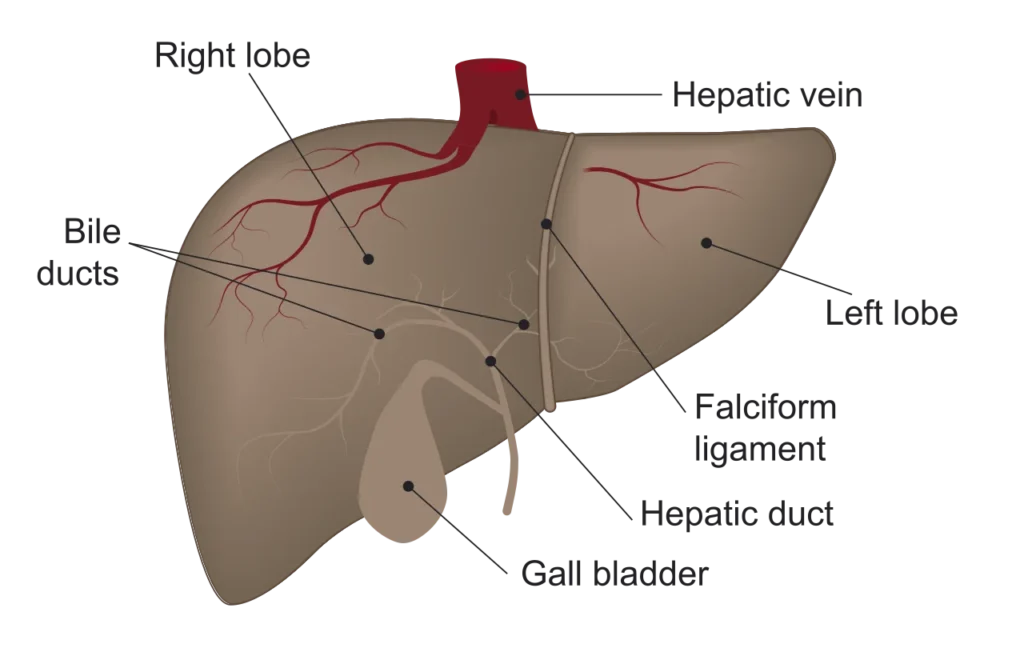
The liver plays an essential role in processing nutrients, removing waste products and regulating fats in the blood. Its ability to perform these functions depends on different types of cells working together.
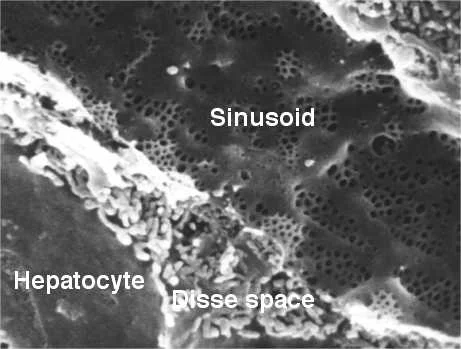
One important group is liver sinusoidal endothelial cells (LSECs). These cells line the liver’s small blood vessels and contain tiny openings called fenestrations.
These openings allow large molecules in the bloodstream to pass through the vessel lining and reach hepatocytes, the main liver cells responsible for processing and removing many substances.
As the body ages, these openings can shrink or disappear. This process is known as pseudo capillarization. It can reduce the liver’s ability to clear certain substances from the blood.
Scientists investigated whether restoring these ageing cells could help the liver remove amyloid beta and LDL more effectively. Both substances are relevant to diseases associated with ageing, although their roles in disease development differ.
The research was reported by the Keck School of Medicine of the University of Southern California (USC). The findings were published in the Journal of Biological Chemistry in September 2026 (de Leve et al., 2026)
What the Rat Study Found
Researchers compared aged rats treated with cinaciguat for two weeks with untreated aged rats and a group of young rats.
The treatment produced two important findings.
1. Reduced Amyloid Beta 40
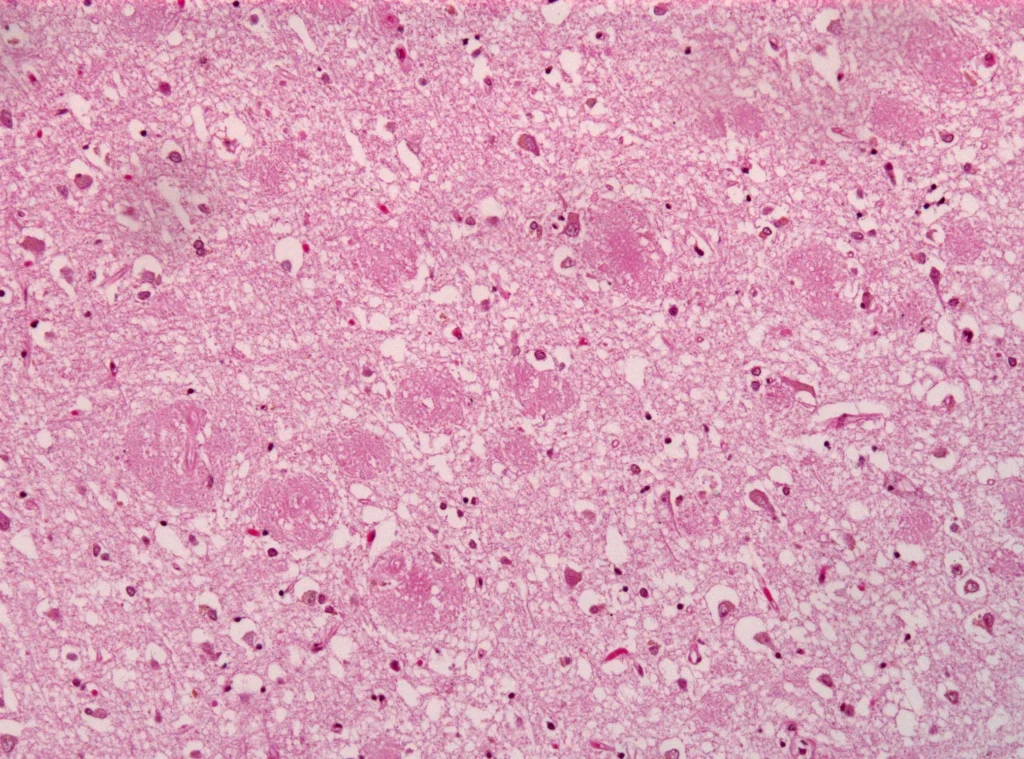
Amyloid beta is a protein fragment associated with Alzheimer’s disease. Certain forms can accumulate in the brain and contribute to amyloid plaques, one of the characteristic features of the condition. The Alzheimer’s Association explains the role of amyloid plaques.
After two weeks of cinaciguat treatment, circulating amyloid beta 40 levels in aged rats fell by approximately 50%. The levels returned to those observed in young rats, while untreated aged rats did not show the same reduction.
This finding suggests that restoring liver function may improve the removal of amyloid beta 40 from the bloodstream.
However, the researchers did not establish that this reduction cleared amyloid plaques from the brain, improved memory or prevented Alzheimer’s disease. Those outcomes require separate investigation.
2. Lower LDL Levels
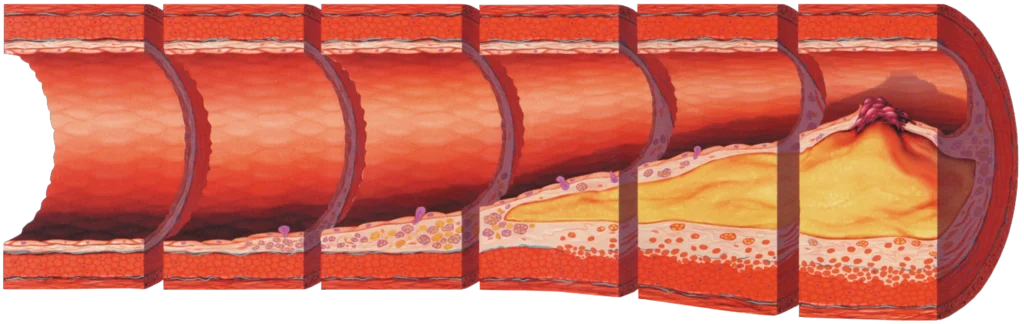
The researchers also measured low-density lipoprotein, commonly called LDL or bad cholesterol. High LDL cholesterol contributes to plaque buildup in artery walls, increasing the risk of heart attack and stroke. The American Heart Association explains how LDL contributes to atherosclerosis.
The team initially expected LDL levels to remain unchanged. LDL particles are smaller than the large molecules that depend on liver cell fenestrations to cross the vessel lining.
Instead, LDL levels in the treated aged rats fell to those observed in young rats. This unexpected result suggested that restoring the liver’s filtering openings alone could not fully explain the treatment’s effects.
The researchers therefore investigated another mechanism involving communication between liver cells.
How Cinaciguat May Work
Cinaciguat activates an enzyme called soluble guanylate cyclase in liver sinusoidal endothelial cells. This triggers a signaling process that encourages the cells to release a growth factor called heparin-binding epidermal growth factor-like growth factor (HB-EGF).
HB-EGF helps nearby hepatocytes maintain their ability to take up and process substances from the blood.
The researchers found that ageing LSECs could produce HB-EGF but had lost some of their ability to release it. Cinaciguat restored this release in the treated rats.
The treatment also restored the surface expression of two proteins on hepatocytes: the LDL receptor (LDLR) and low-density lipoprotein receptor-related protein 1 (LRP1). These receptors help cells take up LDL and amyloid beta.
The study therefore identified two connected effects: cinaciguat restored the tiny openings in ageing liver endothelial cells and improved chemical signaling between these cells and hepatocytes.
Together, these changes may help explain why both amyloid beta 40 and LDL levels decreased after treatment.
Possible Implications for Alzheimer’s
The findings offer a new way to investigate the relationship between liver health and brain ageing.
Researchers have traditionally explored Alzheimer’s treatments by targeting processes within the brain. However, delivering medicines across the blood-brain barrier remains a major challenge.
This protective barrier limits the movement of many substances from the blood into brain tissue.
A liver-targeted approach could offer another research direction if the liver’s role in clearing circulating amyloid beta is confirmed.
The USC study provides early evidence that restoring liver cell function can reduce circulating amyloid beta 40 in aged rats. It does not establish whether this approach can reduce brain amyloid deposits or slow cognitive decline.
The distinction is important because amyloid beta levels in the blood do not directly establish the amount of amyloid in the brain.
The researchers need to determine whether the observed blood changes translate into meaningful neurological benefits.
Possible Implications for Heart Health
The reduction in LDL levels presents another potential area for investigation.
LDL contributes to atherosclerosis, a condition in which fatty deposits accumulate inside artery walls. Over time, these deposits can narrow arteries and increase the risk of cardiovascular events.
The rat findings suggest that restoring age-related liver cell function may influence how efficiently the body clears LDL from the bloodstream.
If future studies confirm a similar mechanism in humans, this pathway could offer a new direction for research into cholesterol regulation and cardiovascular risk.
However, the experiment did not demonstrate a reduction in artery plaque, heart attacks, strokes or other cardiovascular outcomes.
Lower LDL levels in rats cannot, by themselves, prove that the treatment prevents heart disease in people.
What Researchers Must Test Next
The research team plans to continue investigating cinaciguat in rats. One key objective is to determine whether reducing amyloid beta 40 leads to measurable benefits related to Alzheimer’s disease prevention.
Further studies will also need to establish whether the results can be reproduced, determine how long the effects last and examine potential risks associated with treatment.
Researchers may also investigate whether HB-EGF could become a separate therapeutic target. Understanding this signaling pathway could help scientists develop alternative approaches to restoring the function of ageing liver cells.
Human studies would ultimately be required to determine the treatment’s safety, appropriate dosing and clinical effectiveness for this proposed use.
Cinaciguat is not an established treatment for preventing Alzheimer’s disease or heart disease. The current findings should be viewed as an early scientific development rather than a treatment recommendation.
Conclusion
The cinaciguat liver ageing study provides new insight into how ageing liver cells may affect the removal of amyloid beta 40 and LDL from the bloodstream.
In aged rats, two weeks of treatment restored important liver cell functions and reduced both substances to levels observed in young animals.
These findings create new opportunities to investigate the connection between liver health, brain ageing and cardiovascular risk. However, the study has not shown that cinaciguat prevents Alzheimer’s disease or heart disease in humans.
Further research is necessary to determine whether this liver-targeted approach can eventually lead to safe and effective treatments for people.
Medical information notice: This article is for educational purposes and does not replace professional medical advice, diagnosis or treatment.