

This New Research Offers a Surprising Theory
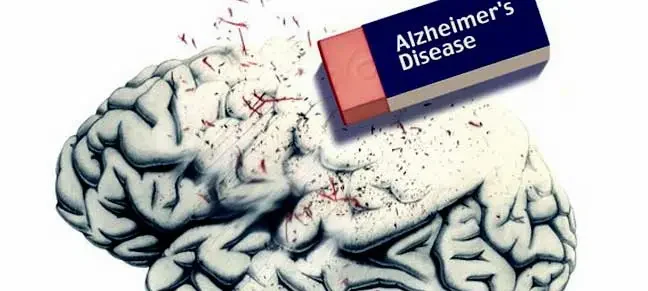
Alzheimer’s disease has long been a mystery, with scientists pointing to a mix of genetics, environment, and lifestyle as possible causes. While we know that good sleep, regular exercise, a heart-healthy diet, and staying socially active can lower the risk, there’s never been a single clear explanation for why some people develop this devastating condition while others don’t.
Now, a new study published in Alzheimer’s & Dementia is shaking up the field by suggesting that persistent stress granules may play a critical role in Alzheimer’s development.
How Stress Granules Disrupt Brain Function
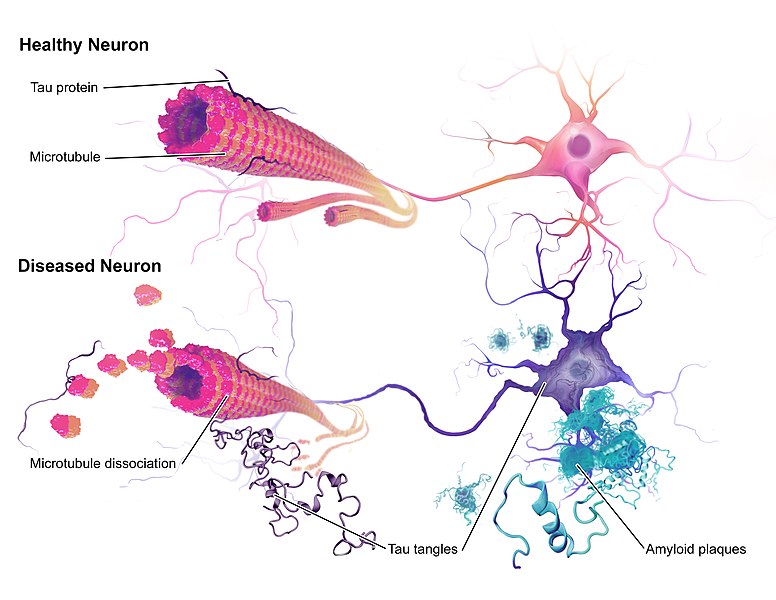
The research builds on earlier findings, including a 2022 study that linked most biological pathways associated with Alzheimer’s to the presence of stress granules. These tiny clumps of proteins and RNA (a molecule similar to DNA) form inside cells when they’re under stress. Normally, they help the cell hit “pause” and recover. But in people with Alzheimer’s, these granules don’t dissolve as they should, disrupting essential processes that keep cells functioning properly.
The study suggests that these disruptions affect gene expression, leading to the hallmark signs of Alzheimer’s—tau protein tangles and inflammation. In short, persistent stress granules may interfere with vital cellular functions, possibly accelerating the disease.
What Are Stress Granules, and Why Do They Matter?
Think of stress granules like an emergency shutdown mode in a cell. When the body faces stress—like exposure to toxins, infections, or other harmful conditions—these granules temporarily stop the cell’s normal functions so it can recover. Once the stress passes, the granules dissolve, and everything returns to normal.
But in Alzheimer’s patients, these granules stick around far too long, blocking the movement of essential molecules in and out of the cell’s nucleus. This disrupts critical functions, such as making new molecules and recycling old ones. Over time, these disruptions can harm or even kill brain cells, potentially leading to Alzheimer’s progression.
Biological vs. Psychological Stress: Understanding the Difference
This study focuses on biological stress—cellular challenges caused by factors like toxins, infections, and oxidative damage. Psychological stress, on the other hand, is related to emotions like anxiety and depression. While these types of stress are distinct, they can be interconnected.
Chronic psychological stress raises cortisol levels, which can shrink the hippocampus—the brain’s memory center. Anxiety and depression have also been linked to an increased risk of dementia, highlighting the importance of managing stress for overall brain health.
Could Stress Granules Be a Cause of Alzheimer’s?
While it’s too early to say that stress granules cause Alzheimer’s, researchers believe cellular stress may start early in the disease—long before symptoms appear. Understanding when and how these granules interfere with normal cell functions could lead to earlier and more effective treatments.
How to Reduce Your Alzheimer’s Risk
Although there is still much to learn, experts suggest these steps to help maintain brain health:
- Exercise regularly – Physical activity helps keep the brain and body in top shape.
- Eat a heart-healthy diet – Foods rich in antioxidants and healthy fats support brain function.
- Manage high blood pressure and diabetes – These conditions can increase Alzheimer’s risk.
- Stay socially connected – Engaging with others keeps the mind active and sharp.
- Keep your brain stimulated – Try new hobbies, puzzles, or learning activities.
- Quit smoking – If you smoke, quitting can significantly lower your risk.
- Reduce stress – Mindfulness, meditation, and relaxation techniques can support brain health.
Conclusion
This new research is exciting because it offers a fresh perspective on what might be driving Alzheimer’s disease. While the idea that stress granules could be a root cause is still just a hypothesis, it’s a step forward in understanding the disease. If scientists can confirm this theory, it could lead to breakthroughs in early detection and treatment.
In the meantime, maintaining a healthy lifestyle—both physically and mentally—remains the best way to protect brain health. Alzheimer’s is a complex disease, but each new discovery brings us closer to finding answers.
Also Read About : Facts about memory you need to know!
Visit Us At : https://g.co/kgs/rTqAjgt


