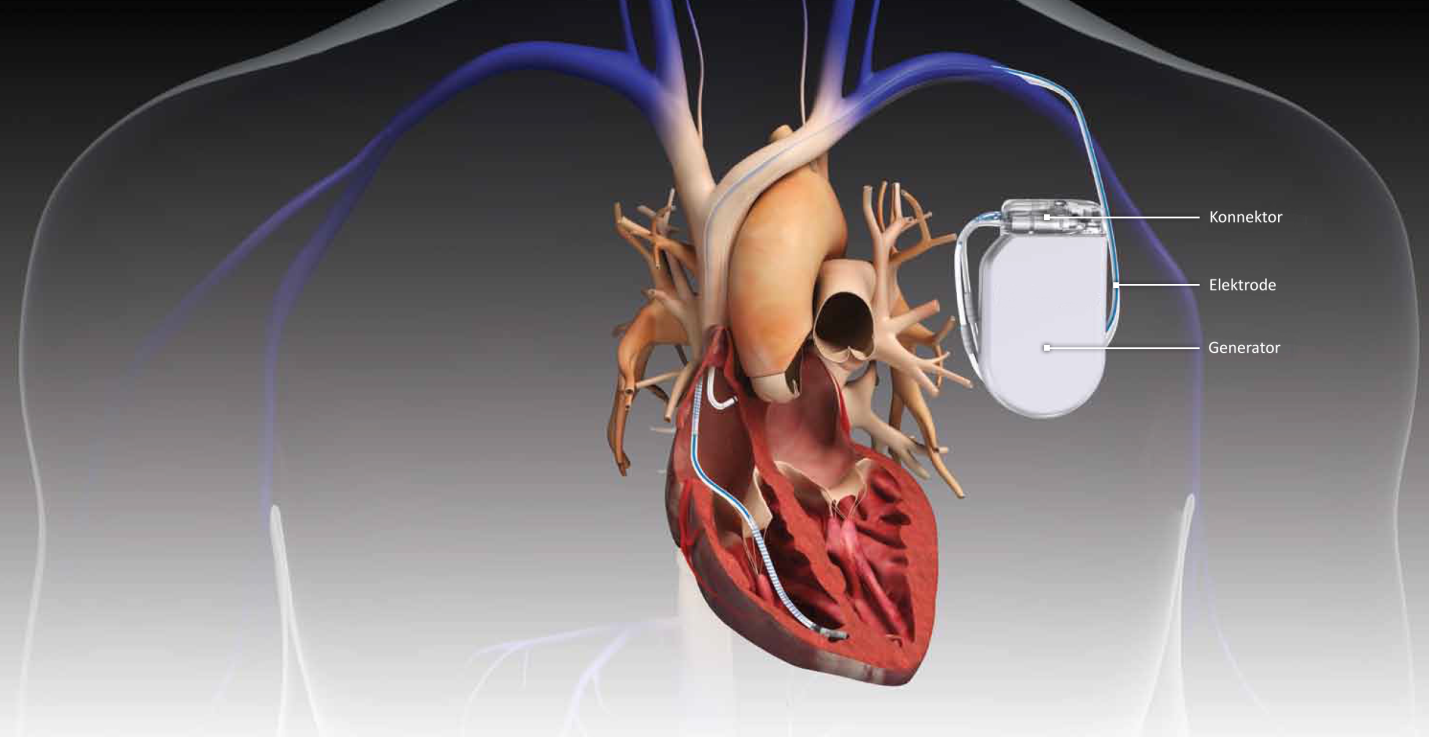
TRIESTE, ITALY: The heart is one of the rarest organs to develop cancer. Scientists may have discovered why. New research suggests that the mechanical forces created by the heart’s continuous beating can restrict cancer cells from growing and multiplying.
A study published in Science in April 2026 identified a protein called Nesprin-2 that helps the heart’s physical activity send signals to cancer cells. The discovery could provide new insights into cancer biology and open possibilities for future treatments.
What Makes the Heart Different From Other Organs?
Cancer develops when abnormal cells grow and divide without normal control. These cells can accumulate, form tumors and sometimes spread to other parts of the body.
Most organs contain cells that regularly divide to replace old or damaged tissue. Every cell division creates an opportunity for DNA errors to occur. Some of these errors can contribute to cancer.
The heart behaves differently.
Its main muscle cells, called cardiomyocytes, have a very limited ability to divide after birth. Instead of regularly producing new cells, existing heart muscle cells mainly increase in size as the body grows.
This limited cell division is one reason scientists believe the heart is less vulnerable to cancer.
Cardiologist Dr Klaus Witte, quoted in the Daily Mail’s report on this research, highlights the difference between heart muscle cells and cells lining the bowel.
The bowel lining regularly replaces old cells, with a renewal cycle of approximately five to ten days. Heart muscle cells, however, have very limited regenerative capacity.
This difference may reduce the opportunities for cancer-related mutations to develop in heart muscle tissue.
However, limited cell division is not the only explanation.
The heart also produces continuous mechanical forces through its pumping action. It contracts and relaxes approximately 100,000 times every day. Researchers now believe these repeated movements may create an environment that makes cancer cell growth more difficult.
How Rare Is Heart Cancer?
Cancer that begins in the heart is exceptionally rare. However, it is important to distinguish between primary cardiac tumors and malignant heart cancer.
A 2025 review published in Trends in Cardiovascular Medicine estimated that primary cardiac tumors have an incidence of approximately 0.02%. It also reported that around 85% of these tumors are benign, while approximately 15% are malignant.
These figures include all primary cardiac tumors, not just cancerous growths.
The same review found that secondary cardiac tumors, which develop when cancer spreads from another organ, are approximately 20 to 30 times more common than primary cardiac tumors. (Corradi et al., 2025)
What the 2026 Heart Cancer Study Discovered
An international research team led by scientists from the International Centre for Genetic Engineering and Biotechnology (ICGEB) and the University of Trieste in Italy investigated why cancer cells struggle to grow inside the heart.
The study, led by Professor Serena Zacchigna and published in Science on 23 April 2026, examined the relationship between mechanical forces and cancer cell growth.
The researchers used several experimental approaches, including mouse cancer models, transplanted hearts, engineered heart tissues and human tissue samples.
Their findings showed that the physical environment inside the beating heart can actively restrict cancer cell multiplication.
What Happened When Researchers Reduced Heart Movement?
The researchers used a mouse model involving heterotopic heart transplantation. This technique involves placing a donor heart in another location in the animal’s body.
The transplanted heart continued receiving blood, but its normal mechanical workload was greatly reduced.
The researchers introduced lung cancer cells into the heart tissue and compared their growth in mechanically loaded and unloaded hearts.
They observed a significant difference.
- Cancer cells showed limited growth in normally functioning hearts.
- Cancer cells multiplied extensively in hearts where the usual mechanical workload had been reduced.
- Restoring or increasing mechanical loading in engineered heart tissues restricted cancer cell proliferation.
The team also tested other cancer cell types, including colorectal cancer and melanoma cells. These showed similar responses to mechanical loading.
This suggested that the effect was not limited to one particular type of cancer.
The researchers also examined human cardiac metastasis samples. Their analysis identified changes in the genetic activity and organization of cancer cells within the heart.
Together, these findings provided evidence that the heart’s mechanical environment can actively influence cancer growth. (Ciucci et al., 2026)
How Does the Beating Heart Stop Cancer Cells From Growing?
The discovery goes beyond the idea that a continuously moving heart physically squeezes cancer cells.
Researchers found that mechanical forces can also trigger biological signals inside cancer cells.
This process is called mechanotransduction. It describes how cells detect physical forces and convert them into chemical and biological signals.
The research identified a protein called Nesprin-2 as an important part of this process.
The Role of Nesprin-2
Nesprin-2 is a structural protein that helps connect the cell’s internal skeleton to its nucleus.
It forms part of a structure called the LINC complex, which links the cytoskeleton to the nuclear envelope.
The nucleus contains DNA, which controls how cells function, grow and divide.
When the heart contracts and relaxes, mechanical forces act on cancer cells within the heart tissue. Nesprin-2 helps transmit these forces towards the nucleus.
This process changes the organization of chromatin, the material that packages DNA inside the nucleus.
Researchers observed changes in histone methylation and chromatin compaction. These changes affected how accessible certain genes involved in cell growth and division became.
The altered gene activity was associated with reduced cancer cell proliferation.
The importance of Nesprin-2 became clearer when researchers reduced its activity experimentally. Cancer cells then regained their ability to grow more extensively, even within mechanically active heart tissue.
This suggests that Nesprin-2 is not simply a structural protein. It also plays an important role in translating physical forces into biological signals that restrict cancer growth.
A September 2026 research commentary in Signal Transduction and Targeted Therapy further explored this mechanism and its potential importance for future cancer research. (Papavassiliou, 2026)
Could Mechanical Pressure Become a Cancer Treatment?
The findings have attracted interest because they suggest that physical forces may influence cancer growth.
Scientists are investigating whether similar mechanical effects could be used against tumors outside the heart.
One possibility involves wearable medical devices designed to apply controlled mechanical pressure to certain tumor sites.
The idea is to reproduce some of the growth-restricting effects observed inside the heart. Skin and breast cancers are among the areas discussed in relation to this research.
However, this approach remains experimental. No wearable pressure device has been established as a safe or effective cancer treatment.
Another research direction focuses on proteins involved in mechanical signaling.
Scientists may investigate whether proteins such as Nesprin-2 and their associated pathways can be modified to make cancer cells more responsive to lower levels of mechanical force.
This could potentially allow researchers to influence cancer cell growth without relying on strong external compression.
Why Applying Pressure to Tumors Is Not Always Safe
Mechanical pressure does not affect every tumor in the same way.
The effect depends on the type of cancer, its location, surrounding tissues and the amount and direction of force applied.
Dr Eoin McEvoy, Associate Professor of Biomedical Engineering at the University of Galway, has highlighted an important concern: while compression may slow tumor growth in some situations, mechanical forces can also encourage cancer cells to spread in certain tissue environments.
This makes direct tumor compression a complex treatment idea rather than a simple solution.
Researchers must understand these differences before developing any treatment based on external pressure.
How Another Study Explained the Effect of Pressure on Cancer
Research from the University of Galway in Ireland has provided another explanation for why mechanical pressure may slow cancer growth.
The study, published in the Proceedings of the National Academy of Sciences (PNAS) in March 2026, investigated how physical pressure affects the ability of cancer cells to grow before dividing.
The research team developed an artificial intelligence-assisted computational model to study how cells respond to mechanical stress.
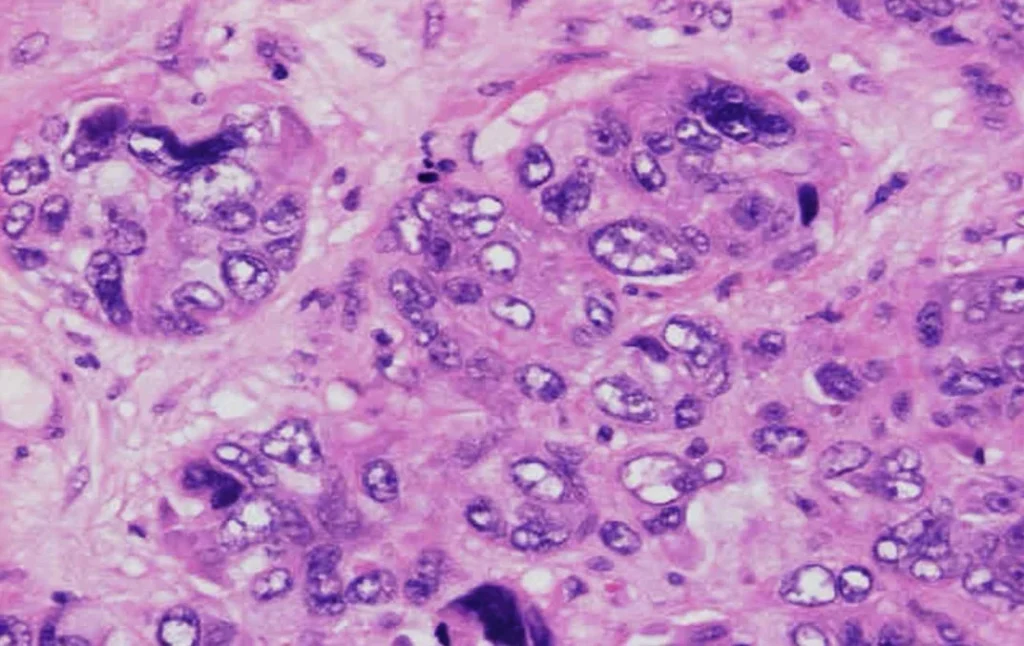
They also compared the model’s predictions with laboratory experiments using three-dimensional breast cancer spheroids. These are small, ball-shaped clusters of cancer cells that help researchers study tumor behavior.
How Pressure Affects Cell Growth
Before a cancer cell can divide into two cells, it must first increase in size.
To achieve this, the cell produces proteins, lipids and other biological materials. This process draws water into the cell through osmosis.
The cell must reach a certain size before it can complete division.
The University of Galway researchers found that mechanical pressure can interfere with this process.
When surrounding tissues compress a tumor, they create hydrostatic pressure inside the tumor environment. This pressure can oppose the osmotic forces that normally draw water into cells.
As a result, cancer cells may struggle to absorb enough water and reach the volume required for division.
This can slow or restrict tumor growth.
The research offers another explanation for how physical forces can influence cancer development. It also suggests that the mechanical properties of the tissue surrounding a tumor may affect how quickly it grows.
The findings were based on computational modelling and laboratory experiments, not clinical trials in patients. (Senthilkumar et al., 2026)
Can Cancer Still Develop in the Heart?
Despite the heart’s natural resistance to cancer, it is not completely protected.
Cancer can develop directly in heart tissue or spread to the heart from another part of the body.
These conditions are known as primary and secondary cardiac tumors.
Primary cardiac tumors develop from cells within the heart. Some are benign, while others are malignant. Primary malignant cardiac tumors are often sarcomas, including angiosarcoma.
Secondary cardiac tumors develop when cancer spreads from another organ. Lung cancer, breast cancer, melanoma, lymphoma and other cancers can spread to the heart through the bloodstream, lymphatic system or nearby tissues.
Secondary cardiac tumors are considerably more common than primary malignant heart cancers.
Some people may not experience noticeable symptoms. Others may develop:
- Shortness of breath.
- Chest discomfort.
- Irregular heartbeat or palpitations.
- Dizziness or fainting.
- Unexplained fatigue or swelling.
These symptoms can occur with several heart conditions and do not automatically indicate cancer.
Doctors may investigate suspected cardiac tumors using echocardiography, cardiac MRI and CT scans. Treatment depends on the tumor type, location, size and whether the cancer has spread.
The Mayo Clinic confirms that primary heart cancer does occur, although it is exceptionally rare.
What Could These Findings Mean for Future Cancer Research?
The two research developments provide a new perspective on the relationship between physical forces and cancer growth.
The University of Trieste study shows that mechanical forces inside the heart can activate biological pathways associated with reduced cancer cell proliferation.
The University of Galway research provides a complementary explanation of how external pressure can interfere with the growth process required for cell division.
Together, these findings could help scientists explore new approaches to cancer treatment.
Several questions still need answers:
- Can mechanical stimulation safely restrict tumor growth in living human tissue?
- Can drugs influence Nesprin-2 and other mechanical signaling pathways?
- Why do some tumor types respond differently to physical pressure?
- Can researchers develop targeted devices that apply controlled mechanical forces without encouraging cancer spread?
The European Society of Cardiology also discussed the significance of the heart study in its September 2026 commentary. It highlighted the potential of mechanical forces to influence cancer cell behavior and the need for further research into therapeutic applications. (Gonzalez Miqueo, 2026)
Conclusion
The heart’s resistance to cancer may be linked to two important characteristics: its muscle cells have limited ability to divide, and its continuous mechanical activity creates an environment that restricts cancer cell growth.
The 2026 Science study identified Nesprin-2 as a key protein that helps translate these physical forces into biological signals associated with reduced cancer cell proliferation.
Research from the University of Galway has also shown how external pressure can interfere with the process cancer cells need to grow before dividing.
These discoveries could influence future cancer research, particularly in the development of mechanical and molecular treatment approaches. However, they remain early scientific findings and do not establish a new cancer treatment or prevention method.
The heart does not have complete immunity to cancer. Instead, scientists are beginning to understand how its unique biological and mechanical environment may make tumor growth more difficult.