


ST. LOUIS, MISSOURI, People with type 2 diabetes who stop taking GLP-1 medications may gradually lose some of the cardiovascular benefit associated with continued treatment, according to a large study involving more than 333,000 U.S. veterans.
The research found that longer gaps in GLP-1 treatment were associated with progressively higher rates of major cardiovascular events, including heart attack, stroke and death.
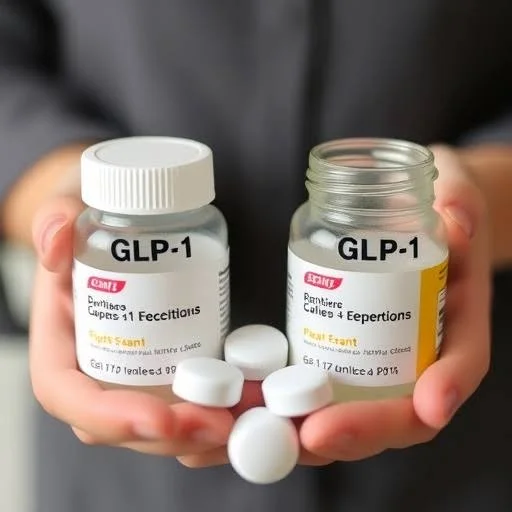
Large Study Tracks GLP-1 Use
Researchers examined healthcare records from 333,687 U.S. veterans with type 2 diabetes.
The group included people who had started GLP-1 receptor agonists as well as people taking sulfonylureas, another class of diabetes medication used for comparison.
The researchers followed treatment patterns and cardiovascular outcomes for up to three years.
GLP-1 receptor agonists include medicines containing semaglutide, such as Ozempic and Wegovy, and tirzepatide, found in Mounjaro and Zepbound.
Instead of looking only at whether patients had ever used these medicines, the study examined different treatment patterns, including continuous use, treatment interruption and discontinuation.
Continuous Treatment Showed Lower Risk
People who remained on GLP-1 treatment throughout the three-year follow-up had an 18% lower risk of major cardiovascular events compared with those taking sulfonylureas.
The researchers also observed differences according to how long treatment continued.
People who remained on treatment for two years before discontinuing had a 7% lower cardiovascular risk compared with the comparison group. Those who continued for two and a half years had a 15% lower risk.
Among people who stopped treatment before reaching 18 months, the researchers did not find a significant cardiovascular risk reduction compared with the comparison group by the end of the follow-up period.
Longer Treatment Gaps Were Linked to Higher Risk
The researchers also examined people who temporarily stopped GLP-1 treatment and later restarted.
The analysis found that the longer the treatment interruption, the greater the difference in cardiovascular risk compared with people who continued treatment.
A six-month interruption was associated with a 4% increase in relative risk. After one year without treatment, the increase was 14%.
After two years without treatment, the relative risk was 22% higher compared with people who remained on therapy.
Restarting treatment was associated with some return of the cardiovascular benefit, although the association was not as strong as that observed among people who maintained continuous treatment.
Why Some Patients Stop GLP-1 Drugs
Stopping a medication is not always a simple decision.
Some patients may experience side effects, while others may face high costs, supply shortages or difficulties maintaining long-term access to their medication.
The study highlights why treatment continuity can be an important consideration when managing chronic conditions such as type 2 diabetes.
Patients should not stop or restart prescription medication on their own. Any change in treatment should be discussed with the healthcare professional managing their diabetes and cardiovascular risk.
What the Findings Mean
The study does not show that stopping a GLP-1 medication will cause a heart attack or stroke in an individual patient.
The researchers analyzed existing healthcare data rather than assigning patients to deliberately stop or continue their medication.
As a result, the findings show an association between treatment patterns and cardiovascular outcomes rather than proving that discontinuation directly caused a particular cardiovascular event.
The study population also consisted of U.S. veterans with type 2 diabetes, meaning the findings may not apply in exactly the same way to every patient population.
Exercise Remains Important
The findings also bring attention to another part of diabetes management: physical activity.
Regular exercise is an established component of type 2 diabetes care and can support cardiovascular health, physical function, glucose control and weight management.
Activities such as walking, cycling, resistance training and other forms of appropriately prescribed exercise can be incorporated according to a person’s health status and physical capacity.
However, exercise should not be presented as a replacement for prescribed GLP-1 medication.
The study examined medication treatment patterns and cardiovascular outcomes. It did not investigate whether exercise could prevent the increased risk associated with treatment discontinuation.
Where Physiotherapy Fits In
Physiotherapy can contribute to the broader management of people living with diabetes, particularly when physical limitations make regular activity difficult.
A physiotherapist can assess strength, mobility, balance, functional capacity and exercise tolerance before developing an individualized activity programme.
For someone with diabetes and cardiovascular risk factors, physiotherapy may involve gradual aerobic conditioning, resistance exercise, mobility work and functional training.
It can also be useful when complications such as diabetic peripheral neuropathy, reduced mobility, musculoskeletal pain or deconditioning make exercise more challenging.
The role of physiotherapy is supportive. A physiotherapist does not determine whether a patient should stop or restart a GLP-1 medication.
Exercise After Treatment Changes
Changes in medication can sometimes affect how a person feels during daily activity.
A patient may experience changes in appetite, body weight, gastrointestinal symptoms or exercise tolerance while taking or stopping a medication.
If physical symptoms or reduced fitness make exercise difficult, physiotherapy can help adapt activity to the person’s current functional ability.
The focus is not simply on exercising more. It is about choosing appropriate activities, progressing gradually and considering the individual’s medical and physical circumstances.
Why Long-Term Management Matters

The study adds to the growing discussion around the long-term use of GLP-1 medications.
These medicines are used in the management of type 2 diabetes and, depending on the specific medication and indication, weight management. Research has also linked some GLP-1 receptor agonists with cardiovascular benefits.
The new findings suggest that treatment interruption may be an important factor when considering those longer-term outcomes.
For healthcare professionals, the results highlight the importance of discussing medication access, side effects, treatment goals and long-term management with patients.
What Patients Should Know
The findings do not mean that every person taking a GLP-1 medication needs to remain on it indefinitely.
Treatment decisions depend on the individual’s diagnosis, medical history, treatment goals, response to medication and discussions with their healthcare team.
For people who need to stop treatment because of side effects, cost, supply issues or another reason, medical guidance can help determine the next step.
Maintaining appropriate physical activity can also remain an important part of diabetes and cardiovascular health, with physiotherapy providing additional support when pain, weakness, mobility problems or reduced exercise tolerance become barriers.
The Bottom Line
A large study involving more than 333,000 U.S. veterans with type 2 diabetes found that longer interruptions in GLP-1 treatment were associated with progressively higher cardiovascular risk compared with continuous treatment.
After two years without treatment, the researchers observed a 22% higher relative risk of major cardiovascular events compared with people who continued therapy.
Because the study was observational, the findings do not prove that stopping GLP-1 medication directly causes cardiovascular events in every patient.
They do, however, highlight the importance of considering treatment continuity alongside medication access, diabetes management, physical activity and overall cardiovascular health.
Source: ScienceDaily, September 21, 2026. ScienceDaily report
Stay tuned with us for more health related topics.
Follow us on LinkedIn and Instagram for more.
More Read



Medical Disclaimer!
This article has been reviewed and written under the guidance of our Head Physiotherapist, Dr. Kruti Raj (PT, MUHS,CPT,CMPT). The information shared is intended for educational purposes only and should not be considered a substitute for personalized medical advice, diagnosis, or treatment.
Please consult us or any other qualified healthcare professional before beginning any exercise program, especially if you are experiencing pain, recovering from injury, or managing a medical condition.
Final SEO package
SEO Title:
Stopping GLP-1 Drugs May Weaken Heart Benefits, Study Finds
SEO Description:
A large study found longer GLP-1 treatment gaps were associated with higher cardiovascular risk in people with type 2 diabetes.
URL Slug:stopping-glp-1-drugs-cardiovascular-risk-study
Primary Keyword:
GLP-1 drugs cardiovascular risk
10 Long-Tail Keywords:
- stopping GLP-1 drugs cardiovascular risk
- stopping Ozempic heart risk
- GLP-1 treatment interruption heart risk
- stopping Wegovy cardiovascular risk
- GLP-1 drugs and heart health
- GLP-1 medication discontinuation study
- stopping Mounjaro cardiovascular risk
- GLP-1 treatment and cardiovascular health
- GLP-1 drugs diabetes heart risk
- GLP-1 medication treatment gaps
Excerpt:
A large study of more than 333,000 U.S. veterans found that longer interruptions in GLP-1 treatment were associated with higher cardiovascular risk.
One-Line Subtitle:
Longer gaps in GLP-1 treatment were associated with progressively higher cardiovascular risk in people with type 2 diabetes.
Featured Image Alt Text:GLP-1 medication and cardiovascular health
Featured Image Caption:A large study examined the relationship between GLP-1 treatment continuity and cardiovascular outcomes.
Image File Name:glp1-treatment-cardiovascular-risk-study.webp


