GENEVA, Contraceptive choices are set to broaden under new global guidance covering extended use of birth-control pills, longer-lasting implants, an additional emergency contraception option and the development of future male contraceptives.
The recommendations also highlight where evidence remains limited, reflecting a wider push to give people more contraceptive choices while maintaining attention to safety, effectiveness and individual needs.

WHO Broadens Contraceptive Options
The World Health Organization (WHO) has released new guidelines intended to help countries expand access to contraceptive methods and practices supported by available evidence.
The recommendations cover new options as well as different ways of using some existing contraceptives.
The development comes against a significant unmet need. WHO estimates that around 164 million women who want to delay or avoid pregnancy are not currently using contraception.
The new recommendations are intended to support informed choice, allowing individuals to consider factors such as effectiveness, convenience, accessibility and personal circumstances when selecting a method.
Longer Use of Birth-Control Pills
One of the changes concerns combined oral contraceptive pills.
The guidance supports extended use for periods of up to six months or continuous use for up to one year as alternatives to traditional cyclical schedules.
Longer regimens can reduce the frequency of scheduled bleeding for some users and provide another way of managing contraception.
However, the recommendation does not mean that continuous or extended pill use is suitable for everyone. Individual health circumstances and clinical advice remain important when choosing a contraceptive regimen.
Contraceptive Implants Could Last Five Years
The recommendations also support using contraceptive implants for up to five years.
Implants are small devices placed under the skin that release hormones to prevent pregnancy. Extending their use could reduce the number of replacement procedures and healthcare visits required by some users.
It could also help reduce costs associated with repeated replacement, particularly where access to healthcare services is limited.
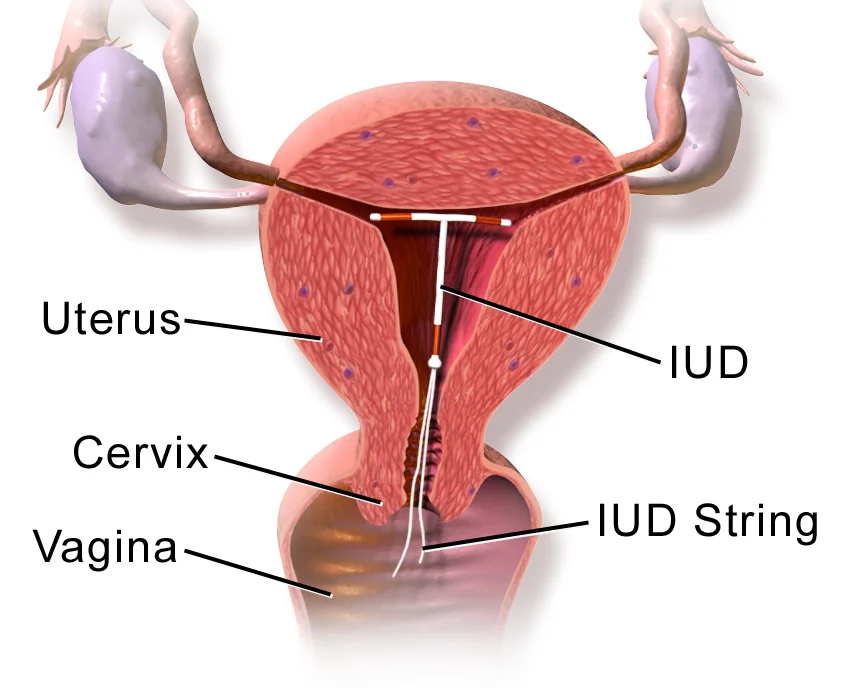
Mifepristone Added to Emergency Contraception Options
Another recommendation concerns emergency contraception.
Mifepristone at doses between 10 and 50 milligrams is included as an additional emergency contraceptive option. It should be taken as soon as possible and within five days following unprotected sex.
The evidence reviewed for the guidance indicates that these doses are likely to have safety and effectiveness comparable with other emergency contraceptive options.
The recommendation gives healthcare systems another option to consider when developing or updating emergency contraception services.
Some Contraceptive Methods Need More Research
The new guidance does not recommend expanding every contraceptive method currently being studied.
WHO has called for further research into ormeloxifene, particularly because available safety evidence remains limited.
The guidance also recommends against adding contraceptive pills containing quinestrol to national contraceptive programmes because of limited evidence and reports of serious adverse events.
The distinction is important. Expanding contraceptive choice also requires identifying methods for which evidence is not yet strong enough to support wider use.
Male Contraception Gets Greater Attention
The guidance also looks towards the future of male contraception.
Currently, men have relatively few contraceptive methods under their direct control, mainly condoms, withdrawal and vasectomy.
Research into new hormonal and non-hormonal approaches is continuing, with several potential products progressing through clinical development.
WHO has developed its first Target Product Profile for novel male contraceptive methods, outlining characteristics future products should aim to achieve, including safety, effectiveness, acceptability and affordability.
The framework is intended to provide researchers, developers and funders with clearer targets when developing new contraceptive technologies.
Research Shows Interest in New Male Methods
The push for additional male contraceptive options comes alongside research examining whether men and their partners would be willing to use them.
A study involving men and female partners in Colombia, Ghana, Morocco and Togo found that more than 75% of couples surveyed said they would probably or definitely be willing to use a new male contraceptive if it offered effectiveness comparable with a female contraceptive pill.
More than 85% of women participating in the survey said they would trust their male partners to take responsibility for contraception.
The findings indicate reported willingness to consider future products. They do not mean that a new male contraceptive is currently available or approved for routine use.
New Male Contraceptives Remain in Development
Several hormonal and non-hormonal male contraceptive candidates are currently being investigated.
Some have reached advanced clinical trials, but potential products still need to complete research, regulatory review and other development stages before they can become widely available.
WHO indicates that new reversible male contraceptives could potentially reach the market within the next five to 10 years, although that timeframe depends on successful development and regulatory progress.
For now, condoms, withdrawal and vasectomy remain the principal contraceptive options directly controlled by men.
Where Does Physiotherapy Fit Into Reproductive Health?
Contraceptive choice is primarily a medical and reproductive-health decision, but the physical effects associated with reproductive health can also influence a person’s everyday wellbeing.
Some women experience symptoms such as pelvic pain, painful sex, menstrual discomfort or changes in exercise tolerance. These symptoms are not necessarily caused by contraception, and they should not automatically be attributed to a contraceptive method.
When pelvic-floor muscle dysfunction or musculoskeletal factors are identified as contributors to pelvic pain or sexual pain, pelvic-health physiotherapy can form part of multidisciplinary care.
A physiotherapist may assess pelvic-floor muscle coordination, relaxation, breathing patterns, hip and pelvic movement and other physical factors that may contribute to symptoms.
This does not replace medical or gynaecological assessment. Instead, physiotherapy can complement it when a physical or pelvic-floor component is present.
The broader point is that contraceptive counselling can consider more than pregnancy prevention alone. Sexual comfort, menstrual symptoms, physical activity and overall quality of life can also matter when people discuss whether to start, continue or change a contraceptive method.
What the New Guidance Means
The latest recommendations do not introduce one universal contraceptive solution.
Instead, they broaden the range of options that countries can consider when developing family-planning services.
For some users, longer use of contraceptive implants could mean fewer replacement visits. Extended or continuous pill regimens offer another approach to oral contraception, while mifepristone provides an additional emergency contraception option.
At the same time, WHO is drawing attention to the need for further evidence around some methods rather than treating every emerging contraceptive technology as ready for wider adoption.
The focus on male contraception also signals a continuing effort to expand responsibility for pregnancy prevention beyond methods primarily used by women.
A Broader Future for Contraception
The direction of contraceptive research is increasingly centred on choice and flexibility.
For individuals, that can mean having more options that fit different health needs, lifestyles and reproductive plans. For healthcare systems, it means evaluating which methods have sufficient evidence, how they can be delivered safely and whether people can access them when needed.
Male contraception is likely to remain an important area of research as potential hormonal and non-hormonal methods progress through clinical development.
For now, the new guidance provides countries with additional evidence to consider as they update family-planning policies and expand the range of contraceptive options available to their populations.
Stay tuned with us for more health related topics.
Follow us on LinkedIn and Instagram for more.