TORONTO, CANADA: Birdwatching may do more than connect people with nature. New research suggests that identifying bird species is associated with differences in brain structure and activity in regions linked to attention, perception and memory.
Other studies suggest that watching birds may support psychological wellbeing and provide meaningful activities for older adults and people living with dementia. However, scientists have not yet proved that birdwatching prevents dementia or slows cognitive decline.
What Research Reveals About Birdwatching and Brain Health
The brain can adapt as people learn new skills. This ability, known as neuroplasticity, allows the brain to change its structure and function in response to experience.
Birdwatching requires several mental skills. People learn to recognize birds by their shape, color, beak, movements and calls. They also compare these features with previously learned information to identify different species.
A study published in The Journal of Neuroscience on 25 March 2026 examined whether years of bird identification experience were associated with differences in the brain.
Researchers compared 29 experienced bird identifiers with 29 beginners. They used brain scans and identification tasks to examine brain structure, activity and performance.
The experts showed differences in regions linked to attention, visual perception and recognition. They also had lower mean diffusivity in several brain regions. This MRI measure reflects how water molecules move through brain tissue and can provide information about tissue organization.
Some of the same regions were more active when experts identified unfamiliar birds. Across these regions, lower mean diffusivity was associated with better identification accuracy among experts.
The researchers interpreted these findings as evidence of experience-related changes in brain structure and function. They also found patterns that may indicate less pronounced age-related changes in some brain regions.
However, the study did not establish whether birdwatching caused these differences or whether people with particular brain characteristics were more likely to develop expertise. It also did not directly demonstrate that birdwatching prevents dementia. (Wing et al., 2026)
Birdwatching in Dementia Care
Birdwatching is also being used to create meaningful experiences for older adults living with dementia.
A BBC Future report by Becca Warner, published on 19 October 2026, described a weekly birdwatching group at Forge Mill Lake in the West Midlands, UK. The group, run by Age UK, gives older adults an opportunity to observe birds and share their experiences with others.
Some participants struggle with memory, confidence and everyday conversations. Yet observing birds together can encourage them to take part in discussions and become more engaged with their surroundings.
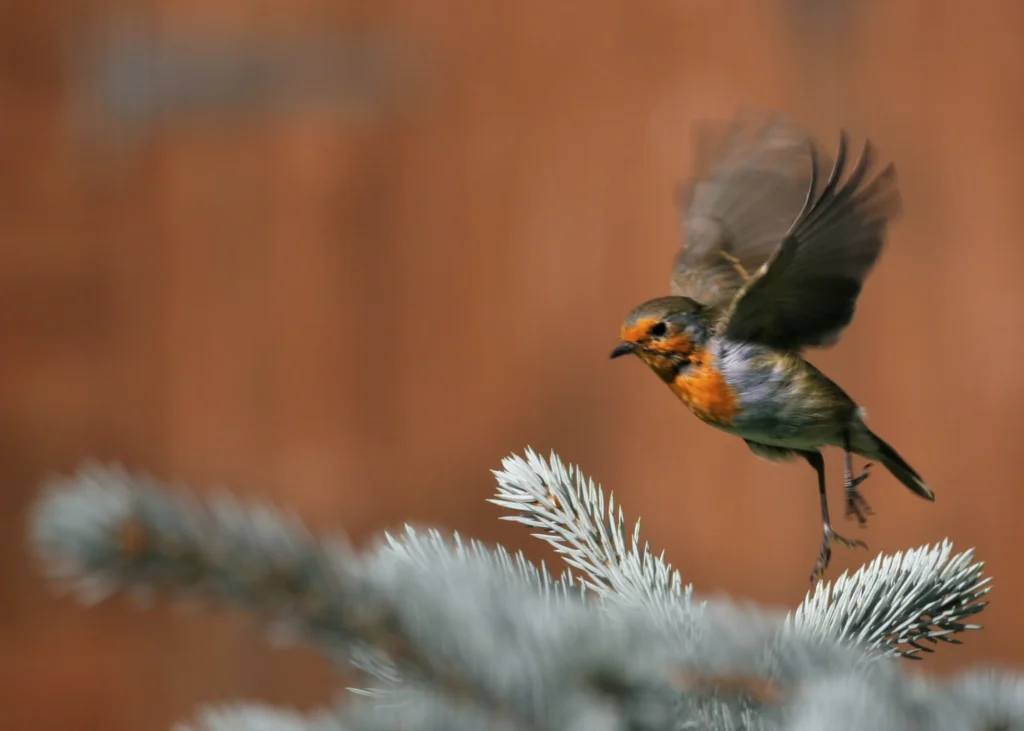
The report described a participant with dementia who initially felt apprehensive but began smiling while watching a robin and ducks. The experience gave him a chance to focus on the present rather than on his memory difficulties.
These moments do not prove that birdwatching treats dementia. However, they illustrate how an accessible activity can create opportunities for enjoyment, interaction and connection.
What Care-Home Research Found
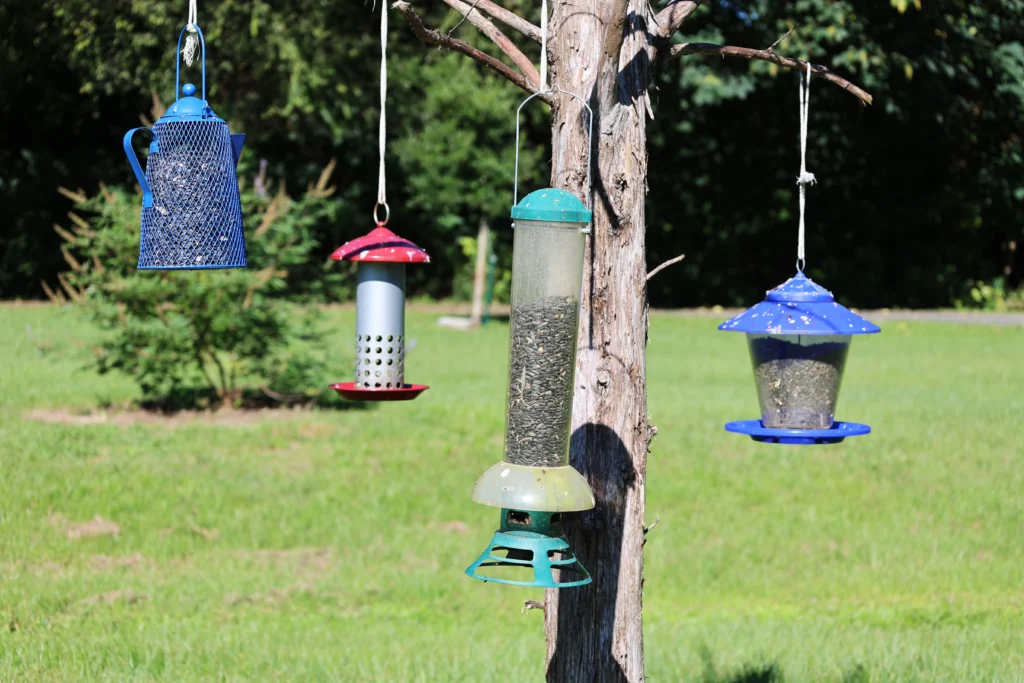
A study published in the Journal of Environmental Psychology examined birdwatching as a nature-based activity in 65 German nursing homes. The project provided bird feeders and materials that encouraged residents to observe wild birds.
The research involved 1,684 residents and included longitudinal assessments and a waitlist control group. Researchers examined wellbeing, cognitive resources, mobility and other aspects of health.
The findings suggested that regular nature experiences involving birdwatching could support residents’ wellbeing, cognitive resources and mobility. The researchers also highlighted the importance of residents’ emotional connection with nature. (Zieris et al., 2023)
The BBC report also described improvements in engagement, alertness, memory and concentration observed by care staff. Some changes were reported within three to four weeks.
Following the project, bird feeders and viewing areas were introduced in more than 400 nursing homes across Bavaria. This demonstrates how a simple nature-based activity can be incorporated into care environments, including settings where residents have limited mobility.
Birdwatching Benefits Beyond Expertise
People do not need to become expert birdwatchers to enjoy the activity. Research suggests that personal interest and enthusiasm may also influence how restorative the experience feels.
A study of 388 birdwatchers in Poland examined the relationship between their commitment to birdwatching and psychological restoration.
Participants who considered birdwatching an important part of their lives reported greater restorative benefits, even when they did not have the highest level of expertise.
Psychological restoration refers to feelings such as calm, freedom and mental renewal. The findings suggest that enjoyment and personal meaning may be important alongside technical knowledge.
However, the study relied on an online survey and does not prove that birdwatching causes these benefits. (Randler et al., 2022)
Everyday encounters with birds have also been linked with better self-reported mental wellbeing.
In a 2022 study, researchers analyzed 26,856 smartphone-based assessments from 1,292 participants.
Seeing or hearing birds was associated with improvements in reported mental wellbeing that persisted beyond the immediate encounter. The association was found among participants with and without a reported diagnosis of depression.
The study examined everyday experiences rather than a prescribed birdwatching program. Its findings therefore suggest an association between bird encounters and wellbeing, not proof that birdwatching treats depression or other mental health conditions. (Hammoud et al., 2022)
How Birdwatching Supports Social Connection
Birdwatching can bring together several activities that may make an experience meaningful. These include paying attention to the environment, learning about wildlife, sharing observations and discussing discoveries with other people.
Recognizing a familiar bird may encourage someone to recall a previous experience. Identifying a new species can introduce a learning challenge. Group activities can also give participants a shared subject to discuss when ordinary conversation feels difficult.
These benefits may be particularly relevant in care settings, where limited mobility, reduced social contact or cognitive difficulties can restrict participation in everyday activities.
The Bird Tales Program
In the United States, the Bird Tales program has used indoor nature activities to connect older adults in residential care with birds and wildlife.
The program includes bird feeders and bird models that produce bird-like calls, helping participants learn about different species even when they cannot easily access outdoor environments.
A study published in Clinical Gerontologist examined the program’s potential psychosocial benefits. Participants described the activities as cognitively stimulating and meaningful. They also reported opportunities for social interaction and connections with memories of the past.
These findings support the potential value of indoor nature activities in residential care, but they do not establish that the program prevents cognitive decline. (Lee et al., 2022)
Can Birdwatching Help Stroke Survivors?
Bird-centred activities are also being explored in rehabilitation for stroke survivors who experience aphasia.
Aphasia can affect speaking, understanding language, reading and writing. It may make everyday conversations difficult and reduce opportunities for social participation.
The University of Montana’s Intensive Comprehensive Aphasia Program has incorporated bird-related activities, including guided observation, learning about bird characteristics and identifying bird calls. The program introduced an outdoor owl observation activity in 2021 and has developed other bird-centered experiences over time.
A 2026 perspective paper in Frontiers in Bird Science described how bird observation could provide a shared focus for communication. Participants may point to a bird, use photographs, observe its behavior or discuss its calls, depending on their abilities.
These activities may create opportunities for interaction when spoken communication is challenging. However, the publication presents a framework and practical experiences rather than a controlled clinical trial proving that birdwatching improves aphasia outcomes.
Birdwatching should therefore complement, not replace, professional stroke rehabilitation and speech and language therapy. (Dreitz et al., 2026)
Why Curiosity Matters as People Age
Birdwatching gives people opportunities to notice unfamiliar details and learn something new. Each outing may involve different species, sounds, movements or behaviors.
This variety can encourage curiosity and sustained engagement. It also gives people a reason to practice observation and recall information they have learned.
Researchers studying bird identification suggest that developing a specialized skill may be associated with lasting differences in brain organization.
However, further research must establish whether beginning birdwatching later in life produces similar changes and whether those changes influence long-term cognitive health.
The practical value of birdwatching may also come from combining mental engagement with nature, enjoyment and social interaction rather than from a single isolated effect.
How to Start Birdwatching for Brain Health
Birdwatching does not require expensive equipment or advanced knowledge. Beginners can start in a garden, park, balcony or another accessible location.
A few simple habits can make the activity more engaging:
- Observe carefully: Notice a bird’s size, shape, color, beak and movements before identifying it.
- Listen to bird calls: Pay attention to differences in sound, pitch and rhythm.
- Learn gradually: Start with a few common local species and build knowledge over time.
- Share observations: Join a local birdwatching group or discuss sightings with friends and family.
- Use accessible spaces: Watch birds from a window or balcony if walking outdoors is difficult.
The goal is to make learning enjoyable and sustainable. Someone with mobility limitations can still observe birds from indoors, while another person may prefer guided walks or group sessions.
People living with dementia or recovering from a stroke may need activities adapted to their individual abilities. Caregivers and healthcare professionals can help select suitable activities alongside existing care or rehabilitation plans.
What the Evidence Does Not Yet Prove
The research provides promising evidence of associations between birdwatching, brain characteristics and wellbeing. However, these outcomes need to be understood separately.
Brain-imaging differences in experienced bird identifiers do not establish that the activity slows dementia. Observational studies of bird encounters cannot determine whether birds directly cause better mental wellbeing.
Care-home studies also examine specific settings and may not produce the same outcomes for every individual.
Larger studies that follow beginners over time could help researchers determine whether learning bird identification leads to lasting changes in brain structure, memory or cognitive performance.
Researchers also need to establish how often people should participate, how long they need to continue and whether any benefits persist after the activity stops.
Until stronger evidence becomes available, birdwatching should be viewed as a potentially rewarding leisure and nature-based activity, not as a proven treatment or prevention strategy for dementia.
Conclusion
Birdwatching may offer more than enjoyment of nature. Research suggests that expertise in bird identification is associated with differences in brain structure and activity, while other studies link bird encounters and nature-based activities with psychological wellbeing and engagement.
Care-home projects and rehabilitation programs also demonstrate how birdwatching can create accessible opportunities for learning, social interaction and meaningful participation.
These applications are promising, particularly for older adults and people who face barriers to outdoor activities.
However, scientists have not yet proved that birdwatching prevents dementia or slows cognitive decline. For now, it is best viewed as an enjoyable way to remain curious, engage with nature and connect with others throughout life.