


Introduction
Cardiopulmonary resuscitation (CPR) is a critical life-saving technique that can significantly increase survival rates during cardiac emergencies. However, in India, awareness and training in CPR remain alarmingly low. This knowledge gap has profound consequences, especially in a country where sudden cardiac arrest (SCA) is a leading cause of death. The absence of widespread CPR education deepens existing healthcare disparities, particularly affecting marginalized communities with limited access to emergency medical services.
This article explores the consequences of inadequate CPR awareness in India, the role of bystanders in emergency situations, and the urgent need for CPR education to bridge the health divide.
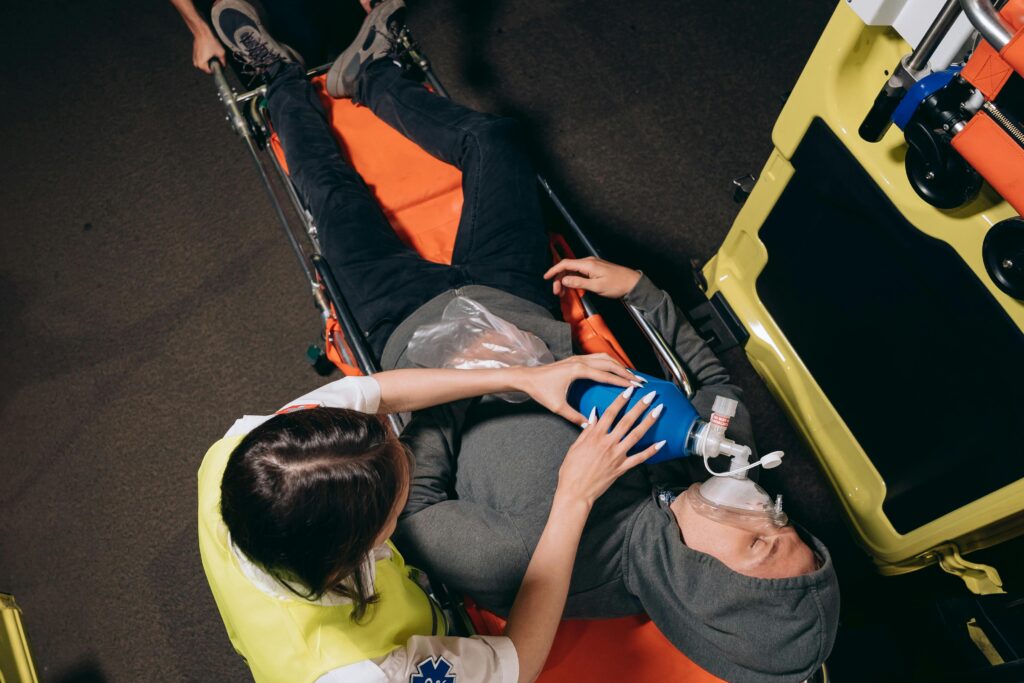
The Role of CPR in Preventing Sudden Cardiac Deaths
Sudden cardiac arrest occurs when the heart unexpectedly stops beating due to electrical disturbances. Unlike a heart attack, which results from a blocked artery, SCA can strike without warning and requires immediate intervention to prevent death. CPR, when performed correctly and promptly, maintains blood circulation and oxygen delivery to vital organs until professional medical help arrives.
In developed nations, bystander CPR rates are significantly higher due to extensive public training programs. In India, however, CPR awareness is worryingly low, with studies indicating that less than 2% of the population is trained in basic life support (BLS). This stark difference translates into thousands of avoidable deaths each year.
How Low CPR Awareness Worsens Health Inequality
- Lack of Immediate Intervention
A significant percentage of cardiac arrests occur at home, yet in India, bystanders are often ill-equipped to provide immediate assistance. With emergency medical response times being slow, especially in rural areas, the absence of CPR knowledge among family members can lead to a fatal delay in resuscitation efforts.
- Limited Access to Emergency Medical Services (EMS)
India’s emergency medical services are highly uneven, with major metropolitan areas having better-equipped ambulances and trained personnel while rural and semi-urban regions struggle with inadequate healthcare infrastructure. In such areas, knowing CPR could mean the difference between life and death, as waiting for an ambulance may take far too long.
- Gender and Socioeconomic Disparities
Women and individuals from lower socioeconomic backgrounds face greater risks due to a lack of access to health education and training. Studies show that people are often hesitant to perform CPR on women due to cultural stigmas and fears of inappropriate contact. Additionally, individuals from lower-income groups are less likely to receive CPR training, further widening the health inequality gap.
The Current State of CPR Training in India
While several organizations, hospitals, and NGOs conduct CPR training workshops, they primarily target healthcare professionals rather than the general public. School curriculums and workplace safety programs rarely include CPR training, leaving the majority of Indians unaware of this critical skill.
A 2021 survey by the Indian Resuscitation Council found that:
Less than 5% of Indians have undergone CPR training.
Over 70% of people are unaware of what CPR entails.
Only 1 in 10 individuals would feel confident performing CPR in an emergency.
These statistics indicate a dire need for large-scale CPR training programs to be implemented across India.
Addressing the CPR Knowledge Gap: Solutions and Recommendations
- Integrating CPR Training in Schools and Colleges
One of the most effective ways to increase CPR awareness is to incorporate it into the school curriculum. Countries like Denmark have made CPR training mandatory in schools, leading to a drastic improvement in bystander intervention rates. Indian educational boards should adopt similar policies to equip future generations with life-saving skills.
- Workplace and Community-Based Training
Corporate organizations and local governing bodies can play a crucial role in promoting CPR awareness. Companies can include CPR training as part of employee wellness programs, and community centers can host regular workshops, particularly in underserved areas.
- Media and Digital Awareness Campaigns
Leveraging social media, television, and digital platforms can significantly boost CPR awareness. Engaging campaigns demonstrating simple CPR techniques, shared through platforms like YouTube, Instagram, and WhatsApp, can reach millions of people quickly and effectively.
- Government Policies and Public Health Initiatives
The Indian government should introduce CPR training as part of its public health policies. Just as vaccinations and sanitation campaigns have improved health outcomes, widespread CPR training can save thousands of lives annually. Partnerships with NGOs and medical institutions can facilitate free or subsidized training programs, particularly in rural and low-income areas.
- Legal Protection for Bystanders
A major barrier preventing individuals from performing CPR is the fear of legal repercussions. The government should strengthen Good Samaritan laws to protect individuals who provide emergency medical aid. Clear legal provisions can encourage bystanders to intervene in critical situations without fear of liability.
Success Stories: Countries with High Bystander CPR Rates
Countries like Sweden, Norway, and the United States have successfully increased bystander CPR rates through national training programs and legal protections. For example, in Seattle, USA, over 60% of cardiac arrest cases receive bystander CPR, resulting in one of the highest survival rates globally. India can learn from these models and implement similar strategies to improve survival outcomes.
Conclusion
The lack of CPR awareness in India has severe consequences, exacerbating existing health disparities and contributing to preventable deaths. In a country where emergency medical response is often delayed, equipping the general public with CPR knowledge is not just beneficial—it is essential.
Immediate steps, including school and workplace training, digital awareness campaigns, legal protections, and government-backed initiatives, can bridge this life-threatening knowledge gap. Saving lives should not be a privilege limited to those with access to advanced healthcare facilities but a fundamental right for all.
Widespread CPR education has the potential to transform India’s emergency healthcare landscape, empowering ordinary citizens to become first responders. The time to act is now—because knowing CPR doesn’t just change statistics, it saves lives.
Read About : What to Do During a Heart Attack Alone: A Life-Saving Guide
Visit Us at : https://g.co/kgs/rTqAjgt


