
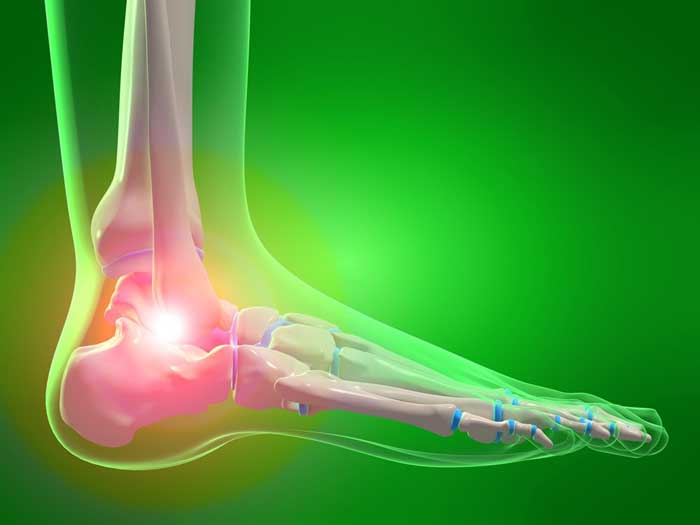

High uric acid level, known medically as hyperuricemia, have become a growing concern due to their association with various health conditions, including gout, kidney stones, and cardiovascular diseases.
Recent research has shed light on the causes, implications, and management strategies for high uric acid levels, emphasizing the importance of understanding and addressing this metabolic issue.
Understanding Uric Acid and Its Role in the Body
Uric acid is a waste product resulting from the breakdown of purines—substances found in certain foods and produced by the body. Under normal circumstances, uric acid dissolves in the blood, passes through the kidneys, and is excreted in urine.
However, when the body produces excessive uric acid or the kidneys fail to eliminate sufficient amounts, hyperuricemia occurs.
Causes of Elevated Uric Acid Levels
Several factors contribute to increased uric acid levels:
Dietary Choices:
Consuming foods high in purines, such as red meat, organ meats, and certain seafood, can elevate uric acid production. Additionally, beverages like beer and spirits have been linked to higher uric acid levels.
Genetic Predisposition:
Some individuals inherit genetic factors that affect how their bodies process purines, making them more susceptible to hyperuricemia.
Medical Conditions:
Diseases such as obesity, hypertension, insulin resistance, and renal insufficiency can impair the body’s ability to manage uric acid levels.
Medications:
Certain drugs, including diuretics and immunosuppressants, can interfere with uric acid excretion.
Health Implications of High Uric Acid Levels
While hyperuricemia itself may not present immediate symptoms, it can lead to several health complications over time:
Gout:
This form of arthritis arises when uric acid crystals accumulate in joints, causing intense pain, redness, and swelling. Gout typically affects the big toe but can occur in other joints.
Kidney Stones:
Elevated uric acid can lead to the formation of stones in the kidneys, resulting in severe pain, nausea, and potential urinary tract infections.
Cardiovascular Diseases:
Recent studies have linked high uric acid levels with an increased risk of hypertension, heart disease, and stroke. The exact mechanisms remain under investigation, but inflammation and oxidative stress are believed to play roles.
Metabolic Syndrome:
Hyperuricemia is often associated with metabolic syndrome—a cluster of conditions including increased blood pressure, high blood sugar, excess body fat around the waist, and abnormal cholesterol levels—which elevates the risk of heart disease, stroke, and type 2 diabetes.
Recent Research and Findings
Emerging studies have provided deeper insights into hyperuricemia:
- Alcohol Consumption and Gout Risk: A study published in JAMA Network Open highlighted that men who consumed alcohol at least five times a week had double the risk of developing gout compared to those who drank less frequently. Beer and cider were particularly associated with a higher risk.
- Dietary Patterns and Uric Acid Levels: Research from Spain suggested that adherence to the Mediterranean diet, rich in fruits, vegetables, whole grains, nuts, seeds, fish, legumes, and olive oil, is associated with lower uric acid levels and reduced risk factors for metabolic syndrome.
Management and Treatment Strategies
Addressing elevated uric acid levels involves a combination of lifestyle modifications and medical interventions:
Dietary Modifications:
Reduce Purine-Rich Foods: Limiting intake of high-purine foods can decrease uric acid production.
Increase Hydration: Drinking ample water helps dilute uric acid and promotes its excretion.
Limit Alcohol Consumption: Reducing or eliminating alcohol, especially beer and spirits, can lower uric acid levels.
Adopt a Balanced Diet: Embracing dietary patterns like the Mediterranean diet may help manage uric acid levels and improve overall health.
Medications:
Urate-Lowering Therapies: Drugs such as allopurinol or febuxostat can reduce uric acid production.
Uricosuric Agents: Medications like probenecid enhance the kidneys’ ability to excrete uric acid.
Anti-Inflammatory Drugs: Nonsteroidal anti-inflammatory drugs (NSAIDs), colchicine, or corticosteroids can manage inflammation and pain during gout attacks.
Regular Monitoring:
Routine blood tests can help track uric acid levels and assess the effectiveness of interventions.
Address Underlying Conditions:
Managing associated health issues such as obesity, hypertension, and diabetes is crucial in controlling uric acid levels.
Preventive Measures
To prevent hyperuricemia and its associated complications:
- Maintain a Healthy Weight: Achieving and sustaining a healthy weight can reduce the risk of hyperuricemia.
- Exercise Regularly: Engaging in physical activity helps manage weight and improve overall metabolic health.
- Limit Sugary Beverages: Reducing consumption of sugar-sweetened drinks can help lower uric acid levels.
- Monitor Medications: Discuss with healthcare providers the potential impact of prescribed medications on uric acid levels.
Role of Physiotherapy in Managing High Uric Acid Levels
Physiotherapy plays a crucial role in managing conditions associated with elevated uric acid levels, particularly gout, arthritis, and kidney-related issues. While medication and dietary modifications help control uric acid, physiotherapy enhances mobility, reduces pain, and prevents complications.
1. Pain Management & Joint Mobility
- Gout and hyperuricemia-related arthritis can cause stiffness, swelling, and intense pain in the joints, especially in the toes, knees, and hands.
- Physiotherapists use specialized exercises, stretching techniques, and massage therapy to improve flexibility and reduce discomfort.
2. Anti-Inflammatory Techniques
- Hydrotherapy (water-based exercises) helps relieve joint stress while promoting blood circulation and reducing inflammation.
- Cryotherapy (cold therapy) can be used during acute gout attacks to soothe swelling and pain.
3. Strength & Balance Training
- Long-term high uric acid levels can lead to muscle weakness and joint instability.
- Strength training exercises help patients regain control over affected areas, preventing falls and further joint damage.
4. Weight Management & Cardiovascular Health
- Excess body weight contributes to hyperuricemia, increasing the risk of gout attacks.
- Low-impact aerobic exercises like walking, cycling, and swimming assist in weight loss while keeping uric acid levels in check.
5. Lifestyle Modifications & Patient Education
- Physiotherapists educate patients on posture correction, ergonomic adjustments, and daily movement modifications to avoid joint stress.
- Personalized exercise regimens tailored to a patient’s condition ensure long-term relief and improved quality of life.
Physiotherapy, combined with medication and dietary changes, forms a holistic approach to managing high uric acid levels. It relieves pain, enhances mobility, prevents complications, and improves overall well-being, making it an essential part of hyperuricemia treatment.
Conclusion
Elevated uric acid levels are a significant health concern due to their association with various medical conditions. Understanding the causes, health implications, and management strategies is essential for preventing complications.
Recent research underscores the importance of lifestyle modifications, particularly dietary choices, in managing uric acid levels. By adopting healthy habits and seeking appropriate medical care, individuals can effectively control uric acid levels and maintain overall well-being.
Read About : Arthritis- Everything You Must Know About
Visit Us At : https://g.co/kgs/rTqAjgt


