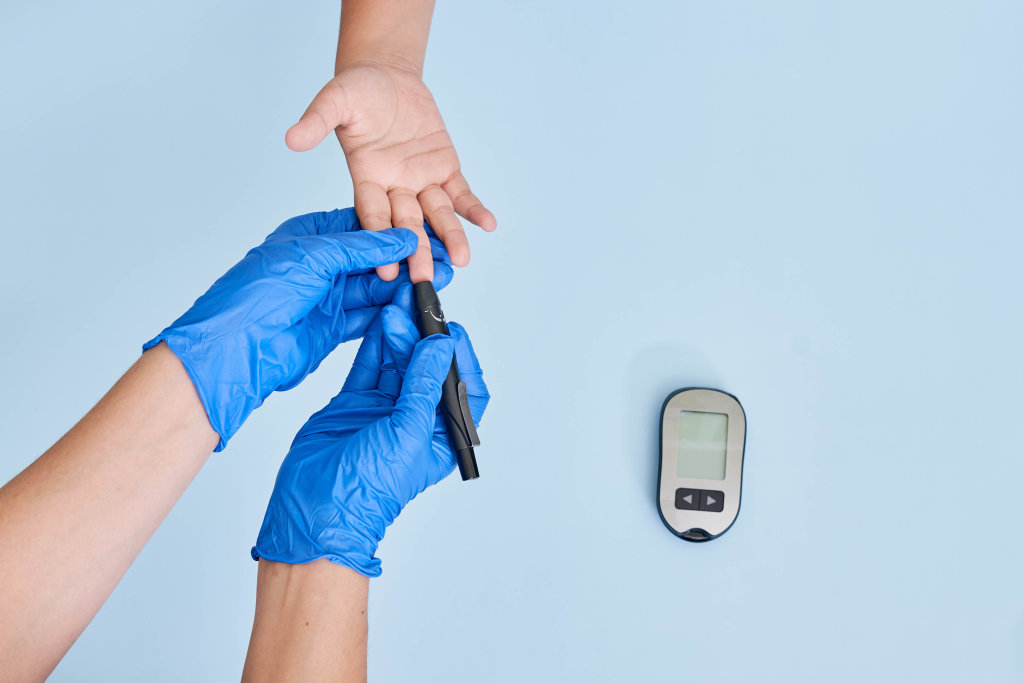


A 42-year-old woman has become the first patient in the UK to receive teplizumab through routine clinical care. The new immunotherapy aims to delay the progression of Type 1 diabetes before symptoms develop and insulin treatment becomes necessary.
Annette Quilter received the treatment at Queen Elizabeth Hospital Birmingham after doctors identified her with Stage 2 Type 1 diabetes.
The development marks an important step in early diabetes treatment, as the drug targets the immune response responsible for damaging insulin-producing cells.
A New Treatment Offers Hope for People with Early-Stage Type 1 Diabetes
Annette Quilter, a 42-year-old woman from Shropshire, became the first person in the UK to receive teplizumab as part of standard clinical care at Queen Elizabeth Hospital Birmingham (QEHB), part of University Hospitals Birmingham (UHB).
The hospital announced the milestone on 5 November 2026. Quilter was diagnosed with Stage 2 Type 1 diabetes during the summer and was identified as eligible for treatment following specialist screening and medical assessment.
The development was also reported by BBC News.
Quilter is a general practitioner and mother of three young children. She described her diagnosis as a shock but was relieved that doctors detected the condition early enough for her to receive the new treatment.
She explained that delaying the need for insulin would give her valuable time to prepare for managing diabetes alongside her professional and family responsibilities.
She also expressed gratitude for receiving the treatment now that it is available through the NHS.
Her experience highlights the importance of early detection. Identifying Type 1 diabetes before symptoms develop can help eligible patients access treatments that may delay the need for insulin.
University Hospitals Birmingham (2026) confirmed that its specialist diabetes team arranged the treatment with support from the hospital’s infusion nursing and pharmacy teams.
Understanding the Three Stages of Type 1 Diabetes
Type 1 diabetes is a lifelong autoimmune condition. It develops when the immune system mistakenly attacks the insulin-producing beta cells in the pancreas.
Insulin is a hormone that helps glucose move from the bloodstream into the body’s cells for energy. When the immune system damages the beta cells, the pancreas gradually loses its ability to produce enough insulin.
The condition develops through three recognized stages.
Stage 1: Early autoimmune activity
The immune system starts attacking insulin-producing cells. Blood tests detect multiple diabetes-related autoantibodies, but blood glucose levels remain normal.
People at this stage generally have no symptoms.
Stage 2: Early-stage Type 1 diabetes
The autoimmune process continues, and blood glucose regulation begins to change.
People at this stage have at least two diabetes-related autoantibodies and abnormal glucose regulation. However, they have not developed the usual symptoms of clinical diabetes.
This is the stage at which teplizumab can be prescribed to eligible patients.
Stage 3: Clinical Type 1 diabetes
The damage to insulin-producing cells results in diabetes-level blood glucose. Symptoms may include:
- Increased thirst.
- Frequent urination.
- Unexplained weight loss.
- Extreme tiredness.
- Increased hunger.
Patients generally require insulin treatment to manage their blood glucose levels.
Recognizing these stages is important because teplizumab is designed for people with Stage 2 disease, before they develop symptomatic Type 1 diabetes.
The American Diabetes Association’s Standards of Care in Diabetes (2026) explains the differences between the three stages and their diagnostic characteristics.

How Does Teplizumab Work?
Teplizumab, marketed under the brand name Tzield, is an immunotherapy that modifies the immune response responsible for damaging insulin-producing cells.
It is a monoclonal antibody that targets CD3, a protein found on the surface of T lymphocytes. These immune cells play an important role in the body’s defense against infections.
In people with Type 1 diabetes, certain T cells mistakenly attack the insulin-producing beta cells in the pancreas.
Teplizumab binds to CD3 and changes the activity of these immune cells. Its mechanism may involve reducing the activity of autoreactive T cells and increasing the proportion of regulatory T cells.
This may help protect the remaining insulin-producing cells for longer and delay the progression towards symptomatic diabetes.
Unlike conventional diabetes treatments, which mainly focus on controlling blood glucose, teplizumab targets an underlying immune process involved in the development of the condition.
However, it does not restore beta cells that have already been destroyed. It also cannot guarantee that a patient will avoid insulin treatment.
The UK Summary of Product Characteristics for Tzield explains how teplizumab binds to CD3 and modifies T-cell activity.
What Clinical Trials Reveal About Teplizumab
Clinical research has shown that teplizumab can delay the development of symptomatic Type 1 diabetes in people with Stage 2 disease.
One important study, known as TN-10, evaluated the treatment in 76 people aged between 8 and 49 years with Stage 2 Type 1 diabetes.
Participants received either teplizumab or a placebo through a 14-day treatment course.
The results showed:
| Clinical outcome | Teplizumab group | Placebo group |
|---|---|---|
| Participants who developed Stage 3 diabetes | 45% | 72% |
| Median time to Stage 3 diagnosis | 50 months | 25 months |
The median time to diagnosis was 25 months longer in the teplizumab group than in the placebo group.
The study also reported a hazard ratio of 0.41, indicating a significant reduction in the rate of progression to Stage 3 diabetes during the study period.
These findings suggest that modifying the immune response can delay the development of clinical diabetes in eligible patients.
The official UK medicine information and TN-10 trial results provide details of the study and its findings.
The National Institute for Health and Care Excellence (NICE) also reviewed clinical evidence and reported that teplizumab could delay the onset of symptomatic Type 1 diabetes by an average of nearly three years.
However, the delay varies between individuals. Some patients may experience a longer period before developing symptoms, while others may progress sooner.
These results should not be interpreted as a guarantee that every patient will receive three additional years without insulin. (NICE, June 2026).
Who Can Receive Teplizumab Through the NHS?
Teplizumab is intended for people who have reached Stage 2 Type 1 diabetes and meet specific clinical requirements.
In June 2026, the treatment became available through the NHS for eligible children aged eight and above and adults with Stage 2 Type 1 diabetes, according to University Hospitals Birmingham.
Patients must undergo specialist assessment to confirm their diagnosis.
The main clinical requirements include:
Diabetes-related autoantibodies: Blood tests must identify at least two positive pancreatic islet autoantibodies. These indicate that the immune system has started attacking insulin-producing cells.
Abnormal glucose regulation: Tests must show dysglycaemia, meaning blood glucose regulation has started to change without reaching the level of overt clinical diabetes.
Medical assessment: Specialists must review the patient’s medical history, blood counts, liver function and infection status before treatment.
People with a parent, sibling or child diagnosed with Type 1 diabetes may have a higher risk of developing the condition. Early screening can help identify some people who may benefit from further assessment.
However, family history alone does not qualify someone for teplizumab. The required clinical findings must confirm Stage 2 disease.
The MHRA’s product authorisation information provides the specific patient selection and diagnostic requirements.
The Role of Early Screening in Preventing Delayed Diagnosis
Early screening is important because many people with Stage 1 and Stage 2 Type 1 diabetes do not experience noticeable symptoms.
The ELSA Study is one UK research initiative investigating ways to identify Type 1 diabetes before symptoms develop.
Led by researchers associated with the University of Birmingham, the program uses a simple finger-prick blood test to detect signs of autoimmune activity.
The study aims to recruit 70,000 children and young adults aged between two and 17 years across the UK. Its objective is to assess the feasibility and benefits of childhood screening for Type 1 diabetes.
Identifying autoantibodies early can help healthcare professionals determine whether further testing and monitoring are needed.
This approach may also help families prepare for a possible diagnosis and allow eligible patients to discuss early treatment options with specialists.
The ELSA Study provides information about the screening program, eligibility and participation.
Birmingham Researchers Help Bring the Treatment to Patients
The first UK treatment also highlights years of diabetes research and collaboration involving the University of Birmingham and University Hospitals Birmingham.
Several specialists contributed to the work:
- Dr Danijela Tatovic: Consultant Diabetologist at Queen Elizabeth Hospital Birmingham and clinical researcher.
- Professor Parth Narendran: Honorary Consultant Physician at University Hospitals Birmingham.
- Dr Lauren Quinn: Specialty Registrar in Diabetes and Endocrinology.
The clinical, nursing and pharmacy teams also helped establish the arrangements needed to deliver the treatment.
Dr Tatovic described the development as an important change in Type 1 diabetes treatment because it gives patients and families additional time before the condition progresses to insulin-requiring disease.
The University of Birmingham (6 November 2026) highlighted the university team’s contribution to the research and the process of bringing teplizumab into routine clinical care.
Type 1 diabetes affects up to 400,000 people in the UK, according to University Hospitals Birmingham. Better screening and earlier intervention could therefore have wider implications for diabetes care.
How Is Teplizumab Administered?
Teplizumab is administered through an intravenous infusion, which means the medication enters the bloodstream through a vein.
The standard treatment course involves:
- Treatment duration: 14 consecutive days.
- Frequency: One infusion every day.
- Infusion time: At least 30 minutes.
- Monitoring: Medical observation and regular blood tests.
Each infusion takes approximately 30 minutes, followed by a period of observation.
At Queen Elizabeth Hospital Birmingham, Annette Quilter is receiving one infusion each day as part of the 14-day treatment program.
Healthcare professionals monitor patients throughout the course to check their response and identify possible complications.
The MHRA-authorized medicine information provides further details about administration and monitoring requirements.
What Are the Possible Side Effects of Teplizumab?
Although teplizumab offers a new treatment option, it can cause side effects. Patients require medical assessment before starting treatment and monitoring throughout the course.
Some reported side effects include:
- Reduced lymphocyte and other white blood cell counts.
- Skin rash and itching.
- Headache.
- Nausea, diarrhea and vomiting.
- Fever and chills.
- Fatigue.
- Changes in liver enzyme levels.
A reduction in lymphocytes, a type of white blood cell, is particularly important because these cells help the body fight infections.
More serious complications can also occur.
Cytokine release syndrome is an inflammatory reaction that may cause fever, nausea, fatigue, headache and changes in liver function.
Patients may also develop infections, including viral infections. Reactivation of the Epstein-Barr virus has been reported.
Before treatment, healthcare professionals assess blood counts and liver function. They also check for active Epstein-Barr virus and cytomegalovirus infections.
Patients require monitoring for signs of infection during treatment and for at least two months after the final dose.
The decision to prescribe teplizumab requires an individual assessment of its potential benefits and risks. (UK Summary of Product Characteristics for Tzield, safety information).
Does Teplizumab Cure Type 1 Diabetes?
No. Teplizumab is not a cure for Type 1 diabetes.
It is designed to delay progression from Stage 2 to Stage 3 by modifying the immune response responsible for damaging insulin-producing cells.
The treatment may give eligible patients additional time before symptoms develop and insulin becomes necessary.
However, it cannot guarantee that a person will avoid clinical diabetes. Patients who progress to Stage 3 will still require appropriate diabetes management, including insulin treatment.
It is also important to understand that teplizumab is not a replacement for insulin in people who already have established Type 1 diabetes.
The treatment represents progress towards delaying the disease rather than reversing or eliminating it.
What This Means for the Future of Type 1 Diabetes Treatment
The first UK patient to receive teplizumab through routine clinical care marks an important development in diabetes treatment.
For decades, insulin has remained central to managing Type 1 diabetes. Teplizumab introduces another approach by targeting the immune response before symptomatic diabetes develops.
Its availability also highlights the importance of early identification through appropriate screening and specialist assessment.
Research programs such as ELSA may help improve early detection, while further clinical studies will provide more information about the long-term effectiveness and safety of immunotherapy.
Although teplizumab does not cure Type 1 diabetes, it offers eligible patients an opportunity to delay its progression and prepare for future treatment.
The development represents a move towards earlier intervention, giving patients more options before the condition reaches its symptomatic stage.