SOUTH CAROLINA
South Carolina has reported 670 measles cases in 2026, giving the state the second-highest total among U.S. states, according to CDC data.
Health officials say there are currently no active measles cases in the state, but they continue to urge families to stay up to date on vaccinations.
South Carolina Records 670 Cases
The CDC reported 670 confirmed measles cases in South Carolina as of October 1, 2026.
Pennsylvania had the highest state total at 745 cases, placing South Carolina second nationally.
The latest figures reflect confirmed cases reported to the CDC and are preliminary.
The agency notes that 2025 and 2026 case counts can change as additional information becomes available.
The figures show that South Carolina remains one of the states most affected by the current rise in measles cases across the United States.
The WRDW/WAGT report reported that the state’s 670 cases represent the second-highest total recorded by any state this year.
Mothers Highlight Vaccination
Two mothers interviewed for the report said they were not aware that South Carolina had recorded 670 measles cases this year.
Kali Bremner said she did not know the number of cases reported in the state.
Scottie Ernest also said she was unaware of the figure and expressed concern about measles generally.
Both mothers said their children are vaccinated.
Their comments reflect the importance of vaccination as health officials continue to monitor measles activity in South Carolina.
Health Officials Warn of Wider Spread
Dr. Martha Buchanan, director of the South Carolina Department of Public Health’s Bureau of Communicable Disease Prevention and Control, said vaccination remains one of the most important steps families can take to prevent measles.
Buchanan warned that continued declines in vaccination could allow measles to become endemic again in the United States, leading to regular transmission in schools, churches and communities.
The warning is significant because measles can spread rapidly when the virus reaches communities with insufficient immunity.
CDC data show that more than 95% vaccination coverage in a community helps provide community immunity.
However, U.S. MMR vaccination coverage among kindergartners declined from 95.2% during the 2019-2020 school year to 92.4% during the 2025-2026 school year.
No Active Cases in State
The South Carolina Department of Public Health currently reports no active measles cases in the state.
The absence of active cases does not change the importance of vaccination.
Measles can be introduced through travel and spread when it reaches people who are not immune.
CDC surveillance recorded 3,887 confirmed measles cases across the United States as of October 1, 2026.
Doctor Explains Measles Treatment
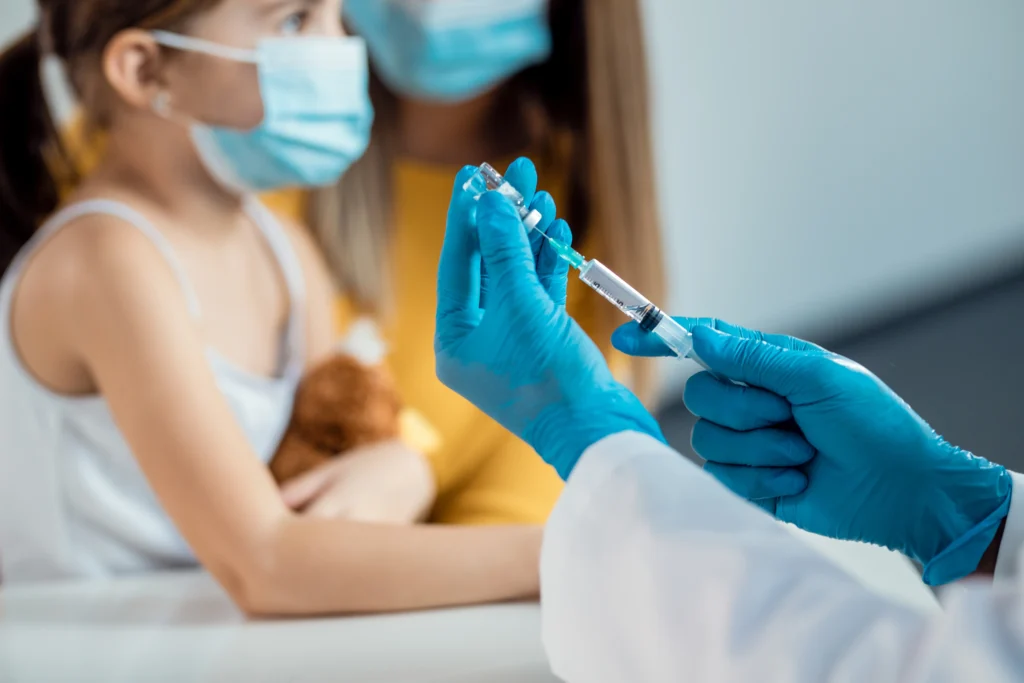
Dr. Stephanie Radu, an emergency medicine physician and chief resident at Grand Strand Medical Center, said measles does not have a specific cure.
Treatment focuses on managing symptoms, making prevention especially important.
Radu also emphasized vaccination as a key protection against the disease.
Measles is a highly contagious viral disease.
Its early symptoms commonly include fever, cough, runny nose and red or watery eyes.
A rash usually develops after these initial symptoms and spreads from the face downward across the body.
Measles Can Cause Complications
Although many people recover from measles, the infection can cause serious complications.
Young children are particularly vulnerable.
Measles can lead to pneumonia, ear infections, diarrhea and encephalitis, an inflammation of the brain.
The disease can also be especially dangerous for infants, pregnant women, adults and people with weakened immune systems.
Because measles is highly contagious, preventing infection is a major part of controlling outbreaks.
Vaccination Remains the Main Protection
The measles, mumps and rubella vaccine remains the primary tool for preventing measles.
The CDC recommends two doses of MMR vaccine for children.
Two doses provide about 97% protection against measles, while one dose provides about 93% protection.
High vaccination coverage also helps protect people who cannot receive certain vaccines or who remain vulnerable despite vaccination.
Families should check vaccination records and speak with a healthcare professional if they are unsure whether a child or adult is up to date.
South Carolina’s Measles Outbreak History
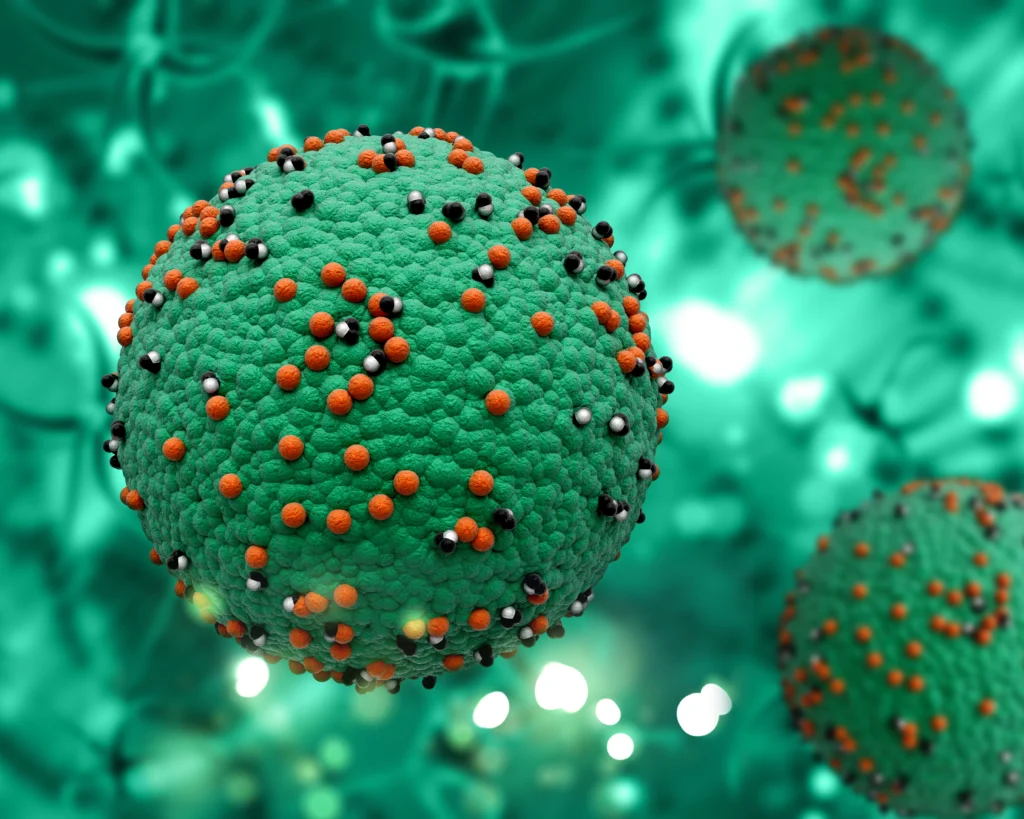
South Carolina’s current case total follows a major measles outbreak that began in the state’s Upstate region during late 2025.
CDC reporting documented a large outbreak centered largely around Spartanburg County.
The outbreak was associated with lower MMR vaccination coverage in some affected communities.
CDC later reported that the South Carolina outbreak from October 2025 through March 2026 reached 997 cases, making it the largest U.S. measles outbreak in approximately three decades at that time.
The broader 2026 case count demonstrates that measles activity remains a public health concern even after the major outbreak period.
U.S. Measles Cases Continue to Rise
South Carolina is part of a wider national increase in measles cases.
As of October 1, the CDC reported 3,887 confirmed measles cases in the United States during 2026.
The agency’s state data showed Pennsylvania with 745 cases, South Carolina with 670, Utah with 527 and Texas with 192.
The CDC continues to describe the 2026 figures as preliminary, meaning totals may change as jurisdictions update their surveillance data.
What Families Should Do
Families can reduce the risk of measles by keeping routine vaccinations up to date.
People who develop symptoms consistent with measles after a possible exposure should contact a healthcare provider before visiting a medical facility.
Calling ahead allows healthcare staff to take precautions and reduce potential exposure to other patients.
Anyone who is concerned about vaccination status or possible exposure should discuss the situation with a healthcare professional.
South Carolina Measles Cases: Key Takeaway
South Carolina has reported 670 measles cases in 2026, the second-highest total among U.S. states based on CDC data from October 1.
Although the South Carolina Department of Public Health reports no active cases at present, health officials continue to stress vaccination as the strongest tool for preventing further spread.
The comments from state health officials, doctors and local parents underline the same message: maintaining vaccination coverage remains essential to preventing measles from becoming routinely established in communities.
Stay tuned with us for more health related topics.
Follow us on LinkedIn and Instagram for more.