

ATLANTA, GEORGIA: The 2026-2027 U.S. flu season is starting earlier than usual, with infections rising across the South and West. Seven states are already reporting high flu activity, and Louisiana is currently experiencing the highest levels.
The Centers for Disease Control and Prevention (CDC) estimates that influenza has caused at least 2.6 million illnesses, 36,000 hospitalizations and 2,100 deaths so far this season. Health experts are concerned about the early rise in hospitalizations and expect infections to increase as Thanksgiving gatherings approach.
Early Flu Activity Raises Concerns Across the United States
The United States is experiencing an unusually early increase in seasonal influenza activity. According to the CDC’s surveillance report published on November 13, 2026, seven states reported high flu activity during the week ending November 7. This was an increase from two states the previous week.
The affected states are:
- California
- Louisiana
- Oregon
- South Carolina
- Tennessee
- Texas
- Washington
Louisiana currently has the highest reported flu activity, while several other states across the South and West are also experiencing rising infections.
The CDC reported that 3.2% of patient visits monitored through its Outpatient Influenza-like Illness Surveillance Network involved influenza-like illness during the latest reporting week. This was above the national baseline of 2.9%.
Influenza-like illness includes symptoms such as fever with cough or sore throat. These visits do not all represent confirmed influenza infections because other respiratory viruses can produce similar symptoms.
Laboratory testing provides another indication of the increase. During the same week, 11.3% of respiratory specimens tested by clinical laboratories were positive for influenza.
The CDC cautions that early increases in flu activity do not necessarily mean the season will reach a higher peak or become more severe overall. (CDC, 2026)
Louisiana Reports the Highest Flu Activity
Louisiana is currently experiencing the strongest flu activity among the states reporting high levels.
Early flu surges are not unusual in Louisiana. However, several underlying factors may contribute to the state’s recurring early outbreaks.
Dr. Fred Lopez, an infectious disease specialist at LSU Health Sciences Center in New Orleans, identified lower vaccination rates, higher poverty rates and difficulties accessing healthcare as contributing factors.
These conditions can affect how quickly people receive preventive care, access treatment and recover from infections.
Lopez also warned that flu activity was likely to increase over the following one to two months. His assessment highlights the possibility of further infections as the country moves deeper into the winter season.
A November 14 report published by the Los Angeles Times, carrying Associated Press health reporting by Mike Stobbe, highlighted these concerns and the growing pressure from early influenza activity.
The report also noted that infectious disease specialists were concerned about the timing of the increase, particularly because the flu hospitalization rate in mid-October was the highest recorded at that point in autumn in more than 15 years.
Dr. Anna Durbin of Johns Hopkins University highlighted this historical comparison during a recent media briefing.
This trend raises concerns about healthcare demand, although it does not establish that the entire 2026-2027 season will be more severe than previous seasons.
CDC Estimates 2.6 Million Flu Illnesses So Far
The early rise in influenza activity has already resulted in a substantial disease burden.
According to the CDC’s preliminary estimates, influenza has caused at least:
U.S. Flu Season 2026-2027: Latest Estimates
Source: CDC, Week 44 surveillance report, published November 13, 2026. Figures cover the 2026-2027 flu season and are preliminary estimates.
These estimates show that influenza is already placing pressure on healthcare services, even though the season is still in its early stages.
The CDC also reported five influenza-associated pediatric deaths during the season as of its Week 44 update. Two additional pediatric deaths were reported in that week’s update.
However, the current preliminary severity assessment remains low across children, working-age adults and older adults. This assessment reflects the overall severity indicators available at the time and could change as infections increase.
It is important to distinguish the early rise in hospitalizations from the overall severity of the season. A higher early hospitalization rate does not automatically predict a more severe season.
How the Current Season Compares With Last Winter
The previous U.S. flu season also placed a significant burden on public health services.
The Associated Press report cited CDC estimates of at least 32 million illnesses, 380,000 hospitalizations and 24,000 deaths during the previous season.
Last winter’s infections increased sharply in late December. Health officials in New York City described that season as the most intense in 20 years.
The comparison shows why public health experts are monitoring the current increase closely. However, the early figures from the 2026-2027 season should not be compared directly with final or end-of-season estimates from previous years.
H1N1 Is the Dominant Flu Strain Detected This Season
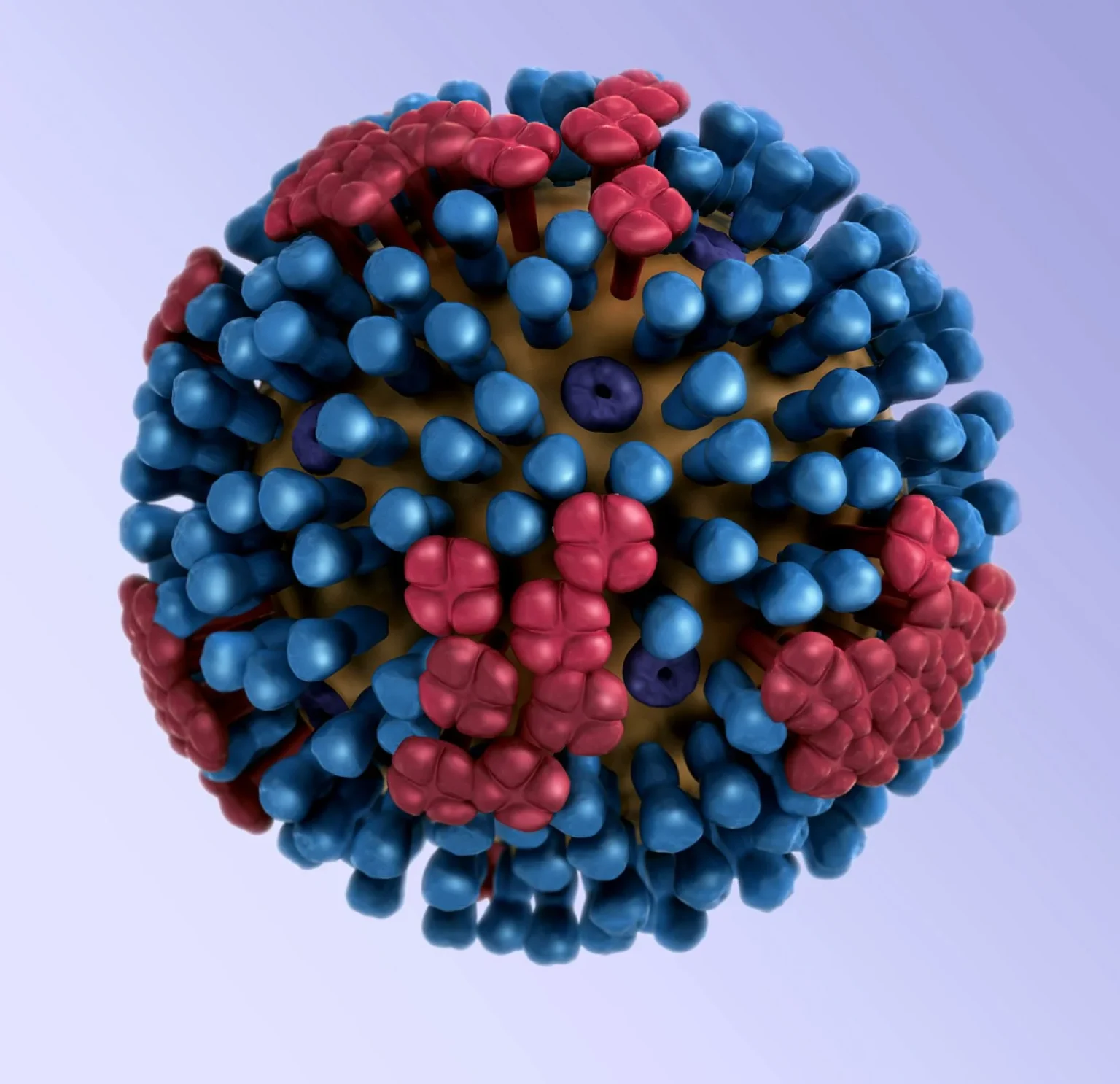
Influenza A(H1N1)pdm09 is currently the most frequently detected influenza virus in the United States.
During the week ending November 7, public health laboratories reported 680 influenza viruses. Of these, 670 were influenza A and 10 were influenza B.
Among the 460 influenza A viruses that underwent subtype testing, 455 were H1N1 and five were H3N2.
This means H1N1 accounted for 98.9% of the subtyped influenza A viruses reported during that week.
The CDC has also identified increased genetic diversity among circulating H1N1 viruses. Most of the genetically characterized H1N1 viruses belong to a group known as the D.3.1.1 hemagglutinin subclade.
Hemagglutinin is a protein on the surface of the influenza virus. It helps the virus attach to and enter human cells. Genetic changes in this protein can affect how the immune system recognizes the virus.
The currently circulating H1N1 viruses contain mutations that could potentially help them escape some immune defenses.
However, this does not mean that the current flu vaccine has stopped working.
Andrew Pekosz, an immunology expert at Johns Hopkins University, said preliminary evidence suggests that this year’s vaccine can recognize the circulating virus.
Scientists will need several more months of data to determine the vaccine’s actual effectiveness against the viruses spreading this season.
The CDC also says it is too early to establish whether the genetic changes will affect vaccine protection or which influenza strains will dominate as the season progresses. (CDC, 2026)
Thanksgiving Gatherings Could Accelerate Flu Transmission
The early flu surge comes shortly before Thanksgiving, one of the busiest travel and family gathering periods in the United States.
Doctors expect influenza and other respiratory viruses to spread more quickly as people travel, attend indoor events and spend time with family and friends.
Crowded indoor environments can increase exposure to respiratory particles released when infected people cough, sneeze or talk.
Dr. Nicole Iovine, an infectious disease specialist affiliated with the University of Florida, emphasised the importance of vaccination before holiday gatherings.
The CDC’s FluSight forecasting system also points towards a possible increase in flu-related hospital admissions.
For the week ending November 28, 2026, the CDC forecast that new influenza-associated hospital admissions could range from 8,300 to 34,400 nationally.
This is a forecast range rather than a confirmed number of future admissions. Forecasts can change as surveillance data and infection trends develop. (CDC, 2026)
Flu Vaccination Remains Important Despite Early Infections
Annual flu vaccination remains the most important preventive measure recommended by the CDC.
The CDC recommends seasonal influenza vaccination for everyone aged six months and older, except those with specific medical contraindications.
The 2026-2027 flu vaccines are trivalent, meaning they are designed to protect against three influenza viruses:
- Influenza A(H1N1)
- Influenza A(H3N2)
- Influenza B/Victoria
Vaccination can reduce the risk of infection, hospitalization and severe complications. It can also reduce illness severity in people who develop influenza despite being vaccinated.
People who have not received their flu vaccine this season are encouraged to discuss vaccination with a healthcare professional.

People Who Have Already Had the Flu May Still Benefit From Vaccination
An earlier influenza infection does not necessarily protect someone against other influenza viruses circulating during the same season.
This is because different influenza strains and subtypes can spread at the same time.
Dr. Fred Lopez advised people who had already experienced flu symptoms earlier in the autumn to consider vaccination if they had not received their seasonal vaccine.
The CDC also recognizes the value of offering seasonal vaccination throughout the flu season to eligible people who have not yet been vaccinated. (CDC, 2026)
People with moderate or severe acute illness may need to postpone vaccination until their condition improves. Mild illness alone is generally not a reason to delay vaccination.
Who Faces a Higher Risk of Severe Flu Complications?
Influenza can affect people of all ages, but certain groups have a higher risk of developing serious complications.
These include:
- Children younger than five years, particularly those under two.
- Adults aged 65 years and older.
- Pregnant women.
- People with asthma or chronic lung disease.
- People with diabetes or cardiovascular disease.
- Individuals with weakened immune systems.
Possible complications include pneumonia, dehydration and worsening of existing medical conditions.
People in these groups should contact a healthcare professional promptly if flu symptoms develop. Early medical assessment can help identify complications and determine whether antiviral treatment is appropriate.
Antiviral Medicines Can Help Treat Influenza
Prescription antiviral medicines can help reduce the severity and duration of influenza.
The CDC recommends starting antiviral treatment as early as possible. These medicines generally provide the greatest benefit when started within 48 hours of symptom onset.
However, treatment may still benefit people who begin taking antiviral medicines later, particularly those with severe illness or a higher risk of complications.
Common prescription options include oseltamivir, zanamivir, peramivir and baloxavir.
Antiviral medicines are different from antibiotics. They act against influenza viruses, while antibiotics treat bacterial infections.
People who are hospitalized, have severe or progressive illness, or belong to a high-risk group should seek prompt medical assessment. Treatment decisions should not be delayed while waiting for laboratory confirmation when antiviral treatment is indicated. (CDC, 2026)
How to Reduce the Risk of Influenza Infection
Vaccination should be combined with everyday preventive measures to reduce the spread of influenza.
Important steps include:
- Wash hands regularly with soap and water.
- Cover the mouth and nose when coughing or sneezing.
- Avoid close contact with people who are sick.
- Improve ventilation in indoor spaces.
- Consider wearing a mask in crowded indoor environments.
- Stay home when experiencing flu symptoms.
People with respiratory symptoms should limit contact with others, particularly older adults, young children and individuals with weakened immune systems.
The CDC advises people to return to normal activities when their symptoms have improved overall and they have been fever-free for at least 24 hours without using fever-reducing medication. Additional precautions can help reduce the risk of transmission during the following five days.
What to Expect as the 2026-2027 Flu Season Progresses
The early increase in influenza activity has placed the South and West under closer public health attention. Louisiana is currently experiencing the highest reported activity, while seven states have already reached high activity levels.
The dominance of H1N1, the genetic changes identified in circulating viruses and the early rise in hospitalizations are important developments that scientists will continue to monitor.
Last winter’s significant disease burden also highlights the importance of early prevention and timely medical care.
Although the CDC’s preliminary assessment currently classifies the season’s severity as low, the situation could change as more data become available.
Health experts continue to recommend annual vaccination, early assessment for people at higher risk and practical steps to limit transmission.
The next several weeks, particularly the Thanksgiving period, will provide further insight into how quickly influenza spreads and how much pressure it places on healthcare services.


