


GENEVA, SWITZERLAND: The Democratic Republic of the Congo (DR Congo) is facing a worsening hunger crisis, with 30.3 million people projected to experience acute food insecurity between January and June 2027. The latest United Nations-backed assessment warns that the situation could reach record levels.
Armed conflict, rising food prices, displacement and disease outbreaks, including Ebola and cholera, are increasing humanitarian needs. WHO and other UN agencies are calling for urgent food assistance, healthcare support and agricultural recovery.
DR Congo Faces Record Levels of Food Insecurity
According to the latest Integrated Food Security Phase Classification (IPC) analysis, approximately 28.8 million people, representing 23% of the analyzed population, are facing Crisis levels of acute food insecurity or worse between September and December 2026. This includes 3.6 million people experiencing Emergency levels of hunger.
The situation is expected to deteriorate further in early 2027. The number of people facing Crisis levels or worse could increase to 30.3 million between January and June 2027, compared with 26.5 million during the same period in 2026. The population facing Emergency conditions is also projected to rise to 4.2 million.
These figures reflect growing food shortages, declining household incomes and limited access to essential services. Humanitarian assistance is also falling behind the needs of affected communities. (WHO, 2026)
Eastern DR Congo Is the Worst-Affected Region
North Kivu, South Kivu and Ituri are experiencing the most severe food security challenges. During September-December 2026, approximately 10.4 million people across these three provinces are facing Crisis levels of hunger or worse, including around 3 million people in Emergency conditions.
The situation could worsen further in early 2027, when more than 11 million people across these provinces are projected to face acute food insecurity.
Nine territories are expected to experience Emergency levels:
- Ituri: Djugu.
- North Kivu: Lubero, Masisi and Oïcha.
- South Kivu: Fizi, Kalehe, Mwenga, Shabunda and Walungu.
Conflict, repeated displacement and restricted access to farmland have disrupted agricultural production and local markets. Families are losing their homes, livelihoods and ability to afford food.
Food insecurity also affects other provinces, including Tanganyika, Maniema, Kasaï, Haut-Lomami, Lomami, Kwango and Haut-Uele. (IPC, 2026)
Conflict, Rising Prices and Climate Shocks Are Driving Hunger
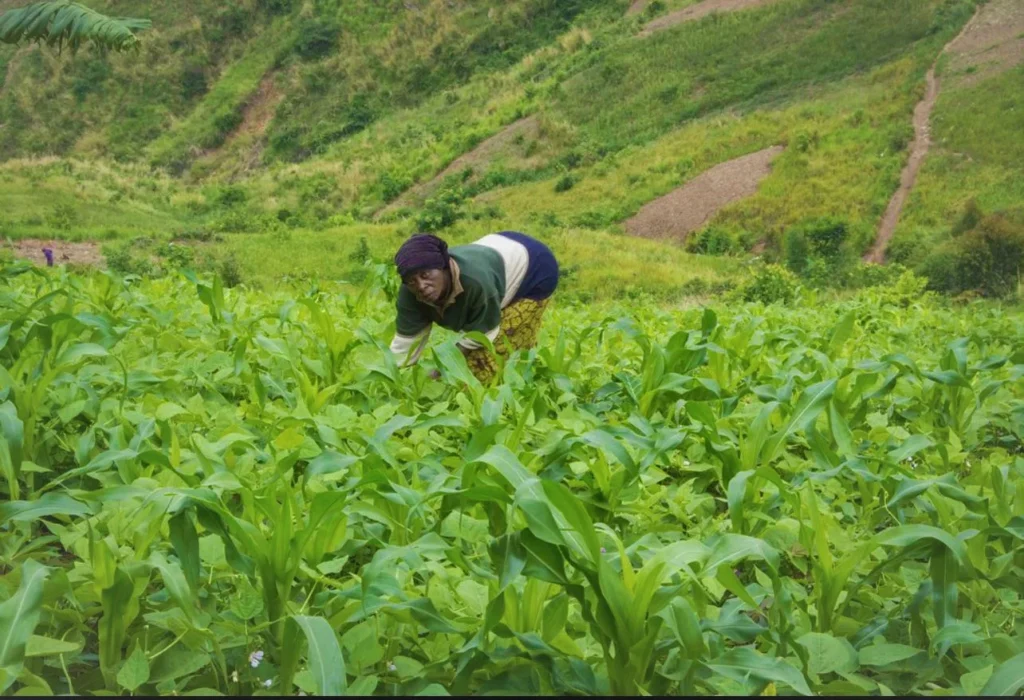
Armed conflict remains a major cause of hunger in DR Congo. Displacement forces families to abandon farmland, livestock and other productive assets. Farmers who cannot access their fields may miss entire planting and harvesting seasons, reducing food supplies and household incomes.
Insecurity, damaged infrastructure and transportation barriers also disrupt food distribution. Rising food prices further reduce purchasing power, making it difficult for vulnerable families to afford nutritious meals.
Climate-related hazards are adding to these challenges. The IPC analysis identifies El Niño-related flooding, limited access to agricultural inputs and declining humanitarian assistance as additional factors that could worsen food insecurity.
International disruptions affecting the Middle East, Red Sea and Ukraine are also adding pressure to trade and supply chains. (IPC, 2026)
Ebola, Cholera and Mpox Increase Public Health Risks
The hunger crisis is developing alongside several disease outbreaks, including Ebola, cholera and mpox. These emergencies are placing additional pressure on healthcare services and vulnerable communities.
The Bundibugyo species of Ebola was confirmed in DR Congo and Uganda in May 2026. There is currently no licensed vaccine specifically for Bundibugyo virus disease.
However, WHO recommended two additional vaccine candidates, ChAdOx1 and mRNA-1469, for evaluation in the Tumaini clinical trial in November 2026. (WHO, 2026)
Disease outbreaks can disrupt farming, restrict movement and increase household costs. They also make it harder for families to access healthcare and essential services.
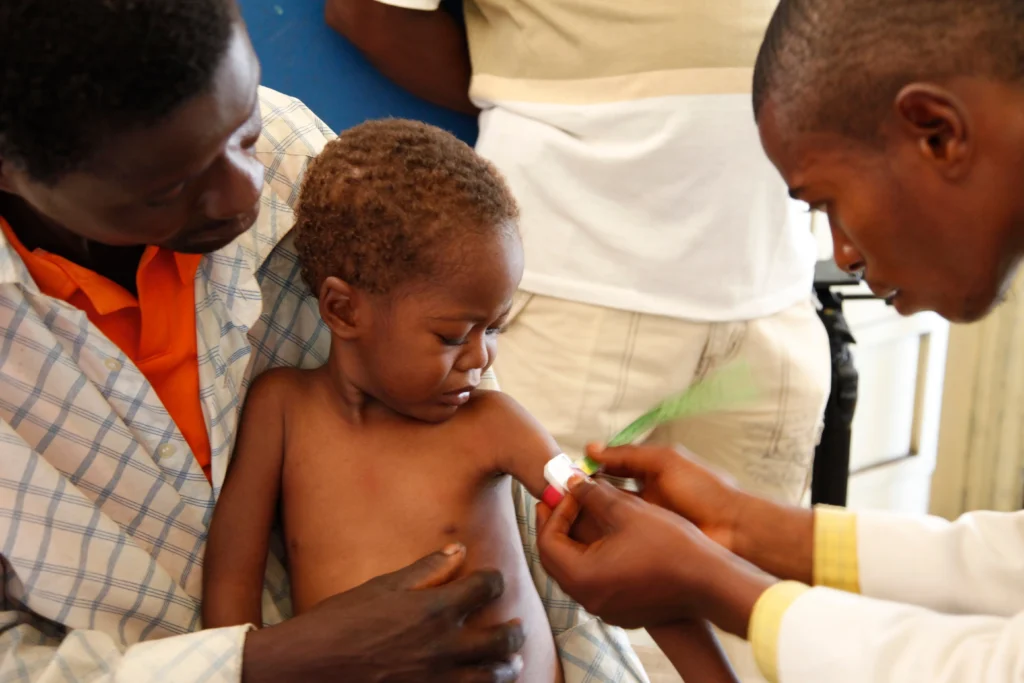
Children under five face particularly serious risks. Acute malnutrition, unsafe drinking water and poor sanitation increase their vulnerability to infections and other health complications. Displacement and limited healthcare access make early diagnosis and treatment more difficult. (WHO, 2026)
UN Agencies Call for Urgent Humanitarian Assistance
WHO, FAO, WFP and UNICEF are calling for coordinated action to prevent further deterioration in food security.
Their recommendations include:
- Emergency food assistance: Expand food distribution to displaced families and communities facing severe shortages.
- Agricultural recovery: Provide farmers with seeds, tools and essential supplies before planting begins in early 2027.
- Malnutrition treatment: Improve nutrition screening, prevention and treatment, particularly for children under five.
- Healthcare services: Strengthen disease surveillance and access to essential medical care.
- Safe water and sanitation: Improve access to clean drinking water and hygiene facilities to reduce disease risks.
- Humanitarian access: Protect civilians and ensure safe access for organizations delivering food and medical assistance.
FAO has highlighted the importance of supporting farmers before the next planting season. Timely assistance could allow them to harvest by mid-2027, restore household incomes and provide food during the lean season.
The agencies have also called for sustained international funding, diplomatic action and protection of civilians and essential infrastructure. (WHO, FAO, WFP and UNICEF, 2026)
What Lies Ahead for DR Congo?
The projected increase in food insecurity highlights the urgent need for humanitarian support across DR Congo. Continued conflict, displacement, high food prices and disease outbreaks are making it increasingly difficult for families to meet their basic nutritional needs.
The first half of 2027 will be critical. Timely food assistance, agricultural recovery, disease control and access to essential healthcare will be necessary to protect vulnerable communities.
Without sustained international support and safe humanitarian access, millions more people could face severe hunger and malnutrition.


