OTTAWA, CANADA: Canada’s major measles outbreak has revealed weaknesses in disease prevention, particularly in communities with low vaccination coverage.
A study published in The BMJ shows how gaps in immunity and connected social networks allowed the virus to spread.
Although the nationwide outbreak was declared over in October 2026, Canada has not automatically regained its measles elimination status.
The findings highlight why vaccination, public health surveillance and community trust remain essential to preventing future outbreaks.
What the Ontario Study Found
Researchers analyzed measles cases reported to Ontario’s public health surveillance system between October 28, 2024, and October 6, 2025.
The study covered a 49-week period and examined the outbreak’s spread, its health consequences and the factors that made disease elimination vulnerable.
The findings were reported by News-Medical on October 28, 2026, based on research published in The BMJ.
The investigation recorded 2,377 cases, including 2,064 confirmed and 313 probable infections. Approximately 90% of cases occurred in historically under-vaccinated communities, while 73% affected people aged 19 or younger.
Vaccination records showed that 2,121 people, or 89% of the cases, were unvaccinated. Another 97 people, representing 4%, had an unknown vaccination status.
These figures demonstrate how local immunity gaps can sustain transmission even when much of the wider population has strong vaccine coverage. (Wilson et al., 2026)
Serious Health Consequences
The Ontario outbreak caused significant illness and complications. Researchers recorded 166 hospital admissions, including 13 admissions to intensive care units.
The study also documented 51 infections during pregnancy, 10 congenital measles infections, one case of encephalitis and one infant death.
Encephalitis is inflammation of the brain that can cause serious neurological complications. Measles infection during pregnancy can also create risks for both the pregnant person and the developing baby.
These outcomes show why measles prevention remains a public health priority. Although many people recover, the infection can cause severe illness, hospitalization and death, particularly among infants, pregnant people and those with weakened immune systems.
The researchers noted that the recorded numbers may underestimate the actual burden. Public health surveillance depends on case detection, accurate reporting and timely identification of complications.
Why Canada Lost Elimination Status
Canada achieved measles elimination status in 1998 after introducing a two-dose vaccination schedule and a catch-up vaccination programme for school-aged children.
The country lost that status in November 2025 after the same measles virus strain continued to spread for more than 12 months. The outbreak involved multiple provinces and affected communities with low vaccination coverage.
Measles elimination does not mean that imported cases can never occur. It means that sustained transmission of the endemic virus has been interrupted.
Imported infections may still enter a country, but strong vaccination coverage and rapid public health action can prevent them from establishing ongoing transmission.
Canada’s experience demonstrates how quickly progress can be challenged when the virus reaches populations with substantial immunity gaps.
The Public Health Agency of Canada confirmed the loss of elimination status in November 2025. Its October 19, 2026, announcement subsequently declared the linked multi-jurisdictional outbreak over, but stated that restoring elimination status requires at least 12 consecutive months without transmission of the outbreak-associated strain.
How Cross-Border Networks Matter
Measles is highly contagious and spreads through the air when an infected person breathes, coughs or sneezes. An infected traveler can introduce the virus into a community where many people are not immune.
Laboratory testing identified a distinct measles strain during the Ontario outbreak. The same strain was subsequently detected elsewhere in Canada and in the United States, Mexico and the Netherlands.
Researchers linked this pattern to close social connections within and between historically under-vaccinated communities, combined with the virus’s high transmissibility. The findings illustrate how transmission can cross regional and national borders.
However, the outbreak did not spread equally across the population. Researchers reported limited transmission beyond the communities most affected. They suggested that higher vaccine acceptance in the wider population and the work of local partners helped limit further spread.
This distinction is important. National vaccination averages can conceal local gaps that leave particular groups vulnerable to infection.
Important Limits of the Data
The study’s findings must be interpreted alongside its limitations. The researchers relied on public health surveillance data, which may not capture every infection or complication.
They also warned that the estimated proportion of cases occurring in historically under-vaccinated communities was likely to be conservative.
Collecting information about community background can be difficult when people distrust authorities or fear that their communities may face stigma. Public health staff may also be cautious about collecting or reporting such information for similar reasons.
These challenges do not make the findings less important. Instead, they show why outbreak investigations need reliable data, respectful communication and cooperation with affected communities.
Avoiding stigma is particularly important because blaming communities can undermine trust and make vaccination programs less effective.
Beyond Vaccination Coverage
A linked editorial by Jennifer Nuzzo of Brown University School of Public Health highlighted a wider lesson from Canada’s loss of measles elimination status.
High vaccination coverage is essential, but it cannot replace the public health systems needed to detect and control outbreaks. These systems depend on sensitive disease surveillance, laboratory testing, rapid investigations, timely reporting and effective responses.
Public trust also matters. People are more likely to engage with vaccination programs when they receive reliable information and can access services that respect their concerns and circumstances.
The editorial warned that even well-resourced countries remain vulnerable when these safeguards weaken. Losing control of measles can also affect neighboring countries because infections do not respect national borders.
The researchers therefore emphasized stronger immunization systems, better vaccine coverage and sustained, culturally appropriate community engagement.
When an Outbreak Ends
On October 19, 2026, the Public Health Agency of Canada declared the major multi-jurisdictional outbreak over after more than two months had passed since the last linked case was reported.
The outbreak had resulted in more than 6,400 cases across 10 provinces and territories.
However, this announcement does not mean that all measles activity in Canada has stopped. As of its latest update available on October 29, the Government of Quebec listed a separate ongoing outbreak with fewer than five cases, with the most recent case reported on October 22, 2026.
The distinction matters because ending a specific outbreak and regaining elimination status are different public health milestones. Canada must interrupt transmission of the strain associated with the major outbreak for at least 12 consecutive months to regain elimination status.
Measles also continues to circulate internationally, so travel-related infections remain possible. Public health authorities must continue monitoring cases, investigating possible exposures and responding quickly to new infections.
Recognizing Measles Symptoms
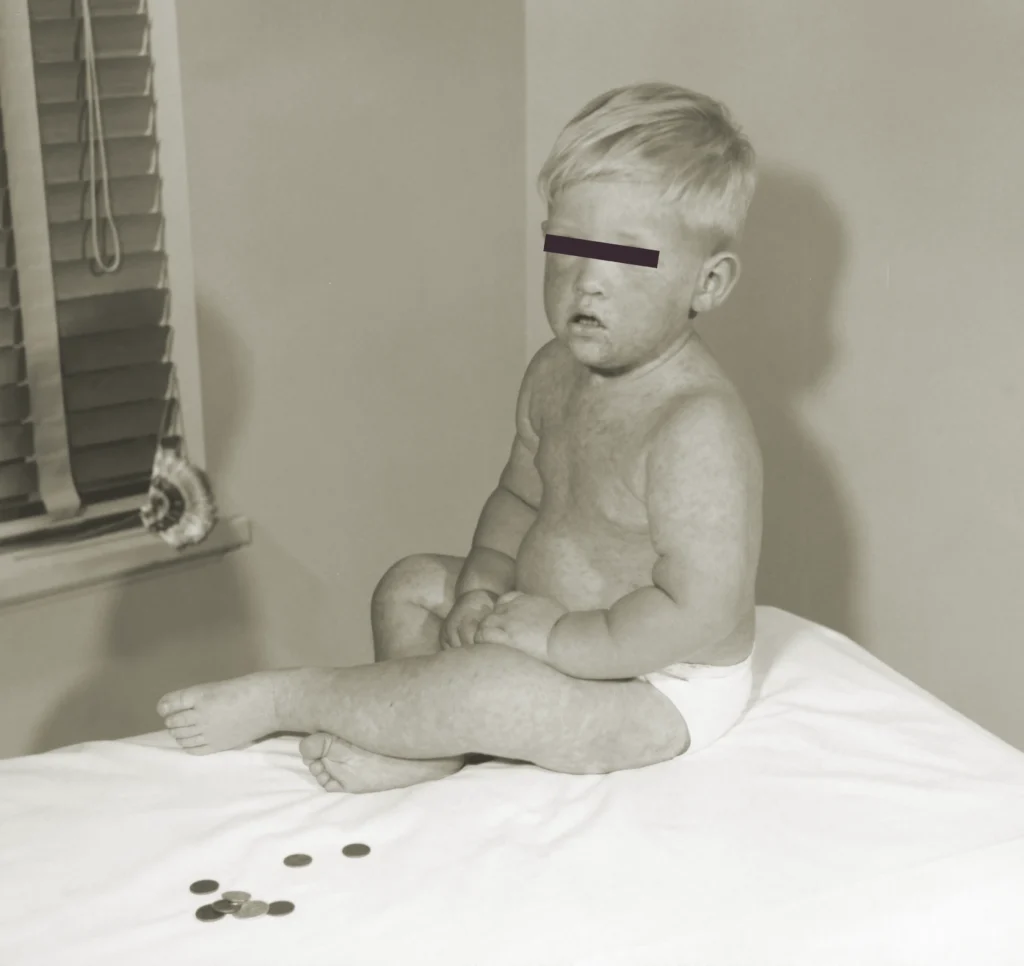
Measles symptoms usually appear 7 to 21 days after infection. Early signs include fever, cough, a runny nose and red, watery eyes.
A red, blotchy rash generally develops three to seven days after the initial symptoms. It usually begins on the face and spreads to the body.
Complications can include pneumonia, ear infections and, in severe cases, encephalitis. The risk of serious illness is higher among infants, pregnant people and those with weakened immune systems.
The Public Health Agency of Canada’s measles guidance advises people to seek appropriate medical guidance when measles is suspected.
Anyone with symptoms or a possible exposure should call a healthcare provider before visiting a clinic or hospital to reduce the risk of exposing other people.
Two doses of a measles-containing vaccine provide strong protection against infection. People who are unsure whether their vaccinations are up to date should check their records and seek advice from a healthcare professional.
Conclusion
Canada’s measles outbreak demonstrates how local vaccination gaps can threaten years of progress against a preventable disease.
The Ontario study documented thousands of infections, serious complications and the role of interconnected, under-vaccinated communities in sustaining transmission.
The outbreak’s end is an important milestone, but it does not automatically restore measles elimination status. Strengthening immunization programs, improving disease surveillance and building trust through respectful community engagement will remain essential.
The wider lesson is clear: disease elimination requires continued investment, reliable public health systems and sustained efforts to ensure that vulnerable communities are protected.