


BELFAST, NORTHERN IRELAND: A 20-hour fasting routine combined with high-intensity interval training (HIIT) is gaining attention as a way to reduce stubborn belly fat. The approach involves fasting for most of the day, eating two meals within a four-hour window and performing short, intense workouts.
However, does 20-hour fasting really help burn belly fat? While research suggests that time-restricted eating can support weight loss, evidence does not establish that this specific routine targets abdominal fat or produces faster results.
How Does the 20-Hour Fasting Method Work?
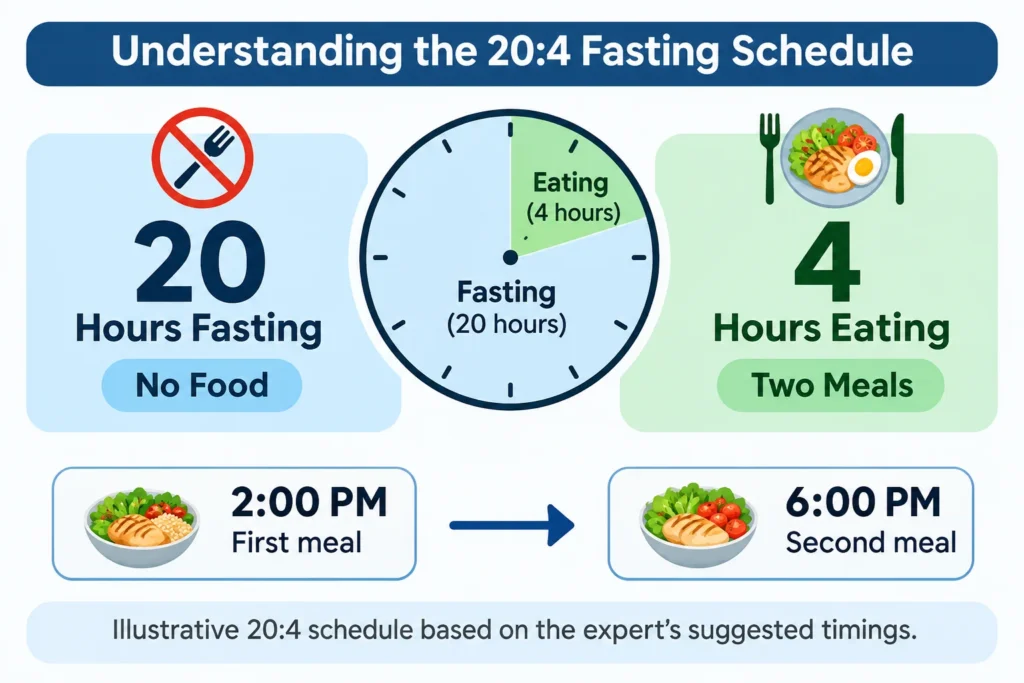
The 20-hour fasting method is a form of intermittent fasting known as the 20:4 approach. It involves avoiding food for 20 hours and consuming meals within a four-hour eating window.
A report by BelfastLive highlighted recommendations from Eric Berg, a chiropractor and online health educator who discusses intermittent fasting and ketogenic diets.
Berg recommends fasting for 20 hours on many days of the week. He also suggests that people who cannot manage 20 hours can start with a minimum fasting period of 18 hours.
His routine includes two meals within the eating window rather than eating small amounts throughout the day.
For example, his suggested schedule includes:
- First meal: Around 2 pm.
- Second meal: Around 5:30 pm or 6 pm.
- Fasting period: The remaining 18 to 20 hours.
These timings are examples of his approach, not a medically established meal schedule.
Why Does the Method Include HIIT?
Berg recommends combining prolonged fasting with high-intensity interval training.
HIIT involves short bursts of intense physical activity followed by periods of recovery. Unlike long sessions of continuous exercise, these workouts focus on brief periods of high effort.
He suggests performing around 8 to 15 minutes of actual high-intensity exercise per week, divided across two or three workout sessions. He also recommends adding resistance training to the routine.
According to Berg, exercising while fasting can increase adrenaline levels and help the body release stored fat.
However, this is his proposed explanation. There is no strong clinical evidence that combining fasted HIIT with a 20-hour fast specifically removes stubborn abdominal fat.
Why Does Berg Say Belly Fat Is Difficult to Lose?
Berg bases much of his explanation on the way hormones and receptors influence fat storage and release.
He discusses two types of adrenergic receptors found in fat cells: alpha-2 and beta receptors.
These receptors respond to hormones and chemical messengers involved in the body’s stress response, including adrenaline.
Understanding Alpha-2 and Beta Receptors
Berg describes beta receptors as the accelerator because they help stimulate the release of stored fat. He describes alpha-2 receptors as the brake because they can restrict this process.
His explanation includes a specific claim that the lower abdominal region has approximately nine times more fat-storage receptors than fat-burning receptors.
However, this 1:9 ratio should be treated as his explanation rather than an established measurement for all people.
Research does confirm that alpha-2 and beta receptors influence fat breakdown. Alpha-2 receptors can inhibit lipolysis, while beta receptors stimulate it. However, their distribution varies across different fat deposits and individuals.
A study published in the European Journal of Clinical Investigation in 1987 found differences in the relative numbers of these receptors between abdominal, femoral and omental fat cells. The findings do not establish a universal 1:9 ratio for human abdominal fat. (MAURIEGE et al., 1987)
How Does Insulin Influence Fat Storage?
Insulin is a hormone produced by the pancreas. It helps regulate blood glucose by allowing cells to take up and use glucose for energy.
Insulin also influences how the body stores and releases energy.
After eating, insulin levels normally increase. During fasting, they generally decrease as the body moves between using recently consumed nutrients and stored energy.
Berg argues that keeping insulin low for longer periods allows adrenaline to work more effectively on fat cells. He believes this helps remove the barriers that make abdominal fat difficult to lose.
Although insulin plays an important role in fat metabolism, lowering insulin through fasting does not automatically cause selective belly fat loss.
The body can reduce abdominal fat as part of overall weight loss, but this process depends on several factors, including energy intake, physical activity, genetics and hormonal regulation.
Can Fasted HIIT Increase Adrenaline and Burn Belly Fat?
Adrenaline is a hormone and neurotransmitter that helps the body respond to physical and psychological stress. During intense exercise, it supports cardiovascular activity and helps make stored energy available to working muscles.
Berg claims that HIIT can increase adrenaline levels by approximately 10 to 30 times above baseline. He argues that this response helps overcome the effect of alpha-2 receptors and encourages fat release.
Research supports the fact that intense exercise can temporarily increase adrenaline and other stress hormones. However, the response varies according to exercise intensity, duration, fitness level and individual physiology.
A review published in 2023 examined the hormonal response to different forms of exercise. It found that high-intensity interval exercise can increase catecholamine levels, although these changes are temporary. (Athanasiou et al., 2022)
Importantly, an increase in adrenaline does not prove that the body will selectively burn abdominal fat.
The British Heart Foundation explains that fat loss cannot be targeted to one specific area through exercise. The body uses stored energy from different fat deposits rather than burning fat only from the muscles being exercised.
Regular aerobic activity, including brisk walking, cycling, swimming and running, can support overall fat loss without requiring extremely intense workouts. (Parker et al., 2026)

Does 20-Hour Fasting Reduce Visceral Fat?
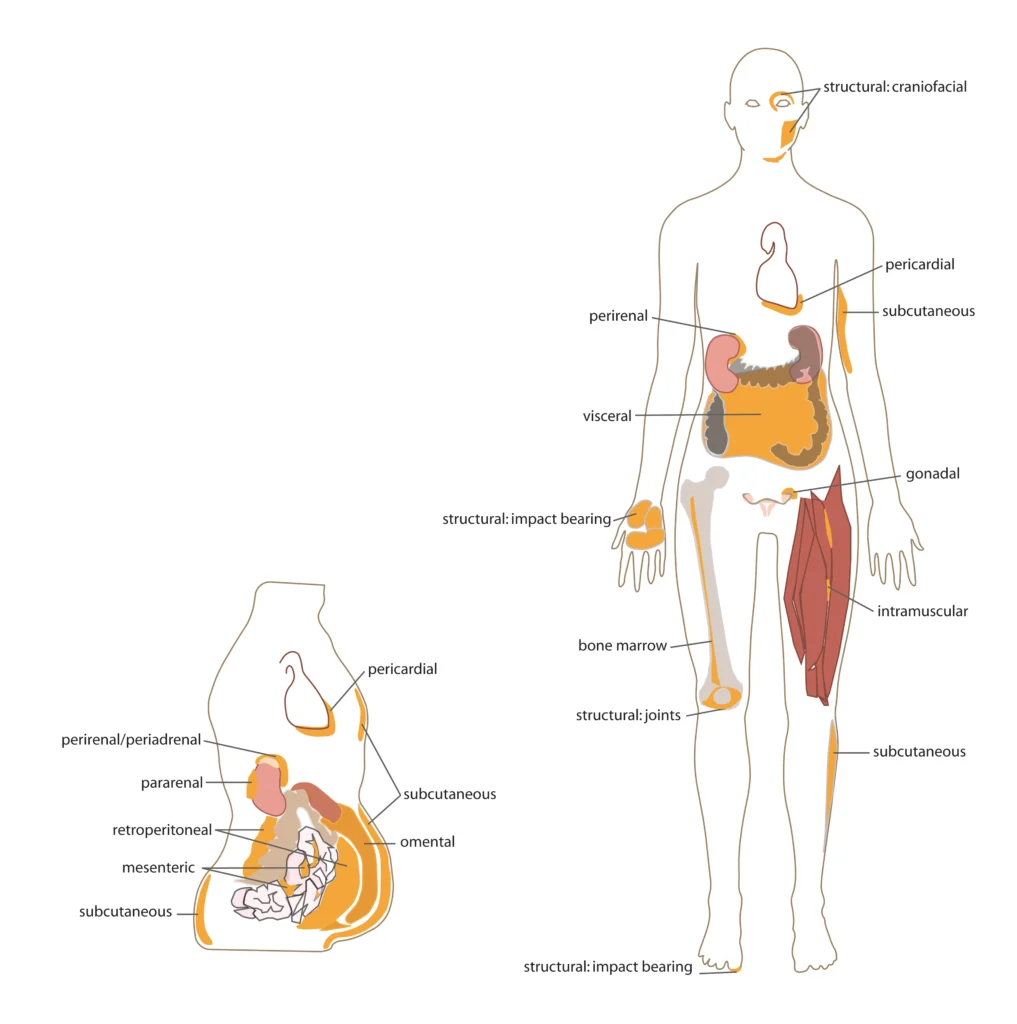
Abdominal fat includes two main types: subcutaneous fat and visceral fat.
Subcutaneous fat sits beneath the skin. It is the fat that can be pinched around the waist and stomach.
Visceral fat is stored deeper inside the abdomen and surrounds internal organs, including the liver and intestines.
Excess visceral fat is associated with an increased risk of insulin resistance, type 2 diabetes and cardiovascular disease.
Berg argues that visceral fat responds particularly well to lower insulin levels. He suggests that fasting for 20 hours helps the body use this stored fat more rapidly.
There is some research supporting the relationship between fasting, weight loss and changes in abdominal fat. However, it does not establish that a 20-hour fasting schedule is uniquely effective at removing visceral fat.
A 2024 systematic review and meta-analysis examined early time-restricted eating across 13 randomized controlled trials involving 859 participants. It reported reductions in body weight, waist circumference and visceral fat area.
However, the review examined different eating schedules. It did not establish that a 20:4 fasting routine combined with fasted HIIT is superior to other weight-loss approaches.
The distinction is important because improvements in visceral fat measurements can occur alongside overall weight loss. (He et al., 2024)
What Does Cortisol Have to Do With Belly Fat?
Cortisol is a steroid hormone produced by the adrenal glands. It helps regulate the body’s response to stress and influences metabolism, blood pressure and blood glucose.
Berg claims that the midsection contains four times the concentration of cortisol receptors compared with other areas of the body.
He uses this explanation to suggest that people experiencing more stress may find it harder to lose abdominal fat.
However, the specific fourfold receptor claim should not be treated as an established figure for everyone.
Scientific research does show that glucocorticoid receptors are present in different fat deposits and that their expression can vary between visceral and subcutaneous fat.
Prolonged exposure to elevated glucocorticoids can also affect fat distribution and metabolic health. However, the relationship between cortisol and abdominal fat is complex.
It is not accurate to assume that stress alone causes belly fat or that lowering cortisol will automatically reduce waist size.
Why Does Berg Recommend Eight Hours of Sleep?
Berg recommends getting approximately eight hours of quality sleep each night.
He argues that sleep supports growth hormone activity and helps the body recover from exercise.
Sleep also influences appetite regulation, energy levels and daily eating habits. Poor sleep can make it harder for some people to maintain healthy food choices and regular physical activity.
A consistent sleep schedule is therefore an important part of a sustainable weight-management plan.
Why Does He Recommend Walking in Sunlight?
Berg also suggests spending time outdoors and walking in sunlight to help manage stress.
Walking is a useful form of physical activity. Spending time outdoors can also support general well-being and sleep routines.
However, there is no strong evidence that sunlight exposure directly removes abdominal fat. People should follow appropriate sun-protection measures and avoid excessive exposure.
Why Does the Method Recommend Avoiding Late-Night Snacks?
Another part of Berg’s approach involves avoiding food for at least three hours before bedtime.
He suggests closing the kitchen after dinner, switching off the kitchen lights and avoiding additional snacks.
His explanation is that eating repeatedly increases insulin levels and may interfere with the body’s ability to use stored fat.
Eating patterns can influence overall calorie intake, and frequent high-calorie snacking can make weight management more difficult.
However, there is no universal rule that everyone must stop eating exactly three hours before sleeping to lose belly fat.
The quality and quantity of food consumed throughout the day remain important. A consistent eating routine may help people avoid unnecessary late-night snacking, particularly when it is linked to hunger, boredom or habits rather than nutritional needs.
What Types of Fat Does Berg Recommend Avoiding?
Berg also discusses the role of dietary fats in his fasting approach.
He specifically mentions palmitate, also known as palmitic acid. It is a saturated fatty acid found in several foods and can also be produced naturally by the body.
He suggests that palmitate and cortisol can influence each other in ways that may make abdominal fat harder to lose.
He recommends avoiding industrial palm oil, seed oils, sugar and starches. He also suggests choosing foods containing oleic acid, including olive oil, lard and tallow.
However, these recommendations need important nutritional context.
Are Seed Oils Bad for Weight Loss?
Seed oils are not automatically harmful. Oils such as sunflower, soybean, canola and corn oil contain unsaturated fats.
The American Heart Association recommends replacing foods high in saturated fats with sources of monounsaturated and polyunsaturated fats.
Olive oil is one example of a source of monounsaturated fat. However, animal fats such as lard and tallow also contain substantial amounts of saturated fat.
The fact that a food contains oleic acid does not automatically make it a healthier choice.
The overall dietary pattern matters more than eliminating an entire category of cooking oils. (American Heart Association, 2023)
What Does Scientific Research Say About 20:4 Intermittent Fasting?
Research has examined different forms of intermittent fasting, including eating within four-hour and six-hour windows.
Some studies have reported weight loss and improvements in certain metabolic markers. However, the findings do not establish that longer fasting periods provide greater benefits.
Findings From an Eight-Week Clinical Trial
A randomized controlled trial published in Cell Metabolism in 2020 examined four-hour and six-hour time-restricted eating in adults with obesity.
The study divided participants into three groups:
- A four-hour eating window, equivalent to 20 hours of fasting.
- A six-hour eating window, equivalent to 18 hours of fasting.
- A control group without meal-timing restrictions.
After eight weeks, participants following the four-hour and six-hour eating schedules experienced comparable reductions in body weight of approximately 3%.
Both groups also reduced their daily calorie intake by approximately 550 calories without counting calories.
The findings suggest that shorter eating windows can help some people reduce calorie intake and body weight.
However, the study did not examine Berg’s complete routine of prolonged fasting combined with fasted HIIT and resistance training. It also did not establish that the four-hour eating window specifically reduced stubborn abdominal fat. (Cienfuegos et al. 2020)
What Did the 2026 Cochrane Review Find?
A Cochrane systematic review published in February 2026 examined 22 randomised controlled trials involving 1,995 adults with overweight or obesity.
The researchers compared intermittent fasting with traditional dietary advice and other approaches to weight management.
The review found that intermittent fasting may make little or no difference to weight loss compared with conventional dietary advice.
The researchers also highlighted limitations in the available evidence. Many studies involved relatively small groups and short follow-up periods. Reporting of side effects was inconsistent.
These findings suggest that intermittent fasting is not necessarily more effective than conventional approaches to weight management.
The review did not specifically test the 20:4 method combined with fasted HIIT. (Garegnani et al. 2026)
Is 20-Hour Fasting Safe for Everyone?
A 20-hour fasting schedule is restrictive. It leaves only four hours for eating and can make it difficult for some people to consume enough nutrients and energy.
It may also be difficult to maintain alongside work, exercise, family responsibilities and regular medication schedules.
People should not assume that a longer fasting period is automatically healthier or more effective.
Who Should Avoid This Fasting Method?
Some groups should avoid prolonged fasting unless a qualified healthcare professional has specifically assessed and advised them.
These include:
- Pregnant or breastfeeding women.
- People with a current or previous eating disorder.
- Children and teenagers.
- People who are underweight or malnourished.
- Frail older adults and people at risk of muscle loss.
- People with medical conditions that may be affected by prolonged food restriction.
People with diabetes need particular care. Fasting can increase the risk of hypoglycemia, especially among those taking insulin or medicines such as sulphonylureas.
Anyone taking medication that must be consumed with food should also seek medical advice before changing their eating schedule.
Fasting may cause hunger, headaches, weakness, dizziness and difficulty concentrating. People who experience fainting or significant symptoms should stop fasting and seek appropriate medical advice.
A diabetes healthcare professional can assess individual risks and review medication where necessary. (Know Diabetes)
What Are Safer Ways to Reduce Belly Fat?
Reducing abdominal fat usually requires a combination of healthy eating, regular physical activity and sustainable lifestyle changes.
A strict 20-hour fasting routine is not essential for weight loss.
The following approaches have stronger support for long-term weight management.
1. Maintain a Balanced Calorie Intake
Weight loss generally occurs when the body uses more energy than it receives from food and drinks.
A moderate calorie deficit can support gradual weight loss without requiring extreme food restrictions.
Meals should include vegetables, fruits, whole grains, lean protein and healthy fats.
2. Include More Protein and Fiber
Protein helps maintain muscle mass during weight loss and can support feelings of fullness.
Good sources include eggs, fish, chicken, beans, lentils, yoghurt and tofu.
Fiber-rich foods such as vegetables, fruits, oats, beans and whole grains can also improve fullness and support digestive health.
3. Combine Aerobic and Strength Training
Regular exercise supports cardiovascular health and helps manage body weight.
Activities such as walking, cycling, swimming and running increase energy expenditure.
Strength training helps maintain and build muscle. A combination of aerobic activity and resistance exercises can support improvements in overall body composition.
The British Heart Foundation recommends aiming for at least 150 minutes of moderate-intensity aerobic activity or 75 minutes of vigorous activity per week.
People who are new to exercise should begin with manageable sessions and gradually increase their activity.
4. Improve Sleep Quality
Consistent sleep supports appetite regulation, recovery and general metabolic health.
Adults should establish regular sleep and waking times and aim for sufficient rest.
Reducing late-night screen use and maintaining a comfortable sleeping environment can also help improve sleep habits.
5. Manage Stress
Long-term stress can affect eating habits, sleep and physical activity.
Walking, yoga, breathing exercises and other relaxing activities can support general well-being.
Managing stress is not a direct fat-burning treatment, but it can help people maintain healthier routines.
6. Focus on Gradual Weight Loss
Rapid weight-loss plans are often difficult to maintain.
The NHS recommends that people who need to lose weight aim for a gradual rate of approximately 0.5 to 1 kg per week.
The appropriate rate depends on individual health, starting weight and nutritional needs. (NHS, 2026)
The Bottom Line
The 20-hour fasting method combines a restricted eating window, fasted HIIT and changes to food choices. It may help some people reduce their calorie intake and achieve overall weight loss.
However, there is no strong clinical evidence that this exact combination selectively burns stubborn belly fat or produces faster results than conventional weight-management approaches.
Research confirms that insulin, adrenaline and other hormones influence fat metabolism. However, Berg’s specific receptor ratios and claims about rapidly removing visceral fat should not be treated as established medical facts.
The 2026 Cochrane review also found no meaningful weight-loss advantage for intermittent fasting over traditional dietary advice.
A balanced diet, regular exercise, adequate sleep and gradual weight loss remain more established approaches to improving body composition and reducing excess abdominal fat.
Anyone considering a restrictive 20-hour fasting schedule should first discuss its suitability with a qualified healthcare professional.


