
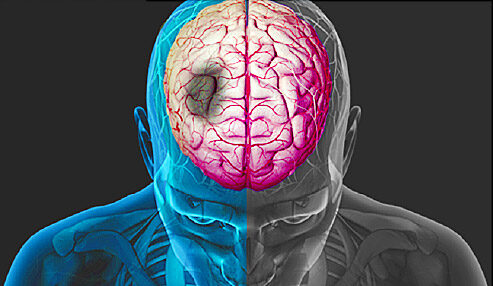

A stroke is a life-altering event that can cause significant physical, cognitive, and emotional challenges. Rehabilitation plays a crucial role in helping stroke survivors regain independence and improve their quality of life. Among the various rehabilitation approaches, physiotherapy is fundamental in restoring mobility, strength, and coordination. This article explores the importance of physiotherapy in stroke recovery, the latest treatment approaches, and advancements in rehabilitation techniques.
Understanding Stroke and Its Impact on Mobility
A stroke occurs when blood supply to the brain is interrupted due to a blockage (ischemic stroke) or bleeding (hemorrhagic stroke). This lack of oxygen and nutrients can lead to brain cell damage, resulting in motor impairments such as:
- Hemiparesis (weakness on one side of the body)
- Hemiplegia (paralysis on one side of the body)
- Loss of balance and coordination
- Spasticity (muscle stiffness and involuntary contractions)
- Difficulty with fine motor skills
These impairments make daily activities like walking, dressing, and eating challenging, necessitating structured rehabilitation led by physiotherapists.
Physiotherapy Interventions for Stroke Rehabilitation
Physiotherapy is essential in stroke recovery as it focuses on restoring movement, improving strength, and preventing complications such as muscle atrophy and joint stiffness. Here are some key physiotherapy approaches for stroke patients:
1. Early Mobilization and Bedside Exercises
Early mobilization, ideally within 24-48 hours post-stroke, helps prevent complications such as deep vein thrombosis (DVT) and pneumonia. Bedside exercises include:
- Passive Range of Motion (PROM): Assisting movement in affected limbs to prevent stiffness.
- Active-Assisted Exercises: The patient attempts movement with therapist support.
- Positioning and Turning: Prevents pressure sores and maintains joint alignment.
2. Neuroplasticity-Based Rehabilitation
Neuroplasticity refers to the brain’s ability to reorganize and form new neural connections. Physiotherapists use task-specific training to stimulate neuroplasticity, including:
- Repetitive movements (Constraint-Induced Movement Therapy – CIMT): Encourages the use of the affected limb by restraining the unaffected one.
- Mirror Therapy: Using a mirror to create an illusion that encourages movement in the weaker limb.
- Functional Electrical Stimulation (FES): Electrical impulses help activate muscles for functional tasks like grasping objects.
3. Gait Training and Balance Improvement
Regaining the ability to walk is a primary goal of stroke rehabilitation. Physiotherapists use:
- Parallel Bars and Assistive Devices: To support initial weight-bearing and stepping exercises.
- Treadmill Training with Body Weight Support: Allows controlled walking practice.
- Proprioceptive Training: Exercises to enhance spatial awareness and balance.
4. Spasticity and Muscle Tone Management
Post-stroke spasticity can cause muscle tightness and contractures. Physiotherapists manage spasticity using:
- Stretching and Joint Mobilization: To maintain flexibility and reduce stiffness.
- Botulinum Toxin (Botox) Injections: Temporarily relaxes overactive muscles, improving movement and function.
- Cold Therapy and Heat Therapy: Helps relax tight muscles and enhance circulation.
5. Robotic and Technological Advancements
Recent advancements in rehabilitation technology have significantly improved stroke recovery outcomes:
- Robotic-Assisted Therapy: Devices like the Lokomat help patients regain walking ability by providing guided movement.
- Virtual Reality (VR) Training: Interactive games improve motor function and coordination.
- Brain-Computer Interface (BCI): Uses brain signals to control assistive devices, aiding recovery in severe cases.
- Wearable Sensors and Smart Gloves: Monitor patient progress and provide real-time feedback.
6. Home-Based and Community Rehabilitation
For long-term recovery, physiotherapists encourage home-based exercises, including:
- Strength and Coordination Exercises: Simple movements like grasping objects or lifting legs.
- Functional Activities: Practicing daily tasks like cooking or dressing to regain independence.
- Tele-Rehabilitation: Remote physiotherapy sessions using video consultations and AI-driven exercise programs.
Latest Research and Future Directions
Recent studies have highlighted promising developments in stroke rehabilitation:
- Stem Cell Therapy: Early research suggests that stem cells may help regenerate damaged brain tissue, though clinical applications are still under study.
- Personalized Rehabilitation Programs: AI and machine learning are being used to create individualized therapy plans based on patient progress.
- Transcranial Magnetic Stimulation (TMS): Non-invasive brain stimulation techniques are being explored to enhance neuroplasticity and recovery speed.
Conclusion
Physiotherapy is a cornerstone of stroke rehabilitation, providing structured exercises and interventions to restore movement, balance, and functional independence. With advancements in robotics, neuroplasticity-based techniques, and home-based rehabilitation, stroke patients have greater opportunities for recovery than ever before. Early intervention, continuous therapy, and patient engagement are key to achieving the best outcomes in stroke rehabilitation.
Key Takeaways:
- Physiotherapy plays a vital role in stroke recovery by restoring movement and function.
- Early mobilization, gait training, and spasticity management are crucial components.
- Advanced rehabilitation tools like robotics, VR, and AI-driven therapy are enhancing outcomes.
- Continuous physiotherapy, whether in clinics or at home, significantly improves independence and quality of life.
With ongoing research and technological innovation, stroke rehabilitation continues to evolve, offering new hope for millions of survivors worldwide.
Read About : Physiotherapy for Office Workers: Say Goodbye to Pain and Discomfort
Visit Us At : https://g.co/kgs/rTqAjgt


