
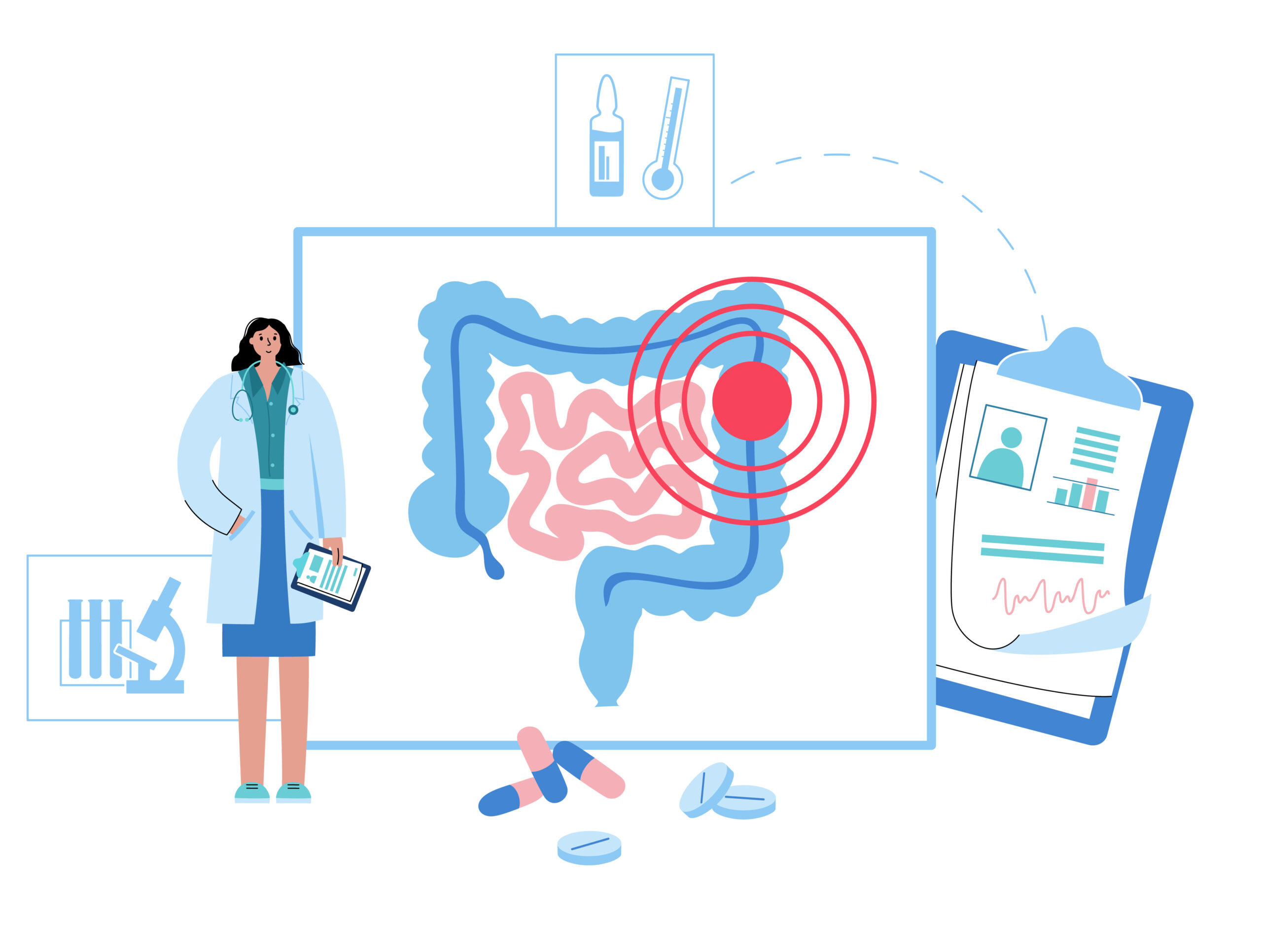

Colon cancer, also known as colorectal cancer, is a prevalent form of cancer that affects the large intestine or rectum. It develops when abnormal cell growth leads to the formation of tumors, which can be life-threatening if not diagnosed and treated in time.
With advancements in medical science, early detection and treatment options have significantly improved survival rates. Understanding its symptoms, risk factors, and prevention methods is essential for reducing its impact on individuals and communities.
What Is Colon Cancer?
Colon cancer begins in the colon or rectum, both of which are part of the digestive system. It often starts as small, noncancerous growths called polyps, which, over time, can develop into malignant tumors. The disease can spread to other parts of the body if not detected early.
In most cases, colon cancer progresses slowly, allowing ample opportunity for early detection through regular screenings. However, without proper intervention, it can advance to later stages where treatment becomes more complex and less effective.
Stages of Colon Cancer
Colon cancer is categorized into five stages, depending on how far it has spread:
• Stage 0 (Carcinoma in Situ): Cancerous cells are present only in the innermost layer of the colon lining.
• Stage I: The cancer has begun to grow into deeper layers of the colon wall but has not spread to lymph nodes.
• Stage II: The tumor has spread further into the colon wall and nearby tissues but not the lymph nodes.
• Stage III: Cancer has spread to nearby lymph nodes, increasing the risk of further metastasis.
• Stage IV: The most advanced stage, where the cancer has spread to distant organs such as the liver, lungs, or other areas.
Each stage requires a different treatment approach, and early-stage detection significantly improves survival chances.
Risk Factors and Causes
Several factors can increase the likelihood of developing colon cancer. Some of these risks are related to lifestyle choices, while others are hereditary.
1. Age
Although colon cancer can affect people of any age, it is most common in individuals over the age of 45. This is why routine screening is recommended for middle-aged adults.
2. Family History and Genetics
A personal or family history of colon cancer or colorectal polyps significantly increases the risk. Genetic syndromes such as Lynch syndrome and familial adenomatous polyposis (FAP) can also contribute to hereditary colon cancer.
3. Dietary Factors
A diet high in red meat, processed foods, and low in fiber has been linked to a higher risk of colon cancer. Consumption of excessive alcohol and low intake of fruits and vegetables also play a role.
4. Obesity and Sedentary Lifestyle
People who are overweight or physically inactive have a greater risk of developing colon cancer. Regular exercise and maintaining a healthy weight can help lower this risk.
5. Smoking and Alcohol Consumption
Long-term smoking and excessive alcohol consumption have been associated with an increased likelihood of developing colon cancer.
6. Chronic Inflammatory Diseases
Individuals with chronic conditions such as Crohn’s disease or ulcerative colitis face a heightened risk due to prolonged inflammation in the colon.
7. Diabetes
Research suggests that individuals with Type 2 diabetes have a greater risk of colon cancer, possibly due to insulin resistance.
Common Symptoms of Colon Cancer
Colon cancer symptoms can vary depending on the location and stage of the disease. However, some warning signs should not be ignored:
• Changes in Bowel Habits: Persistent constipation, diarrhea, or narrow stools lasting more than a few days.
• Blood in Stool: Dark-colored or bright red blood in the stool is a significant warning sign.
• Abdominal Pain and Cramping: Unexplained discomfort, bloating, or pain in the lower abdomen.
• Fatigue and Weakness: Constant tiredness, often due to anemia caused by internal bleeding.
• Unexplained Weight Loss: Losing weight without changes in diet or exercise.
• Feeling of Incomplete Bowel Movement: A sensation of needing to pass stool even after a bowel movement.
Many of these symptoms can also be caused by other health conditions, but if they persist, a medical evaluation is necessary.
Diagnostic Procedures for Colon Cancer
Early detection through proper screening is crucial for reducing colon cancer mortality. Several diagnostic methods can help identify colon cancer in its early stages:
1. Colonoscopy
This is the most effective screening test for colon cancer. A doctor inserts a flexible tube with a camera into the rectum to examine the colon and remove any polyps before they turn cancerous.
2. Fecal Occult Blood Test (FOBT)
This test detects hidden blood in the stool, which could be a sign of colon cancer or other gastrointestinal issues.
3. CT Colonography (Virtual Colonoscopy)
A non-invasive imaging test that provides a detailed view of the colon to identify abnormal growths.
4. Sigmoidoscopy
Similar to a colonoscopy, this test examines only the lower part of the colon for abnormalities.
5. Genetic Testing
For individuals with a family history of colon cancer, genetic testing can help identify inherited conditions that may increase their risk.
Treatment Options for Colon Cancer
The treatment approach for colon cancer depends on the stage of the disease and the patient’s overall health.
1. Surgery
Surgical removal of the cancerous tumor is the most common treatment for early-stage colon cancer. In advanced cases, part of the colon may need to be removed.
2. Chemotherapy
Chemotherapy uses powerful drugs to kill cancer cells. It is often used after surgery to eliminate remaining cancer cells and prevent recurrence.
3. Radiation Therapy
High-energy radiation is used to destroy cancer cells, particularly in cases where surgery is not an option.
4. Targeted Therapy
This approach focuses on blocking specific proteins or genes responsible for cancer growth. It is used for advanced colon cancer patients.
5. Immunotherapy
Immunotherapy enhances the body’s natural defenses to fight cancer, particularly for patients with genetic markers that respond to this treatment.
Preventing Colon Cancer
Although colon cancer cannot always be prevented, certain lifestyle changes can help lower the risk:
• Routine Screenings: Regular screenings can detect polyps before they become cancerous.
• Healthy Diet: Eating plenty of fiber-rich foods, fruits, and vegetables while reducing processed foods.
• Physical Activity: Engaging in at least 30 minutes of moderate exercise daily.
• Limiting Alcohol and Avoiding Tobacco: Reducing alcohol consumption and quitting smoking can significantly lower cancer risks.
• Maintaining a Healthy Weight: Obesity has been linked to colon cancer, so maintaining a healthy BMI is essential.
Conclusion
Colon cancer remains a major health concern, but with early detection, preventive measures, and proper treatment, survival rates continue to improve. Understanding the risk factors, recognizing symptoms, and committing to a healthy lifestyle can significantly reduce the likelihood of developing this disease.
Regular screenings are the most effective tool in fighting colon cancer. Individuals aged 45 and older, or those with a family history of colorectal cancer, should consult their doctor about appropriate screening tests.
References
• Mayo Clinic: Colon Cancer Symptoms and Causes
• Cleveland Clinic: Colon Cancer Stages and Treatment
• American Cancer Society: Signs and Symptoms of Colon Cancer
• Mount Sinai: Colorectal Cancer Information
• Pfizer: Risk Factors and Prevention of Colon Cancer
Read About : Is Menopause Ruining Your Life? Here’s How to Take Back Control!
Visit Us At : https://g.co/kgs/rTqAjgt


