


Left-sided back pain may results from :
muscle strain, spinal conditions, or, in some cases, problems involving nearby organs, making proper evaluation important for effective treatment.
Back pain is one of the most common reasons people visit a healthcare professional.
But when the pain is only on the left side, it often raises more questions than answers.
Is it just a muscle strain?
Could it be a slipped disc?
Is it your kidney?
Or is it something more serious?
Quick Answer
Left-sided back pain is most commonly caused by muscle strain, poor posture, spinal joint irritation, disc problems, or sacroiliac joint dysfunction. In most cases, it improves with physiotherapy, regular movement, strengthening exercises, and healthy lifestyle habits. However, if your pain is accompanied by fever, numbness, weakness, bladder or bowel problems, blood in urine, unexplained weight loss, or severe abdominal pain, seek immediate medical attention as these may indicate a serious underlying condition.
As a physiotherapist, these are concerns I hear almost every day.
The reassuring news is that most cases of left-sided back pain are not caused by dangerous diseases.
In fact, nearly 90% of back pain is considered non-specific, meaning there isn’t a single identifiable structure responsible for the pain.
Instead, the discomfort usually results from a combination of muscle overload, joint stiffness, reduced movement, poor posture, stress, and temporary irritation of sensitive tissues.
However, a small percentage of cases require immediate medical attention, and knowing the difference can protect your health. (World Health Organization)
This guide explains everything you need to know from a physiotherapist’s perspective, including the most common causes, lesser-known reasons, warning signs, and evidence-based treatment options.
Key Takeaways
- Most left-sided back pain is caused by muscles, joints, discs, or posture-related problems.
- Staying active usually helps recovery more than prolonged bed rest.
- Physiotherapy plays an important role in reducing pain, restoring movement, and preventing recurrence.
- Disc bulges do not always cause pain, and many improve without surgery.
- Poor posture, weak core muscles, and prolonged sitting are common contributors.
- Kidney pain often presents differently and may include urinary symptoms or fever.
- Pregnancy, endometriosis, and ovarian conditions can also cause left-sided back pain in women.
- Regular strengthening exercises reduce the risk of future episodes.
- Most people recover well with conservative treatment and healthy daily habits.
- Seek urgent medical care if you experience numbness around the groin, bladder or bowel changes, severe weakness, fever, or unexplained weight loss.
Understanding Left-Sided Back Pain
Left-sided back pain simply means discomfort that occurs predominantly on the left half of your back.
The pain may appear in the:
- Upper back
- Mid back
- Lower back
- Around the ribs
- Near the pelvis
- Around the left buttock
Some people experience only a dull ache, while others describe sharp stabbing pain, muscle spasms, burning sensations, or pain that travels into the hip or leg.
One interesting fact many people don’t realize is that pain intensity doesn’t always reflect tissue damage.
Sometimes minor muscle irritation causes severe pain, while significant age-related spinal changes seen on MRI may produce no symptoms at all.
This explains why treatment focuses on improving function rather than treating imaging findings alone. (World Health Organization)
Common Causes of Left-Sided Back Pain
Muscle Strain
This is by far the most frequent cause.
Everyday activities such as lifting grocery bags, gardening, carrying a child on one side, long hours at a desk, or suddenly increasing exercise intensity can overload the muscles supporting your spine.
Common muscles involved include:
- Quadratus lumborum
- Erector spinae
- Multifidus
- Latissimus dorsi
- Gluteal muscles
The pain usually worsens when changing positions, bending sideways, coughing, or getting out of bed.
Fortunately, muscle injuries generally heal well with appropriate movement and progressive rehabilitation instead of prolonged rest.
Current international guidelines encourage remaining active because complete bed rest may actually delay recovery. (World Health Organization)
Poor Posture and Prolonged Sitting
Many people assume sitting is relaxing for the spine.
Ironically, prolonged sitting places sustained pressure on spinal discs, ligaments, and supporting muscles.
Over time, one side of the body often compensates more than the other, resulting in one-sided pain.
People working from home frequently develop:
- tight hip flexors
- weak gluteal muscles
- reduced core endurance
- stiff thoracic spine
- shortened hamstrings
Together, these changes increase mechanical stress on the left side of the lower back.
As physiotherapists, we often find that correcting movement habits is just as important as strengthening exercises.
Even standing up for two minutes every thirty minutes can significantly reduce spinal loading throughout the day. (World Health Organization)
Lumbar Disc Problems
A bulging or herniated lumbar disc may irritate a nearby nerve root.
When this happens, pain often begins in the lower back before radiating into:
- left buttock
- back of thigh
- calf
- foot
You may also notice:
- tingling
- numbness
- burning sensations
- weakness
- pain while coughing or sneezing
Contrary to popular belief, many disc bulges improve without surgery.
Modern physiotherapy focuses on reducing nerve sensitivity, restoring movement, improving strength, and gradually returning patients to normal activities.
Surgery is reserved for selected cases with severe neurological deficits or persistent symptoms despite appropriate conservative care. (WHO guideline )
Sacroiliac Joint Dysfunction
The sacroiliac (SI) joint connects the spine to the pelvis.
Although relatively small, it transfers enormous forces during walking, climbing stairs, pregnancy, and sports.
Pain is usually felt over one side of the buttock and may spread toward the groin or upper thigh.
Many patients mistake SI joint pain for sciatica because both conditions can produce similar symptoms.
One lesser-known clinical observation is that SI joint dysfunction frequently develops after pregnancy, falls, uneven leg loading, or prolonged standing on one leg.
Physiotherapy emphasizing pelvic stability and hip strength often provides excellent results.
When Should You Pay Attention?
Most back pain improves within several weeks.
However, some symptoms should never be ignored.
Seek Immediate Medical Attention If You Notice:
- Loss of bladder or bowel control
- Numbness around the groin or saddle region
- Progressive weakness in one or both legs
- Fever with severe back pain
- Unexplained weight loss
- History of cancer with new back pain
- Significant trauma
- Persistent night pain that doesn’t improve with position changes
- Blood in urine
- Severe abdominal pain together with back pain
These symptoms may indicate spinal infection, fracture, kidney disease, abdominal conditions, cancer, or cauda equina syndrome, all of which require urgent medical assessment rather than self-treatment.
International guidelines emphasize identifying these “red flags” early while avoiding unnecessary imaging in people without warning signs.
My Clinical Insight
One of the biggest mistakes I see is assuming that every left-sided back pain is either “just a muscle pull” or “definitely a slipped disc.”
In reality, the spine is a highly interconnected system where muscles, joints, nerves, hips, posture, sleep, stress, and daily movement habits all influence one another.
A detailed physiotherapy assessment often reveals that the source of pain is different from where the pain is actually felt.
Just as importantly, don’t panic if your pain doesn’t disappear in a few days.
Recovery is rarely linear.
It’s normal to have good days and bad days while healing.
The goal is gradual improvement in movement, confidence, and daily function rather than chasing a completely pain-free day immediately.
Diagnosis: How Doctors and Physiotherapists Find the Real Cause
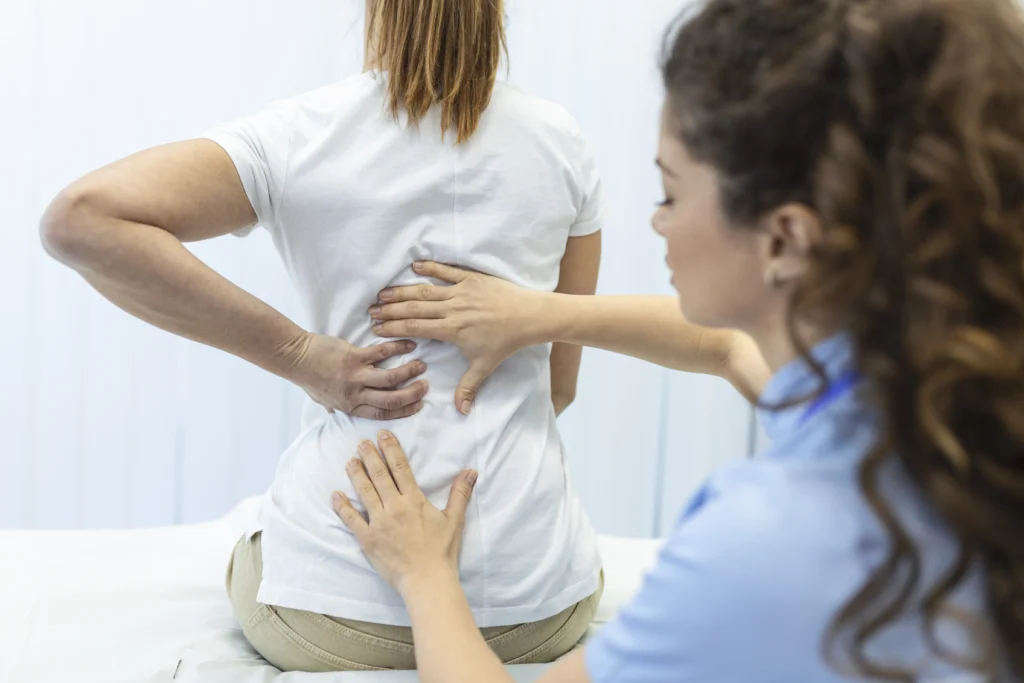
One of the biggest misconceptions about left-sided back pain is that everyone needs an X-ray or MRI immediately.
In reality, international guidelines recommend that most people with uncomplicated back pain do not need imaging during the first few weeks, especially if there are no red flag symptoms.
Many age-related changes seen on MRI, such as disc bulges or mild arthritis, are also found in people who have no pain at all.
This is why healthcare professionals focus first on your symptoms, medical history, and physical examination rather than imaging alone. WHO Guideline for Chronic Low Back Pain (2023)
As a physiotherapist, my assessment usually includes:
- Understanding when and how the pain started
- Identifying activities that worsen or relieve the pain
- Checking posture and walking pattern
- Assessing spinal mobility
- Evaluating muscle strength and flexibility
- Examining hip movement
- Testing nerve function and reflexes
- Looking for signs that suggest a medical condition rather than a mechanical problem
A thorough physical examination often provides more useful information than an early MRI in uncomplicated cases.
Left-Sided Back Pain vs Kidney Pain: How to Tell the Difference
One of the most common questions patients ask is:
“Is this my back or my kidney?”
Although both conditions can cause pain on the left side, they usually feel quite different.
Features Suggesting Musculoskeletal Back Pain
- Pain changes when you move
- Worse while bending, lifting, twisting or sitting
- Tender muscles
- Stiffness in the morning
- Improves with gentle walking
- Pain can often be reproduced by pressing on muscles
Features Suggesting Kidney Pain
Kidney pain usually:
- Is deeper inside the body
- Occurs below the ribs
- Does not change much with movement
- May spread toward the abdomen or groin
- Is often accompanied by fever, nausea, vomiting, chills, burning while passing urine, frequent urination or blood in urine
Kidney stones may also cause severe waves of pain that come and go, making it difficult to find a comfortable position.
If you suspect a kidney problem, seek medical evaluation promptly rather than trying to treat it as a muscle strain.
National Institute of Diabetes and Digestive and Kidney Diseases (NIDDK): Kidney stones and kidney infections commonly present with flank pain accompanied by urinary symptoms or fever. (NIDDK)
Can Digestive Problems Cause Left-Sided Back Pain?
Surprisingly, yes.
Pain from certain abdominal organs can sometimes be “referred” to the back because nerves supplying internal organs also communicate with the spinal cord.
Possible causes include:
- Constipation
- Diverticulitis
- Pancreatitis
- Stomach ulcers
- Inflammatory bowel disease
Unlike muscular pain, these conditions are usually associated with digestive symptoms such as:
- abdominal pain
- bloating
- vomiting
- diarrhoea
- constipation
- fever
- loss of appetite
A physiotherapist should always consider these possibilities when symptoms do not fit a typical musculoskeletal pattern.
StatPearls: Referred abdominal pain should be considered when back pain is associated with gastrointestinal symptoms. (NCBI)
Causes of Left-Sided Back Pain in Women
Women often experience certain causes of back pain that men do not.
These include:
Pregnancy
As pregnancy progresses, the growing uterus shifts the body’s centre of gravity forward.
Hormonal changes also increase ligament laxity, particularly around the pelvis and sacroiliac joints.
Many women notice:
- one-sided pelvic pain
- lower back pain
- buttock pain
- difficulty turning in bed
- pain while climbing stairs
Evidence suggests that supervised exercise and physiotherapy are among the safest and most effective treatments for pregnancy-related low back and pelvic girdle pain. (Cochrane Library)
Endometriosis
Although usually considered a gynaecological condition, endometriosis may cause persistent lower back pain, pelvic pain and pain during menstruation.
Women with chronic back pain that worsens around their menstrual cycle should discuss this possibility with their healthcare provider. (ACOG)
Ovarian Conditions
Large ovarian cysts, ovarian torsion or other pelvic disorders can occasionally produce pain felt in the lower back.
Seek urgent medical care if severe pelvic pain develops suddenly, especially when accompanied by nausea or vomiting.
Causes More Common in Older Adults
Ageing itself is not the cause of pain, but certain conditions become more common over time.
These include:
Lumbar Spinal Stenosis
The spinal canal gradually narrows, placing pressure on nerves.
Typical symptoms include:
- pain while walking
- numbness
- heaviness in both legs
- relief when bending forward
Interestingly, many people with spinal stenosis can walk farther when leaning on a shopping trolley than when walking upright.
This is known as the “shopping cart sign.” (North American Spine Society Clinical Guideline)
Facet Joint Arthritis
The small joints connecting the vertebrae gradually become arthritic.
Pain usually:
- stays near the spine
- worsens after standing
- increases when leaning backwards
- improves with gentle movement
Strengthening exercises often provide better long-term results than relying solely on pain medication.
Evidence-Based Treatment Options
Fortunately, most people recover well without surgery.
Modern treatment focuses on restoring movement rather than prolonged rest.
1. Stay Active
Years ago, patients were advised to stay in bed.
We now know this advice often delays recovery.
Walking, gentle stretching and gradually returning to normal activities help maintain circulation, reduce stiffness and improve confidence.
The World Health Organization specifically recommends remaining physically active whenever possible. WHO Clinical Guideline (2023)
2. Physiotherapy
Physiotherapy remains one of the most effective non-surgical treatments for mechanical back pain.
Depending on your condition, your rehabilitation programme may include:
- posture correction
- spinal mobility exercises
- hip mobility training
- core stabilisation
- glute strengthening
- nerve gliding exercises
- ergonomic advice
- balance training
- gait correction
- education about pain
The goal is not simply to reduce pain but also to prevent recurrence by addressing the underlying cause.
A personalised programme is far more effective than copying random exercises from social media.
3. Heat Therapy
Applying heat for 15 to 20 minutes may help reduce muscle spasm and improve blood flow.
Heat is generally more helpful for muscle tightness, whereas ice may be beneficial immediately after an acute injury.
4. Pain Medication
Your physician may recommend:
- paracetamol
- non-steroidal anti-inflammatory drugs (NSAIDs)
- short-term muscle relaxants
Medication should support movement and rehabilitation, not replace them.
Always consult a qualified healthcare professional before taking medications, particularly if you have kidney disease, stomach ulcers, heart disease or are pregnant.
Lesser-Known Facts About Left-Sided Back Pain
Your Hip May Be the Real Problem
Many people treated for back pain actually have restricted hip mobility.
When the hip loses movement, the lumbar spine compensates by moving excessively, increasing stress on one side of the back.
Improving hip flexibility often reduces back pain significantly.
Weak Gluteal Muscles Can Overload Your Spine
Your gluteal muscles absorb force while walking, climbing stairs and lifting objects.
When they become weak from prolonged sitting, the lower back works much harder than it should.
This is one reason strengthening the hips is now considered an essential component of modern back pain rehabilitation.
Stress Can Increase Pain Sensitivity
Pain is influenced not only by tissues but also by the nervous system.
Poor sleep, anxiety, chronic stress and fear of movement can make the nervous system more sensitive, causing ordinary movements to feel painful.
Understanding this connection helps patients regain confidence and recover faster.
International Association for the Study of Pain explains that pain is a complex experience influenced by biological, psychological and social factors. (IASP)
My Clinical Insight
One of the most rewarding parts of treating patients with left-sided back pain is seeing how quickly many improve once the real cause is identified.
I’ve seen people worry for weeks that they have a “slipped disc,” only to discover that tight hip muscles, poor lifting mechanics or prolonged sitting were the main contributors.
At the same time, I’ve also encountered patients whose persistent pain turned out to be related to kidney disease or another medical condition.
That’s why I always encourage a thorough assessment instead of guessing the cause based on symptoms alone.
The encouraging news is that, for most people, recovery doesn’t require complete rest or invasive treatment.
A combination of education, appropriate movement, progressive strengthening and healthy lifestyle habits can make a remarkable difference.
The key is to start the right treatment early rather than waiting for the pain to become chronic.
Physiotherapy Exercises That Can Help Relieve Left-Sided Back Pain
One of the biggest mistakes I see is people either avoiding movement completely or trying intense workouts too soon.
The spine responds best to gentle, progressive loading.
The right exercises help improve circulation, reduce muscle guarding, restore joint mobility, and rebuild confidence in movement.
Research consistently supports exercise therapy as one of the most effective long-term treatments for non-specific low back pain. (Hayden JA, et al. Exercise therapy for chronic low back pain)
1. Pelvic Tilts
Pelvic Tilts is a gentle exercise activates the deep abdominal muscles while improving mobility in the lower back.
How to do it:
- Lie on your back with knees bent.
- Tighten your abdominal muscles.
- Flatten your lower back gently into the floor.
- Hold for five seconds.
- Relax slowly.
Repeat 10-15 repetitions.
2. Cat-Camel Stretch
Cat-Camel Stretch improves spinal flexibility without placing excessive stress on the joints.
- Begin on your hands and knees.
- Slowly arch your back upward.
- Then gently lower your stomach while lifting your head.
- Move within a comfortable range.
Perform for 1-2 minutes.
3. Knee-to-Chest Stretch
If muscle tightness is contributing to your symptoms, this stretch may help relieve stiffness.
- Lie on your back.
- Pull one knee toward your chest.
- Hold for 20–30 seconds.
- Repeat on both sides.
Avoid forcing the stretch if it increases leg pain.
4. Bird-Dog Exercise
Bird-Dog is one of my favourite exercises because it trains the deep stabilising muscles without excessive spinal compression.
- Start on hands and knees.
- Extend your right arm and left leg.
- Keep your back flat.
- Hold for five seconds.
- Repeat on the opposite side.
Complete 8-10 repetitions per side.
5. Glute Bridge
Weak gluteal muscles are one of the most overlooked contributors to recurrent back pain.
- Lie on your back.
- Bend both knees.
- Lift your hips slowly.
- Hold for five seconds.
- Lower gradually.
Repeat 10-15 times.
A 2021 clinical practice guideline from the Journal of Orthopaedic & Sports Physical Therapy (JOSPT) recommends:
trunk muscle strengthening, movement control exercises, and progressive physical activity for many people with low back pain. (JOSPT)
Things You Should Avoid
Recovery isn’t just about what you should do. It’s also about avoiding habits that continue irritating your back.
Avoid prolonged bed rest
Many people still believe complete rest is the fastest cure.
In reality, prolonged inactivity weakens muscles, stiffens joints, reduces circulation, and may actually prolong pain.
The World Health Organization recommends remaining as active as your symptoms allow. (WHO Guidelines)
Avoid lifting with a rounded back
Instead:
- Bend your hips and knees.
- Keep the load close to your body.
- Tighten your core.
- Avoid twisting while lifting.
Avoid sitting for hours
If your work involves prolonged sitting:
- Stand every 30 minutes.
- Walk for 2-3 minutes.
- Perform gentle spinal stretches.
- Adjust your chair to support your lower back.
These small changes reduce cumulative stress on the spine throughout the day.
Avoid ignoring persistent pain
Pain lasting longer than 6-12 weeks deserves professional assessment, especially if daily activities continue to become more difficult.
Avoid Googling every symptom
Reading worst-case scenarios online often increases fear and anxiety.
Interestingly, research shows that fear of movement itself can delay recovery by making people avoid healthy physical activity.
Lifestyle Tips That Can Speed Recovery
Improve Your Sleep Position
Many patients notice morning stiffness simply because of poor sleeping posture.
If you sleep on your side:
- Place a pillow between your knees.
If you sleep on your back:
- Place a pillow beneath your knees.
Both positions reduce stress on the lumbar spine.
Stay Hydrated
Although spinal discs are not “refilled” overnight as many social media posts claim, proper hydration supports overall tissue health and normal body function.
Maintain a Healthy Weight
Extra body weight increases mechanical loading on the spine, hips, knees, and feet.
Even modest weight reduction may decrease stress on spinal structures and improve mobility. (WHO Fact Sheet)
Walk Every Day
Walking remains one of the safest and most effective exercises for many people with mechanical back pain.
Start with 10-15 minutes and gradually increase your duration based on comfort.
Manage Stress
Chronic stress can increase muscle tension and amplify pain signals.
Simple habits such as:
- diaphragmatic breathing
- mindfulness
- regular exercise
- adequate sleep
can positively influence recovery.
Lesser-Known Tips That Most People Don’t Know
Morning stiffness isn’t always caused by a bad mattress.
Sometimes your spinal joints simply become less mobile after several hours without movement.
Gentle stretching before getting out of bed often helps more than buying an expensive mattress.
Pain doesn’t always mean damage.
Research has shown that many healthy adults without any back pain have disc bulges or arthritis visible on MRI scans.
Likewise, severe pain may occur without significant structural injury because pain is influenced by the nervous system as well as the tissues themselves. (Brinjikji W, et al. AIAJN)
Your breathing affects your spine.
The diaphragm works together with the deep abdominal and pelvic floor muscles to stabilise the spine.
Shallow chest breathing may reduce this natural support mechanism, which is why breathing exercises are increasingly included in rehabilitation programmes.
Your hips often determine how healthy your back remains.
Improving hip flexibility and gluteal strength frequently reduces repeated stress on the lumbar spine during walking, squatting and climbing stairs.
Can Left-Sided Back Pain Be Prevented?
In many cases, yes.
Although injuries cannot always be avoided, the following habits significantly reduce the risk of recurrent episodes:
- Exercise regularly.
- Strengthen your core and hip muscles.
- Avoid prolonged sitting.
- Maintain a healthy body weight.
- Lift objects correctly.
- Stay physically active.
- Sleep adequately.
- Manage stress effectively.
- Warm up before sports.
- Don’t ignore early symptoms.
Research suggests that people who remain physically active are less likely to develop long-term disability from back pain than those who become inactive because of fear.
Recovery Timeline
Recovery depends on the underlying cause.
Muscle strain
Usually improves within 2-6 weeks with appropriate care.
Disc-related pain
May take 6-12 weeks, although nerve symptoms sometimes improve more gradually.
Chronic back pain
Recovery is still possible but usually requires a structured rehabilitation programme focusing on strength, flexibility, education and lifestyle modifications over several months.
Remember, recovery is rarely a straight line. Some days will feel better than others, and temporary flare-ups do not necessarily mean you’ve caused new damage.
Myth vs Reality
| Myth | Reality |
|---|---|
| Complete bed rest heals back pain faster. | Gentle movement usually promotes recovery better than prolonged rest. |
| Every back pain requires an MRI. | Most people recover without imaging unless red flags are present. |
| Pain always means tissue damage. | Pain is influenced by both tissues and the nervous system. |
| Surgery is the only cure for disc problems. | Many disc-related conditions improve with conservative treatment and physiotherapy. |
| Once your back hurts, exercise is dangerous. | Appropriate exercise is one of the most effective treatments available. |
Physio Prescription
If I could give every patient with left-sided back pain one piece of advice, it would be this: keep moving, but move wisely.
Your spine is designed for movement, not prolonged rest.
Most mechanical back pain improves with a combination of education, targeted exercises, gradual strengthening, and healthy daily habits rather than relying solely on medication.
Don’t become discouraged if your recovery isn’t immediate.
Healing takes time, and occasional flare-ups are a normal part of the process.
Consistency is far more important than perfection.
Small improvements each week eventually add up to meaningful, lasting recovery.
Red Flags: Seek Immediate Medical Care If You Experience
- Loss of bladder or bowel control
- Numbness around the groin or inner thighs
- Progressive weakness in one or both legs
- Fever with severe back pain
- Unexplained weight loss
- History of cancer with new back pain
- Severe pain following a major fall or accident
- Persistent pain that wakes you every night
- Blood in the urine
- Severe abdominal pain accompanying back pain
- Sudden inability to walk normally
These symptoms may indicate a serious underlying condition requiring urgent medical evaluation.
Final Thoughts
Left-sided back pain can be alarming, but in most cases, it is not a sign of serious disease.
Muscle strain, joint stiffness, posture-related stress, disc irritation, and reduced physical activity remain the most common causes.
The good news is that the majority of people recover successfully with evidence-based physiotherapy, regular exercise, and healthy lifestyle habits.
However, it’s equally important not to dismiss persistent or unusual symptoms.
Pain associated with fever, unexplained weight loss, bladder or bowel changes, severe weakness, or blood in the urine should never be ignored.
Early diagnosis can make a significant difference in outcomes when an underlying medical condition is present.
As physiotherapists, our goal extends beyond simply relieving pain.
We aim to help you understand why your pain developed, restore normal movement, rebuild strength, and equip you with the knowledge to prevent future episodes.
By staying active, following a structured rehabilitation plan, and seeking professional guidance when needed, you can regain confidence in your movement and return to the activities you enjoy with a healthier, stronger spine.
Frequently Asked Questions
1. What is the most common cause of left-sided back pain?
The most common causes include muscle strain, poor posture, prolonged sitting, ligament injuries, spinal joint irritation, and lumbar disc problems. Most cases are mechanical in nature and respond well to physiotherapy.
2. When should I worry about left-sided back pain?
Seek immediate medical attention if your pain is associated with fever, unexplained weight loss, bladder or bowel problems, numbness around the groin, severe weakness, blood in urine, or major trauma.
3. Can kidney problems cause pain on the left side of the back?
Yes. Kidney stones or kidney infections can cause pain in the left flank. This pain is often accompanied by fever, burning while urinating, nausea, vomiting, or blood in the urine.
4. Is walking good for left-sided back pain?
Yes. Walking is one of the safest and most effective exercises for many people with mechanical back pain. It helps improve circulation, reduce stiffness, and promote recovery.
5. Can physiotherapy cure left-sided back pain?
Physiotherapy is one of the most effective treatments for mechanical back pain. A personalised programme of exercises, posture correction, education, and strengthening often provides long-term relief and reduces recurrence.
6. Can left-sided back pain be caused by a slipped disc?
Yes. A lumbar disc bulge or herniated disc can irritate nearby nerves, causing pain on the left side of the lower back that may radiate into the buttock, thigh, calf, or foot. However, many disc bulges improve with physiotherapy and do not require surgery.
7. How long does left-sided back pain usually take to heal?
Recovery depends on the underlying cause. Muscle strains often improve within 2–6 weeks, while disc-related pain may take 6–12 weeks. Following your physiotherapist’s advice and staying active can help speed recovery.
8. What exercises are best for left-sided back pain?
Gentle exercises such as pelvic tilts, bird-dog, glute bridges, cat-camel stretches, and walking are commonly recommended. The best exercise program depends on the exact cause of your pain and should ideally be guided by a physiotherapist.
9. Should I use ice or heat for left-sided back pain?
Ice may help during the first 24–48 hours after an acute injury by reducing inflammation, while heat is generally more effective for relieving muscle tightness, stiffness, and chronic back pain. Always use either therapy for no more than 15–20 minutes at a time.
10. Can left-sided back pain be prevented?
Yes. Regular exercise, maintaining a healthy weight, strengthening your core and hip muscles, improving posture, avoiding prolonged sitting, lifting correctly, and staying physically active can significantly reduce the risk of developing or recurring left-sided back pain.
Stay tuned with us for more health related topics.
Follow us on LinkedIn and Instagram for more.
More Read


Medical Disclaimer!
This article has been reviewed and written under the guidance of our Head Physiotherapist, Dr. Kruti Raj (PT, MUHS,CPT,CMPT). The information shared is intended for educational purposes only and should not be considered a substitute for personalized medical advice, diagnosis, or treatment.
Please consult us or any other qualified healthcare professional before beginning any exercise program, especially if you are experiencing pain, recovering from injury, or managing a medical condition.


