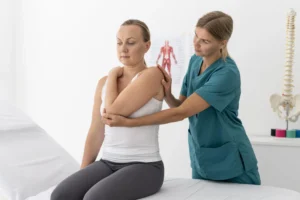
Being diagnosed with Polycystic Ovary Syndrome (PCOS) can feel overwhelming, especially when faced with symptoms such as irregular periods, acne, unwanted hair growth, weight gain, or difficulty becoming pregnant.
One of the first questions many women ask is, “How is PCOS treated?”
While there is currently no permanent cure for PCOS, the condition can be effectively managed through a combination of healthy lifestyle changes, medications, and individualized medical care.
Quick Answer
PCOS cannot be permanently cured, but it can be effectively treated and managed. Treatment depends on your symptoms and health goals and may include lifestyle changes, medications, fertility treatments, and regular medical follow-up. Early treatment helps regulate menstrual cycles, improve fertility, reduce unwanted hair growth and acne, manage insulin resistance, and lower the risk of long-term complications such as type 2 diabetes and heart disease.
PCOS affects women differently, so treatment is tailored to each person’s symptoms, health goals, and reproductive plans.
For example, treatment for a woman trying to conceive will differ from treatment for someone whose primary concern is irregular periods or acne.
Early diagnosis and timely management not only improve symptoms but also reduce the long-term risk of conditions such as type 2 diabetes, cardiovascular disease, and endometrial cancer.
With the right treatment plan and ongoing support, most women with PCOS can successfully manage their symptoms and enjoy a healthy quality of life. (Teede et al.2023)
Key Takeaways
- There is currently no permanent cure for PCOS, but it can be successfully managed.
- Lifestyle modification remains the first-line treatment for most women with PCOS.
- Treatment plans are individualized based on symptoms, age, and pregnancy goals.
- Medications may help regulate periods, improve ovulation, manage insulin resistance, and reduce acne and excess hair growth.
- Regular exercise and physiotherapy improve metabolic health, hormone balance, and overall well-being.
- Long-term follow-up helps reduce the risk of diabetes, cardiovascular disease, and endometrial complications.
Can PCOS Be Cured?
At present, PCOS cannot be permanently cured, but it can be successfully managed.
Since PCOS is a lifelong hormonal and metabolic condition, treatment focuses on controlling symptoms, preventing complications, and improving overall health rather than eliminating the condition completely.
Many women experience significant improvements in their symptoms through:
- Healthy eating habits
- Regular physical activity
- Weight management
- Stress reduction
- Appropriate medications
- Regular medical follow-up
For some women, symptoms may become milder with age or after pregnancy, but continued lifestyle management remains important because the underlying hormonal tendency often persists.
The encouraging news is that effective treatment can help regulate menstrual cycles, improve ovulation, reduce excess hair growth and acne, support fertility, and lower the risk of future health problems.
Why Is PCOS Treatment Important?
Without proper management, PCOS can affect much more than reproductive health.
The hormonal and metabolic changes associated with the condition may increase the risk of several long-term health complications.
Appropriate treatment helps:
- Regulate menstrual cycles
- Improve ovulation
- Increase fertility
- Reduce acne and excessive hair growth
- Improve insulin sensitivity
- Support healthy weight management
- Lower the risk of type 2 diabetes
- Reduce cardiovascular risk factors
- Protect the uterine lining from prolonged exposure to unopposed estrogen
- Improve mental well-being and quality of life
Early treatment allows healthcare providers to address symptoms before complications develop and helps women maintain better overall health throughout their lives.
How Is PCOS Diagnosed Before Treatment?
Before recommending treatment, healthcare providers perform a comprehensive evaluation to confirm the diagnosis and identify associated health concerns.
Diagnosis usually includes:
Medical History
The doctor may ask about:
- Menstrual cycle patterns
- Pregnancy history
- Weight changes
- Acne
- Excess facial or body hair
- Family history of PCOS or diabetes
Physical Examination
This may include assessment of:
- Body weight and Body Mass Index (BMI)
- Waist circumference
- Blood pressure
- Acne
- Hair growth patterns
- Hair thinning
Blood Tests
Blood tests may evaluate:
- Blood sugar levels
- Insulin resistance
- Cholesterol levels
- Testosterone and other androgen hormones
- Thyroid function
- Prolactin levels
Pelvic Ultrasound
An ultrasound may reveal multiple small follicles in the ovaries, one of the diagnostic features of PCOS. However, not every woman with PCOS has polycystic-appearing ovaries, and ultrasound findings alone are not sufficient for diagnosis.
The diagnosis is generally based on internationally accepted criteria after excluding other medical conditions that may produce similar symptoms. (Fauser et al. 2012).
Factors That Influence PCOS Treatment
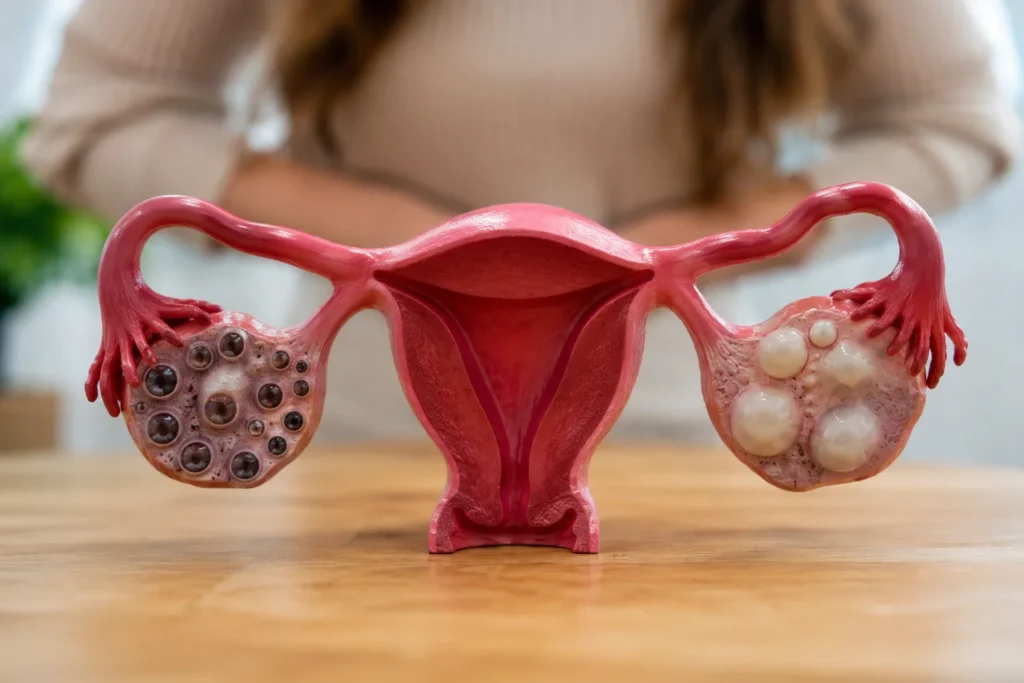
There is no single treatment plan that works for everyone. Healthcare providers individualize treatment based on several factors.
Age
Treatment recommendations may differ for adolescents, women of reproductive age, and women approaching menopause because symptoms and health priorities often change over time.
Pregnancy Plans
Whether a woman wishes to become pregnant is one of the most important considerations.
Women planning pregnancy may receive treatments that promote ovulation, while those not planning pregnancy may benefit from therapies that regulate menstrual cycles and manage hormonal symptoms.
Body Weight
Weight influences insulin resistance, hormone levels, and reproductive health.
Women with overweight or obesity-related PCOS often benefit from weight management strategies, while women with Lean PCOS require treatment that focuses more on hormonal balance and metabolic health rather than weight loss.
Symptoms
Treatment depends on the symptoms that most affect the individual.
For example:
- Irregular periods may require menstrual cycle regulation.
- Acne may need dermatological treatment.
- Excess facial hair may require hormonal therapy or cosmetic management.
- Fertility concerns may require ovulation induction medications.
Insulin Resistance and Metabolic Health
Many women with PCOS have insulin resistance, regardless of body weight.
Healthcare providers may evaluate:
- Blood sugar levels
- Prediabetes
- Type 2 diabetes risk
- Cholesterol levels
- Blood pressure
Managing these metabolic factors is an important part of long-term PCOS care and helps reduce the risk of future complications.
Lifestyle Changes: The Foundation of PCOS Treatment
Lifestyle modification is considered the first-line treatment for most women with PCOS, regardless of whether they are trying to conceive.
Healthy lifestyle habits improve both reproductive and metabolic health and often enhance the effectiveness of medical treatments.
Healthy Diet
There is no single “PCOS diet,” but a balanced eating pattern can improve insulin sensitivity and support hormone regulation.
A healthy diet should emphasize:
- Whole grains
- Fresh fruits and vegetables
- Lean proteins
- Legumes
- Healthy fats
- Nuts and seeds
- High-fiber foods
Reducing processed foods, sugary beverages, and refined carbohydrates may help improve blood sugar control and overall metabolic health.
Healthy Weight Management
For women with overweight or obesity-related PCOS, losing 5% to 10% of body weight may improve:
- Ovulation
- Menstrual regularity
- Fertility
- Insulin sensitivity
- Blood pressure
- Cholesterol levels
Women with Lean PCOS should focus on maintaining a healthy body composition rather than unnecessary weight loss.
Regular Physical Activity
Exercise is an essential part of PCOS treatment because it benefits women regardless of whether significant weight loss occurs.
Regular physical activity helps:
- Improve insulin sensitivity
- Support hormone balance
- Reduce body fat
- Improve cardiovascular fitness
- Enhance mood
- Improve sleep quality
- Lower long-term metabolic risk
Most adults should aim for at least 150 minutes of moderate-intensity physical activity each week, combined with muscle-strengthening exercises on two or more days. (Moran et al. 2011)
Medications Used to Treat PCOS
While lifestyle changes are the cornerstone of PCOS management, many women also benefit from medications to address specific symptoms such as irregular periods, insulin resistance, acne, excessive hair growth, or difficulty conceiving. The choice of medication depends on a woman’s age, symptoms, and whether she is planning a pregnancy.
It is important to remember that there is no single medication that treats every aspect of PCOS. Healthcare providers often combine lifestyle modifications with medications to achieve the best outcomes
Metformin
Metformin is one of the most commonly prescribed medications for women with PCOS, particularly those with insulin resistance, prediabetes, or type 2 diabetes.
It works by improving the body’s sensitivity to insulin, which helps reduce insulin levels and indirectly lowers androgen production.
Potential benefits include:
- Improved insulin sensitivity
- Better blood sugar control
- More regular menstrual cycles
- Improved ovulation in some women
- Reduced risk of developing type 2 diabetes
- Support for weight management when combined with lifestyle changes
Although metformin may improve fertility in some women, it is not considered the first-line medication for ovulation induction.
Combined Oral Contraceptive Pills (Birth Control Pills)
For women who are not planning pregnancy, combined oral contraceptive pills are often recommended as first-line treatment for managing hormonal symptoms.
Birth control pills help:
- Regulate menstrual cycles
- Reduce excessive androgen production
- Improve acne
- Reduce unwanted facial and body hair
- Protect the uterine lining from prolonged irregular menstrual cycles
The choice of contraceptive should always be individualized based on a woman’s medical history and risk factors.
Anti-Androgen Medications
Women experiencing bothersome symptoms related to high androgen levels may benefit from anti-androgen medications.
These medications help reduce:
- Excess facial hair (hirsutism)
- Body hair growth
- Acne
- Scalp hair thinning
Examples include medications such as spironolactone, which is commonly prescribed alongside effective contraception because it should not be used during pregnancy due to potential risks to a developing fetus.
Improvement in hair growth usually takes several months because hair follicles require time to complete their growth cycle. (Teede et al. 2023)
Ovulation Induction Medications
Women trying to conceive may require medications that stimulate ovulation.
Letrozole
Letrozole is currently recommended as the first-line medication for ovulation induction in many women with PCOS.
It works by stimulating follicle development and increasing the likelihood of releasing a mature egg.
Research has shown that letrozole is associated with:
- Higher ovulation rates
- Higher pregnancy rates
- Higher live birth rates
compared with some older ovulation-inducing medications.
Clomiphene Citrate
Clomiphene citrate has been used for decades to induce ovulation.
It remains an effective treatment for many women but may be considered when letrozole is unsuitable or unavailable.
Women receiving ovulation-inducing medications are usually monitored with ultrasound examinations to reduce the risk of multiple pregnancies and to assess follicle development.
Fertility Treatment Options
Not every woman with PCOS requires fertility treatment. Many conceive naturally after improving their lifestyle or taking ovulation-inducing medications.
If pregnancy does not occur despite initial treatment, fertility specialists may recommend additional options.
These include:
Gonadotropin Therapy
Injectable fertility hormones stimulate ovarian follicles and may be recommended for women who do not respond to oral medications.
Careful monitoring is required because these medications increase the risk of multiple pregnancies and ovarian hyperstimulation syndrome (OHSS).
Intrauterine Insemination (IUI)
IUI involves placing specially prepared sperm directly into the uterus around the time of ovulation.
This procedure may be considered for selected couples depending on the underlying cause of infertility.
In Vitro Fertilization (IVF)
IVF may be recommended when other fertility treatments are unsuccessful or when additional infertility factors are present.
During IVF:
- Eggs are collected from the ovaries.
- Fertilization occurs in a laboratory.
- The resulting embryo is transferred into the uterus.
Many women with PCOS achieve successful pregnancies through IVF when appropriate.
Managing Excess Hair Growth and Acne
High androgen levels contribute to many cosmetic symptoms associated with PCOS.
Treatment may include:
Medical Treatment
Healthcare providers may prescribe:
- Combined oral contraceptives
- Anti-androgen medications
- Topical acne treatments
- Prescription medications for severe acne
Cosmetic Treatments
Some women also choose cosmetic procedures such as:
- Laser hair removal
- Electrolysis
- Waxing
- Threading
- Shaving
- Prescription creams for facial hair
Combining medical and cosmetic treatments often provides the best long-term results.
Managing Irregular Periods
Irregular or absent menstrual periods increase the risk of excessive thickening of the uterine lining (endometrial hyperplasia), which may increase the risk of endometrial cancer over time.
Depending on individual needs, healthcare providers may recommend:
- Combined oral contraceptive pills
- Cyclic progesterone therapy
- Lifestyle modification
- Weight management
Regular menstrual cycles help maintain the health of the uterine lining and reduce long-term complications.
Mental Health Support
PCOS affects more than physical health. Women with PCOS are more likely to experience:
- Anxiety
- Depression
- Low self-esteem
- Body image concerns
- Stress related to infertility
- Reduced quality of life
Healthcare providers may recommend:
- Psychological counseling
- Cognitive behavioral therapy (CBT)
- Stress-management techniques
- Support groups
- Regular exercise
- Mindfulness practices
Addressing emotional well-being is an essential part of comprehensive PCOS care. (Dokras et al. 2012)
How Can Physiotherapy Help Women with PCOS?
Physiotherapy is increasingly recognized as an important component of multidisciplinary PCOS management.
Although it does not cure PCOS, it helps improve many of the underlying metabolic and physical factors associated with the condition.
Improves Insulin Sensitivity
Regular aerobic and resistance exercises prescribed by physiotherapists help muscles use glucose more efficiently, reducing insulin resistance and supporting hormonal balance.
Supports Healthy Weight Management
Structured exercise programs improve:
- Muscle strength
- Body composition
- Physical fitness
- Energy expenditure
These changes support better metabolic health and symptom control.
Improves Cardiovascular Health
Women with PCOS have an increased risk of cardiovascular disease.
Regular exercise helps:
- Lower blood pressure
- Improve cholesterol levels
- Improve heart health
- Increase endurance
Reduces Stress and Improves Mental Well-being
Exercise stimulates the release of endorphins that improve mood and reduce stress.
This can be particularly helpful for women coping with infertility, body image concerns, or chronic symptoms.
Promotes Long-Term Lifestyle Success
Physiotherapists design individualized exercise programs that are safe, realistic, and sustainable.
Long-term adherence to physical activity is one of the most effective ways to manage PCOS symptoms and improve overall health.
Can PCOS Be Managed Naturally?
Many women wonder whether PCOS can be managed without medication.
The answer depends on the severity of symptoms, individual health goals, and whether pregnancy is desired.
For some women, especially those with mild symptoms, healthy lifestyle changes alone may significantly improve menstrual regularity, insulin sensitivity, and overall well-being.
However, others may require medications in addition to lifestyle modifications to effectively manage symptoms such as infertility, severe acne, excessive hair growth, or irregular menstrual cycles.
Natural approaches that may support PCOS management include:
- Eating a balanced, nutrient-rich diet
- Engaging in regular physical activity
- Maintaining a healthy body weight
- Getting 7 to 9 hours of quality sleep each night
- Managing stress through relaxation techniques, yoga, or meditation
- Avoiding smoking and limiting alcohol consumption
- Attending regular medical follow-up appointments
While lifestyle measures are highly beneficial, they should not replace medical treatment when clinically indicated.
Women should always consult a healthcare provider before using herbal remedies or dietary supplements, as the evidence for many of these products remains limited.
When Should You See a Doctor?
Early medical evaluation can help prevent complications and improve long-term health outcomes.
You should consult a healthcare provider if you experience:
- Irregular or absent menstrual periods
- Difficulty becoming pregnant after trying to conceive
- Rapid weight gain without an obvious cause
- Excess facial or body hair
- Persistent acne that does not improve with standard treatment
- Hair thinning or scalp hair loss
- Symptoms of high blood sugar, such as increased thirst or frequent urination
- Pelvic pain or abnormal uterine bleeding
- Depression, anxiety, or persistent mood changes
Women who have already been diagnosed with PCOS should also have regular follow-up visits to monitor blood pressure, blood sugar levels, cholesterol, weight, and overall reproductive health.
Long-Term Management of PCOS
PCOS is a lifelong condition, but effective management can greatly reduce symptoms and lower the risk of future health problems.
Long-term care focuses on:
Maintaining a Healthy Lifestyle
Consistent healthy habits remain the most effective long-term strategy for managing PCOS.
These include:
- A balanced diet
- Regular physical activity
- Healthy weight maintenance
- Adequate sleep
- Stress management
Monitoring Metabolic Health
Women with PCOS have a higher risk of developing:
- Type 2 diabetes
- High blood pressure
- High cholesterol
- Cardiovascular disease
Regular health screenings help detect these conditions early and allow timely intervention.
Regular Gynecological Care
Women with prolonged irregular periods should receive regular gynecological evaluations to reduce the risk of endometrial hyperplasia and endometrial cancer.
Routine follow-up allows healthcare providers to adjust treatment plans as symptoms and life goals change over time.
Mental Well-Being
Long-term management should also include emotional health.
Support from healthcare professionals, family members, counselors, or support groups can help women cope with the psychological effects of living with PCOS. (Singh et al. 2023)
Myth vs Fact
| Myth | Fact |
|---|---|
| PCOS can be permanently cured. | PCOS is a lifelong condition, but symptoms can be effectively managed. |
| Every woman with PCOS needs medication. | Some women improve significantly through lifestyle changes alone, while others require medication. |
| Weight loss completely cures PCOS. | Weight loss improves symptoms but does not eliminate the condition. |
| Women with PCOS cannot become pregnant. | Many women conceive naturally or with fertility treatments. |
Common Myths About PCOS Treatment
Myth 1: PCOS can be cured permanently.
Fact: There is currently no permanent cure for PCOS. However, appropriate treatment can effectively manage symptoms and reduce long-term health risks.
Myth 2: Every woman with PCOS needs medication.
Fact: Some women experience significant improvement through healthy lifestyle changes alone, while others require medications depending on their symptoms and reproductive goals.
Myth 3: Losing weight completely cures PCOS.
Fact: Weight loss may improve symptoms for many women, particularly those with overweight or obesity, but PCOS is a complex hormonal disorder that often requires ongoing management.
Myth 4: Birth control pills treat infertility.
Fact: Birth control pills regulate menstrual cycles and reduce androgen-related symptoms, but they do not improve fertility while they are being used.
Myth 5: Women with PCOS cannot become pregnant.
Fact: Many women with PCOS conceive naturally or with fertility treatments such as letrozole, clomiphene, or assisted reproductive technologies.
Final Thoughts
Living with Polycystic Ovary Syndrome (PCOS) can be challenging, but it does not have to define your health or future. Although there is no permanent cure, a personalized treatment plan that combines healthy lifestyle habits, appropriate medications, regular physical activity, and ongoing medical care can effectively control symptoms and reduce long-term health risks.
Working closely with your healthcare team and making sustainable lifestyle changes can improve hormonal balance, support fertility, protect metabolic health, and enhance your overall quality of life. Small, consistent steps today can make a meaningful difference in managing PCOS for years to come.
Conclusion
Although PCOS is a lifelong condition, it is highly manageable with the right combination of lifestyle changes, medical treatment, and regular healthcare follow-up.
Because PCOS affects every woman differently, treatment plans should be personalized based on symptoms, metabolic health, and pregnancy goals.
A multidisciplinary approach involving gynecologists, endocrinologists, dietitians, physiotherapists, and mental health professionals can help women manage symptoms, improve fertility, reduce long-term health risks, and enhance their overall quality of life.
With early diagnosis and consistent care, most women with PCOS can lead healthy, active, and fulfilling lives.(Legro et al. 2013)
Frequently Asked Questions
1. Can PCOS be cured permanently?
No. PCOS is a lifelong hormonal condition, but appropriate treatment can successfully manage symptoms and reduce long-term health risks.
2. What is the best treatment for PCOS?
The best treatment depends on your symptoms and goals. Lifestyle modification, healthy eating, exercise, medications, and fertility treatments are commonly used.
3. Is weight loss necessary for every woman with PCOS?
No. Women with Lean PCOS may not need to lose weight, but maintaining a healthy lifestyle remains important for hormonal and metabolic health.
4. Can physiotherapy help manage PCOS?
Yes. Physiotherapy-guided exercise programs improve insulin sensitivity, cardiovascular fitness, weight management, and overall quality of life.
5. When should I see a doctor for PCOS?
You should consult a healthcare provider if you experience irregular periods, infertility, excessive hair growth, acne, unexplained weight gain, or symptoms of insulin resistance.
Stay tuned with us for more health related topics.
Follow us on LinkedIn and Instagram for more.
More Read


Medical Disclaimer!
This article has been reviewed and written under the guidance of our Head Physiotherapist, Dr. Kruti Raj (PT, MUHS,CPT,CMPT). The information shared is intended for educational purposes only and should not be considered a substitute for personalized medical advice, diagnosis, or treatment.
Please consult us or any other qualified healthcare professional before beginning any exercise program, especially if you are experiencing pain, recovering from injury, or managing a medical condition.
SEO Title (60 Characters)
How Is PCOS Treated? Complete Treatment & Management Guide
SEO URL
Alternative URLs
- /pcos-treatment
- /treatment-for-pcos
- /pcos-management
- /how-to-treat-pcos
- /best-treatment-for-pcos
Meta Description (155 Characters)
Learn how PCOS is treated with lifestyle changes, medications, fertility treatments, and physiotherapy to manage symptoms and improve long-term health.
10 High-CTR SEO Meta Titles
- How Is PCOS Treated? Complete Treatment & Management Guide
- PCOS Treatment: Best Ways to Manage Symptoms Naturally
- How to Treat PCOS: Medications, Lifestyle & Fertility Options
- PCOS Treatment Explained: Everything You Need to Know
- Best Treatment for PCOS: Lifestyle, Medicines & More
- Can PCOS Be Treated? Expert Guide to Managing PCOS
- PCOS Management: Treatment Options for Every Woman
- How Is Polycystic Ovary Syndrome (PCOS) Treated?
- PCOS Treatment Guide: Improve Hormones, Fertility & Health
- PCOS Treatment: Lifestyle Changes, Medicines & Fertility Care
Recommended Title:
How Is PCOS Treated? Complete Treatment & Management Guide
Focus Keyword
How Is PCOS Treated
Primary Keyword
- How Is PCOS Treated
Secondary Keywords
- PCOS treatment
- Treatment for PCOS
- PCOS management
- PCOS medications
- Lifestyle changes for PCOS
- PCOS therapy
- Fertility treatment for PCOS
- PCOS hormonal treatment
- PCOS symptom management
- PCOS healthcare
Long-Tail Keywords
- How is PCOS treated naturally
- Best treatment for PCOS
- Can PCOS be cured permanently
- Medications used to treat PCOS
- Lifestyle treatment for PCOS
- How to manage PCOS symptoms
- Fertility treatment for women with PCOS
- Can physiotherapy help PCOS
- Long-term management of PCOS
- PCOS treatment for irregular periods
LSI Keywords
- polycystic ovary syndrome
- insulin resistance
- hormonal imbalance
- ovulation
- menstrual cycle
- metformin
- letrozole
- clomiphene citrate
- birth control pills
- anti-androgen therapy
- healthy weight
- reproductive health
- fertility care
- endometrial health
- lifestyle modification
Search Intent
Informational
Users want to understand how PCOS is treated, including lifestyle modifications, medications, fertility options, and long-term management strategies.
Target Audience
- Women diagnosed with PCOS
- Women experiencing irregular periods
- Women planning pregnancy
- Women seeking fertility treatment
- Patients newly diagnosed with PCOS
- Family members looking to understand PCOS management
Suggested Internal Links
Link this article to:
- What Is PCOS?
- PCOS Symptoms
- PCOS Causes
- PCOS Diagnosis
- Best Diet for PCOS
- Exercise for PCOS
- Ovulation in PCOS: Why It Matters
- Can PCOS Cause Miscarriage?
- Pregnancy with PCOS
- Can You Get Pregnant Naturally with PCOS?
- Insulin Resistance and PCOS
- Physiotherapy for PCOS
Suggested External References
- International Evidence-based Guideline for PCOS (2023)
- PubMed
- American Society for Reproductive Medicine (ASRM)
- Endocrine Society Clinical Practice Guidelines
- World Health Organization (WHO)
Image SEO
Featured Image Title
How Is PCOS Treated? Complete Guide to Managing PCOS
Alt Text
Doctor discussing treatment options for a woman with Polycystic Ovary Syndrome (PCOS), including lifestyle changes, medications, and fertility care.
Caption
PCOS treatment is personalized and may include healthy lifestyle changes, medications, fertility treatments, and physiotherapy to improve hormonal and metabolic health.
Image File Name
how-is-pcos-treated.webp
Open Graph Title
How Is PCOS Treated? Lifestyle, Medicines & Fertility Guide
Open Graph Description
Discover the most effective treatments for PCOS, including healthy lifestyle changes, medications, fertility treatments, and long-term management strategies.
Twitter (X) Title
How Is PCOS Treated? Expert Guide to PCOS Management
Twitter (X) Description
Learn how PCOS is treated with evidence-based lifestyle changes, medications, fertility treatments, and physiotherapy to improve long-term health.
Article Category
Women’s Health → PCOS
Article Tags
- PCOS
- PCOS Treatment
- Polycystic Ovary Syndrome
- Women’s Health
- Hormonal Health
- Fertility
- Insulin Resistance
- Reproductive Health
- Physiotherapy
- Lifestyle Medicine
Featured Snippet (45–50 Words)
PCOS is treated with a personalized approach based on symptoms and health goals. Treatment may include healthy lifestyle changes, weight management, medications such as metformin or birth control pills, fertility treatments for women trying to conceive, and regular medical follow-up to reduce long-term health risks.
People Also Ask (PAA)
- How is PCOS treated?
- Can PCOS be cured permanently?
- What is the best treatment for PCOS?
- Is medication necessary for every woman with PCOS?
- Can PCOS be managed naturally?
- What medications are used to treat PCOS?
- Can physiotherapy help women with PCOS?
- How long does PCOS treatment take?
- Does losing weight improve PCOS symptoms?
- Can women with PCOS get pregnant after treatment?
Keyword Density Recommendation
- Focus Keyword (“How Is PCOS Treated”): 0.8%–1.2%
- Include naturally in:
- SEO title
- URL
- Meta description
- First paragraph
- One H2 heading
- Conclusion
- Image alt text
Readability (Yoast SEO)
- Flesch Reading Ease: 65+
- Reading Level: Grade 7–8
- Passive Voice: Less than 10%
- Transition Words: More than 30%
- Paragraph Length: 2–4 sentences
- Average Sentence Length: 15–20 words