


Hip pain that keeps returning during walking, exercise, or prolonged standing may sometimes be linked to the structure of the hip joint.
One possible cause is adult hip dysplasia, a condition in which the hip socket provides less coverage of the ball at the top of the thigh bone than expected.
Quick Answer: What Is Adult Hip Dysplasia?
Adult hip dysplasia occurs when the hip socket does not adequately cover the ball at the top of the thigh bone. This may affect joint stability and the way forces are distributed through the hip.
Common signs include: deep groin pain, outer-hip discomfort, painful clicking, a feeling of instability, limping, and pain during walking or exercise.
Can physiotherapy help? Individualised physiotherapy may improve muscle strength, movement control, and activity tolerance. It cannot change the underlying shape of a shallow hip socket. Persistent symptoms may require medical assessment and imaging.
Some people develop symptoms in adolescence or early adulthood, while others remain unaware of the condition for years.
Recognizing the warning signs matters because hip dysplasia can resemble a labral tear, hip flexor irritation, or other causes of hip pain.
A proper assessment helps determine whether the joint structure is contributing to the symptoms and what treatment may be appropriate.
Key Takeaways
- Adult hip dysplasia occurs when the hip socket provides insufficient coverage of the femoral head.
- Possible symptoms include groin pain, outer-hip discomfort, painful clicking, instability, and limping.
- A shallow socket on an X-ray does not automatically mean it is the cause of hip pain.
- Diagnosis may involve clinical assessment and imaging, including X-rays and, when indicated, MRI or CT.
- Physiotherapy can help improve strength, movement control, and tolerance for daily activities.
- Exercises should be tailored to symptoms, stability, and individual functional goals.
- Persistent symptoms or suspected structural dysplasia may warrant assessment by an orthopaedic hip specialist.
What Is Hip Dysplasia in Adults?
The hip is a ball-and-socket joint.
The ball, called the femoral head, fits into a cup-shaped part of the pelvis known as the acetabulum.
In hip dysplasia, the socket may be too shallow, incorrectly oriented, or unable to cover the femoral head adequately.
This can affect how forces are distributed through the joint during walking, running, and other weight-bearing activities.
The condition usually develops while the hip is growing.
Some cases are recognized during childhood, while milder forms may not become noticeable until adulthood.
A shallow socket does not automatically mean that a person has a painful hip.
Symptoms depend on several factors, including the degree of under coverage, joint stability, activity demands, and the condition of the labrum and cartilage.
Adult hip dysplasia can also coexist with other musculoskeletal problems, which makes a comprehensive assessment important. (Jacobsen et al., 2026)
Seven Signs of a Shallow Hip Socket
Symptoms vary between individuals.
The following signs may raise suspicion of symptomatic hip dysplasia, but none can confirm the diagnosis on its own.
1. Deep Groin Pain
Deep pain at the front of the hip or in the groin is a common symptom of symptomatic hip dysplasia.
It may appear during walking, climbing stairs, squatting, running, or getting up from a low chair.
The discomfort may begin gradually and become more noticeable as activity levels increase.
Pain in this area can also occur with a hip labral tear, femoroacetabular impingement, or other joint conditions, so the location of pain alone is not enough to identify the cause.
2. Pain on the Outer Side of the Hip
Some adults experience discomfort over the outer hip, particularly during prolonged walking, standing on one leg, or lying on the affected side.
This pain may involve the gluteal tendons and surrounding muscles.
A physiotherapist can assess whether the symptoms are associated with the hip joint, the surrounding soft tissues, or a combination of factors.
3. A Feeling of Hip Instability
The hip may feel loose, unreliable, or as though it could give way during movement.
This sensation may be more noticeable during single-leg activities, turning, or changes in direction.
Reduced socket coverage can contribute to instability, but giving way may also result from pain-related muscle inhibition, weakness, or other joint problems.
Persistent instability deserves assessment rather than being treated as a simple strength issue.
4. Clicking, Catching, or Locking
Some people notice clicking or catching when bending, rotating, or moving the leg.
These symptoms may be associated with irritation or damage to the labrum, the ring of cartilage around the hip socket.
However, painless clicking can occur in otherwise healthy hips.
Painful catching or true locking, particularly when accompanied by groin pain or instability, should be assessed by a qualified clinician.
5. Pain During or After Exercise
Running, dancing, hiking, deep squats, and repetitive single-leg activities may aggravate symptoms in some people.
The pain may settle after rest but return when the same activity is repeated.
Some individuals gradually reduce their training, avoid particular movements, or stop participating in activities they previously enjoyed.
In a study of adults with symptomatic acetabular dysplasia, activity-related pain was common, with symptoms frequently reported in the groin or outer hip. (Nunley et al., 2011)
6. Limping or Reduced Walking Tolerance
When the hip becomes painful or difficult to control, a person may shorten their stride, shift their weight, or limp to reduce discomfort.
Long walks, uphill walking, and prolonged standing may become increasingly difficult.
A persistent limp should not automatically be attributed to weak gluteal muscles without investigating the underlying cause.
7. Hip Symptoms Beginning at a Young Age
Persistent hip or groin pain that begins in adolescence or early adulthood may warrant closer investigation, especially when the cause is unclear.
A history of childhood hip problems or a family history of hip dysplasia may provide additional clues.
Some people also report joint hypermobility or a feeling that the hip moves more than expected.
The ALPHA Alert, developed to help clinicians recognize possible adult acetabular hip dysplasia, highlights five features: age at symptom onset, limp, progressing pain, relevant childhood or family history, and hip joint hypermobility or instability.
These features can guide referral but do not establish a diagnosis. (Evans et al., 2024)
Why Can a Shallow Hip Socket Cause Pain?
The hip must remain stable while allowing a large range of movement.
The socket provides part of this stability, working alongside the labrum, joint capsule, ligaments, and surrounding muscles.
When the socket provides less coverage, the distribution of forces across the joint may change.
The labrum may experience increased loading as it helps maintain joint stability.
Repetitive activity can aggravate symptoms in some people, although the response varies with the individual anatomy and activity demands.
Over time, symptomatic hip dysplasia may be associated with labral damage and an increased risk of hip osteoarthritis.
However, not everyone with a shallow socket develops pain or arthritis.
The important distinction is between hip dysplasia seen on imaging and hip dysplasia that is actually causing symptoms.
Clinical assessment helps establish whether the structural findings are relevant to the person’s pain and movement difficulties.
What Causes Adult Hip Dysplasia?
Adult hip dysplasia is generally related to how the hip joint developed rather than a single injury or exercise.
Factors that may be relevant include:
- Development during childhood: The socket may not develop sufficient depth or coverage as the hip grows.
- Family history: Hip dysplasia can occur in multiple members of the same family.
- Previous childhood hip problems: Some adults have residual structural differences despite treatment earlier in life.
- Individual anatomical variation: The shape and orientation of the hip socket and femoral head differ between people.
Hip dysplasia can range from borderline undercoverage to more pronounced structural dysplasia.
This distinction matters because symptoms, joint stability, and treatment options may differ.
Is It Hip Dysplasia or Another Hip Condition?
Several conditions can cause similar symptoms, so it is important not to assume that every episode of groin pain comes from a shallow socket.
| Condition | Possible distinguishing features |
|---|---|
| Hip dysplasia | Activity-related groin or outer-hip pain, sometimes with instability or limping |
| Hip labral tear | Groin pain, catching, clicking, or pain with certain hip movements |
| Femoroacetabular impingement | Pain or pinching during deep hip flexion, squatting, or rotation |
| Gluteal tendinopathy | Pain over the outer hip, often aggravated by lying on that side or single-leg loading |
| Hip osteoarthritis | Pain and stiffness, sometimes with reduced hip movement and walking tolerance |
These patterns overlap and are not diagnostic rules.
More than one condition may be present at the same time.
An appropriate clinical examination helps determine whether imaging or specialist referral is needed.
How Is Adult Hip Dysplasia Diagnosed?
Physiotherapy and Clinical Assessment
A physiotherapist or clinician will ask about the location and duration of pain, aggravating activities, walking tolerance, previous hip problems, and any family history of dysplasia.
The physical assessment may include:
- Walking pattern and any visible limp
- Hip range of motion, including flexion and rotation
- Hip and pelvic muscle strength
- Balance and control during single-leg activities
- Joint stability and tests that reproduce familiar symptoms
- Assessment of the lower back and surrounding soft tissues
No single physical test can confirm a shallow hip socket.
The purpose of the examination is to understand the person’s functional limitations, identify possible alternative causes, and decide whether medical investigation is appropriate.
X-Rays and Other Imaging
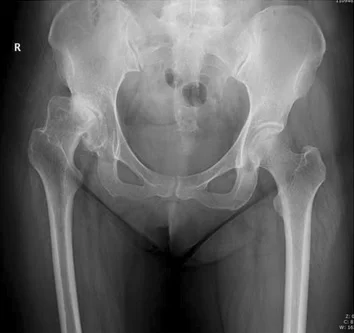
Pelvic and hip X-rays are commonly used to assess socket shape, femoral head coverage, and joint alignment.
One measurement is the lateral center-edge angle, which helps estimate how much the socket covers the femoral head.
Lower values may suggest dysplasia, but the measurement must be interpreted alongside other radiographic features and the clinical findings.
MRI may be used when a clinician needs to assess the labrum, cartilage, or other soft tissues.
CT may provide more detailed information about bone shape and orientation, particularly when surgery is being considered.
The lateral centre-edge angle should not be used in isolation.
Adults with borderline dysplasia can have different patterns of stability and associated tissue problems, which can influence treatment decisions. (Kraeutler et al., 2020)
How Can Physiotherapy Help Hip Dysplasia?
Physiotherapy cannot deepen a shallow socket or change the underlying shape of the bones.
However, an individualized rehabilitation program may help improve muscle function, movement control, activity tolerance, and confidence.
The program should reflect the person’s symptoms, joint stability, strength, everyday demands, and treatment goals.
It should also complement medical or orthopedic assessment when indicated.
1. Strengthening the Hip and Gluteal Muscles
The gluteal muscles help control the pelvis and thigh during walking, stair climbing, and single-leg activities.
Improving their strength and endurance may make daily movements more manageable.
Depending on the assessment, a physiotherapist may introduce:
- Bridges or modified bridges
- Side-lying hip abduction
- Standing hip extension with support
- Controlled sit-to-stand exercises
- Low step-ups when tolerated
These exercises are examples, not a standard program for everyone.
The physiotherapist should adjust the range, resistance, and progression according to the individual’s response.
2. Improving Pelvic and Trunk Control
The trunk, pelvis, and hip muscles work together during weight-bearing activities.
Rehabilitation may include supported weight shifts, balance exercises, controlled step-downs, or other movements that address specific functional difficulties.
The aim is to improve control during everyday tasks, not to force the hip into a particular position or push through painful movements.
3. Modifying Painful Activities
Deep squats, repeated pivoting, long runs, or high-impact exercise may aggravate symptoms in some people.
Temporarily adjusting the depth, speed, frequency, or resistance of these activities can help manage flare-ups.
For example, someone who experiences groin pain during deep squats may initially use a shallower range or a sit-to-stand variation.
The appropriate modification depends on the cause of the pain and the person’s assessment findings.
Complete inactivity is not always necessary.
The goal is to identify tolerable activities and gradually build capacity without repeatedly provoking significant symptoms.
4. Gradually Returning to Sport and Exercise
A rehabilitation plan may progress from comfortable daily movement to more demanding tasks, depending on the person’s goals.
Progress should take account of pain during exercise and the response later that day or the following morning.
Increasing pain, a new limp, or persistent aggravation suggests that the exercise load or movement needs to be reviewed.
Expert consensus on non-operative rehabilitation for acetabular dysplasia supports individualized exercise, activity modification, appropriate progression, and clear criteria for referral back to a physician.
However, the authors note that further research is needed to establish how well these approaches improve outcomes over time (Disantis et al., 2023)
Which Exercises Should You Modify?
There is no universal list of exercises that every adult with hip dysplasia must avoid.
The response depends on the degree of dysplasia, symptoms, joint stability, associated tissue problems, and activity goals.
During a flare-up, consider modifying activities that consistently cause sharp groin pain, painful catching, a giving-way sensation, or a limp.
These may include:
- Deep squats or lunges that reproduce pain
- Repeated jumping or sprinting that aggravates symptoms
- Aggressive hip stretches that cause pinching or instability
- Heavy single-leg exercises that cannot be performed comfortably
- Repeated twisting or pivoting under load when these provoke symptoms
Do not force a painful stretch simply because it is commonly recommended for hip mobility.
A physiotherapist can help identify suitable alternatives and decide when it is appropriate to progress.
Hip Dysplasia: Myth vs Fact
Myth: Every shallow hip socket causes pain.
Fact: Some people have structural hip differences without symptoms. Clinical assessment helps determine whether dysplasia is contributing to pain.
Myth: Physiotherapy can deepen the hip socket.
Fact: Exercise cannot reshape the socket in an adult, but appropriate rehabilitation may improve strength, movement control, and activity tolerance.
Myth: Everyone with hip dysplasia needs surgery.
Fact: Treatment depends on symptoms, anatomy, joint health, functional needs, and response to non-surgical care.
Myth: Pain during exercise should always be pushed through.
Fact: Painful catching, instability, a limp, or persistent symptom aggravation warrants modification and, where appropriate, professional assessment.
Does Adult Hip Dysplasia Always Require Surgery?
No.
Treatment depends on symptom severity, the degree of socket undercoverage, joint stability, cartilage health, activity goals, and the response to non-surgical management.
Some people with milder symptoms may benefit from education, activity modification, and physiotherapy.
Others may need assessment by an orthopedic surgeon who specializes in hip preservation.
For selected adults with symptomatic structural dysplasia, periacetabular osteotomy (PAO) may be considered.
This operation reorients the hip socket to improve coverage of the femoral head.
Suitability depends on a detailed assessment of anatomy, symptoms, and joint health.
Hip arthroscopy, which treats structures inside the joint, is not automatically the best option for every dysplastic hip.
The underlying socket coverage and stability must be considered when choosing treatment.
Research reviews describe different surgical approaches for borderline and more pronounced dysplasia, highlighting the importance of selecting treatment according to the individual case. (Lodhia et al., 2016)
When Should You Seek Medical Advice?
Arrange a medical assessment if you experience:
- Persistent groin or outer-hip pain
- Recurrent pain during walking, running, or exercise
- A limp or a noticeable reduction in walking tolerance
- A feeling that the hip is unstable or repeatedly gives way
- Painful catching or locking
- Hip symptoms that began at a young age, particularly with a family history of hip dysplasia
Seek urgent medical care if you develop sudden severe hip pain, cannot bear weight after an injury, or have hip pain accompanied by fever or feeling acutely unwell.
Early assessment can help distinguish dysplasia from other causes of hip pain and establish whether imaging, physiotherapy, or specialist referral is appropriate.
Final Thoughts: Listen to Your Hip
Persistent groin pain, limping, or a feeling of hip instability deserves attention, especially when it interferes with walking or exercise. A shallow hip socket is only one possible explanation, so an accurate diagnosis is essential.
With an appropriate assessment, physiotherapy can help guide safe exercise, strengthen supporting muscles, and improve everyday function. If symptoms persist or structural dysplasia is suspected, consult a qualified healthcare professional about further investigation and treatment options.
Conclusion
Adult hip dysplasia occurs when the hip socket provides less coverage of the femoral head than expected.
Symptoms may include deep groin pain, outer-hip discomfort, clicking, instability, limping, and pain during exercise, but these symptoms can also occur with other hip conditions.
A proper diagnosis combines clinical assessment with appropriate imaging.
Physiotherapy may improve strength, movement control, and activity tolerance, but it cannot change the shape of the socket.
When symptoms persist or structural dysplasia is significant, an orthopedic hip specialist can discuss the available treatment options.
The most important step is to investigate persistent symptoms rather than assume that recurring hip pain is simply a muscle weakness or flexibility problem.
Frequently Asked Questions About Adult Hip Dysplasia
1. What are the first signs of hip dysplasia in adults?
Early symptoms may include deep groin pain, discomfort during walking or exercise, reduced walking tolerance, or a feeling of hip instability. These symptoms can also occur with other hip conditions, so assessment is important.
2. Can adults develop hip dysplasia?
Hip dysplasia is generally a developmental condition that begins while the hip is growing. It may remain undiagnosed until adulthood, when symptoms become noticeable or activity demands increase.
3. Can physiotherapy fix a shallow hip socket?
No. Physiotherapy cannot change the underlying bone shape. It may help improve muscle strength, movement control, and tolerance for daily activities, depending on the person’s symptoms and joint stability.
4. Which exercises are suitable for adult hip dysplasia?
Depending on the assessment, exercises may include bridges, supported hip strengthening, controlled sit-to-stand movements, and balance training. The programme should be individualised, especially if exercise causes groin pain or instability.
5. Is walking good for hip dysplasia?
Walking may be appropriate when it is comfortable and does not significantly aggravate symptoms. Adjust the distance, pace, or terrain if pain increases, and seek advice if walking causes a persistent limp or worsening symptoms.
6. Does adult hip dysplasia always need surgery?
No. Treatment depends on symptom severity, socket coverage, joint health, and functional goals. Some people may benefit from non-surgical management, while others require assessment for hip-preservation surgery.
7. How is hip dysplasia diagnosed in adults?
Diagnosis usually involves a medical history, physical examination, and hip or pelvic X-rays. MRI or CT may be recommended when further information about soft tissues or bone structure is needed.
Stay tuned with us for more health related topics.
Follow us on LinkedIn and Instagram for more.
More Read


Medical Disclaimer
This article is intended for general educational purposes only and does not replace professional medical advice, diagnosis, or treatment. Hip pain, clicking, instability, and difficulty walking can have several causes. Do not self-diagnose hip dysplasia or begin exercises that aggravate your symptoms without appropriate guidance. Consult a qualified healthcare professional for individual assessment. Seek urgent medical care for sudden severe hip pain, inability to bear weight after an injury, or hip pain accompanied by fever or feeling acutely unwell.


