


Neck pain is a very common health problem that can significantly impact quality of life. In fact, estimates suggest 60-80% of people will experience neck pain at some point.
Globally, neck pain ranks among the top causes of disability, it is considered the fourth‐leading cause of years lived with disability worldwide. (PMC)
Acute neck pain (lasting less than 12 weeks) is often self-limiting, but it frequently recurs or becomes chronic. About 10–20% of people suffer a new episode of neck pain each year, and up to half of sufferers develop recurrent or persistent pain.
Chronic neck pain (lasting >12 weeks) is therefore very common and contributes substantially to healthcare costs and lost productivity.
Neck pain may arise from mild muscle strain to serious pathology. In most cases it is benign, but occasionally it signals a dangerous condition.
Clinicians emphasize “red flag” symptoms because about 1% of neck pain cases are due to serious causes (such as cancer, infection, spinal cord compression, or fractures).
For example, a new onset of severe pain with fever, weight loss, or neurological deficits should prompt immediate medical evaluation.
While the majority of neck pain is non-specific (i.e. due to muscle or joint strain), we will discuss all causes, warning signs, and a broad range of treatments below. (NCBI)
Our goal is a thorough, evidence-based overview that goes beyond simple lists of exercises. Each section includes citations to recent medical journals and reviews, so you can trust the advice.
Read about: Early Signs of Cervical Spine Damage You Should Never Ignore
Quick Answer
Neck pain is a very common musculoskeletal condition that usually results from muscle strain, poor posture, prolonged screen use, or minor joint irritation. In most cases it improves with simple treatments such as gentle exercises, posture correction, heat therapy, and physiotherapy guidance. Staying active and avoiding prolonged stiffness are important for recovery. However, persistent pain or symptoms such as numbness, weakness, or severe headaches should be evaluated by a healthcare professional.
Also read: How to Relieve Neck Tightness Without Equipment
Key Takeaways
- Most neck pain is benign and improves with conservative care.
- Staying active and maintaining good posture supports recovery.
- Strengthening neck and upper back muscles helps prevent recurrence.
- Physiotherapy using exercises, manual therapy, and education is highly effective.
- Early treatment and healthy habits help maintain a pain-free neck.
Anatomy and Function of the Neck
The cervical spine consists of seven vertebrae (C1 to C7) stacked from the base of the skull to the top of the thorax.
This region is highly mobile: it supports the weight of the head (5-6 kg) and allows flexion, extension, rotation and lateral bending.
Between each pair of vertebrae are intervertebral discs and facet joints that cushion and guide motion.
A complex set of muscles and ligaments (trapezius, sternocleidomastoid, scalenes, levator scapulae, deep neck flexors, etc.) attaches to the vertebrae and aids movement and posture.
Nerve roots exiting the spinal cord (C1 through C8 nerves) innervate the neck, shoulders, arms and hands. Because the cervical spine bears a heavy load while being very flexible, it is especially susceptible to strain and injury.
Good cervical alignment has a gentle inward curve (lordosis). If this curve is lost or exaggerated, the mechanics of the neck change and muscles may overwork.
Sustained poor positions (such as looking down at a phone or hunching over a desk) can overload the neck joints and soft tissues.
Even common activities like sleeping in an awkward position or carrying heavy bags on one shoulder can lead to discomfort.
Read about : 15 Common Causes of Neck Pain You Should Know
Prevalence and Risk Factors

Neck pain affects all ages but becomes more common with age. Estimates indicate up to 70% of the population will experience neck pain in their lifetime.
It is slightly more prevalent in women than men. Incidence also increases in adolescence and early adulthood, likely due in part to posture and lifestyle factors (see below).
Key risk factors for developing neck pain include: advanced age, female sex, and certain occupations or activities.
For example, jobs that involve prolonged static postures (desk work, driving) or heavy lifting can strain the neck.
People in “ergonomic risk” professions (hairdressers, assembly-line workers, dentistry) often report high rates of neck discomfort.
Even headgear or head-loading (studied in porters or wearing heavy helmets) can contribute.
Research has found that age is one of the strongest predictors: degenerative changes in the cervical spine (see below) begin in middle age.
One study concluded that age, gender and occupation were the only significant risk factors for cervical spondylosis (age-related neck degeneration).
Height, weight, and anatomical bone dimensions were not consistently linked to neck pain. (Journal-COT)
Modern lifestyle factors also play a role. Excessive smartphone and computer use can force the neck into awkward positions.
Recent studies on “text neck syndrome” show that young adults frequently develop neck strain from prolonged forward head posture while using devices. (MDPI)
Poor ergonomics (e.g. a low computer monitor, slouched posture, or a non-supportive chair) can gradually lead to chronic muscle fatigue.
Psychological stress and poor sleep quality are also recognized contributors; stress can cause persistent neck muscle tension, and inadequate rest hampers tissue recovery.
Globally, neck pain’s impact is staggering. In terms of disability, neck pain ranks among the top five chronic pain conditions.
In 2016, neck and low back pain were the number-one cause of healthcare spending in the U.S. (among 154 conditions). The economic burden includes both medical costs and lost work productivity.
Notably, neck pain is on the rise in younger people- partly due to technology use, which may have long-term public health implications.(PMC)
Read about: The Best Physiotherapy Exercises for Cervical Spondylosis Relief
Common Causes of Neck Pain
Neck pain often arises from several overlapping causes. In many cases it is non-specific mechanical pain from muscle or joint strain.
However, we must also consider less common but important causes. Common triggers include:
Muscle Strain and Sprain

Acute neck strain can occur from sudden movements (whiplash in a car accident, a fall, sports injury) or from chronic overload.
For example, lifting a heavy object without support or sleeping in an awkward position can pull a neck muscle.
Read about: Cervical Ligament Injury or Neck Ligament Tear
Even minor activities like constantly looking down at a screen or painting a ceiling can lead to muscle fatigue.
Strained neck muscles and ligaments lead to pain, stiffness, and sometimes muscle spasms. Symptoms often start shortly after the precipitating event.
Learn how posture affects neck pain and correction exercises in our article on Simple Posture Correction Exercises for Forward Head Posture
Poor Posture and Repetitive Stress
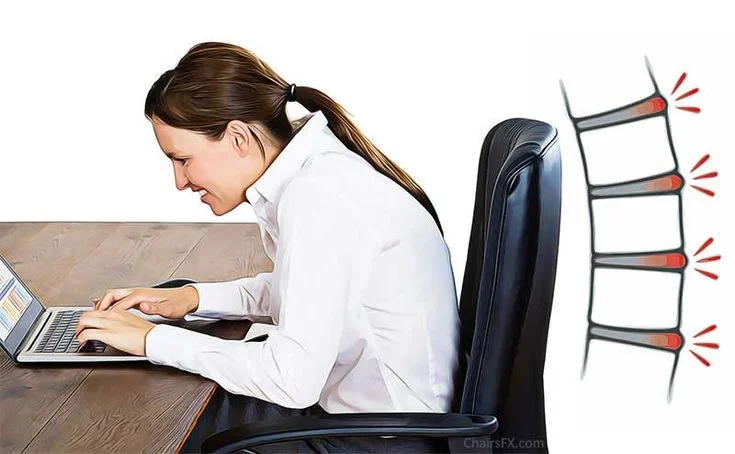
Sustained poor positions (slumped sitting, forward head posture) are major contributors. Holding the head forward increases the load on neck structures by up to 20–30% compared to neutral posture.
Over weeks or months, this overload leads to chronic muscle tension and joint irritation.
Modern “text neck” is a vivid example: leaning forward to look at phones or laptops for hours can inflame the neck. Similarly, “screen syndrome” in office workers is linked to neck and shoulder pain.
Poor ergonomic setups at work (e.g. monitor too low, chair without lumbar support) further exacerbate this.
Of note, studies note that postural abnormalities like forward head posture are strongly associated with neck pain. Correcting or minimizing these postures is therefore a cornerstone of management. (PubMed)
Read more: Cervical Disc Bulge: Causes, symptoms and treatment
Degenerative Disc and Joint Disease (Cervical Spondylosis)
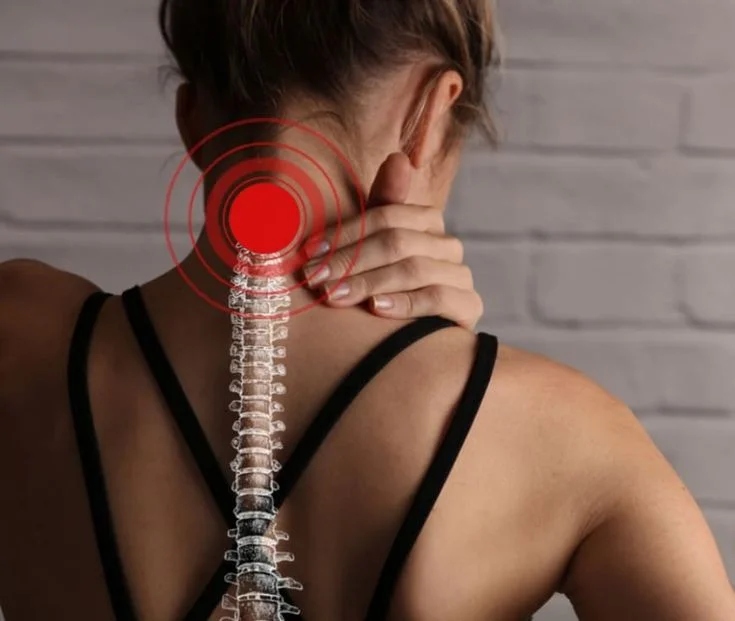
Over time, normal wear-and-tear affects the cervical spine. Intervertebral discs can bulge or herniate, facet joints can develop arthritis, and bone spurs (osteophytes) can form on vertebrae. This process is called cervical spondylosis.
It is very common: nearly 50% of people over age 50 show signs of cervical spondylosis on X-rays. However, the extent of radiologic changes does not always match symptoms.
Degenerative changes can narrow the spinal canal or neural foramina, irritating nerves.
Classic symptoms include chronic neck stiffness, aching, or pain that radiates into the shoulder or arm if a nerve root is pinched. Some patients also experience numbness, tingling or weakness in the arms.
In late stages, myelopathy can occur (spinal cord compression), causing balance problems or hand coordination issues.
Risk factors for cervical spondylosis include increasing age, female gender, and heavy occupational loads; other factors like vertebral anatomy seem less important. (Journal-COT)
Read in detail about: What is Cervical Spondylosis? The Truth Behind Chronic Neck Pain
Whiplash and Trauma

A sudden hyperextension-hyperflexion injury (often in rear-end car collisions) can sprain neck tissues. This is called a whiplash-associated disorder.
Initial symptoms include neck pain, stiffness, headache, and sometimes dizziness after the accident.
While most whiplash injuries improve with time and gentle activity, a subset of people develop chronic neck pain.
Contemporary management favors early mobilization and gentle exercise rather than prolonged bracing.
Even though evidence from high-quality trials is limited, small studies suggest that patients who start moving sooner (e.g. simple range-of-motion and strengthening exercises) recover quicker than those who rest too long. (LATimes)
Read in detail: Whiplash Injury After An Accident? Here’s Treatment And Expert Rehab Guide
Nerve Compression or “Radiculopathy”
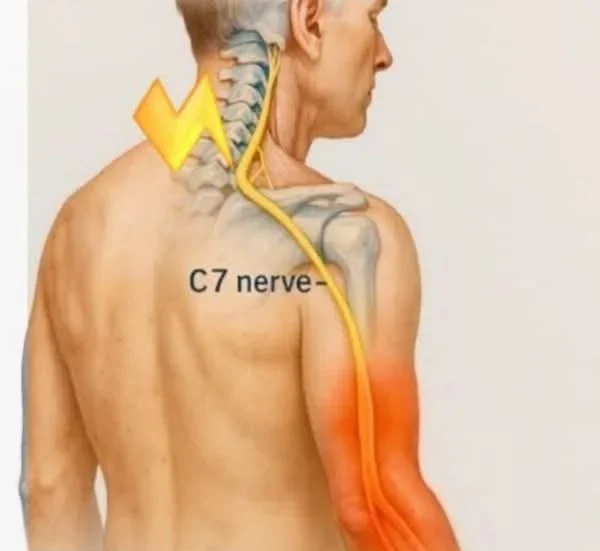
A herniated cervical disc or bone spur can press on a cervical nerve root. This causes radiating arm pain (pinched nerve) sometimes accompanied by numbness or weakness.
For example, a disc bulge at C6-7 might cause pain down the back of the arm into the index and middle fingers. Patients often report sharp, shooting or burning pain along a nerve distribution.
Neck movements can worsen the pain. When nerve symptoms are present, the condition is called radiculopathy.
Read in detail about: Cervical Radiculopathy: Why Neck Nerve Pain Travels to the Arm
Diagnosis is clinical, sometimes confirmed by MRI. Initial treatment usually involves physical therapy and possibly oral steroids for short-term relief. Very rarely, severe cases may need surgical decompression.
Read in detail about: Cervical Disc Degeneration: The Hidden Cause of your Neck Pain
Systemic or Serious Causes
Though rare, some neck pain is “secondary” to systemic illness. Examples include: infection (meningitis or an infected disc), inflammatory arthritis (rheumatoid arthritis affecting the neck), or cancer metastasis to cervical bones.
Read more: Rheumatoid Arthritis Neck: Causes, Symptoms and Treatments
Also, vascular causes like carotid artery dissection (a tear in the artery wall) typically present with sudden-onset neck/occipital pain and can lead to stroke.
These conditions usually present with other “red flags” (see below). (PMC)
Read : A Complete Guide To Neck Arthritis
Cervical Facet Joint Syndrome
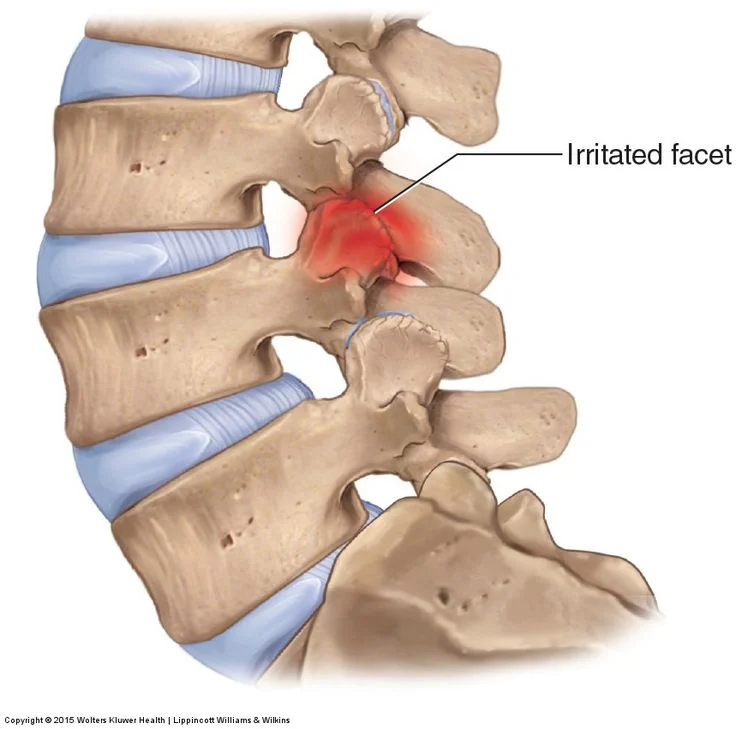
Many people assume that all neck pain comes from a slipped disc or muscle strain. However, one of the most frequent but often overlooked causes of neck pain is cervical facet joint pain.
The small joints located at the back of the cervical spine, known as facet joints, play a crucial role in spinal stability and movement.
Unlike disc problems that may compress nerves, facet joint pain is usually mechanical in nature, meaning it is related to movement and joint stress.
In summary, any activity that overloads the neck joints or muscles, whether a single incident or chronic posture, can trigger neck pain. The next section discusses how to recognize concerning features that merit urgent care.
Symptoms and Types of Neck Pain
The character of neck pain can vary. Common symptoms include:
Local Pain and Stiffness
A dull ache or soreness in the neck, often worsened by movement or holding certain positions. Neck muscles may feel tight or knotted.
Range of motion (turning head, tilting) is often reduced. There may be a sensation of “locking” or catching with movement.
Read: A Complete Guide To Sinuses Related Neck Pain
Referred/Distal Pain
Neck pain can radiate. For example, it might shoot into the shoulder, blade, or down the arm if a nerve root is irritated. Sharp shooting pain along a dermatome (nerve distribution) suggests radiculopathy.
Read about : What is Cervical Facet Joint Pain, how it causes cervicogenic headaches and how to correct it naturally
Cervicogenic Headaches
Neck problems can cause headaches. Cervicogenic headache is pain referred from the upper neck or base of the skull.
It is often unilateral and may be accompanied by neck movement restrictions. Studies estimate about 2–4% of headaches are truly cervicogenic, but neck pain is often present or concurrent with tension or migraine headaches. (IJSPT)
In such cases, treating the neck (e.g. exercises, mobilizations) can help relieve the headache.
Read more: Cervical Vertigo Explained: Why Neck Pain Make You Feel Dizzy
Neurologic Signs
In cases with nerve involvement, symptoms may include tingling, numbness or weakness in the arms/hands. Reflexes may be diminished.
Advanced problems (myelopathy) can lead to gait difficulty or coordination issues (clumsiness, grip problems).
Read in detail: Physiotherapy for Cervical Disc Degeneration: What Actually Works
Classification of Neck Pain
Neck pain can be classified by duration or mechanism:
Acute vs. Chronic
Acute neck pain lasts less than 12 weeks; chronic lasts longer. Many acute injuries resolve within weeks with conservative care.
Chronic neck pain often has multiple contributing factors and may involve central sensitization (i.e. nervous system amplification of pain).
Underlying Mechanism
Modern pain science categorizes chronic neck pain as nociceptive, neuropathic, or nociplastic. (PubMed)
Nociceptive pain is from actual tissue damage (e.g. a muscle strain or arthritic joint). Neuropathic arises from nerve injury or compression (e.g. cervical radiculopathy).
Nociplastic describes pain without clear tissue injury, potentially due to altered pain processing (similar to fibromyalgia). Many patients have mixed features. Acknowledging these types helps tailor treatment.
Specific Diagnoses
Sometimes a clear medical diagnosis explains the pain, such as rheumatoid arthritis, meningitis, or fracture. In most cases no single pathology is found, and the term non-specific neck pain is used.
Regardless of type, neck pain’s most important impact is on daily function: it can limit looking around, driving, working at a computer, and even routine tasks like cooking.
Chronic pain can affect sleep and mood as well. Because it is so prevalent, even modest improvements in care can benefit many people.
Read in detail about: How to Fix Upper Crossed Syndrome Naturally
When to Seek Medical Attention: Red Flags
Most neck pain can be managed conservatively, but certain “red flag” signs warrant prompt medical evaluation.
These are warning symptoms or histories that suggest a serious condition. Common red flags include:
Severe Trauma or High-Risk Injury
A recent car accident, fall from height, or significant impact (especially in older or osteoporotic patients) could cause fractures.
The Canadian C-spine Rule is often used in emergency settings to decide if imaging is needed after trauma. (Archieves of PT)
Read: What is Torticollis? How to treat neck tilt condition
Neurological Deficits
Any sudden onset of limb weakness, numbness, or coordination difficulties (e.g. dropping objects, difficulty walking) can indicate spinal cord or nerve compression.
For example, brisk reflexes or Babinski sign suggest myelopathy.
Read more: Cervical Myelopathy: The Hidden Neck Condition Affecting Your Walking
Systemic Symptoms
Unexplained fever, chills, night sweats, or significant weight loss accompanying neck pain suggest infection (e.g. discitis, meningitis) or malignancy.
A history of cancer elsewhere also raises suspicion of spinal metastasis.
Also Read: Neck Pain with Fever: When To Worry And How To Treat
Infectious History
Recent infection (especially staph infections or intravenous drug use) plus neck pain could mean spinal infection (discitis/osteomyelitis).
Also Read: Sore Throat and Stiff Neck: When to Worry
Vascular Symptoms
Sudden onset of neck pain with headache, especially with neurological symptoms (vision changes, weakness), might indicate a blood vessel problem like vertebral or carotid artery dissection.
This is more common in younger patients under 50. (PMC)
Read : How to Treat Neck Pain in Ankylosing Spondylitis
Night Pain or Unremitting Pain
Pain that is severe, unexplained, and not relieved by rest (especially if it wakes you at night) can be a red flag. It may indicate cancer or infection.
Red flags have low accuracy on their own and often overlap, but they are important reminders to consider all possibilities. Clinical guidelines stress using red flags cautiously, integrating them with the overall picture.
In practice, if any red flag is present, clinicians often order urgent imaging (X-ray, MRI) or lab tests to rule out serious pathology.
Also Read: Neck Pain When Coughing: Causes, Relief, and When to Worry
But remember: only about 1% of neck pain cases turn out to be something dangerous. (Archieves of PT)
Read about: What Is Military Neck Or Cervical Kyphosis And How To Treat It
Diagnosis and Assessment
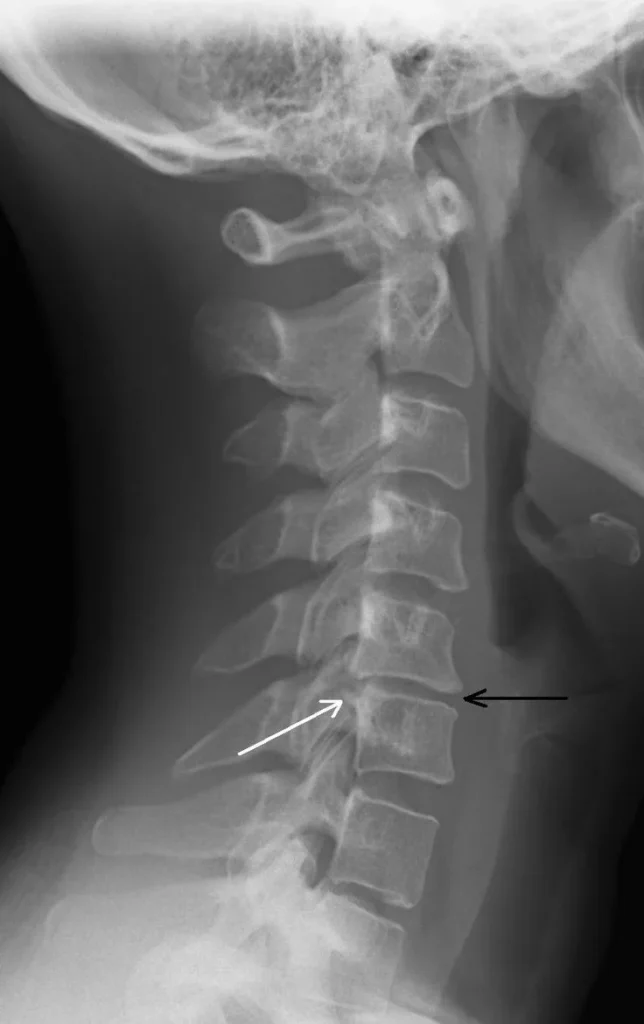
When you see a healthcare professional for neck pain, they will take a thorough history and do a physical exam. Key elements include:
History
Ask about how/when the pain started, what activities precipitated it, and any associated symptoms (arm pain, numbness, headache, systemic symptoms).
They will inquire about red flags (cancer history, trauma, fever, etc.). The pattern of pain (constant vs. intermittent, related to position) and effect on function are noted.
Physical Exam
This includes inspection (posture, muscle spasm), palpation (tender spots or muscle tightness), and range-of-motion tests (looking, turning, tilting the head).
Neurologic exam checks reflexes, muscle strength, and sensation in the arms to detect nerve involvement.
Specific orthopedic tests (like Spurling’s test or the shoulder abduction test) may be used to provoke nerve pain.
Read: What Is Spurling’s Test And How To Perform
Imaging
Most acute neck pain is first treated conservatively without imaging. X-rays or MRI are ordered if red flags are present or if pain persists beyond 6–8 weeks despite therapy.
X-rays can reveal fractures, alignment issues, or severe arthritis.
MRI is used when nerve compression, disc herniation, or soft-tissue injury is suspected.
Read: Lhermitte’s sign- An Electic Shock Sensation Down The Neck
Other Tests
Inflammatory blood tests (like ESR/CRP) or cancer screening tests may be done if infection or malignancy is suspected.
In many cases of non-specific neck pain, no exact cause is found and the diagnosis is made clinically.
This is similar to diagnosing “sprained ankle”: we know the tissue is injured, but we don’t always need an MRI to confirm a minor muscle strain. The approach is then to treat symptoms and improve function.
Read about: Which Is The Best Sitting Posture To Avoid Neck Pain And How To Achieve It
Preventive and Self-Care Measures
Preventing neck pain often means maintaining good posture and ergonomics, plus regular physical activity:
Ergonomics
Read in detail: Best Desk Setup to Reduce Neck and Back Pain
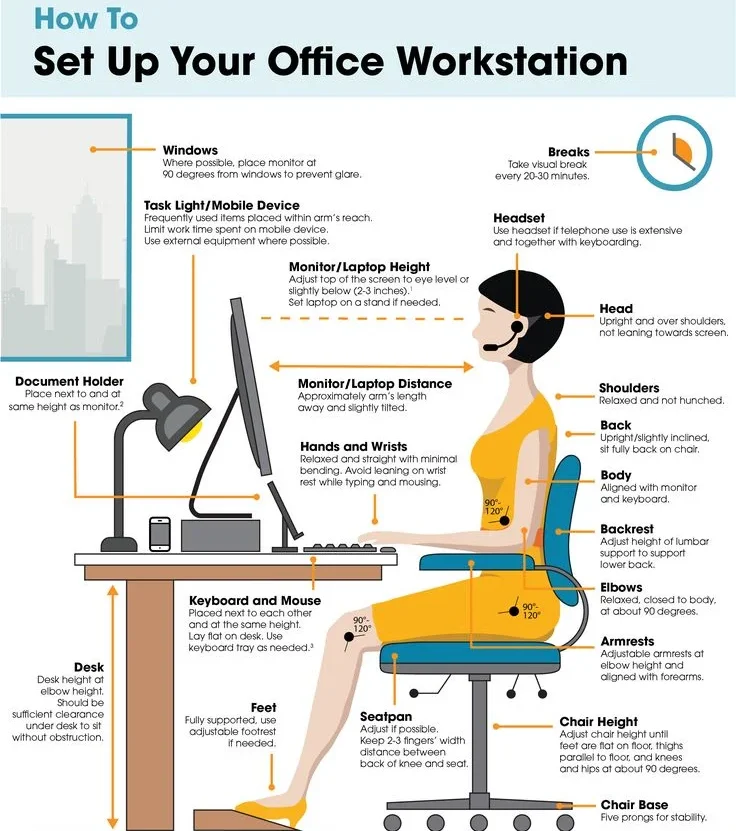
Set up workspaces so that the computer screen is at eye level, chairs support the lower back, and feet are flat on the floor.
Use a headset or speakerphone to avoid cradling the phone between neck and shoulder. Take brief breaks to stand, stretch, or change position every 30-60 minutes during computer or desk work.
Place monitors directly in front of you to minimize repetitive neck rotation.
Sleep Posture
Read About: Best Sleeping Position for Neck Pain: A Physiotherapist’s Complete Guide
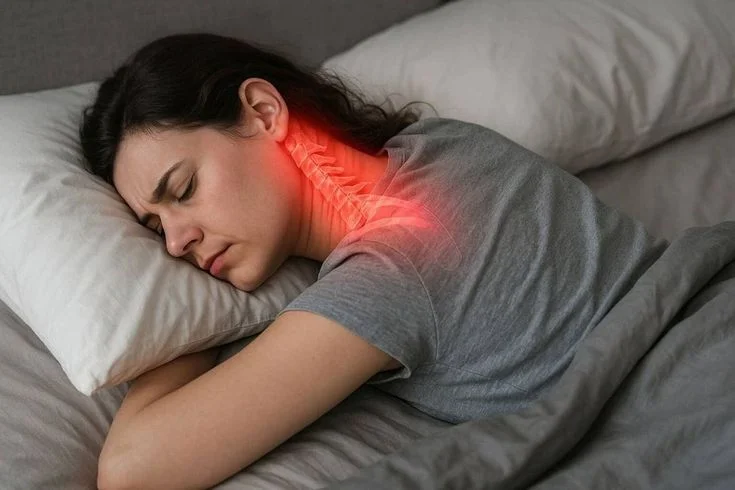
Use a pillow that maintains your neck’s natural curve. Ideally, sleep on your back or side rather than stomach (which can twist the neck). “Cervical pillows” or rolled towels can support the neck.
Read About: How to Choose the Right and Best Pillow for Neck Pain
Regular Exercise
General fitness and neck-specific exercises strengthen the supporting muscles. Aerobic activities (walking, swimming) increase blood flow and help keep tissues healthy.
A strong core and back also support neck posture.
Stress Management
Techniques such as mindfulness, deep breathing, or relaxation exercises can reduce muscle tension.
Psychologically, understanding that neck pain is common and often improves can reduce fear-avoidance (the worry that movement will cause damage).
Taking these steps can lower the risk of flare-ups. For example, a study of office workers found that a simple postural education program (teaching neutral spine habits) significantly reduced neck discomfort over 8 weeks.
Similarly, enforcing “text neck” breaks, lifting the device to eye level and performing neck stretches, is strongly recommended by physiotherapists.
Read about: Effective Neck Pain Exercises At Home: A Complete Guide to Relief and Improved Mobility
Conservative Treatments
For most people, neck pain is treated conservatively (without surgery). The main pillars of treatment are education, activity, and exercises.
Below we outline the key strategies, with evidence from recent studies and guidelines.
Read about: Neck And Jaw Pain Together? Here’s The Full Clinical Picture
Patient Education and Reassurance
Understanding neck pain is often the first step. Patients should be reassured that, in the absence of red flags, neck pain is rarely indicative of serious disease. (Archieves of PT)
Education includes informing people that gentle activity is safe and beneficial, and that spine degeneration (arthritis or discs) is a normal part of aging seen even in pain-free people.
Reducing fear of movement is crucial, as avoidance can lead to deconditioning and more pain.
Self-care advice usually includes applying hot or cold packs for comfort, avoiding carrying heavy loads on one shoulder, and sleeping with good neck support. (NCBI)
Physical Exercise and Therapeutic Activities
Exercise therapy is widely regarded as the most effective conservative treatment for neck pain.
A large number of studies show that supervised exercise programs can reduce pain and improve function, especially over several weeks. (PubMed)
The exact best exercise routine is not one-size-fits-all, but certain general principles apply. Exercises may be tailored based on pain type:
Range-of-Motion and Stretching
Early on, simple neck stretches help restore mobility. For example, gentle chin tucks (tucking the chin down and back to align the head over the spine), side bends, and head rotations in pain-free ranges.
Stretching tight muscles (upper trapezius, levator scapulae, chest) can relieve tension. These exercises also promote blood flow to the muscles, aiding healing.
Read: Spasm In Neck: What Causes It & How to Fix It Fast
Strengthening
Strengthening the neck flexor muscles (deep cervical flexors) and scapular stabilizers (shoulder blade muscles) is often emphasized.
For instance, deep neck flexor training (subtle nodding motions against light resistance) can improve posture and reduce strain.
Randomized trials show that programs including neck and scapular strengthening (often combined with postural education) significantly improve pain and disability scores in people with chronic neck pain. (MDPI)
Endurance and Coordination
Chronic neck pain frequently involves muscle fatigue and poor control. Exercises may progress to maintaining proper neck alignment during functional tasks.
Using a “Posture Trainer” or smartphone app to maintain an upright head has been studied: one trial found that adding a posture app to global stretching exercises gave better pain relief and endurance than exercises alone.
Aerobic conditioning (e.g. brisk walking) is also encouraged as general “cross-training.” (MDPI)
Specific Programs (e.g. Pilates, PNF, Yoga)
Some physiotherapists incorporate methods like Pilates (core stability and alignment), proprioceptive neuromuscular facilitation (PNF) stretching, or yoga into neck rehab. Early research suggests these may be beneficial.
For example, a systematic review found yoga training significantly reduced chronic neck pain and disability versus minimal exercise.
The yoga programs in the studies involved poses to strengthen and relax neck/shoulder muscles along with breathing and alignment focus.
All trials reported large improvements in pain (some up to 30–50% reduction) and function in the yoga groups compared to controls.
Although the number of studies is small, this suggests that mind-body exercise like yoga can be a valuable adjunct for chronic neck pain. (J Phys Ther Sci)
The timing and supervision of exercise also matters. Evidence shows that in sub-acute neck pain (a few weeks old), adding a structured exercise/rehab program to general advice yields better outcomes than advice alone.
For example, a Cochrane review (various sources) noted that supervised exercise programs of 4-6 weeks decreased pain and disability scores more than no-exercise controls.
One JOSPT meta-analysis found that neck exercise programs reduced the risk of future neck pain episodes by over 50% compared to no intervention. (JOSPT)
Therefore, both acute and chronic neck pain patients benefit from starting exercises early (when pain allows) and continuing regularly.
Read about: Yoga for Neck Pain: Poses That Actually Work
Manual Therapy and Hands-On Techniques
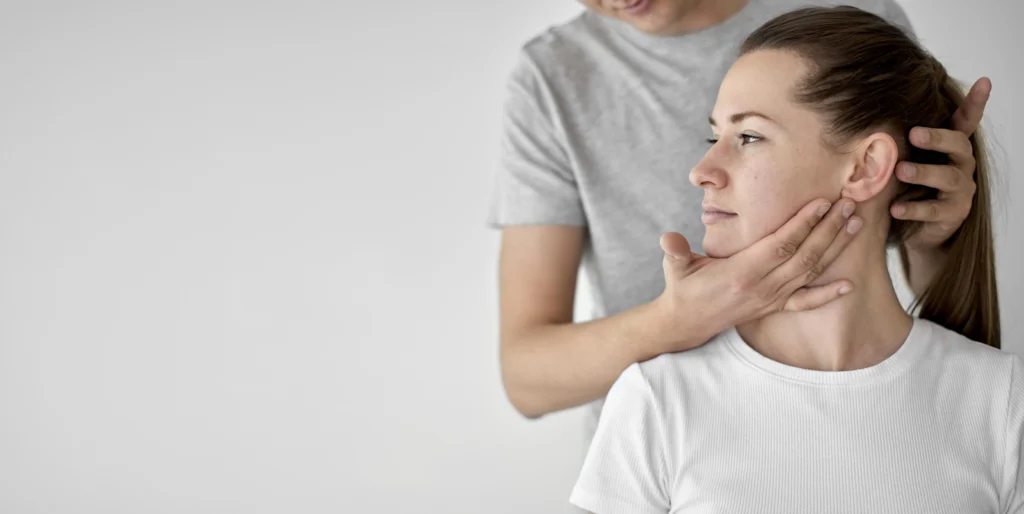
Manual therapy refers to hands-on treatments by trained therapists (physiotherapists, chiropractors, osteopaths).
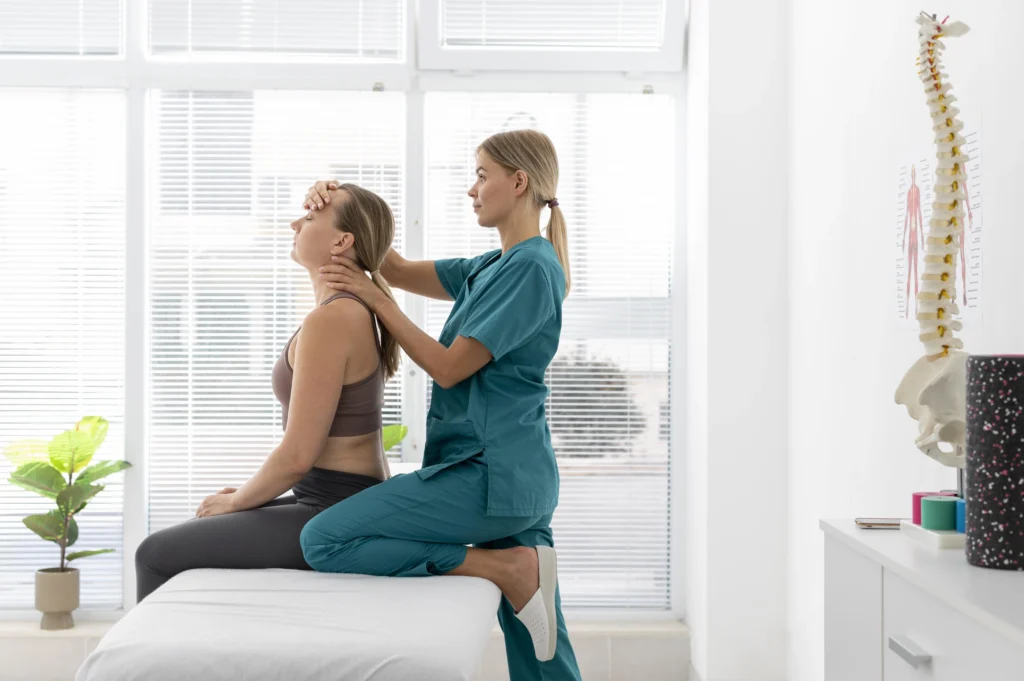
This includes joint mobilizations (gentle movements of vertebrae), manipulations (quick thrusts), muscle stretching, and soft tissue massage. Many patients report immediate relief after manual therapy, and research provides some insights:
A broad review of systematic reviews (“umbrella review”) found that mobilization/manipulation of the neck and upper back, especially when combined with exercise, can produce short-term pain and disability improvements in neck pain.
In particular, cervical or thoracic spine thrust manipulations (the type of quick “crack” done by chiropractors or some physiotherapists) were associated with better pain relief than control treatments in many trials.
For example, one systematic review reported that a series of cervical manipulations significantly improved pain and function in acute and chronic neck pain, though benefits often diminished after a few weeks.
Thoracic spine manipulation (upper back manipulation) deserves special note.
Read more on : Manual Therapy for Neck Pain: A Physiotherapist’s Evidence Based Guide
Several trials show that manipulating the mid-back yields relief in neck pain and range of motion, possibly by affecting joint mechanics and muscle reflexes.
In a review of 51 trials, thoracic manipulation outperformed inactive controls (like sham or no treatment) in improving neck pain, quality of life, and function.
It may be especially useful when direct neck manipulation is contraindicated (e.g. if there is minor neck stiffness but the therapist works on the thoracic spine).
Soft tissue treatments (massage, trigger-point therapy, myofascial release) can also help reduce muscle tightness.
Read about: What Is Cervical Myofascial Pain Syndrome And How To Relieve Trigger Points
Although high-quality evidence is limited, available trials suggest that massage provides short-term relief of neck muscle tension and pain.
Patients with tight levator scapulae or trapezius muscles often report feeling better after therapeutic massage.
However, unlike exercise, massage effects tend to fade once sessions stop. Thus, massage is usually an adjunct, not a standalone cure. (J Man Manip Ther)
Read : Chiropractic for Neck Pain: Does It Really Work?
Combination (Multimodal) Approaches
Clinically, therapists often use a multimodal approach (mixing manual therapy, exercise, and education).
Reviews indicate multimodal programs for neck pain and whiplash (including manipulation, mobilization, stretching, and strengthening) are generally more effective than single treatments.
For example, one high-quality review found that a program combining mobilization plus exercises yielded better pain reduction and satisfaction than exercise alone in chronic neck pain.
Another systematic review concluded that for chronic neck pain, exercise combined with manual therapy consistently gave greater improvements (in short- and medium-term pain/disability) than either one alone.
In practice, manual therapy can be particularly valuable early on, to “jump-start” improvement, while exercise builds long-term strength and endurance.
It is important that any joint manipulation be done only by a trained professional to minimize risks (extremely rare strokes or injuries are reported). (J Man Manip Ther)
Read about: The Most Effective McKenzie Exercises For Neck Pain
Modalities and Adjuncts
Various physical modalities are often used, though evidence varies:
Heat and Cold
Applying heat (warm packs, heating pad) can relax tight muscles and improve comfort. Cold therapy (ice pack) can reduce inflammation in acute injuries.
These are simple self-care measures with anecdotal benefit; formal studies on neck pain specifically are limited.
However, most guidelines say that either heat or cold (whichever provides comfort) can be used short-term in acute neck pain.
Read more: Heat Or Cold Therapy for Neck Pain: What Actually Works?
Electrical Stimulation (TENS, IFC)
Transcutaneous electrical nerve stimulation (TENS) or interferential current units are sometimes used to provide pain relief through mild electric currents.
The evidence for their long-term benefit in neck pain is modest, but some patients find them helpful for flare-ups. As with many modalities, TENS is generally safe and may complement other therapies.
Read more: Is Cervical Traction For Neck Pain Really Effective
Traction
Cervical traction (mechanical or manual pulling of the neck) is sometimes used to relieve nerve root compression.
Small trials have shown temporary benefits in nerve root pain (radiculopathy) when combined with exercise.
However, large reviews conclude there is limited evidence that traction alone improves pain better than other treatments. If used, it is typically as part of a multimodal plan.
Acupuncture and Dry Needling
Some people find acupuncture helpful for neck pain. Clinical trials yield mixed results: a few show modest short-term pain relief and increased range of motion with acupuncture or dry-needling of trigger points.
A reasonable approach is to try a short course (6-8 sessions) to see if it helps your pain, but set expectations: it’s usually part of a larger rehab program if effective.
Read: Trigger Point Injections for Neck Pain: Do They Really Work
Kinesiology Taping
Elastic “kinesio tape” applied to the neck or shoulders is trendy. There is very limited high-quality evidence for its effect.
Therapists sometimes use it to give proprioceptive feedback or mild support.
If tape feels reassuring and gives a little support, it’s generally safe for short use, but it should not replace active exercise.
Also Read: Ultimate 6 Weeks Neck Rehabilitation Exercises For Pain Relief
Medications and Pain Relief
Medications can help manage symptoms, especially in the first days of a flare-up:
Nonsteroidal Anti-Inflammatory Drugs (NSAIDs)
Over-the-counter NSAIDs like ibuprofen or naproxen can reduce inflammation and pain for acute strains or radiculopathy.
They should be used at the lowest effective dose for the shortest necessary duration (often a few days).
Evidence suggests NSAIDs may provide modest pain relief in acute neck pain, but side effects (stomach upset, kidney strain) limit long-term use.
Read about: What is Turkey Neck And How To Fix It Naturally
Acetaminophen (Paracetamol)
This pain reliever is gentler on the stomach than NSAIDs. It can be used if NSAIDs are contraindicated.
Its effect on musculoskeletal pain is modest; some guidelines now prefer simple analgesics over routine NSAID use in chronic pain.
Muscle Relaxants
In cases of severe muscle spasm, a short course of prescription muscle relaxants (like cyclobenzaprine) may help break the pain-spasm cycle.
These medications can cause drowsiness, so they are usually used only for a few days at a time, and often at night.
Neuropathic Pain Medications
If nerve-related symptoms (radiation, tingling) are prominent, some doctors may try medications like gabapentin or certain antidepressants (duloxetine) to target nerve pain.
These are generally more useful in chronic cases and must be prescribed by a physician.
Read: How to Fix Sagging,Ozempic Neck After Rapid Weight Loss
Prescription Analgesics (Opioids)
Opioid painkillers (like codeine or tramadol) are rarely needed for neck pain. Most guidelines strongly advise against long-term opioid use for musculoskeletal pain due to the risks of addiction and side effects.
If used, it should be very short-term under strict medical supervision, usually only for severe acute pain when other options have failed.
Medication alone does not fix the underlying problem; it simply makes pain more tolerable so you can continue rehab activities.
Combining medications with therapy and exercises is the most effective strategy. Always consult a healthcare provider before starting any prescription, to weigh risks/benefits.
Also Read : Neck Cracking: Benefits, Risks, and the Truth About Stroke
Alternative and Complementary Approaches
Many patients explore complementary therapies for neck pain relief. We already mentioned acupuncture and yoga. Other approaches with some evidence include:
Mind-Body Practices
Techniques like Tai Chi, mindfulness meditation, and relaxation training can indirectly help neck pain. By reducing overall stress and muscle tension, they may lower pain perception.
A few small studies suggest mindfulness-based stress reduction can improve neck pain outcomes, though more research is needed.
Read: 10 Proven Home Remedies for Neck Pain from Anxiety
Cognitive-Behavioral Therapy (CBT)
In chronic pain, CBT helps patients develop coping strategies, address fear-avoidance beliefs, and improve pain management skills.
Clinical practice guidelines include psychological therapies as part of comprehensive neck pain care.
While not a cure for neck pathology, CBT can improve function and quality of life in people who have had neck pain for months or years. (PubMed)
Read: How To Use Cervical Collar for Neck Support: Benefits & Hidden Risks
Supplemental Therapies
Some take supplements like glucosamine, MSM, or collagen for joint health. There is little strong evidence that these help neck arthritis.
Always discuss supplements with a doctor, as they may interact with medications.
Learn About: The Ultimate Neck Stretch Routine for Desk Workers in 2026
Neck Pain in Smartphone and Computer Users

A special note on the so-called “Text Neck” phenomenon: Recent studies have examined neck pain linked to prolonged device use.
Read in detail: Neck Pain from Phone Use? Here’s How to Treat Text Neck Syndrome
Research confirms that holding the head in a flexed position (looking down at a phone) for hours can cause significant muscle strain and pain. S
Symptoms include pain at the base of the skull, mid-cervical pain, and sometimes radiating shoulder pain.
A 2025 systematic review of text neck rehabilitation found that physiotherapy interventions can provide substantial relief.
The review analyzed 15 studies (mostly in adults) and reported that postural correction exercises, stabilization exercises, and stretching/strengthening programs consistently reduced pain and improved neck posture.
Techniques used in these studies included Pilates exercises, proprioceptive neuromuscular facilitation (PNF), kinesiology taping, and manual therapy.
Importantly, the best outcomes were seen when multiple techniques were combined (e.g. exercises plus taping plus manual therapy).
These interventions were shown to reduce pain intensity, correct forward head posture, and increase cervical range of motion.
For smartphone-related neck pain, prevention is also key. Experts recommend the “text neck break”: every 20–30 minutes of phone use, take a break and gently stretch the neck and shoulders.
Position the device at eye level when possible, and perform chin tucks and shoulder retractions to counteract forward flexion.
Strengthening the upper back muscles (rhomboids, trapezius) is especially helpful to pull the shoulders back.
Overall, the evidence underscores that ergonomic education and a targeted exercise program are effective strategies for people suffering from technology-induced neck strain. (J Clin Med)
Read about: How to Relieve Morning Neck Stiffness Naturally
Exercises to Try (Examples)
Below are examples of common exercises that therapists may prescribe for neck pain. These should be done gently and stopped if they significantly increase pain.
Over time, as strength and comfort improve, the sets/repetitions and resistance can be increased. Always follow a physical therapist’s guidance, but here are sample exercises:
Chin Tucks
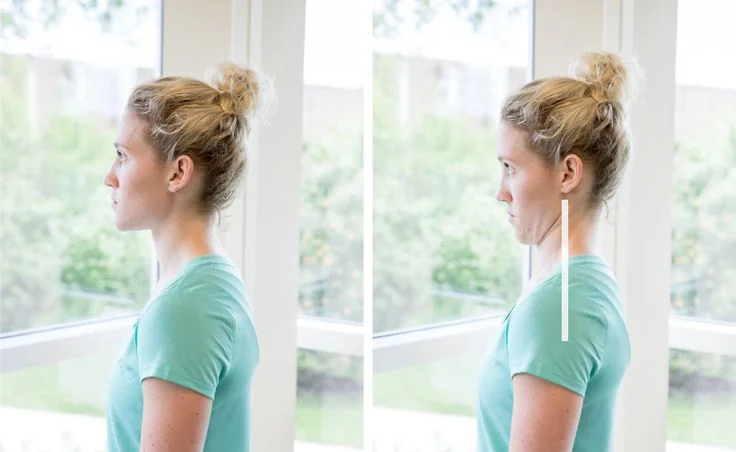
Sit or stand upright. Slowly draw your chin straight back (like nodding ‘yes’ at a small angle) without tilting the head. Hold for 5 seconds, relax. Repeat 10–15 times.
This exercise activates deep neck flexor muscles and helps maintain proper head alignment.
Learn How to do Chin Tucks for Neck Pain Relief and Posture Correction
Neck Flexion/Extension and Lateral Bends (Without Resistance)
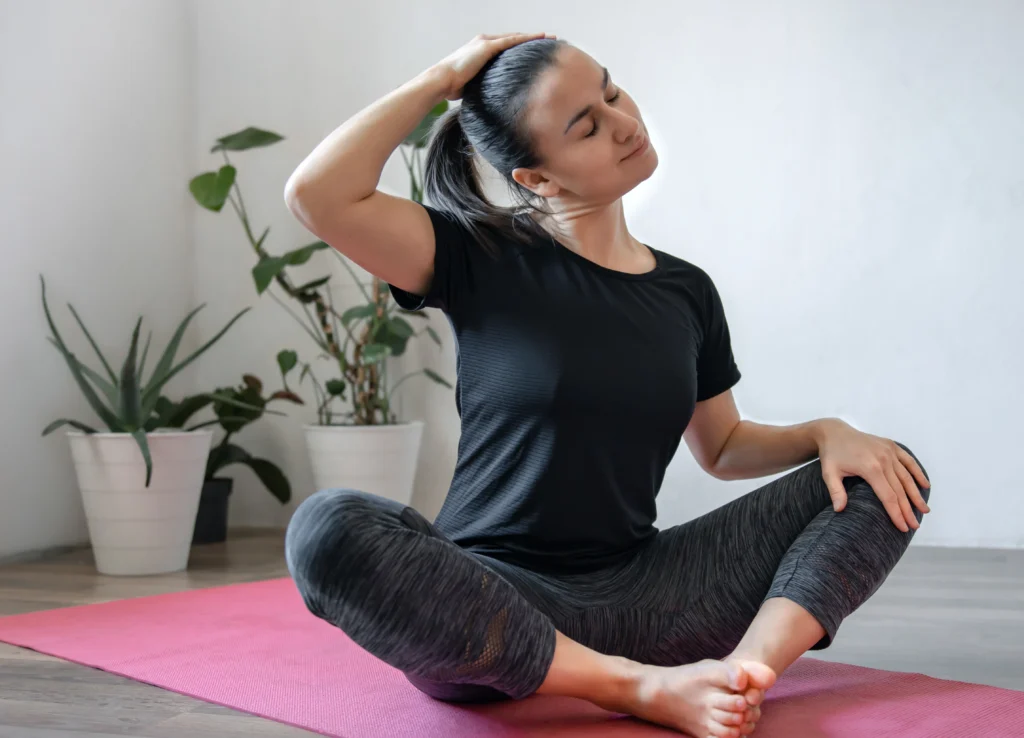
Gently nod your chin to chest and back up (flexion/extension), then tilt ear to shoulder on each side (side bending). Perform 10 times each movement.
These stretches improve range of motion and relieve muscle tightness.
Scapular Retraction

Sitting or standing, squeeze your shoulder blades together as if pinching a pencil between them. Hold 5 seconds, then release.
Repeat 10–15 times. Strengthening scapular stabilizers supports good neck posture.
Resisted Isometric Holds
Using your hand for light resistance, press your forehead into your palm (without moving the head) for 5 seconds; press your left temple into your left hand; then the right temple.
Then place hand behind head and press back lightly (again without motion) for 5 seconds.
These isometric holds activate neck muscles safely. Repeat each direction 5–8 times.
Thoracic Extension Stretch
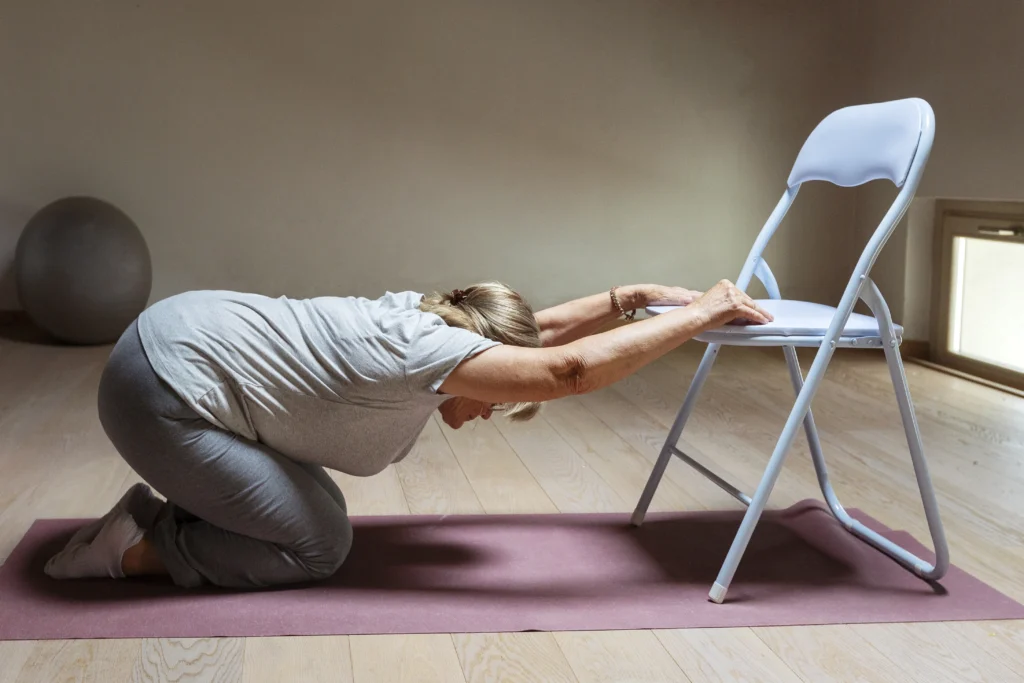
Sit in a chair with a backrest at mid-back. Place hands behind head and gently arch your upper back over the chair, looking up toward the ceiling.
This counteracts forward rounding. Hold for 5 seconds; repeat 8–10 times.
Upper Trapezius Stretch

Sit upright. Gently tilt your head to one side, bringing your ear toward the shoulder, while keeping the opposite shoulder down.
You can use your hand to gently assist. Hold 20-30 seconds. Repeat on other side. Stretches tight neck muscles.
For a program, therapists often start with frequent repetitions of these gentle exercises and progress to strengthening with light weights or resistance bands.
For home exercise, aim for 10-15 minutes of targeted exercises 3-5 times per week.
Read: Understanding Pain In The Front Side Of The Neck
Preventing Future Neck Pain
Once your neck pain settles, focus on long-term prevention:
Continue Exercises
Even when pain is gone, keep doing neck and shoulder strengthening twice a week. Maintenance exercise prevents the deconditioning that leads to recurrence.
Maintain Good Posture
Be mindful of your posture during daily activities. Ergonomic workstation setup, supportive chairs, and regular breaks remain important.
Read: Pain in the Back Side of the Neck: Causes and Treatment
Stay Active
General fitness and cardiovascular health support neck health. Activities like swimming, cycling, or brisk walking are excellent.
Swimming in particular gently moves the neck through its range without loading it, making it a great option for many.
Read about: 10 Minutes Best Neck and Shoulder Warm Up for Swimmers
Avoid Prolonged Stress
Chronic stress leads to chronic muscle tension. Techniques like yoga, tai chi, or even regular massages can help manage stress and reduce neck tightness.
Even simple neck rolls or shoulder shrugs during the day can relax muscles.
Regular Check-Ins
If you have a sedentary job, consider setting an alarm to remind yourself to change posture or take a brief walk. Use apps or post-it notes to cue chin tucks or shoulder rolls every 30 minutes.
By embedding these habits, many people can prevent the next flare-up.
Remember the scoping review on text neck noted that the best outcomes arose from combining postural exercises with strengthening and mobilizations.
In essence, neck health often hinges on a combination of ergonomic mindfulness and a robust exercise routine. (J Clin Med)
Read: Right Side Neck Pain: What Causes It and How To Treat
Can Neck Pain Become Permanent?
Most neck pain is reversible. However, untreated mechanical issues can become chronic through central sensitization.
What Is Central Sensitization
The nervous system becomes more sensitive to pain signals over time.
Risk Factors for Chronicity
- Fear of movement
- Avoidance behavior
- Poor sleep
- Ongoing stress
- Recurrent untreated episodes
Read: Pain in the Left Side of Neck: A Physiotherapist’s Guide
Lesser Known Fact
Early movement and guided rehabilitation reduce the risk of chronic pain more effectively than prolonged rest.
Frequently Asked Questions About Neck Pain
1. What are the most common causes of neck pain?
Neck pain is commonly caused by poor posture, muscle strain, prolonged screen use, cervical spondylosis, or a pinched nerve. Injuries such as whiplash, stress-related muscle tension, and sleeping in an awkward position can also trigger neck discomfort.
2. How can I relieve neck pain quickly at home?
Applying heat or cold packs, performing gentle neck stretches, maintaining proper posture, and avoiding prolonged screen use can help relieve neck pain. Over-the-counter pain relievers and light physical activity may also reduce discomfort.
3. When should I see a doctor for neck pain?
You should seek medical advice if neck pain lasts longer than a few weeks, becomes severe, spreads to the arms or hands, or is accompanied by numbness, weakness, headaches, or dizziness.
4. Can poor posture cause chronic neck pain?
Yes. Poor posture, especially forward head posture during computer or smartphone use, places excessive strain on the cervical spine and surrounding muscles. Over time this can lead to chronic neck pain and stiffness.
5. What exercises help relieve neck pain?
Exercises such as chin tucks, neck stretches, shoulder blade squeezes, and upper back strengthening can help relieve neck pain. Physiotherapy programs often focus on improving posture, flexibility, and muscle strength.
6. How long does neck pain usually last?
Mild neck pain from muscle strain may resolve within a few days to two weeks. Chronic neck pain may last longer and may require physiotherapy, posture correction, and lifestyle modifications.
7. Can sleeping position affect neck pain?
Yes. Sleeping with improper pillow support or in awkward positions can strain neck muscles. Sleeping on the back or side with a supportive pillow that keeps the neck aligned with the spine is recommended.
8. Is neck pain related to stress?
Stress can cause increased muscle tension in the neck and shoulders, which may lead to pain and stiffness. Stress management techniques such as relaxation exercises, yoga, and regular physical activity can help reduce tension-related neck pain.
Read: Neck Pain When Looking Up: What It Really Means and How to Fix It
Conclusion
Neck pain is extremely common but often manageable. Most cases arise from everyday factors: posture, muscle strain, or age-related changes. (PMC)
Thankfully, only a small fraction of cases represent serious disease. Initial management focuses on staying active, gentle exercises, and correcting posture or ergonomics.
Physiotherapy interventions, especially targeted exercises combined with manual therapy, have strong evidence of benefit.
Emerging research also supports multidisciplinary approaches, including mind-body practices like yoga, particularly for chronic neck pain.(J Phys Ther Sci)
While this guide is comprehensive, individual treatment should be personalized. It is wise to consult a healthcare provider (physiotherapist, physician, or chiropractor) for an assessment tailored to your needs.
They can ensure no red flags are missed, and craft a rehab plan suited to your specific situation.
Stay tuned with us for more health related topics.
Follow us on LinkedIn and Instagram for more.
Read More On Neck Pain In Special Population:
Why Neck Pain in Surgeons Is So Common And How To Tackle ItHow To Get Rid Of Neck Pain in Dentists
The Complete Guide to Neck Pain in Yoga Practitioners
Managing Neck Pain in Women: Home Exercises and Advice
Best Exercises for Neck Pain in Housewives at Home
Neck Pain In Regular Gym-Goers- Exercises That Actually Help
Why Neck Pain in Swimmers Develop and How to Prevent It
10 Swimming Technique Mistakes That Destroy Your Neck
Neck Pain in Cyclists: Hidden Causes and Physiotherapy Fixes
Neck Pain in Students: The Hidden Study Habit Destroying Your Spine
What Causes Neck Pain in Children And How To Treat: Complete Guide to Neck Pain: Causes, Symptoms, Exercises and Treatment
More Read


Medical Disclaimer!
This article has been reviewed and written under the guidance of our Head Physiotherapist, Dr. Kruti Raj (PT, MUHS,CPT,CMPT). The information shared is intended for educational purposes only and should not be considered a substitute for personalized medical advice, diagnosis, or treatment.
Please consult us or any other qualified healthcare professional before beginning any exercise program, especially if you are experiencing pain, recovering from injury, or managing a medical condition.


