


Neck tightness has become one of the most common physical complaints in the modern world. Long working hours, excessive smartphone use, emotional stress, poor sleep posture, and reduced physical movement have created a global rise in cervical muscle stiffness.
Many people wake up with a stiff neck, feel tension by afternoon, and end the day with discomfort at the base of the skull.
The good news is that most neck tightness is muscular and reversible. You do not need expensive devices, massage tools, braces, or gym equipment.
When approached correctly, simple movements, posture corrections, breath regulation, and consistent strengthening can relieve stiffness within days and prevent it from returning.
Read our Complete Guide to Neck Pain: Causes, Symptoms, Exercises and Treatment
Why Modern Lifestyles Are Increasing Shoulder and Neck Problems

Modern lifestyles are placing unprecedented stress on the shoulders and neck. Long hours spent working on laptops, looking down at mobile phones, and sitting in static positions create continuous forward head posture and rounded shoulders.
Over time, this repetitive strain weakens the posterior shoulder muscles while tightening the chest and upper trapezius. This imbalance directly contributes to stiffness, discomfort, and reduced mobility.
The problem is not just lack of movement, but lack of balanced movement. Many people perform daily tasks in front of their bodies, such as typing, driving, or scrolling on devices. Rarely do they engage the rear deltoids, scapular stabilizers, or deep neck flexors.
As a result, the muscles responsible for posture become underactive, while compensatory muscles become tight and overworked.
Resistance band training offers a simple corrective solution. Because bands allow controlled pulling, rotation, and stabilization movements, they directly activate neglected muscle groups.
Exercises like face pulls, pull aparts, and external rotations retrain the shoulders and upper back to function properly. When performed consistently, these movements can counteract the negative effects of prolonged sitting.
Another important factor is circulation. Static posture reduces blood flow to the shoulder and neck region, which contributes to stiffness and tension.
Performing resistance band shoulder exercises at home increases blood flow, delivers oxygen to working muscles, and promotes recovery. Even short sessions of five to ten minutes can significantly relieve neck tightness accumulated throughout the day.
Understanding how daily habits influence shoulder and neck health is the first step toward prevention. Instead of waiting for pain to develop, proactive strengthening and mobility work can maintain long term joint integrity.
Also Read: 15 Minute Full-Body Stretch To Relieve Your Stress- Proven Ways
Understanding Neck Anatomy and Why It Gets Tight
The neck, also known as the cervical spine, consists of seven vertebrae that support the head, which weighs approximately 4.5 to 5.5 kilograms.
When the head moves forward even slightly, the load on the cervical muscles increases significantly due to leverage forces.
Key Muscles Involved in Neck Tightness
Upper Trapezius
Responsible for elevating the shoulders and assisting head movement. Frequently overactive in desk workers.
Levator Scapulae
Connects the shoulder blade to the neck. Tightens during prolonged sitting and forward head posture.
Sternocleidomastoid
A prominent front neck muscle that becomes overactive during stress and shallow breathing.
Suboccipital Muscles
Small muscles at the base of the skull that commonly contribute to tension headaches.
Deep Cervical Flexors
Stabilizing muscles that are often weak, leading to compensation from superficial muscles.
Neck tightness usually develops from muscular imbalance. Some muscles become shortened and overactive, while others weaken. Addressing both sides of this imbalance is essential for lasting relief.
Also Read: Knee-to-Chest Stretch for Bach Pain Relief and Spinal Flexibility- A Complete Guide
Root Causes of Neck Tightness in Modern Life
Forward Head Posture
When the head sits in front of the shoulders, neck muscles work constantly to hold it upright.
Text Neck
Looking down at phones and laptops increases cervical strain.
Chronic Stress
Stress activates the sympathetic nervous system, causing unconscious muscle tightening in the neck and shoulders.
Shallow Chest Breathing
Breathing from the chest recruits neck muscles excessively instead of using the diaphragm.
Poor Sleep Position
Incorrect pillow height or stomach sleeping can misalign the cervical spine for hours.
Lack of Thoracic Mobility
If the upper back is stiff, the neck compensates by moving more than it should.
Also Read: Cat Cow Stretch Benefits for Back Pain- A Complete Guide
Signs That Your Neck Tightness Is Muscular
You can safely try home remedies if you experience:
- Dull aching stiffness
- Discomfort after prolonged sitting
- Headaches starting at the base of the skull
- Relief with gentle movement
Seek medical evaluation if you notice:
- Numbness or tingling in arms
- Weak grip strength
- Severe pain after trauma
- Fever with neck stiffness
- Persistent worsening pain
Also Read: Ultimate Guide to Home Physiotherapy for Back Pain
The 10 Minute Daily Neck Relief Routine
Perform once or twice daily.
1. Chin Tucks
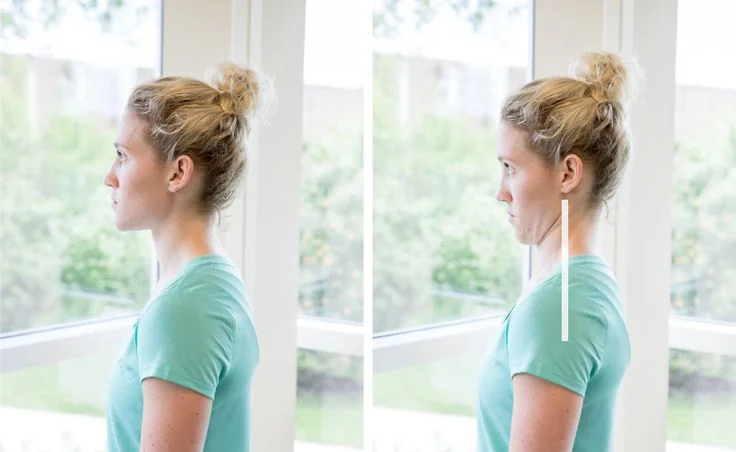
Sit upright and gently pull your chin straight back.
Hold 5 seconds. Repeat 10 times.
This strengthens deep stabilizers and corrects posture.
2. Upper Trapezius Stretch

Tilt head sideways. Hold 30 seconds each side.
Keep opposite shoulder relaxed.
3. Levator Scapulae Stretch

Turn head 45 degrees, look down toward armpit, gently pull downward.
Hold 30 seconds each side.
4. Controlled Neck Rotations

Turn head slowly right and left.
10 repetitions each direction.
5. Shoulder Blade Squeezes

Pull shoulder blades back and down.
Hold 5 seconds. Repeat 15 times.
6. Diaphragmatic Breathing
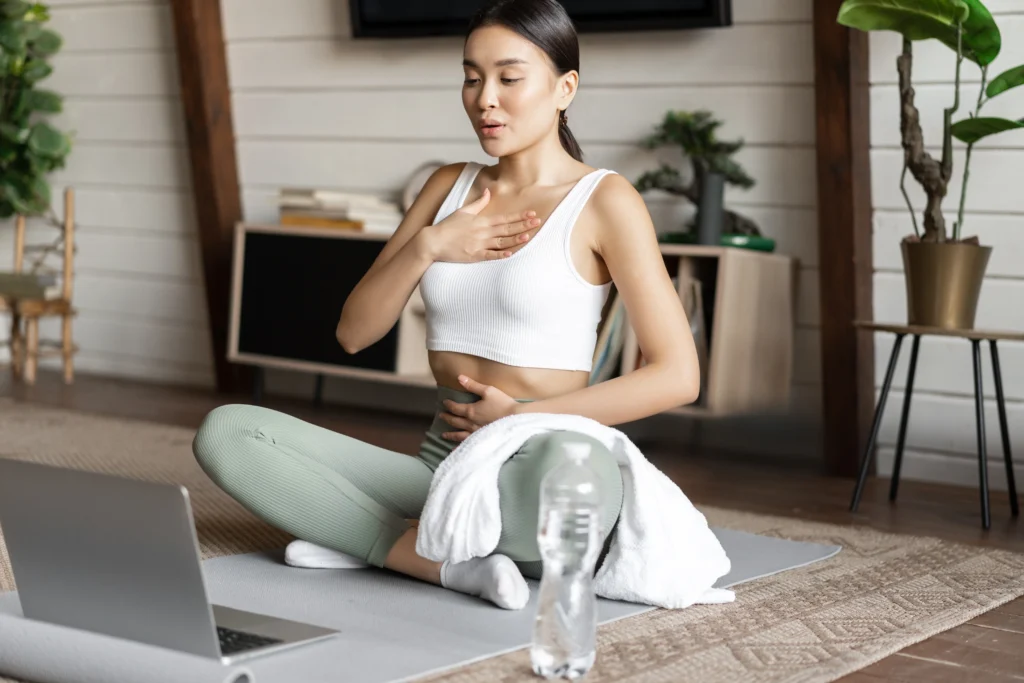
Inhale 4 seconds, exhale 6 seconds.
Repeat for 3 minutes.
Advanced Self Massage Techniques Without Tools
Suboccipital Release
Interlock fingers behind head and gently press into the base of skull.
Hold 20 to 30 seconds while breathing deeply.
Upper Trapezius Pinch
Use opposite hand to gently squeeze muscle between neck and shoulder.
Hold 10 seconds and repeat.
Isometric Neck Reset
Press forehead into palm without movement.
Hold 5 seconds. Repeat in all directions.
Also Read: Spinal Twists for Lower Back Pain Relief- A Complete Guide
Breathing Science and Neck Tension
Under stress, accessory breathing muscles such as sternocleidomastoid and scalenes become overactive. This contributes to chronic stiffness.
Switching to diaphragmatic breathing reduces muscle tone and activates the parasympathetic nervous system.
Breathing protocol:
- Inhale through nose for 4 seconds
- Pause 2 seconds
- Exhale slowly for 6 seconds
- Repeat 10 cycles
Also Read: Child’s Pose Exercise for Back Pain Relief- A Complete Guide
Ergonomic Adjustments Without Buying Equipment
Laptop Setup
Raise laptop using books so screen is at eye level.
Keep elbows at 90 degrees.
Feet flat on floor.
Phone Usage
Lift phone to eye level instead of bending neck downward.
Micro Break Rule
Every 30 minutes:
- Stand up
- Perform 5 chin tucks
- Roll shoulders 10 times
- Take 3 deep breaths
Also Read: Unlocking Knee Pain Relief: How Physiotherapy Can Change Your Life!
Strengthening for Long Term Prevention
Wall Angels

Stand against wall and raise arms overhead slowly.
10 repetitions.
Prone Head Lift
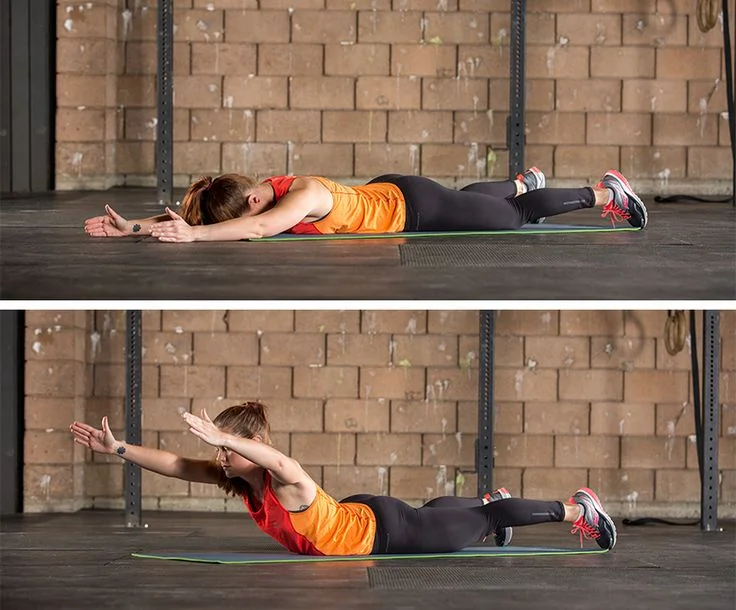
Lie face down and gently lift forehead slightly.
Hold 5 seconds. Repeat 10 times.
Scapular Depression

Sit tall and pull shoulders down away from ears.
Hold 5 seconds. Repeat 10 times.
Perform strengthening exercises 3 times per week.
Also Read: How to Understand What Really Causes You Pain?
Morning Routine for Stiff Neck
- Warm shower for 5 minutes
- Gentle mobility exercises
- Light breathing practice
- Avoid aggressive stretching
Night Routine for Neck Relaxation
- Stop screen use 30 minutes before sleep
- Gentle stretches
- Deep breathing
- Use one supportive pillow
Avoid stomach sleeping to prevent cervical rotation strain.
Also Read: Ankle Pumps for Joint Mobility and Circulation- A Complete Pain Relief Guide
Heat or Cold for Neck Tightness
Heat helps relax muscular stiffness.
Cold is beneficial only for acute inflammation.
Also Read: Simple Thigh Stretching Exercises for Knee Pain Prevention
Hydration, Nutrition, and Muscle Recovery
Dehydrated muscles fatigue faster and tighten more easily.
- Drink adequate water daily
- Include magnesium rich foods
- Maintain balanced anti inflammatory diet
Also Read: Wall Slides for Knee Joint Strength- A Complete Guide
Stress Management and Nervous System Reset
Chronic stress keeps muscles in a guarded state.
Helpful techniques include:
- Deep breathing
- Mindful walking
- Gentle yoga
- Progressive muscle relaxation
Also Read: 10 Minute Gentle Shoulder Mobility Routine at Home for Stiff and Painful Shoulders
How Long Does It Take to See Improvement
Mild posture related stiffness
Improves in 3 to 5 days.
Moderate tension
2 to 3 weeks with consistency.
Chronic cases
6 to 8 weeks of structured correction.
Also Read: This 7 day knee strengthening exercise plan works like Miracle
Complete Weekly Neck Care Blueprint
Daily
- Mobility and breathing.
Workday
- Micro breaks every 30 minutes.
Three times weekly
- Strength exercises.
Evening
- Stretching and relaxation.
Also Read: These Are the Best Home Exercises For Hip Pain Relief
Frequently Asked Questions (FAQ)
1. Can anxiety alone cause neck tightness?
Yes. Emotional stress significantly increases muscle tone and can lead to neck tightness.
2. Is cracking the neck helpful?
Frequent self-manipulation may increase joint instability and should be avoided.
3. Does walking help neck stiffness?
Yes. Movement improves circulation and posture, which can reduce neck stiffness.
4. Is yoga good for neck pain?
Gentle yoga can improve mobility, posture, and stress regulation, which may help relieve neck discomfort.
Also Read: Straight Leg Raise for Knee Pain Relief: Benefits & How to Do It
Final Thoughts
Neck tightness is rarely random. It is usually a result of posture, stress, muscular imbalance, and repetitive habits. The solution does not require equipment. It requires consistency.
When you combine mobility, muscle activation, breath control, stress management, and posture awareness, you treat both symptoms and root causes.
If practiced daily, this complete system can significantly relieve neck tightness within one week and prevent recurrence long term.
Also Read: 10 Best Daily Stretches for Back Pain Relief at Home
Stay tuned with us for more health related topics.
Follow us on LinkedIn and Instagram for more.
More Read


Medical Disclaimer!
This article has been reviewed and written under the guidance of our Head Physiotherapist, Dr. Kruti Raj (PT, MUHS,CPT,CMPT). The information shared is intended for educational purposes only and should not be considered a substitute for personalized medical advice, diagnosis, or treatment.
Please consult us or any other qualified healthcare professional before beginning any exercise program, especially if you are experiencing pain, recovering from injury, or managing a medical condition.


