


Back pain and spinal stiffness are common problems that affect millions of people worldwide. One stretch that stands out for its simplicity, restorative benefits, and scientific backing is the Child’s Pose for Back Pain relief, also known as Balasana in yoga. (Cleveland Clinic)
Whether you sit for long hours at a desk, lift heavy objects, or simply feel tension after a long day, finding gentle yet effective ways to ease discomfort is essential
While it may look gentle, Child’s Pose offers deep relief for lower back stiffness, supports spinal flexibility, and helps calm the nervous system, all without intense effort.
In addition to this, emerging research on yoga-based therapies supports their role in reducing chronic back pain and improving function. (PubMed)
Also Read: Standing Desk Exercises For Healthy Back And Reduced Pain
What Is Child’s Pose
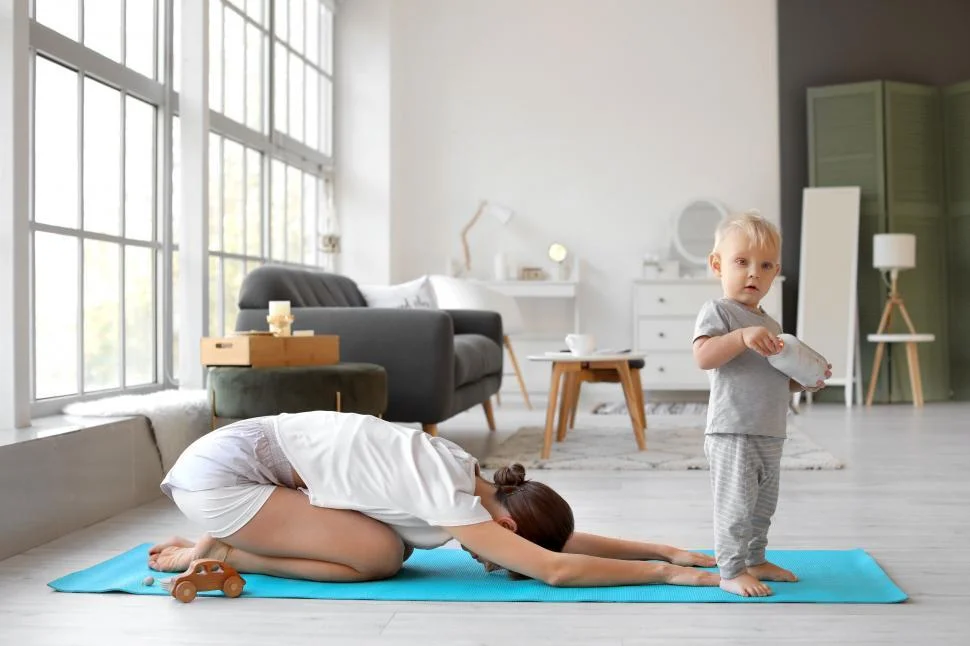
Child’s Pose (Balasana) is a foundational yoga posture characterized by kneeling and folding the torso forward, letting the hips descend toward the heels.
The position allows the spine to gently lengthen and stretches muscles in the back, hips, and thighs.
Most commonly used as a restorative pose in yoga, Child’s Pose is also effective as a standalone stretch for back pain relief and spinal mobility.
It is widely recommended in fitness and therapeutic programs due to its accessibility and low risk of injury.
Also Read: Spinal Twists for Lower Back Pain Relief- A Complete Guide
Why Child’s Pose Helps With Back Pain
Gentle Elongation of the Spine
When you fold forward into Child’s Pose, the stretch encourages the muscles along the spine, including the erector spinae, to relax and lengthen, which can ease stiffness and tension after prolonged sitting or muscle guarding. (Truemeds)
Relief of Lower Back Tension
The position promotes lower back elongation as the hips move toward the heels, reducing compressive forces on the lumbar vertebrae and improving comfort.
Because the movement is passive and supports the body’s weight, it’s often comfortable even for people with mild back discomfort.
Relaxation of Hip and Thigh Muscles
In addition to stretching the back, Child’s Pose gently lengthens hip flexors and inner thigh muscles, which are common areas of tightness, especially in people who sit for long periods.
Activation of the Parasympathetic Nervous System
When combined with deep breathing, Child’s Pose activates the parasympathetic nervous system, helping reduce stress and calm the body.
This calming effect may contribute to reduced muscle tension and greater comfort.
Enhances Spinal Flexibility
Regular practice encourages mobility in the spinal joints and supports flexibility over time, which can make other daily movements easier and less likely to provoke pain.
Collectively, these benefits make Child’s Pose a powerful addition to any back care routine, whether as a standalone stretch or part of a larger mobility program.
Also read: Knee-to-Chest Stretch for Bach Pain Relief and Spinal Flexibility- A Complete Guide
Step-by-Step Instructions to Do Child’s Pose Correctly
Performing Child’s Pose with thoughtful set-up and alignment ensures you get the most benefit while reducing the risk of strain.
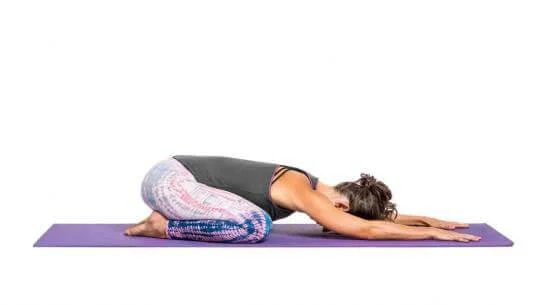
Step 1: Start on All Fours
Begin on your hands and knees with your wrists under your shoulders and knees under your hips. If your knees feel uncomfortable, place a folded towel or yoga mat under them for padding.
Step 2: Sit Back Toward Your Heels
Exhale slowly and begin to lower your hips back toward your heels. Let your torso fold forward between your thighs.
Some people keep their big toes touching and knees hip-width apart, while others prefer wider knees, both are acceptable based on comfort. (Sealy of Australia)
Step 3: Extend or Relax Your Arms
You have two options for arm placement:
- Stretch your arms forward with palms down to lengthen the spine.
- Rest your arms alongside your body with palms up for a more restorative variation.(WebMD)
Step 4: Relax Your Head
Rest your forehead gently on the mat or a cushion. If your forehead does not reach comfortably, use a pillow or yoga block for support.
Step 5: Breathe Deeply
Stay in the pose for 30 seconds to several minutes, focusing on slow, steady breathing. Inhale deeply through your nose and exhale gently through your mouth, encouraging your back to release tension with each breath.
Step 6: Return Slowly
When you are ready to come out of the pose, walk your hands back toward your body and lift your torso gently back to a kneeling position while maintaining a controlled breath.
Variations and Modifications for Comfort and Support
1. Seated Child’s Pose
For those with knee or ankle discomfort, perform the stretch seated on a chair. Sit tall with your feet on the ground, fold forward slightly, and reach your arms toward your knees.
2. Bolster or Pillow Support
Placing a bolster or pillows under your torso or forehead can make Child’s Pose more comfortable, especially for beginners or people with tight hips.
3. Wide-Knee Position
By widening the knees while keeping the big toes on the mat, you create a slightly deeper hip stretch and more space for the torso to fold.
These modifications make Child’s Pose accessible for most people, regardless of flexibility level.
Also Read: https://vcurehealthcare.com/this-simple-trick-can-instantly-reduce-tennis-elbow-pain/
Lesser-Known Insights About Child’s Pose
Although Child’s Pose is widely practiced in yoga, there are several lesser-known aspects to its benefits:
May Gently Stimulate Digestive Comfort
Light abdominal compression in the pose can help stimulate digestion and ease mild bloating for some people.
Supports Mental Calmness
Beyond physical relief, the stretch can be meditative because it shifts your focus to deep breathing and body awareness.
This mind-body connection helps reduce stress and muscle tension, which may contribute to back discomfort.
Part of Evidence-Based Medical Yoga
Recent clinical research on medical yoga therapy, which often includes restorative postures like Child’s Pose, suggests that integrated yoga programs can reduce chronic back pain and improve overall function.
Although more research is needed to isolate specific effects of single poses, this broader evidence adds credibility to the inclusion of Child’s Pose in back care routines.
Also Read: 10 Best Daily Stretches for Back Pain Relief at Home
How Often Should You Practice Child’s Pose?
For best results:
- Daily Stretching: Practicing Child’s Pose once or twice a day can help maintain spinal flexibility and reduce tension.
- During Activity Breaks: Adding the stretch after prolonged sitting or hard activity can alleviate stiffness.
- Before or After Workouts: Using it as a warm-up or cool-down stretch promotes mobility and recovery.
Consistency matters more than length of time; even short daily sessions can make a noticeable difference.
When to Be Cautious
Although Child’s Pose is generally safe for most people, certain conditions require attention:
- Low Back Herniation or Severe Disc Problems: Deep forward flexion may increase discomfort for some individuals. Proceed gradually and consult a clinician if pain worsens.
- Knee or Hip Injury: If bending the knees causes pain, use supports or try alternative variations.
- Pregnancy: Avoid compressing the abdomen; widen knee stance and use props for comfort.
Always listen to your body and stop if a movement causes sharp or increasing pain.
Also read: Bridge Exercise for Back Pain and Strengthening: A Complete Evidence-Based Guide
Clinical Experience
In my clinical experience, Child’s Pose is one of the most underrated stretches for back discomfort. Many patients underestimate its impact because it appears simple.
However, when performed with mindful breathing and proper alignment, it can significantly reduce stiffness, encourage spinal lengthening, and create a sense of calm that supports both physical and mental well-being.
What to Do This Week
Practice Child’s Pose once in the morning and once in the evening. Start with 30 seconds to one minute, then increase time as comfort allows.
Pair it with gentle strengthening and mobility movements for a balanced back care routine.
Myth about Child’s Pose
Many people think Child’s Pose is “too simple to be effective.”
In truth, this gentle position promotes meaningful spinal flexibility, reduces tension, and supports relaxation, all of which contribute to lasting back comfort when practiced consistently.
Also read: How to Do a Pelvic Tilt Exercise for Lower Back Pain Relief
Final Advice from Our Physios
Approach Child’s Pose as both a physical stretch and a moment of mindful rest. Breathe deeply, release tension with intention, and allow your body to relax into the pose.
Over time, this gentle practice can support a more flexible, comfortable back and a calmer nervous system. Regular, controlled stretching builds flexibility and resilience and your body will thank you for it.
Also Read: Top 5 Posture Mistakes Causing Back Pain and How to Fix Them
Frequently Asked Questions (FAQ)
1. How long should I hold Child’s Pose?
Hold for 30 seconds to a few minutes based on comfort and flexibility.
2. Can Child’s Pose relieve lower back pain?
Yes, by gently lengthening the spine and reducing muscle tension, it may ease mild back discomfort.
3. Is this stretch suitable for beginners?
Absolutely. Child’s Pose is beginner-friendly and can be modified for comfort.
4. Should I breathe while holding the pose?
Yes, slow deep breathing enhances relaxation and stretch effectiveness.
5. Can this pose improve posture?
Regular practice fosters spinal mobility and may contribute to better posture when combined with strengthening.
6. Can Child’s Pose help with hip tightness?
Yes, it stretches hip flexors and inner thigh muscles which helps improve flexibility.
7. Is it safe to do after meals?
Wait at least an hour after eating to avoid discomfort.
8. Can children do this pose?
Yes, it is gentle and suitable for all ages with appropriate guidance.
9. Should I stop if I feel discomfort?
Yes, modify or stop if you experience sharp pain.
10. How often should I practice it?
Daily or as needed throughout the day, especially after prolonged sitting.
Stay tuned with us for more health related topics.
Follow us on LinkedIn and Instagram for more.


