
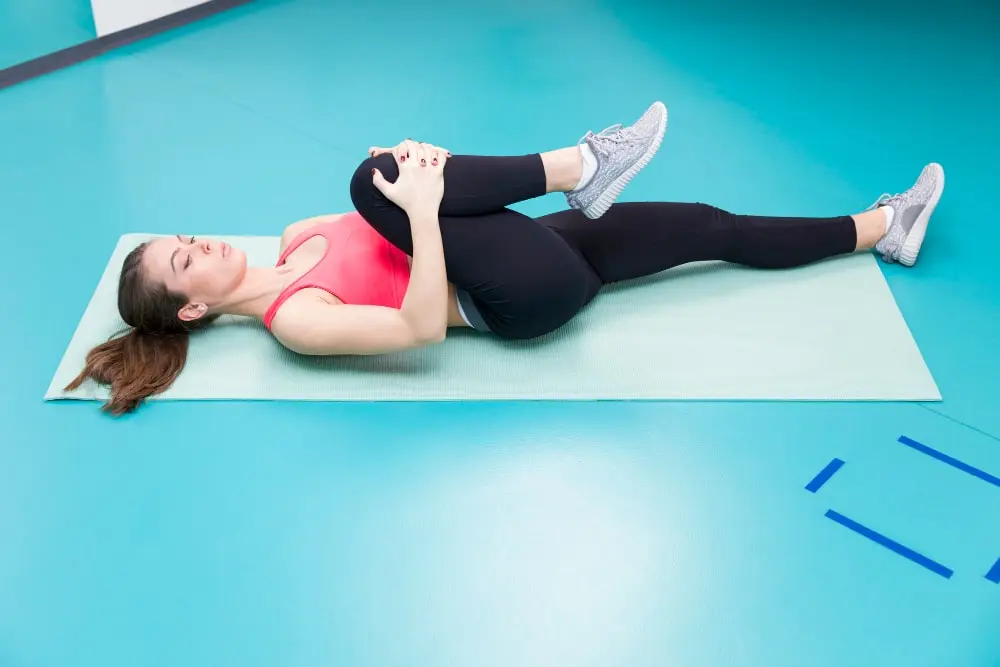

Back pain and spinal stiffness are among the most common musculoskeletal complaints worldwide. Many people experience discomfort during daily activities, especially after long periods of sitting or repetitive bending. One stretch that consistently stands out in clinical practice and exercise science is the knee-to-chest stretch for back pain relief.
Although numerous treatments claim to offer quick relief, few are as simple, effective, and backed by credible research as targeted stretching.
While it may appear basic, this movement delivers meaningful benefits for spinal flexibility, lower back comfort, and overall functional mobility.
What Is the Knee-to-Chest Stretch?
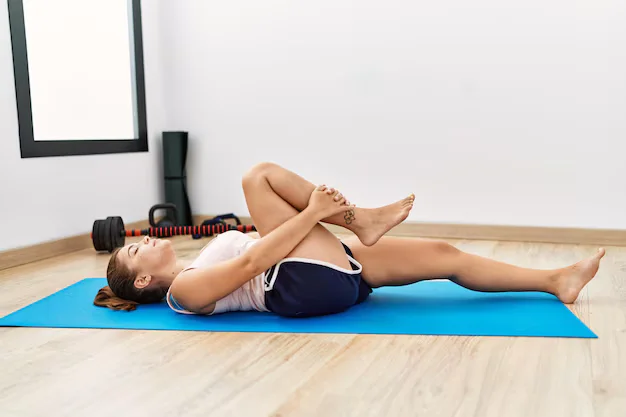
The knee-to-chest stretch is a gentle movement in which you lie on your back and bring one or both knees toward your chest.
This stretch lengthens the muscles of the lower back, hips, and glutes while encouraging controlled spinal movement.
It is often used in warm-up routines, back pain management programs, and daily mobility practices because it places minimal stress on joints while improving flexibility.
Clinically, this stretch is recommended by physical therapists and healthcare organizations as part of home exercise programs for individuals with non-specific low back pain or stiffness.
According to sources such as Harvard Health Publishing and the American Physical Therapy Association, stretching routines that include knee-to-chest movements can reduce discomfort and improve mobility when performed consistently and correctly.
Also read: Spinal Twists for Lower Back Pain Relief- A Complete Guide
Why the Knee-to-Chest Stretch Matters for Spinal Flexibility
Enhances Lumbar Mobility
The lower back (lumbar spine) naturally benefits from gentle flexion because it increases the range of motion and reduces stiffness.
When you draw your knee toward your chest, the lumbar vertebrae slightly open and lengthen, which can ease stiffness caused by prolonged sitting or poor posture.
Releases Muscular Tension
Tight muscles in the hips and lower back, such as the gluteus maximus and hip flexors, can contribute to compensatory movements and back pain.
A knee-to-chest stretch helps release tension in these muscle groups, allowing for smoother movement and improved posture.
Improves Circulation
Dynamic stretching increases blood flow to spinal muscles and surrounding tissues, promoting nutrient delivery and reducing discomfort associated with reduced mobility.
Prepares the Body for Movement
This stretch is frequently used in warm-ups before physical activity or as part of a cool-down following exercise, because it gently prepares spinal muscles without exertion.
Modern rehabilitation frameworks view spinal mobility as foundational for both functional movement and pain management, making knee-to-chest a common inclusion in evidence-based programs.
Also Read: 10 Best Daily Stretches for Back Pain Relief at Home
Step-by-Step Guide to Doing the Knee-to-Chest Stretch
Follow these steps to perform the knee-to-chest stretch safely and effectively:
1. Start in a Comfortable Position
Lie on your back on a firm but comfortable surface, such as a yoga mat. Keep both legs extended and arms resting by your sides.
2. Bring One Knee Toward Your Chest
Slowly bend your right knee and use both hands to gently pull it toward your chest. Keep your knee aligned with your hip without forcing the movement.
3. Hold the Position
Hold the stretch for 20–30 seconds while breathing slowly and steadily. Try to relax any tension in your shoulders or neck as you hold the stretch.
4. Release and Repeat
Release slowly, return your right foot to the floor, and then repeat the stretch with your left leg.
5. Double Knee Variation
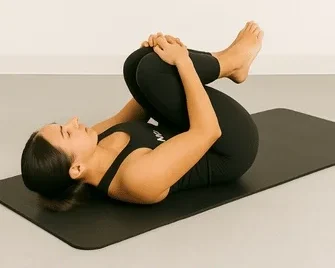
To increase the stretch, you can bring both knees toward your chest simultaneously. Hold this position for the same amount of time.
Perform two to three repetitions on each side for best results. Focus on controlled, slow movements rather than quick, jerky motions.
Variations and Modifications
Although the basic knee-to-chest stretch is effective on its own, tailoring the movement to your specific conditions can make it even more beneficial.
Seated Knee-to-Chest Stretch
If lying on the floor is uncomfortable, perform the stretch while seated in a chair. Sit tall and hug one knee toward your chest while maintaining an upright spine.
Wall-Assisted Modification
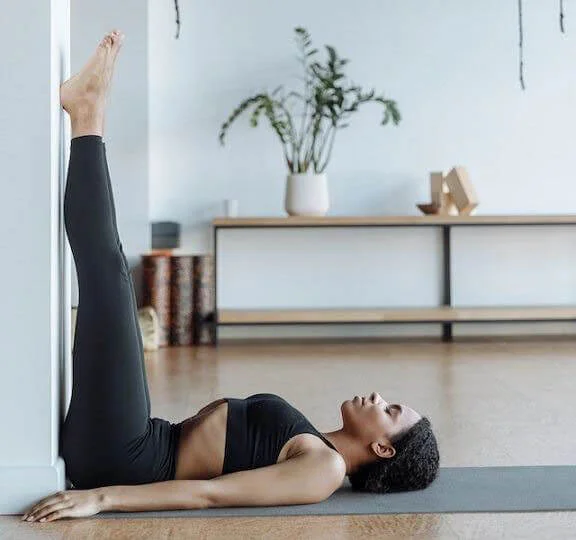
Lie on your back with your legs extended along a wall. Slide one foot up the wall as you draw it closer to your chest, using the wall for support and balance.
Supported Stretch with Strap
If you have limited flexibility, use an exercise strap, towel, or belt around your foot to gently assist the movement without strain.
These variations are especially useful for people with limited mobility or joint discomfort.
Also read: Bridge Exercise for Back Pain and Strengthening: A Complete Evidence-Based Guide
Scientific Evidence Supporting Knee-to-Chest Stretching
Research consistently supports the role of stretching in managing low back pain and enhancing flexibility.
Although some studies focus on comprehensive exercise programs rather than individual stretches alone, knee-to-chest movements are frequently included because they target key muscular and spinal structures.
For example, physical therapy programs that combine hip and low back stretching with core stabilization have shown improvements in pain, mobility, and functional outcomes in people with chronic low back pain.
Scientific reviews also emphasize the importance of mobility work for long-term back health. This evidence reinforces the clinical value of daily stretching routines.
Additionally, emerging research in neuromuscular rehabilitation highlights that gentle stretches can help reduce pain sensitivity by improving blood flow, reducing muscle guarding, and normalizing movement patterns that may be altered due to pain or sedentary behaviors.
Also read: How to Do a Pelvic Tilt Exercise for Lower Back Pain Relief
How Often Should You Do This Stretch?
To get the most benefit from the knee-to-chest stretch:
- Perform daily if you experience stiffness or mild discomfort.
- Include in warm-ups before activity to improve spinal mobility.
- Use as part of your cool-down after exercise to promote flexibility.
Start with two to three repetitions per leg and increase gradually as you feel more comfortable. Consistency over weeks is more effective than occasional stretching.
Also Read: Top 5 Posture Mistakes Causing Back Pain and How to Fix Them
Lesser-Known Facts About Spinal Flexibility and Stretching
1. Flexibility Isn’t Just About Muscles
Flexibility also depends on joint health, connective tissue elasticity, and neural mobility. Thus, exercises that encourage gentle, controlled movement help more than static stretching alone.
2. Stretching Stimulates Nervous System Regulation
Pain and stiffness are not purely structural issues. Stretching activates sensory receptors that signal safety and mobility to the brain, potentially reducing pain perception over time.
3. Consistency Beats Intensity
Mild, consistent stretching yields better long-term flexibility improvements than sporadic intense sessions. Slow, controlled stretching encourages better motor patterns and less risk of strain.
These insights come from holistic movement science and clinical rehabilitation literature.
Tips for Maximizing Benefits
- Move slowly and breathe steadily.
- Avoid bouncing or forceful pulling.
- Stop if you feel sharp or increasing pain.
- Combine this stretch with other mobility and strengthening exercises for a balanced routine.
What I See in My Clinic
When patients perform the knee-to-chest stretch correctly, I often see immediate reductions in stiffness and improved movement patterns within a few sessions.
However, the real benefit comes with consistency. People who integrate this stretch into their daily routine report better mobility and less discomfort over time, especially when paired with exercises that strengthen the core and hips.
Also Read: Ultimate Guide to Home Physiotherapy for Back Pain
What I Would Advise You to Do This Week
Practice the knee-to-chest stretch once in the morning and once in the evening.
Perform two to three repetitions per side, focusing on slow, controlled movements and steady breathing.
Pair this stretch with light walking or gentle core exercises to enhance your overall back health.
Also Read: How to Understand What Really Causes You Pain?
When I Would Refer You for Medical Evaluation
Although mild stretching is generally safe, consult a healthcare professional if you notice:
- Increasing pain that doesn’t improve after consistent stretching
- Numbness or tingling in your legs
- Pain that radiates below the knee
- Loss of bladder or bowel control
These symptoms may indicate a more serious condition that needs clinical assessment.
A Common Belief I Regularly Correct
Many people believe that stretching alone will cure all back problems.
Gentle stretching like the knee-to-chest movement improves flexibility and reduces stiffness. But real back stability and long-term pain relief come from a combination of flexibility, strength, movement retraining, and ergonomic adjustments.
Also Read : Best Knee Strengthening Exercises for Beginners to Reduce Knee Pain
My Final Advice to You
Approach the knee-to-chest stretch as part of a mindful back care routine. Breathe deeply, move slowly, and integrate this stretch with other mobility and strengthening practices.
Over time, consistent, controlled movement will enhance your spinal flexibility and support your overall back health.
Also Read: 15 Common Causes of Neck Pain You Should Know
Frequently Asked Questions (FAQ)
1. How long should I hold each knee-to-chest stretch?
Hold each stretch for about 20–30 seconds. This duration promotes muscle relaxation and optimal spinal mobility.
2. Can knee-to-chest stretching help with lower back pain?
Yes. Regular stretching can reduce stiffness, improve spinal flexibility, and complement back pain management when combined with strengthening and posture exercises.
3. Should I do the knee-to-chest stretch every day?
Doing this stretch daily is recommended, especially if you sit for long periods or feel stiffness in your lower back and hips. Consistency leads to lasting flexibility gains.
4. Can this stretch cause pain?
You may feel mild pulling, which is normal. However, sharp, radiating, or worsening pain is not normal. Stop and consult a clinician if pain increases.
5. Is this stretch suitable for seniors?
Yes, especially with modifications like seated variations or support with a strap.
6. Can I combine this stretch with other exercises?
Yes. Combining it with other mobility and core exercises enhances overall spinal health.
7. Can knee-to-chest stretches fix posture issues?
While beneficial for flexibility, posture improvement also requires strengthening and ergonomic adjustments.
8. Should I breathe during the stretch?
Yes. Inhale as you prepare and exhale as you draw the knee toward the chest, maintaining steady, rhythmic breathing.
9. Can children do this stretch?
Yes, when supervised, children can benefit from the mobility and flexibility gains.
10. Is stretching alone enough for back pain relief?
Stretching is helpful but works best as part of a comprehensive plan that includes strengthening, movement retraining, and sometimes lifestyle adjustments.
Stay tuned with us for more health related topics.
Follow us on LinkedIn and Instagram for more.


