


Swollen feet after flying during pregnancy are common, but they can leave many expecting mothers wondering whether it’s a normal travel effect or a sign that needs medical attention.
Planning a trip during pregnancy can be exciting, whether you’re travelling for work, visiting family, or enjoying a well-deserved babymoon.
However, if you’ve ever stepped off a long flight with tight shoes, puffy ankles, or heavy-feeling feet, you’re not alone.
Swollen feet are one of the most common complaints among pregnant travellers, especially after spending several hours sitting on an airplane.
Quick Answer
Swollen feet during long flights are common in pregnancy because prolonged sitting, gravity, and natural pregnancy-related fluid retention slow circulation. You can reduce swelling by staying hydrated, walking regularly, performing simple ankle exercises, wearing comfortable footwear, considering compression stockings if advised by your healthcare provider, and avoiding sitting still for long periods.
The good news is that mild swelling during pregnancy is often a normal response to the body’s natural changes.
During a flight, factors such as prolonged sitting, reduced movement, cabin conditions, and gravity can make swelling more noticeable.
Fortunately, there are many practical ways to reduce discomfort and support healthy circulation before, during, and after your journey.
As physiotherapists,
we often remind expecting mothers that movement is one of the body’s best natural tools for maintaining circulation.
Small adjustments to how you prepare for your flight, sit during the journey, and move afterwards can make a significant difference to your comfort.
This guide explains why swollen feet happen during pregnancy, why flying can make them worse, and the practical steps you can take to enjoy a safer and more comfortable journey.
Key Takeaways
- Mild swelling in both feet is common during pregnancy and often becomes more noticeable after long flights.
- Walking every 1 to 2 hours helps improve circulation.
- Simple ankle and foot exercises can be performed while seated.
- Drink water regularly throughout the journey.
- Wear supportive shoes and loose-fitting clothing.
- Compression stockings may benefit some pregnant travellers when recommended by a healthcare provider.
- Seek medical attention immediately if swelling affects only one leg or is associated with pain, redness, or shortness of breath.
Why Do Feet Swell More During Pregnancy?
Swelling, also known as physiological oedema, is common during pregnancy.
It usually develops gradually and tends to affect the feet, ankles, and lower legs.
Your body naturally produces more blood and body fluids to support your growing baby.
These extra fluids help nourish the placenta, protect the baby, and prepare your body for childbirth.
At the same time, pregnancy hormones relax blood vessel walls, allowing fluid to move more easily into surrounding tissues.
As your uterus grows, it also places increasing pressure on the large veins in your pelvis.
This can slow the return of blood from your legs back to your heart, making fluid more likely to collect around your feet and ankles.
For many women, swelling becomes more noticeable later in the day, after standing for long periods, or during warmer weather.
According to the World Health Organization, pregnancy brings significant physiological changes that require individualized care and monitoring throughout pregnancy.
Why Do Long Flights Make Swelling Worse?
Even women who rarely notice swollen feet at home may experience puffiness after a flight.
Several factors work together during air travel.
Sitting for long periods slows circulation
Normally, every time you walk, your calf muscles squeeze the veins in your legs and help pump blood back towards your heart.
During a long flight, those muscles remain relatively inactive.
As a result, blood and tissue fluid tend to collect in the lower legs, making your shoes feel tighter by the time you land.
Pregnancy already places extra demands on your circulation, so remaining seated for several hours can make swelling more noticeable.
Gravity encourages fluid to settle in your feet
When you’re sitting for a prolonged period, gravity naturally pulls fluid towards the lowest parts of your body.
Because your feet remain below heart level throughout the flight, fluid may gradually accumulate around your ankles and feet.
This is why many women notice swelling after landing rather than during take-off.
Dry cabin air can contribute to dehydration
Aircraft cabins have relatively low humidity.
Although dehydration does not directly cause swollen feet, it may affect overall circulation and leave you feeling more tired.
Staying well hydrated helps your body regulate fluid balance more effectively.
Limited space reduces natural movement
Most passengers have limited legroom, particularly on longer flights.
Without regular opportunities to stretch your legs or change position, stiffness and swelling can develop more easily.
Is Swollen Feet During Air Travel Normal?
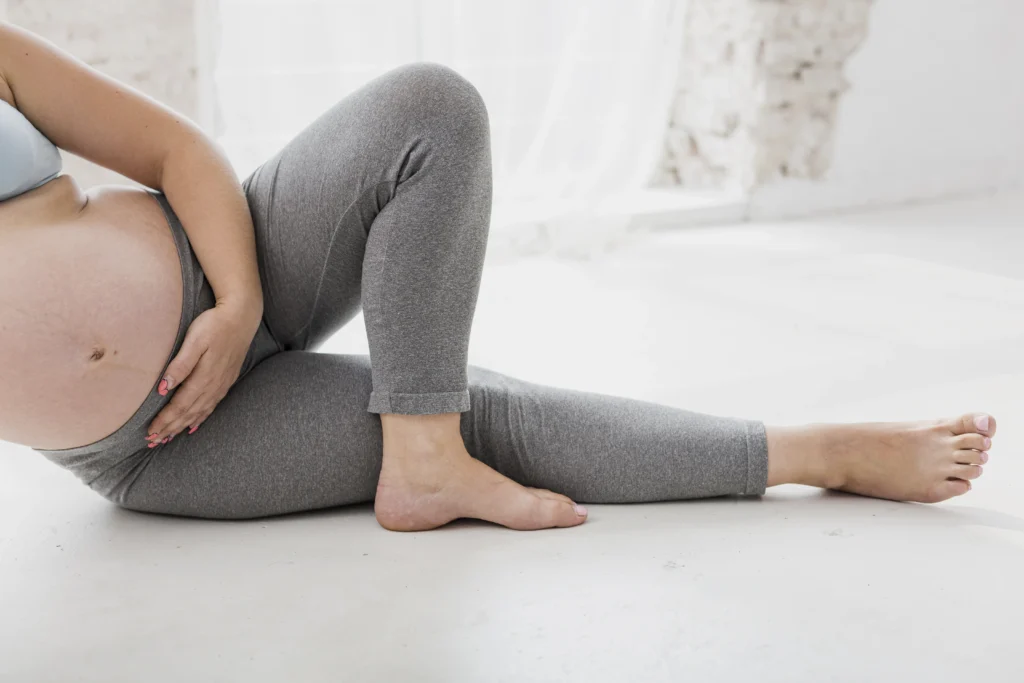
In most cases, yes.
Mild swelling affecting both feet and ankles after a long flight is usually temporary and improves within a few hours or after a good night’s rest.
Many women also notice that elevating their feet or taking a gentle walk after arriving helps the swelling settle.
However, swelling should never be ignored if it appears suddenly, becomes severe, or is accompanied by other symptoms.
You should seek prompt medical advice if swelling is associated with:
- Severe headache
- Blurred vision
- Pain below the ribs
- Sudden swelling of the face or hands
- One leg becoming much more swollen than the other
- Redness, warmth, or pain in one calf
- Chest pain or difficulty breathing
These symptoms require medical assessment because they may indicate conditions that need urgent treatment.
Preparing Before Your Flight Can Make a Big Difference
Many people think about comfort only after boarding the aircraft.
In reality, preventing swelling begins before you even leave for the airport.
Wear comfortable shoes
Avoid wearing brand-new shoes or footwear that already feels snug.
Instead, choose supportive shoes with enough room to accommodate mild swelling during the day.
Slip-on shoes or trainers with adjustable laces are often more comfortable than narrow-fitting footwear.
High heels are generally best avoided because they alter your posture, reduce stability, and increase pressure on your feet.
Choose loose, breathable clothing
Tight socks, restrictive trousers, or clothing that presses around your waist or thighs may affect comfort during long journeys.
Lightweight, breathable clothing allows easier movement and reduces unnecessary pressure on your lower limbs.
Stay hydrated before boarding
Many travellers intentionally drink less to reduce trips to the toilet.
Unfortunately, this often leaves them dehydrated before the flight has even begun.
Instead, begin your journey well hydrated and continue drinking water regularly throughout the day.
Eat a balanced meal before travelling
Skipping meals can leave you feeling tired and uncomfortable.
On the other hand, eating an unusually heavy meal just before boarding may increase bloating and make sitting for long periods less comfortable.
Aim for a balanced meal containing protein, whole grains, and fruit or vegetables.
A Physiotherapist’s Perspective: Think About Circulation Before Comfort
One of the biggest misconceptions about flying during pregnancy is that comfort starts once you find your seat.
In reality, preparing your circulation before boarding often makes a greater difference.
As physiotherapists, we encourage expecting mothers to remain gently active while waiting at the airport.
Instead of sitting at the boarding gate for an hour, use that time to:
- Walk around the terminal at a comfortable pace.
- Perform gentle ankle circles while standing.
- Alternate between sitting and standing.
- Stretch your calf muscles without forcing the movement.
- Avoid crossing your legs for prolonged periods.
These simple habits activate the muscles that naturally assist blood flow from your legs back towards your heart.
They may seem small, but together they help prepare your body for several hours of sitting.
Should You Wear Compression Stockings?
Compression stockings are often discussed whenever pregnancy and flying are mentioned.
These specially designed stockings apply gentle, graduated pressure to your legs, helping encourage blood flow back towards the heart and reducing fluid build-up in the lower limbs.
They are not necessary for every pregnant traveller, but they may be recommended if:
- You’re taking a long-haul flight.
- You already experience swollen feet or ankles.
- Your healthcare provider believes you have an increased risk of circulation problems.
- You have previously experienced significant swelling during travel.
Compression stockings should be correctly fitted to provide the intended benefit.
If you’re unsure whether they are suitable for you, speak with your healthcare provider before your trip rather than purchasing them at the airport.
Research published in the Journal of Travel Medicine suggests that :
regular movement, maintaining hydration, and using graduated compression stockings when appropriate may help reduce travel-related venous problems during prolonged journeys (Antony et al. 2017).
Small Preparations That Often Make the Biggest Difference
Preventing swollen feet is rarely about one single solution.
Instead, it usually comes down to combining several small habits:
- Wear supportive footwear.
- Keep moving before boarding.
- Stay hydrated.
- Avoid sitting for long periods before the flight.
- Dress comfortably.
- Plan your journey so you don’t have to rush through the airport.
These simple choices help create the best possible conditions for healthy circulation before your flight even takes off.
What Should You Do During the Flight to Reduce Swelling?
Once you’re on board, your focus should shift from preparing for the journey to maintaining healthy circulation throughout the flight.
Small, consistent actions are often more effective than waiting until your feet already feel swollen.
Change your position regularly
Remaining in the same position for several hours can make your legs feel stiff and heavy.
Try to adjust your sitting position every 20 to 30 minutes.
Shift your weight gently, straighten your legs occasionally, and avoid sitting completely still for the entire journey.
These small movements encourage blood flow and reduce pressure on your lower limbs.
Walk whenever it is safe
If the seat belt sign is off and it is safe to move around the cabin, take a short walk every one to two hours.
You do not need to walk for long distances.
Even a slow walk along the aisle and back to your seat helps activate the calf muscles, which naturally assist blood circulation.
If you are travelling on a shorter flight where walking opportunities are limited, perform seated leg exercises instead.
Simple Foot and Ankle Exercises You Can Do in Your Seat
One advantage of these exercises is that they require very little space and can be repeated throughout the flight.
Ankle Pumps
Point your toes away from you and then pull them back towards your body.
Repeat this movement 15 to 20 times with each foot.
Ankle Circles
Lift one foot slightly off the floor and slowly rotate your ankle in a circular motion.
Perform 10 circles clockwise and 10 anticlockwise before changing to the other foot.
Heel Raises
Keeping your toes on the floor, gently lift your heels.
Lower them slowly and repeat several times.
This simple exercise activates the calf muscles without leaving your seat.
Toe Raises
Keep your heels on the floor while lifting your toes upwards.
Alternate between heel raises and toe raises for one to two minutes.
These movements improve circulation and help reduce stiffness during longer flights.
Can Drinking Water Really Help?
Yes, although perhaps not in the way many people think.
Drinking water does not directly prevent swollen feet, but maintaining good hydration supports healthy circulation and overall wellbeing during pregnancy.
Aircraft cabins have low humidity, which increases fluid loss through breathing.
Instead of waiting until you feel thirsty, drink small amounts of water regularly throughout the journey.
If plain water becomes unappealing, try:
- Water with lemon slices
- Coconut water if appropriate for your dietary needs
- Milk
- Clear soups before boarding
Try to limit sugary soft drinks because they may contribute to bloating and provide little nutritional value.
Foods That May Help You Feel More Comfortable During the Flight
Choosing lighter meals often feels more comfortable than eating large portions immediately before or during a flight.
Good travel-friendly snacks include:
- Fresh fruit
- Unsalted nuts
- Whole-grain crackers
- Yogurt
- Roasted chickpeas
- Whole-grain sandwiches
- Cheese cubes
- Homemade trail mix
Foods that are very salty may encourage temporary fluid retention in some people, so choosing balanced meals is often a better option during long journeys.
Does Your Seat Choice Make a Difference?
Although no seat completely prevents swelling, choosing the right seat may help you move more comfortably.
Many pregnant travellers prefer an aisle seat because it allows easier access for:
- Walking during the flight
- Stretching your legs
- Visiting the restroom
- Changing positions without disturbing other passengers
If possible, avoid feeling confined to your seat for the entire journey.
Our detailed guide “Pregnancy and Airplane Seat Selection: Where Should You Sit?” explains how to choose the most comfortable seat based on your stage of pregnancy.
A Physiotherapist’s Perspective: Don’t Wait Until Your Feet Feel Swollen
One of the most common mistakes we see is waiting until discomfort develops before taking action.
Healthy circulation is easier to maintain than restore.
Rather than thinking,
“I’ll walk later if my feet start swelling,”
try thinking,
“I’ll keep my circulation active from the beginning.”
Simple habits make a difference:
- Stretch your ankles before swelling develops.
- Walk before your legs feel stiff.
- Drink water regularly instead of waiting until you’re thirsty.
- Change your sitting position frequently.
- Avoid crossing your legs for prolonged periods.
These strategies are gentle, practical, and easy to include in almost any flight.
What Should You Do After Landing?
Many women notice that their feet feel their heaviest immediately after leaving the aircraft.
Fortunately, swelling often improves once you begin moving again.
After your flight:
Take a short walk
Walking for 10 to 15 minutes encourages circulation and helps reduce stiffness after prolonged sitting.
Elevate your feet when possible
Once you arrive at your accommodation or home, resting with your feet slightly elevated above heart level for a short period may help reduce mild swelling.
Continue drinking fluids
Hydration remains important after the journey, especially if your travel day has been long or involved multiple flights.
Wear comfortable footwear
Your feet may remain slightly swollen for several hours.
Avoid changing into tight shoes immediately after landing.
When Is Swelling No Longer Normal?
Although mild swelling affecting both feet is common during pregnancy, certain symptoms require prompt medical assessment.
Contact your healthcare provider immediately if you notice:
- Swelling that appears suddenly or becomes severe.
- Swelling affecting only one leg.
- Pain, redness, warmth, or tenderness in one calf.
- Chest pain or sudden shortness of breath.
- Persistent headache with swelling.
- Blurred vision.
- Swelling of the face or hands that develops rapidly.
- Reduced fetal movements later in pregnancy.
These symptoms may indicate conditions such as deep vein thrombosis or pre-eclampsia and should never be ignored.
According to the American College of Obstetricians & Gynecologists (ACOG),
pregnant travelers should seek medical advice promptly if concerning symptoms develop before, during, or after travel, particularly if they have additional risk factors for blood clots or pregnancy complications.
Myth vs Fact
| Myth | Fact |
|---|---|
| Swollen feet during pregnancy always mean something is wrong. | Mild swelling in both feet is common, especially after prolonged sitting or long flights. |
| You should avoid walking during a flight. | Walking regularly helps improve circulation and may reduce swelling. |
| Drinking less water prevents swelling. | Good hydration supports healthy circulation and overall comfort during pregnancy. |
| Crossing your legs is harmless during long flights. | Keeping your legs uncrossed and moving regularly may promote better circulation. |
Common Mistakes to Avoid During Long Flights
Sometimes, avoiding a few common mistakes is just as important as following good habits.
Try to avoid:
- Sitting continuously without moving.
- Wearing tight shoes or restrictive clothing.
- Crossing your legs for long periods.
- Drinking very little water.
- Carrying heavy cabin luggage without assistance.
- Ignoring significant swelling or pain.
- Waiting until discomfort becomes severe before changing position.
Making small adjustments throughout the journey is usually more effective than trying to correct discomfort after it has already developed.
Final Thoughts
Swollen feet during long flights are a common part of pregnancy, but they can often be managed with thoughtful preparation and simple habits throughout your journey. Staying active, drinking enough water, wearing comfortable footwear, and listening to your body’s signals can make travelling much more comfortable. If swelling is sudden, severe, affects only one leg, or is accompanied by other concerning symptoms, seek medical advice without delay.
Conclusion
Swollen feet during pregnancy can make long flights feel uncomfortable, but they do not have to spoil your journey.
Understanding why swelling occurs and taking simple preventive steps can help you travel with greater confidence.
From a physiotherapist’s perspective, the most effective strategy is to keep your body moving as naturally as possible.
Gentle walking, regular ankle exercises, good hydration, supportive footwear, and avoiding prolonged sitting all work together to promote healthy circulation and reduce discomfort.
Remember that every pregnancy is unique.
Mild swelling in both feet is often a normal part of pregnancy and air travel, but sudden, severe, or one-sided swelling should always be assessed by a healthcare professional.
Planning ahead, listening to your body, and seeking medical advice when needed can help make your journey safer, more comfortable, and more enjoyable. (Mayo Clinic)
Frequently Asked Questions
Here are answers to some of the most common questions about swollen feet during long flights while pregnant.
1. Is it normal for my feet to swell after flying while pregnant?
Yes. Mild swelling affecting both feet and ankles is common after long flights because pregnancy and prolonged sitting slow circulation.
2. How often should I walk during a flight?
If it is safe to do so, try to walk along the aisle every one to two hours during longer flights to encourage healthy circulation.
3. Can compression stockings help?
Graduated compression stockings may help reduce leg swelling for some pregnant travellers. Ask your healthcare provider whether they are appropriate for you.
4. Does drinking water reduce swollen feet?
Staying hydrated supports healthy circulation and overall wellbeing, although it does not directly eliminate swelling.
5. When should I worry about swollen feet?
Seek medical attention if swelling appears suddenly, affects only one leg, is painful, or occurs with chest pain, shortness of breath, severe headache, or vision changes.
6. Can physiotherapy help reduce swelling during flights?
Physiotherapists can recommend simple movement strategies, ankle exercises, posture advice, and activity pacing that support healthy circulation and improve comfort during travel.
Stay tuned with us for more health related topics.
Follow us on LinkedIn and Instagram for more.
More Read


Medical Disclaimer!
This article has been reviewed and written under the guidance of our Head Physiotherapist, Dr. Kruti Raj (PT, MUHS,CPT,CMPT). The information shared is intended for educational purposes only and should not be considered a substitute for personalized medical advice, diagnosis, or treatment.
Please consult us or any other qualified healthcare professional before beginning any exercise program, especially if you are experiencing pain, recovering from injury, or managing a medical condition.


