


Is air travel safe during pregnancy?
For most healthy pregnancies, the answer is yes, but knowing when it’s safest to fly and the precautions to take can make all the difference.
For many women, pregnancy doesn’t mean putting life on hold.
Business meetings, family celebrations, holidays, babymoons, and even unavoidable emergencies may require travelling by air.
Naturally, one of the first questions that comes to mind is whether flying could harm the baby or increase the risk of pregnancy complications.
The reassuring news is that, for most women with an uncomplicated pregnancy, air travel is generally considered safe.
However, the answer is not the same for everyone.
Your stage of pregnancy, overall health, medical history, destination, flight duration, and any existing pregnancy-related complications all influence whether flying is the right choice.
Quick Answer
For most women with a healthy, uncomplicated pregnancy, commercial air travel is generally safe. The safest time to fly is often during the second trimester. Before travelling, consult your healthcare provider, stay hydrated, move regularly during the flight, wear your seat belt correctly, and check your airline’s pregnancy policy. Women with pregnancy complications or certain medical conditions may be advised to postpone air travel.
As physiotherapists, we often meet expecting mothers who are more concerned about the physical effects of flying than the flight itself.
Questions about swollen feet, back pain, prolonged sitting, fatigue, or discomfort during long journeys are extremely common.
While these symptoms are often manageable, understanding how your body responds to air travel can help you enjoy a safer and more comfortable journey.
The purpose of this guide is to help you make informed decisions before booking a flight,
prepare your body for the journey, recognize situations where flying may not be advisable, and learn practical strategies to stay comfortable from take-off to landing.
Key Takeaways
- Most women with uncomplicated pregnancies can fly safely after medical advice.
- The second trimester is generally the most comfortable period for air travel.
- Walking during long flights helps improve circulation and reduces stiffness.
- Stay hydrated and avoid sitting continuously for several hours.
- Always wear your seat belt below your baby bump.
- Check airline pregnancy policies before booking your tickets.
- Seek medical advice before travelling if you have pregnancy complications.
Why Air Travel During Pregnancy Raises So Many Questions
Pregnancy brings remarkable changes to almost every system in your body.
Your heart pumps more blood, your lungs work harder, your joints become more flexible, and your growing uterus gradually changes your posture and centre of gravity.
These normal adaptations make many women wonder whether flying places additional stress on their body or their developing baby.
It is also common to hear conflicting advice from family members, friends, and social media.
Some people believe that flying is dangerous throughout pregnancy, while others assume there are no precautions to consider at all.
The reality lies somewhere in between.
For women with a healthy pregnancy, commercial air travel is usually well tolerated.
The key is understanding your own health, following your maternity care provider’s advice, and preparing for the journey instead of travelling without a plan.
According to the World Health Organization,
every pregnancy should be assessed individually, and women should receive personalized advice based on their medical history and any existing pregnancy complications rather than relying on general assumptions (Lee et al. 2024)
Is Flying Harmful to Your Baby?
This is perhaps the biggest concern among expecting parents.
Fortunately, research suggests that occasional commercial flights do not appear to increase the risk of:
miscarriage, birth defects, preterm birth, or fetal growth problems in women with uncomplicated pregnancies.
Commercial aircraft are designed to operate safely, with cabin pressure maintained at levels that healthy passengers, including most pregnant women, can tolerate.
Although cabin oxygen levels are slightly lower than at sea level, healthy pregnant women generally compensate well for these changes.
For most pregnancies, the greater concerns during flying are not related to the baby directly;
but to the mother’s comfort, hydration, circulation, and the possibility of an unexpected medical problem occurring while access to healthcare is limited.
The CDC’s travel guidance notes that:
pregnant travelers with uncomplicated pregnancies can usually travel safely when appropriate precautions are taken and any individual medical risks have been assessed before departure (Galanget et al. 2025).
Does the Stage of Pregnancy Matter?
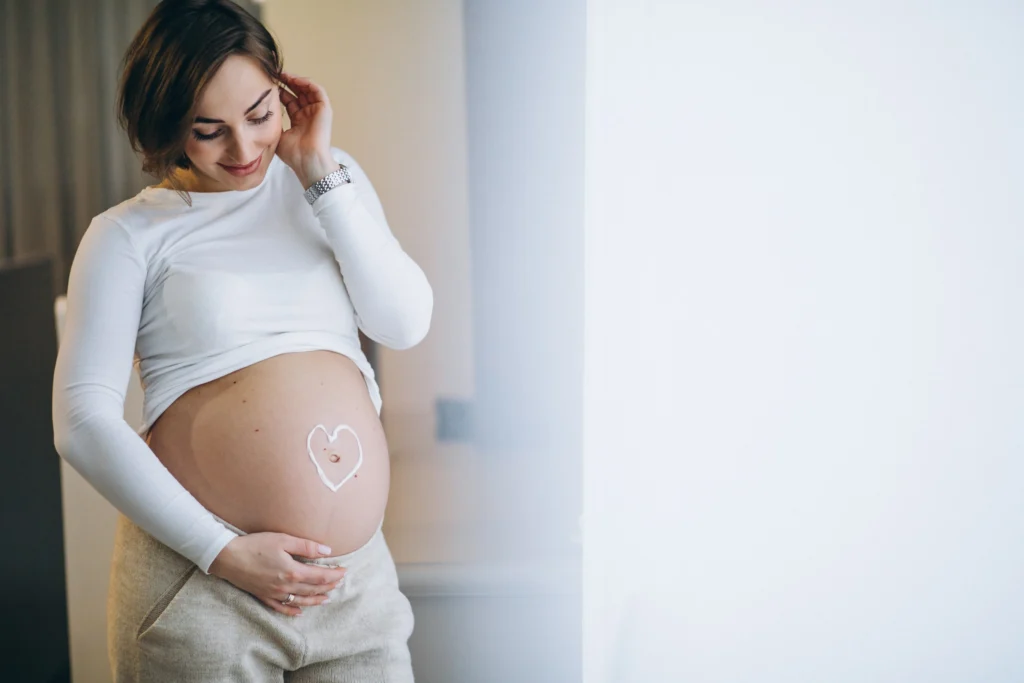
Yes. The timing of your trip is often just as important as the journey itself.
Every trimester presents different challenges,
which is why healthcare professionals often individualize travel advice rather than applying one recommendation to everyone.
First Trimester
During the first trimester, many women are physically capable of flying.
However, this is also the period when symptoms such as :
- nausea,
- vomiting,
- fatigue,
- food aversions, and
- dizziness
tend to be most noticeable.
Long airport queues, delayed flights, unfamiliar foods, and disrupted sleep schedules may make these symptoms feel more intense.
If you’re travelling during this stage of pregnancy, planning ahead becomes especially important.
Keeping light snacks, drinking fluids regularly, and allowing extra time between connections can make the experience much more comfortable.
Second Trimester
For many women, the second trimester is often the most comfortable time to travel.
Morning sickness usually improves, energy levels begin to return, and the abdomen is generally not yet large enough to significantly restrict movement.
Many couples also choose this stage for a babymoon because travelling tends to be easier than in early or late pregnancy.
Nevertheless, comfort measures such as walking regularly during long flights and staying well hydrated remain important.
Third Trimester
As pregnancy progresses, sitting for several hours becomes increasingly uncomfortable.
The growing uterus places additional pressure on the lower back, hips, pelvis, bladder, and blood vessels.
Swelling in the feet and ankles may become more noticeable, and moving around the cabin can feel more challenging.
Many airlines also introduce restrictions during the later weeks of pregnancy, often requesting a medical certificate confirming that travel is considered safe.
These policies vary between airlines, making it important to check requirements before booking rather than shortly before departure.
What Actually Happens to Your Body During a Flight?
Understanding how your body responds to flying helps explain why some women feel perfectly comfortable while others arrive feeling tired, swollen, or stiff.
Sitting for long periods slows circulation
One of the biggest challenges during air travel is prolonged sitting.
Remaining in the same position for several hours reduces muscle activity in the legs.
Because the calf muscles normally help pump blood back towards the heart, sitting still for long periods allows blood to pool more easily in the lower limbs.
Pregnancy already increases the tendency for swelling because hormonal changes encourage fluid retention.
Adding prolonged sitting can make feet and ankles feel noticeably heavier by the end of the journey.
Dry cabin air increases fluid loss
Aircraft cabins have relatively low humidity compared with most indoor environments.
Although you may not notice it immediately, this dry air increases fluid loss through breathing, making regular hydration particularly important during pregnancy.
Even mild dehydration can contribute to headaches, tiredness, constipation, and reduced overall comfort.
Fatigue can become more noticeable
Travelling often involves early departures, security checks, long walks through airports, waiting at boarding gates, and changes in routine.
Combined with pregnancy-related fatigue, these factors may leave you feeling more exhausted than expected, even after a relatively short flight.
Building extra time into your travel schedule and avoiding unnecessary rushing can significantly improve the experience.
A Physiotherapist’s Perspective: Preparing Your Body Before You Fly
Most travel advice focuses on passports, tickets, and packing lists.
As physiotherapists, we also encourage expecting mothers to prepare their body for the journey itself.
Simple habits before leaving home can improve comfort during the flight.
Wear comfortable clothing
Choose loose-fitting clothing that allows unrestricted movement and avoids unnecessary pressure around the waist.
Comfortable footwear is equally important, particularly if your itinerary involves long walks through the airport.
Avoid sitting for prolonged periods before boarding
Many passengers spend hours sitting at the airport before their flight even begins.
Instead, use this time to walk around the terminal every so often, stretch gently, and change positions regularly.
Beginning the flight after already sitting for several hours may increase stiffness and swelling.
Eat a light meal before travelling
Travelling on a completely empty stomach may worsen nausea, while eating an unusually large meal can leave you feeling uncomfortable.
Aim for a balanced, light meal that provides steady energy without making you feel overly full.
Organize your essentials
Keep drinking water, healthy snacks, medications, travel documents, and maternity records within easy reach.
Repeated bending, twisting, or lifting heavy bags during the flight may increase physical discomfort, particularly as pregnancy progresses.
These simple preparations may seem small individually, but together they can make air travel feel much less tiring and considerably more comfortable.
When Should You Avoid Air Travel During Pregnancy?
Although flying is generally safe for many women with uncomplicated pregnancies, there are situations where postponing your trip is the safer option.
Your obstetrician or maternity care provider may advise against flying if you have certain pregnancy complications or medical conditions that require close monitoring.
Some examples include:
- Heavy vaginal bleeding
- Preterm labour or signs of early labour
- Premature rupture of membranes (water breaking)
- Severe pre-eclampsia or uncontrolled high blood pressure
- Placenta previa with ongoing bleeding
- Significant cervical shortening or cervical insufficiency
- Poorly controlled diabetes or other serious medical conditions
- Multiple pregnancy with complications
If your healthcare provider recommends avoiding air travel, it is important to follow their advice even if you feel well.
Some pregnancy complications can worsen unexpectedly, and medical care may not be readily available during a flight.
According to the CDC Yellow Book,
pregnant travelers should have their travel plans reviewed individually, especially if they have underlying medical conditions or pregnancy complications (Romeo et al. 2026)
How Can You Stay Comfortable During a Flight?
Long flights can feel physically demanding, particularly as your pregnancy progresses.
Fortunately, a few simple habits can significantly improve your comfort.
Stay hydrated throughout your journey
Instead of drinking a large amount of water at once, take small sips regularly during the flight.
Limit drinks that may contribute to dehydration, such as excessive caffeinated beverages, and choose water whenever possible.
Hydration supports circulation, reduces fatigue, and may also help minimise constipation during travel.
Move regularly
Remaining seated for several hours is uncomfortable for anyone, but pregnancy makes prolonged sitting even more challenging.
Whenever it is safe to do so:
- Walk along the aisle every hour or two.
- Gently bend and straighten your ankles while seated.
- Rotate your feet in slow circles.
- Stretch your calves without forcing the movement.
These simple exercises encourage circulation and help reduce stiffness.
Wear your seat belt correctly
Some pregnant women avoid wearing a seat belt because they worry it could harm the baby.
In reality, wearing it correctly is much safer than not wearing one.
The lap belt should sit low across the hips and below the growing abdomen, while the shoulder strap should pass comfortably between the breasts and across the side of the abdomen.
Keeping your seat belt fastened whenever you are seated helps protect both you and your baby during unexpected turbulence.
Dress for comfort
Cabin temperatures can change throughout the flight.
Wear lightweight layers that can be added or removed easily.
Loose-fitting clothing and supportive footwear are generally more comfortable than tight waistbands or high heels.
A Physiotherapist’s Perspective: Protecting Your Back During the Flight
As pregnancy progresses, changes in posture and body weight place additional strain on the lower back.
Long periods of sitting may increase discomfort because the spine remains in one position for an extended time.
A few simple adjustments can help.
Support your lower back
If the aircraft seat does not provide adequate lumbar support, place a small rolled-up jacket or travel pillow behind your lower back.
This may help maintain a more comfortable sitting posture throughout the journey.
Change your sitting position regularly
Avoid remaining completely still.
Shift your weight gently from side to side, straighten your legs occasionally, and change your sitting position every 20 to 30 minutes.
Small adjustments reduce stiffness far more effectively than waiting until discomfort becomes severe.
Avoid lifting heavy luggage
Many women try to place cabin bags into overhead compartments without assistance.
As pregnancy progresses, twisting while lifting increases the strain on the lower back and abdominal muscles.
Whenever possible, ask a travelling companion or a member of the cabin crew for assistance.
Protecting your back is far more important than lifting your own bag.
Should You Wear Compression Stockings?
Compression stockings are commonly recommended for some pregnant travellers, particularly during long flights.
They work by applying gentle pressure to the legs, encouraging blood to flow back towards the heart and helping reduce swelling.
They may be particularly beneficial if:
- Your flight lasts several hours.
- You already experience swollen feet or ankles.
- Your healthcare provider has identified an increased risk of blood clots.
Compression stockings should fit correctly to provide the intended support.
If you are unsure whether they are appropriate for you, discuss this with your healthcare provider before travelling.
A review published in the Journal of Travel Medicine highlights that :
maintaining hydration, moving regularly, and using graduated compression stockings when indicated are among the strategies that may reduce travel-related venous problems during long-distance flights (Antony et al. 2017).
What About Cabin Pressure and Oxygen Levels?
Many expecting parents worry that lower oxygen levels inside an aircraft could affect their baby.
Fortunately, commercial aircraft are pressurized to maintain an environment that healthy passengers can generally tolerate.
For women with uncomplicated pregnancies, there is currently no convincing evidence that occasional commercial air travel causes harm to the developing baby because of cabin pressure alone.
Women with significant heart disease, severe lung disease, or other medical conditions affecting oxygen levels should receive individual medical advice before travelling.
Can Airport Security Scanners Harm Your Baby?
This is another common concern.
Modern airport security systems used for passenger screening are considered safe for pregnant travelers when used as intended.
If you have questions about the screening process or require additional assistance, airport security staff can explain the available options.
This topic is discussed in greater detail in our article “Can Airport Security Scanners Harm Your Baby?”
Simple Checklist Before Your Flight
Before heading to the airport, take a few minutes to prepare.
✔ Speak with your healthcare provider if you have any pregnancy complications.
✔ Check your airline’s pregnancy policy.
✔ Carry your maternity records.
✔ Pack any prescribed medications in your cabin baggage.
✔ Wear comfortable clothing and supportive shoes.
✔ Keep healthy snacks and drinking water within easy reach.
✔ Plan regular movement during longer flights.
✔ Allow extra time at the airport to avoid unnecessary stress.
A little preparation often makes the difference between a tiring journey and a comfortable one.
Myth vs Fact
| Myth | Fact |
|---|---|
| Flying is unsafe throughout pregnancy. | Most healthy pregnancies can safely tolerate commercial flights with appropriate precautions. |
| Airport security scanners harm the baby. | Modern airport security systems are considered safe for pregnant travellers. |
| Seat belts should not be worn during pregnancy. | Seat belts should always be worn correctly, positioned below the abdomen. |
| You should stay seated for the entire flight. | Walking regularly and performing simple leg movements helps improve circulation during longer flights. |
Signs You Should Seek Medical Care After Flying
Although most journeys are uneventful, seek medical attention promptly if you experience:
- Vaginal bleeding.
- Persistent abdominal pain.
- Regular contractions.
- Leakage of fluid.
- Severe shortness of breath.
- Chest pain.
- One-sided leg swelling with pain or redness.
- Reduced fetal movements later in pregnancy.
These symptoms are not necessarily caused by flying, but they should always be assessed promptly.
Final Thoughts
For most women with a healthy pregnancy, flying can be a safe and enjoyable experience with the right preparation. Planning ahead, staying hydrated, moving regularly during the flight, and listening to your body’s signals can significantly improve your comfort. If you have any concerns or pregnancy-related complications, speak with your healthcare provider before travelling so you can make informed decisions and enjoy a safer journey.
Conclusion
For most women with a healthy, uncomplicated pregnancy, air travel can be a safe and enjoyable experience with the right preparation.
Rather than focusing on fear, focus on planning.
Choosing the right stage of pregnancy to travel, staying hydrated, moving regularly, wearing your seat belt correctly, and listening to your body’s signals;
can make a significant difference to your comfort.
From a physiotherapist’s perspective, simple movement strategies, posture adjustments, and activity pacing can help reduce stiffness, swelling, and back discomfort during the journey.
These practical measures support your comfort without adding unnecessary complexity to your travel plans.
Most importantly, every pregnancy is unique.
If you have any concerns about flying, discuss your travel plans with your obstetrician or maternity care provider before booking your trip.
A personalized assessment is always more valuable than relying on general advice alone (World Health Organization 2025).
Frequently Asked Questions
Find quick answers to some of the most common questions about flying during pregnancy.
1. Is it safe to fly during pregnancy?
Yes. Most women with uncomplicated pregnancies can safely travel by commercial aircraft after discussing their travel plans with their healthcare provider.
2. Which trimester is safest for flying?
The second trimester is often considered the most comfortable period because morning sickness usually improves and the abdomen is not yet causing significant physical limitations.
3. Can cabin pressure harm my baby?
Commercial aircraft are pressurised, and occasional flights have not been shown to harm healthy pregnancies because of cabin pressure alone.
4. Should I wear compression stockings during long flights?
Some pregnant travellers may benefit from graduated compression stockings, particularly during longer flights or if they have an increased risk of leg swelling or blood clots. Speak with your healthcare provider before using them.
5. Can I walk around during the flight?
Yes. Walking when it is safe to do so and performing gentle ankle movements while seated can help improve circulation and reduce stiffness.
6. When should I avoid flying during pregnancy?
Your healthcare provider may advise against flying if you have complications such as severe pre-eclampsia, heavy bleeding, preterm labour, ruptured membranes, or other conditions requiring close medical supervision.
Stay tuned with us for more health related topics.
Follow us on LinkedIn and Instagram for more.
More Read


Medical Disclaimer!
This article has been reviewed and written under the guidance of our Head Physiotherapist, Dr. Kruti Raj (PT, MUHS,CPT,CMPT). The information shared is intended for educational purposes only and should not be considered a substitute for personalized medical advice, diagnosis, or treatment.
Please consult us or any other qualified healthcare professional before beginning any exercise program, especially if you are experiencing pain, recovering from injury, or managing a medical condition.


