


Pregnancy triggers remarkable skeletal changes.
This helps the body adapt to a growing baby, shifting center of gravity, and the demands of childbirth.
When most women think about pregnancy changes, they think about hormones, weight gain, cravings, or morning sickness.
Very few think about their skeleton.
Yet throughout pregnancy, your skeletal system quietly undergoes some of the most remarkable adaptations in the human body.
Your pelvis prepares for birth.
Your rib cage expands.
Your posture changes.
Your feet may even become larger.
Quick Answer
During pregnancy, your skeleton adapts in remarkable ways. The pelvis becomes more flexible, the spine adjusts to shifting weight, the rib cage expands, and even the feet can change shape. These changes help support your growing baby and prepare your body for childbirth.
As a physiotherapist, I often hear pregnant women say things like:
“Why does my posture look different?”
“Did my hips actually get wider?”
“Why do my ribs suddenly hurt?”
“Will my body ever go back to normal?”
The truth is that your skeleton is not simply carrying extra weight.
It is actively adapting to support your growing baby, maintain balance, protect vital organs, and prepare for childbirth.
Understanding these changes can help you feel more confident and less worried when your body starts feeling unfamiliar.
Key Takeaways
- Your skeleton actively adapts throughout pregnancy.
- The pelvis becomes more flexible in preparation for childbirth.
- The spine changes to maintain balance as the baby grows.
- The rib cage expands to support breathing.
- Foot structure and walking mechanics may change.
- Most skeletal adaptations are normal and beneficial.
- Many changes improve after childbirth.
- Regular movement and strength training support healthy adaptation.
Your Skeleton Is Constantly Adapting During Pregnancy
Many people imagine the skeleton as a rigid structure that never changes.
In reality, bone is living tissue.
Throughout life, bone continuously remodels itself through a process involving bone formation and bone breakdown.
Pregnancy creates additional demands on this system.
Your body must:
- Support a growing fetus
- Supply calcium for fetal development
- Adjust posture and balance
- Prepare the pelvis for childbirth
- Adapt to increasing body weight
Remarkably, the female body is designed to manage these demands efficiently.
Most skeletal adaptations occur gradually, which is why many women do not notice them immediately.
Does Pregnancy Actually Change Your Bones?
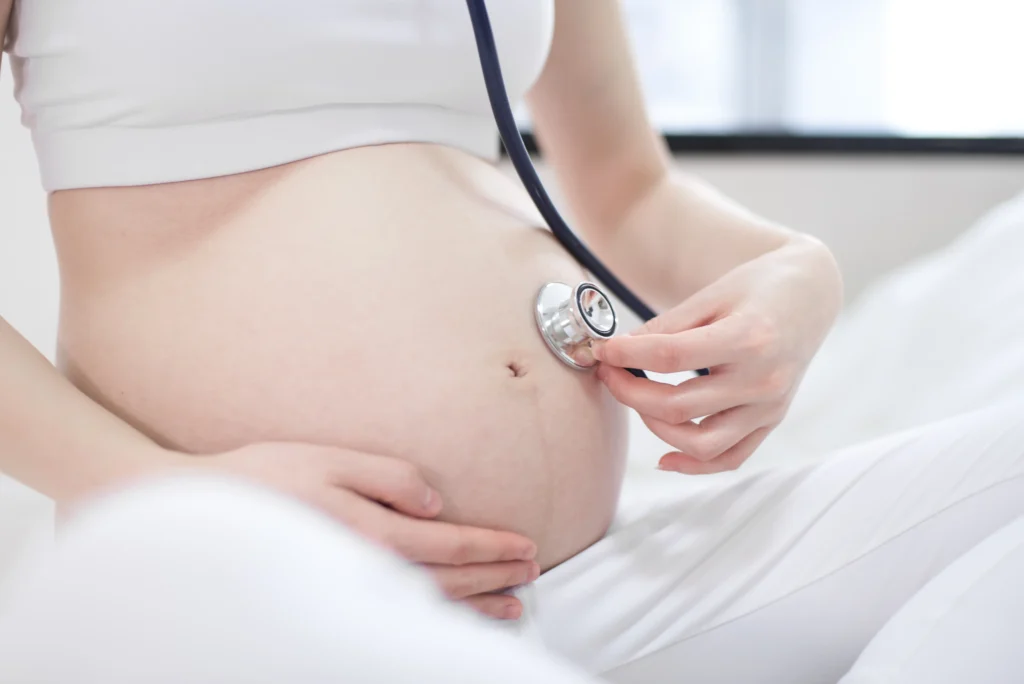
This is one of the most common questions I receive.
The answer is yes, but probably not in the way you imagine.
Pregnancy does not cause bones to suddenly become weak or fragile in healthy women.
Instead, the body adjusts how it manages minerals, particularly calcium, to meet the baby’s developmental needs.
The Surprising Role of Calcium
By birth, a baby contains approximately 25 to 30 grams of calcium, most of which is transferred during the third trimester.
This often leads women to wonder:
“Is my baby taking calcium from my bones?”
The answer is partly yes, but the process is much more sophisticated than many people realize.
During pregnancy, calcium absorption from the intestines increases significantly.
This helps provide the baby with the minerals needed for skeletal development without heavily depleting maternal bone stores.
The body essentially becomes more efficient at obtaining calcium from food.
This is one reason why adequate nutrition remains so important throughout pregnancy.
Fascinating Fact
By the time a baby is born, approximately 25 to 30 grams of calcium have been transferred from the mother to support fetal skeletal development. Fortunately, the body becomes more efficient at absorbing calcium during pregnancy to help meet this demand.
The Body Has Built-In Protection Mechanisms
One of the most fascinating facts about pregnancy is how well the body protects maternal bone health.
Hormonal changes help regulate calcium balance and bone remodeling.
In healthy pregnancies, these mechanisms usually prevent significant long-term bone loss.
Research suggests that temporary changes in bone mineral density may occur during pregnancy and breastfeeding, but recovery often occurs after weaning. (Ann wt al. 2000)
This means that most women do not need to fear that pregnancy will permanently damage their bones.
Myth vs Reality
Myth: Pregnancy permanently weakens your bones.
Reality: Healthy pregnancies are supported by sophisticated hormonal mechanisms that help protect maternal bone health and restore bone density after pregnancy and breastfeeding.
Why Your Pelvis Starts Preparing for Birth
If there is one skeletal region that undergoes dramatic adaptation during pregnancy, it is the pelvis.
The pelvis serves several critical functions:
- Supports the spine
- Transfers force between the upper and lower body
- Protects pelvic organs
- Provides a pathway for childbirth
As pregnancy progresses, the pelvis gradually becomes more adaptable.
Your Pelvic Joints Become More Flexible
Many women are surprised to learn that the pelvis is not one solid bone.
It consists of several joints that normally move very little.
During pregnancy, hormones such as relaxin contribute to increased flexibility within these joints.
The goal is simple.
The body is preparing for labor and delivery.
This increased mobility can help create more space during childbirth. (Aldabe et al. 2012)
However, increased mobility can sometimes create new challenges.
Why Some Women Experience Pelvic Girdle Pain
For some women, greater joint mobility leads to discomfort.
Pelvic girdle pain may be felt:
- Around the pubic bone
- Near the sacroiliac joints
- In the buttocks
- Along the groin region
Activities that commonly trigger symptoms include:
- Walking
- Climbing stairs
- Turning in bed
- Standing on one leg
According to research, pelvic girdle pain is one of the most common musculoskeletal complaints during pregnancy. (Vleeming et al. 2008)
As a physiotherapist, I often explain that pelvic pain does not necessarily mean damage is occurring.
In many cases, it reflects altered load transfer and changing joint mechanics.
Physiotherapist Insight
Pelvic girdle pain does not necessarily mean damage is occurring. In many cases, it reflects changes in load transfer, joint mobility, muscle coordination, and movement patterns during pregnancy.
Why Your Hips May Feel Wider
Many women feel that their hips have become wider during pregnancy.
Interestingly, this sensation is not entirely imagined.
Several factors contribute:
Changes in Pelvic Alignment
As the pelvis adapts, women may become more aware of the width and positioning of the pelvic region.
Soft Tissue Changes
Pregnancy-related changes in muscles, ligaments, and connective tissues can influence how the hips feel and move.
Changes in Movement Patterns
Walking mechanics often change throughout pregnancy.
Many women naturally adopt a wider stance to improve stability.
This can create the impression that the hips themselves have dramatically widened.
In reality, the sensation usually results from a combination of skeletal adaptations and movement changes.
Did You Know?
Many women feel their hips have widened during pregnancy. In reality, the sensation often comes from a combination of pelvic adaptations, posture changes, altered gait patterns, and increased awareness of the pelvic region.
Why Your Spine Changes During Pregnancy
Your spine faces a unique challenge during pregnancy.
Its job is to keep you balanced while accommodating a growing baby positioned in front of your body’s center of gravity.
To achieve this, the spine gradually adapts.
The Growing Belly Shifts Your Center of Gravity
As the uterus expands, body weight moves forward.
Without compensation, this forward shift would make standing difficult.
The body responds by adjusting spinal alignment.
Many women develop increased lumbar lordosis, which refers to an exaggerated inward curve of the lower back.
Research has documented postural adaptations and spinal changes throughout pregnancy as the body attempts to maintain balance and stability. (Yoseph et al. 2025)
This adaptation is normal.
However, it can place additional stress on muscles and joints.
Why Lower Back Pain Becomes So Common
Lower back pain affects a large proportion of pregnant women.
Several skeletal and biomechanical factors contribute:
- Increased lumbar curvature
- Altered muscle activation
- Pelvic adaptations
- Weight gain
- Changes in load distribution
From a physiotherapy perspective, back pain during pregnancy is rarely caused by a single structure.
Instead, it usually reflects a combination of changing mechanics throughout the entire kinetic chain.
This is why posture, strength, mobility, and movement habits all play important roles in managing symptoms.
Your Skeleton Is Smarter Than You Think
One of the most fascinating aspects of pregnancy is that these changes occur automatically.
You do not consciously tell your pelvis to adapt.
You do not instruct your spine to change alignment.
You do not decide to absorb more calcium.
Your body coordinates all of these adjustments behind the scenes.
Most women spend months focused on the growing baby while an equally impressive transformation is taking place within their own skeletal system.
And in many ways, that transformation is just beginning.
What Happens to Your Rib Cage During Pregnancy?
Most women expect their abdomen to expand during pregnancy.
Few realize that the rib cage expands too.
As the uterus grows upward, the body must create additional space for the developing baby while still allowing the lungs to function efficiently.
To accommodate this, the lower ribs gradually move outward.
Researchers have observed measurable changes in rib cage dimensions during pregnancy, helping maintain respiratory function despite the growing uterus. (Chidinma el al. 2025)
Many women notice:
- A broader feeling around the rib cage
- Tightness under the bra line
- Rib soreness
- Increased pressure beneath the breasts
Some even need larger bra band sizes despite little change in breast size.
Rib Cage Surprise
Many women are surprised to learn that the rib cage can expand during pregnancy. This adaptation helps maintain breathing efficiency as the uterus grows and pushes upward beneath the diaphragm.
Why Rib Pain Happens
As the rib cage expands, surrounding muscles, connective tissues, and joints must adapt.
Several factors may contribute to rib discomfort:
- Postural changes
- Expansion of the rib cage
- Increased abdominal pressure
- Baby’s position during later pregnancy
As a physiotherapist, I often find that rib discomfort becomes worse after prolonged sitting, poor posture, or extended periods without movement.
Gentle thoracic mobility exercises and breathing exercises can often help reduce symptoms.
Why Your Feet May Get Bigger
One of the most surprising skeletal changes during pregnancy occurs far away from the baby.
Your feet.
Many women discover after pregnancy that their shoe size has increased permanently.
This is not simply swelling.
Research suggests pregnancy can alter foot structure and arch height. (Segal et al. 2013)
Why Does This Happen?
Several factors contribute:
- Increased body weight
- Ligament laxity
- Changes in walking mechanics
- Altered load distribution
Over time, the arch of the foot may flatten slightly.
This can increase foot length and affect shoe fit.
Why Foot Changes Matter
Your feet form the foundation of your movement system.
Even small changes can influence:
- Knees
- Hips
- Pelvis
- Lower back
This is one reason supportive footwear becomes increasingly important during pregnancy.
Foot Fact
Some women permanently increase their shoe size after pregnancy due to changes in arch height and ligament flexibility. This is one of the most common long-term musculoskeletal changes associated with pregnancy.
Why Your Walking Style Changes
Many pregnant women notice they walk differently.
Family members may even point it out before the woman notices it herself.
This change is often called the “pregnancy gait.”
Researchers have documented changes in walking patterns during pregnancy as women adapt to altered body dimensions and balance requirements. (Li et al. 2024)
Common adaptations include:
- Wider stance
- Shorter steps
- Reduced walking speed
- Increased side-to-side movement
These changes are not flaws.
They are protective strategies that help maintain stability.
Your body is constantly adjusting movement patterns to keep you upright and safe.
Why Your Posture Changes
Posture changes are among the most visible skeletal adaptations during pregnancy.
As the baby grows, the body’s center of gravity shifts forward.
To maintain balance, the body makes several adjustments.
The Lower Back Curve Often Increases
The lumbar spine typically develops a more pronounced inward curve.
This helps counterbalance the weight of the growing abdomen.
The Upper Back May Round More
Many women develop increased thoracic rounding as breast size increases and posture adapts.
The Head May Drift Forward
Neck posture frequently changes to compensate for alterations lower in the body.
These adaptations occur gradually.
Because they happen slowly, many women do not notice them until they compare photographs taken before and during pregnancy.
Signs Your Skeleton Is Adapting Normally
- Mild posture changes
- Feeling slightly wider through the pelvis
- Occasional rib discomfort
- Changes in walking style
- Foot swelling or mild arch changes
- Temporary lower back discomfort
Can Pregnancy Make You Shorter?
This question surprises many people.
Technically, pregnancy does not shrink your bones.
However, temporary reductions in height can occur because of:
- Spinal compression
- Postural changes
- Altered spinal curvature
Some women feel shorter because of the way their posture changes throughout pregnancy.
In most cases, this resolves after childbirth and recovery.
Are Skeletal Changes Permanent?
This is often one of the biggest concerns for first-time mothers.
The answer is both yes and no.
Changes That Often Improve After Pregnancy
Many adaptations gradually improve after childbirth, including:
- Increased lumbar curvature
- Rib cage expansion
- Certain postural changes
- Pregnancy-related joint discomfort
Changes That May Persist
Some women experience longer-lasting changes such as:
- Increased foot size
- Altered foot arch height
- Subtle pelvic adaptations
- Persistent posture habits
The degree of change varies significantly between individuals.
Most women recover remarkably well, particularly when they remain physically active and address movement issues early.
Why Strength Matters More Than Perfect Posture
Many pregnant women become obsessed with posture.
They constantly worry about:
- Standing correctly
- Sitting perfectly
- Walking differently
While posture matters, strength often matters more.
Strong muscles help support changing skeletal structures.
This includes:
- Gluteal muscles
- Core muscles
- Pelvic floor muscles
- Upper back muscles
As a physiotherapist, I frequently remind women that the goal is not perfect posture.
The goal is a body that can adapt efficiently.
Movement variability is normal.
The body was designed to move, not remain frozen in one “perfect” position.
When Skeletal Pain Needs Medical Attention
Most musculoskeletal discomfort during pregnancy is harmless.
However, some symptoms require medical evaluation.
Severe Pelvic Pain
Especially if walking becomes extremely difficult.
Sudden Inability to Bear Weight
Any sudden loss of function should be assessed immediately.
Persistent Numbness or Weakness
Neurological symptoms should never be ignored.
Severe Back Pain With Other Symptoms
Especially when accompanied by fever, bleeding, or neurological changes.
Unusual Swelling or Trauma
Any injury during pregnancy warrants appropriate medical evaluation.
Seek Medical Advice If You Experience:
- Severe pelvic pain affecting walking
- Sudden inability to bear weight
- Persistent numbness or weakness
- Back pain with fever or bleeding
- Trauma or falls during pregnancy
- Rapidly worsening pain
Physiotherapist’s Advice
One of the biggest misconceptions about pregnancy is that the skeleton passively carries a growing baby.
The reality is much more impressive.
Your skeleton actively adapts every single day.
Your pelvis becomes more flexible.
Your spine changes alignment.
Your rib cage expands.
Your feet adjust to new loading patterns.
Your posture evolves to maintain balance.
Instead of viewing these changes as problems, it can be helpful to view them as evidence of the body’s extraordinary ability to adapt.
The goal during pregnancy is not to prevent every change.
The goal is to support these changes through:
- Regular movement
- Strength training
- Good nutrition
- Adequate calcium intake
- Proper recovery
- Professional guidance when needed
Expert Tip
Your skeleton is not becoming fragile during pregnancy. It is becoming adaptable. Staying active, maintaining strength, eating a nutrient-rich diet, and addressing discomfort early can help your body navigate these changes more comfortably.
Key Takeaways
- Pregnancy causes significant adaptations throughout the skeletal system.
- Bones remain active, living tissues throughout pregnancy.
- The body increases calcium absorption to support fetal development.
- Pelvic joints become more flexible in preparation for childbirth.
- The spine adapts to shifting weight and balance demands.
- The rib cage expands to help maintain breathing function.
- Foot size and arch structure may change during pregnancy.
- Walking mechanics often adapt to improve stability.
- Many skeletal changes improve after childbirth.
- Staying active helps support healthy musculoskeletal adaptation.
Final Thoughts
Pregnancy is one of the most remarkable examples of human adaptation.
While much attention is placed on the developing baby, the mother’s skeleton is undergoing an equally fascinating transformation.
Bones, joints, posture, and movement patterns all work together to support pregnancy and prepare for childbirth.
As a physiotherapist, I often encourage women to appreciate these changes rather than fear them.
Your skeleton is not falling apart.
It is reorganizing itself to accomplish something extraordinary.
Understanding these adaptations can make the physical changes of pregnancy feel far less mysterious and much easier to manage with confidence.
Frequently Asked Questions
Does pregnancy actually change your bones?
Yes. Pregnancy influences bone metabolism and calcium regulation. While bones remain strong in healthy pregnancies, the body adapts how it uses and absorbs calcium to support fetal skeletal development.
Does the baby take calcium from the mother’s bones?
The baby requires calcium for bone development, but the mother’s body becomes more efficient at absorbing calcium from food during pregnancy, helping protect bone health.
Why do my hips feel wider during pregnancy?
Hormonal changes, pelvic adaptations, altered walking patterns, and soft tissue changes can make the hips feel wider as pregnancy progresses.
Does the pelvis really change during pregnancy?
Yes. The pelvic joints become more flexible under the influence of pregnancy hormones, helping prepare the body for childbirth.
Why do my ribs hurt during pregnancy?
The rib cage expands as the uterus grows and breathing mechanics change. This expansion, combined with postural adaptations, can contribute to rib discomfort.
Can pregnancy make my feet bigger?
Yes. Changes in ligament flexibility, weight distribution, and foot arch structure may increase foot length and shoe size during or after pregnancy.
Are skeletal changes during pregnancy permanent?
Many changes improve after childbirth, including posture adaptations and rib cage expansion. However, some women may experience longer-lasting changes in foot size or movement patterns.
How can I support my skeletal health during pregnancy?
Regular exercise, strength training, adequate calcium intake, proper footwear, and physiotherapy-guided movement can help support healthy skeletal adaptations during pregnancy.
Stay tuned with us for more health related topics.
Follow us on LinkedIn and Instagram for more.
More Read


Medical Disclaimer!
This article has been reviewed and written under the guidance of our Head Physiotherapist, Dr. Kruti Raj (PT, MUHS,CPT,CMPT). The information shared is intended for educational purposes only and should not be considered a substitute for personalized medical advice, diagnosis, or treatment.
Please consult us or any other qualified healthcare professional before beginning any exercise program, especially if you are experiencing pain, recovering from injury, or managing a medical condition.
SEO Meta Title
What Happens to Your Skeleton During Pregnancy? A Physiotherapist Explains the Surprising Changes
SEO Meta Description
Discover what happens to your skeleton during pregnancy, including changes in the pelvis, spine, rib cage, feet, posture, and bone health. Learn the science behind pregnancy-related skeletal adaptations from a physiotherapist’s perspective.
SEO URL Slug
what-happens-to-your-skeleton-during-pregnancyFocus Keyword
skeleton during pregnancyPrimary Keywords
skeleton during pregnancy
pregnancy bone changes
pregnancy skeleton changes
pelvis during pregnancy
spine changes during pregnancy
pregnancy posture changes
rib cage changes pregnancy
pregnancy bone health
pregnancy skeletal system
pregnancy anatomy changes
Secondary Keywords
pelvic girdle pain pregnancy
does pregnancy change your bones
pregnancy foot size increase
pregnancy rib pain
pregnancy calcium needs
pregnancy posture
pregnancy gait changes
pregnancy pelvic changes
bone density pregnancy
physiotherapy during pregnancy
High-Volume Long-Tail Keywords
what happens to your bones during pregnancy
does pregnancy change your skeleton
why do hips widen during pregnancy
why do feet get bigger during pregnancy
pregnancy spine changes explained
rib cage expansion during pregnancy
does pregnancy affect bone density
pelvic changes during pregnancy
why posture changes during pregnancy
pregnancy skeletal adaptations
10 SEO Meta Title Ideas
1. What Happens to Your Skeleton During Pregnancy?
2. Pregnancy and Your Skeleton: Changes Every Mom Should Know
3. How Pregnancy Changes Your Bones, Spine, and Pelvis
4. The Surprising Skeletal Changes That Happen During Pregnancy
5. Why Your Body Structure Changes During Pregnancy
6. A Physiotherapist Explains Pregnancy Skeleton Changes
7. What Pregnancy Really Does to Your Bones and Joints
8. Why Your Hips, Spine, and Feet Change During Pregnancy
9. Pregnancy Anatomy Explained: The Skeleton's Role
10. Understanding Skeletal Adaptations During Pregnancy


