


Wondering, “Why I missed my period?”
While pregnancy is a common reason, many other factors can also delay or stop your menstrual cycle.
Missing a period can be worrying, especially if your menstrual cycle is usually regular.
While many women immediately think of pregnancy, it is only one of several possible reasons why a period may be delayed or absent.
Hormonal changes, lifestyle factors, medical conditions, and certain medications can all affect the normal menstrual cycle.
An occasional missed period may not always indicate a serious health problem.
Factors such as emotional stress, illness, travel, rapid weight loss, excessive exercise, or temporary hormonal fluctuations can delay ovulation and cause a missed period.
However, if your periods stop for several months, occur very infrequently, or are accompanied by symptoms such as:
pelvic pain, abnormal hair growth, nipple discharge, or unexplained weight changes, it is important to seek medical evaluation.
Quick Answer
Missed periods, also known as amenorrhea, occur when a menstrual period does not happen as expected. Pregnancy is the most common cause, but stress, polycystic ovary syndrome (PCOS), thyroid disorders, excessive exercise, significant weight changes, hormonal imbalances, and certain medications can also lead to missed periods. If you miss three or more consecutive periods without being pregnant, it is important to seek medical evaluation.
Amenorrhea affects women of different ages for different reasons.
Adolescents may experience delayed onset of menstruation,
women of reproductive age may develop secondary amenorrhea due to hormonal disorders, and women approaching menopause may notice changes in their menstrual pattern as hormone levels naturally decline.
As a physiotherapist,
I often work with women whose missed periods are associated with pelvic pain, lower back pain, reduced physical activity, or conditions such as PCOS and endometriosis.
While physiotherapy does not directly restore menstrual cycles,
it can help manage associated musculoskeletal symptoms, improve physical function, reduce pain, and support overall health alongside medical treatment.
Understanding why a period is missed is the first step toward identifying whether it is a temporary change or a sign of an underlying condition that requires attention.
Key Takeaways
- Pregnancy is the most common cause of missed periods, but many other medical and lifestyle factors can also be responsible.
- PCOS, thyroid disorders, stress, excessive exercise, premature ovarian insufficiency, and significant weight changes are common causes of amenorrhea.
- Missing three or more consecutive periods should always be assessed by a healthcare professional.
- Diagnosis may involve pregnancy testing, blood tests, hormone evaluation, and pelvic ultrasound.
- Treatment depends on the underlying cause and may include lifestyle changes, hormonal therapy, or treatment of medical conditions.
- Women’s health physiotherapy can help manage associated pelvic pain, improve movement, and support overall physical well-being alongside medical care.
Evidence: The American College of Obstetricians and Gynecologists (ACOG) recognizes the menstrual cycle as an important indicator of overall health. Persistent absence of menstruation should be evaluated to identify potential endocrine, reproductive, or systemic conditions.
What Are Missed Periods (Amenorrhea)?
Amenorrhea is the medical term used to describe the absence of menstrual periods.
There are two main types:
Primary Amenorrhea
Primary amenorrhea occurs when a girl has not had her first menstrual period by the age of 15,
despite normal growth and the development of secondary sexual characteristics, or within three years of breast development.
It may result from:
- Genetic conditions
- Congenital abnormalities of the reproductive tract
- Hormonal disorders
- Pituitary gland disorders
- Ovarian disorders
Primary amenorrhea is uncommon but requires thorough medical evaluation.
Secondary Amenorrhea
Secondary amenorrhea occurs when a woman who previously had regular menstrual cycles stops having periods for three consecutive months or longer, or for six months if her cycles were previously irregular.
Secondary amenorrhea is far more common than primary amenorrhea.
Common causes include:
- Pregnancy
- Polycystic ovary syndrome (PCOS)
- Thyroid disorders
- Stress
- Excessive exercise
- Rapid weight loss
- Premature ovarian insufficiency
- Certain medications
What Is a Normal Menstrual Cycle?
A normal menstrual cycle begins on the first day of one period and ends on the first day of the next.
For most adult women:
- Cycle length ranges from 21 to 35 days.
- Menstrual bleeding usually lasts 2 to 7 days.
- Ovulation generally occurs once during each cycle.
- The timing of periods remains relatively consistent from month to month.
Missing an occasional period can happen, but repeated absence of menstruation should always be investigated.
Common Causes of Missed Periods
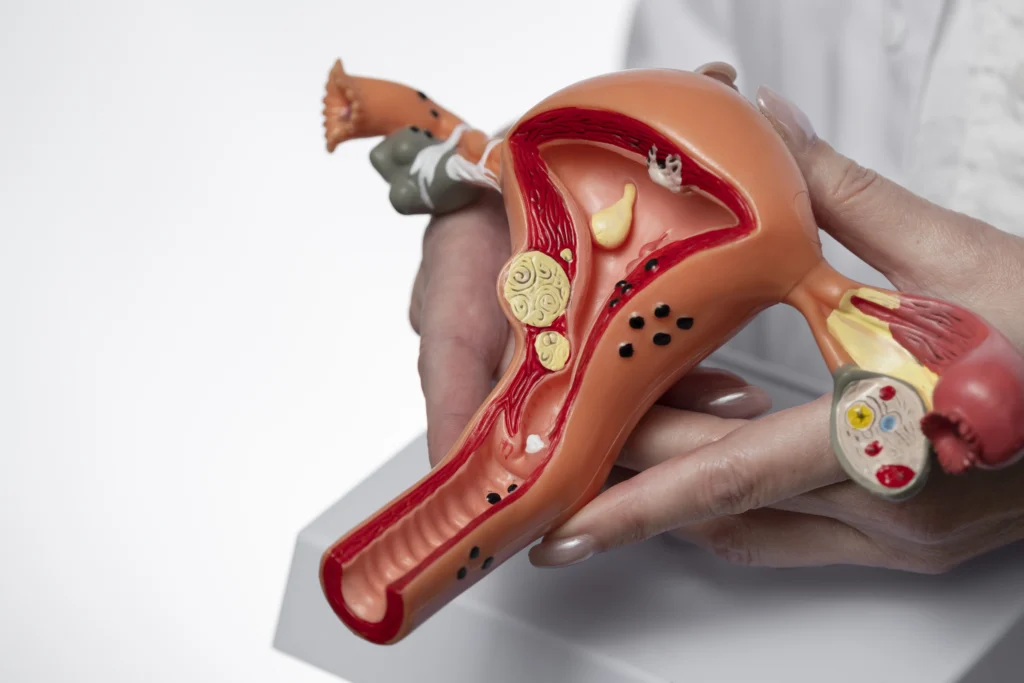
Several factors can interfere with the hormonal signals that regulate ovulation and menstruation.
Pregnancy
Pregnancy is the most common cause of missed periods in women of reproductive age.
If you have missed a period and are sexually active, taking a home pregnancy test is usually the first recommended step.
Polycystic Ovary Syndrome (PCOS)
PCOS is one of the leading causes of secondary amenorrhea.
Women with PCOS may also experience:
- Irregular periods
- Acne
- Excess facial or body hair
- Weight gain
- Difficulty becoming pregnant
Stress
Emotional or physical stress can temporarily suppress the hypothalamus, the part of the brain responsible for regulating reproductive hormones.
Examples include:
- Emotional distress
- Major illness
- Surgery
- Significant life changes
Excessive Exercise
High-intensity athletic training combined with insufficient calorie intake can reduce estrogen production and disrupt ovulation.
This is commonly seen in endurance athletes, dancers, and gymnasts.
Rapid Weight Changes
Being significantly underweight or experiencing rapid weight loss can reduce hormone production and stop menstruation.
Obesity may also contribute to hormonal imbalance and missed periods.
Thyroid Disorders
Both hypothyroidism and hyperthyroidism can interfere with normal menstrual function.
Additional symptoms may include:
- Fatigue
- Weight changes
- Hair loss
- Temperature intolerance
- Changes in heart rate
Premature Ovarian Insufficiency (POI)
Premature ovarian insufficiency occurs when ovarian function declines before the age of 40.
Women may experience:
- Missed periods
- Hot flashes
- Night sweats
- Vaginal dryness
- Reduced fertility
Certain Medications
Some medications may interfere with menstrual cycles, including:
- Hormonal contraceptives
- Antipsychotic medications
- Chemotherapy drugs
- Certain antidepressants
- Long-term corticosteroids
Evidence: Secondary amenorrhea has multiple potential causes, including pregnancy, hypothalamic dysfunction, endocrine disorders, ovarian disorders, and systemic illnesses. A detailed clinical evaluation is essential to identify the underlying cause. (Merck Manual Professional Edition)
Normal Menstrual Cycle vs Missed Periods
| Feature | Normal Menstrual Cycle | Missed Periods (Amenorrhea) |
|---|---|---|
| Cycle Length | 21–35 days | No period for 3 months or longer (secondary amenorrhea) |
| Menstrual Bleeding | Present each cycle | Absent |
| Ovulation | Usually occurs monthly | May not occur regularly or at all |
| Hormonal Function | Normal | May be disrupted |
| Common Causes | Normal reproductive function | Pregnancy, PCOS, thyroid disorders, stress, excessive exercise, weight changes, POI |
| Medical Review | Usually unnecessary | Recommended if persistent or unexplained |
10 Warning Signs of Missed Periods You Should Never Ignore
Missing one menstrual period is not always a cause for concern.
However, repeatedly missing periods or experiencing additional symptoms may indicate an underlying medical condition that requires evaluation.
Recognizing these warning signs early can help prevent complications and ensure timely treatment.
1. You Have Missed Three or More Consecutive Periods
If you have previously had regular menstrual cycles and suddenly stop menstruating for three consecutive months (or six months if your periods were already irregular),
you should consult a healthcare provider.
2. You Are Not Pregnant but Continue Missing Periods
While pregnancy is the most common cause of missed periods,
repeatedly missing periods despite negative pregnancy tests may indicate hormonal or endocrine disorders that require further investigation.
3. You Experience Severe Pelvic Pain
Missed periods accompanied by severe pelvic or abdominal pain may indicate conditions such as:
- Endometriosis
- Ovarian cysts
- Ectopic pregnancy
- Pelvic inflammatory disease
Severe or worsening pain should never be ignored.
4. You Notice Milky Nipple Discharge
Unexpected breast milk production (galactorrhea) without pregnancy or breastfeeding may be associated with elevated prolactin levels or pituitary gland disorders.
5. You Develop Excess Facial or Body Hair
Missed periods together with excessive hair growth, acne, or scalp hair thinning may suggest polycystic ovary syndrome (PCOS) or other hormonal disorders.
6. You Experience Sudden Weight Changes
Rapid weight loss or significant weight gain can interfere with hormone production and prevent normal ovulation.
Unexplained weight changes should always be medically evaluated.
7. You Have Hot Flashes Before the Age of 40
Hot flashes, night sweats, vaginal dryness, and missed periods occurring before the age of 40 may indicate premature ovarian insufficiency (POI).
8. You Experience Frequent Headaches or Vision Changes
Missed periods combined with persistent headaches or visual disturbances may indicate a pituitary gland disorder, particularly if accompanied by nipple discharge.
9. You Are Having Difficulty Becoming Pregnant
Missing periods often indicates irregular or absent ovulation, which can reduce fertility.
Women planning pregnancy should seek medical advice if menstrual cycles remain absent or highly irregular.
10. Missed Periods Affect Your Overall Health
Persistent amenorrhea can increase the risk of:
- Reduced bone density
- Infertility
- Hormonal imbalance
- Emotional distress
- Metabolic complications
Early diagnosis and treatment can help reduce these risks.
Evidence: The International Federation of Gynecology and Obstetrics (FIGO) emphasizes that persistent menstrual abnormalities, including amenorrhea, should be systematically evaluated to identify endocrine, reproductive, or structural causes and guide appropriate management. (Munro et al. 2022)
Medical Conditions That Can Cause Missed Periods
Missing periods is often a symptom rather than a disease itself.
Several medical conditions can disrupt the hormonal pathways responsible for normal menstruation.
Polycystic Ovary Syndrome (PCOS)
PCOS is one of the leading causes of secondary amenorrhea.
Common symptoms include:
- Missed or irregular periods
- Acne
- Excess facial or body hair
- Weight gain
- Insulin resistance
- Difficulty conceiving
Thyroid Disorders
An overactive or underactive thyroid gland can interfere with reproductive hormones and prevent regular ovulation.
Women may also experience:
- Fatigue
- Hair loss
- Weight changes
- Cold or heat intolerance
- Mood changes
Hyperprolactinemia
Excess production of the hormone prolactin can suppress ovulation and lead to missed periods.
Symptoms may include:
- Milky nipple discharge
- Headaches
- Vision disturbances
- Reduced fertility
Premature Ovarian Insufficiency (POI)
Premature ovarian insufficiency occurs when ovarian function declines before the age of 40.
Women may experience:
- Missed periods
- Hot flashes
- Night sweats
- Vaginal dryness
- Difficulty becoming pregnant
Eating Disorders
Conditions such as anorexia nervosa and bulimia can significantly reduce body fat and disrupt hormone production, resulting in amenorrhea.
Pituitary Disorders
The pituitary gland produces hormones that regulate ovarian function.
Tumors or other pituitary disorders may interfere with hormone production and stop menstrual cycles.
Who Is at Higher Risk of Missing Periods?
Certain women are more likely to experience amenorrhea than others.
Risk factors include:
- Polycystic ovary syndrome
- Thyroid disorders
- Excessive exercise
- Eating disorders
- Chronic stress
- Significant weight loss
- Obesity
- Premature ovarian insufficiency
- Pituitary disorders
- Family history of endocrine disease
- Certain medications
Having one or more risk factors does not necessarily mean you will develop amenorrhea, but it does increase the likelihood.
When Should You See a Doctor?
Arrange a medical appointment if you:
- Miss three or more consecutive periods.
- Have a negative pregnancy test but continue missing periods.
- Experience severe pelvic pain.
- Notice nipple discharge unrelated to breastfeeding.
- Develop excessive facial or body hair.
- Experience hot flashes before the age of 40.
- Have frequent headaches or vision changes.
- Are trying to conceive without success.
- Experience unexplained weight changes.
- Notice any sudden or persistent changes in your menstrual cycle.
Prompt evaluation can help identify the underlying cause and prevent long-term complications such as infertility, osteoporosis, and hormonal disorders.
Evidence: Clinical guidelines recommend evaluating secondary amenorrhea to identify reversible causes, endocrine disorders, reproductive conditions, and systemic diseases. Early diagnosis supports better reproductive, metabolic, and long-term health outcomes. (BMJ Best Practice)
Myth vs Fact
| Myth | Fact |
|---|---|
| A missed period always means you are pregnant. | Pregnancy is the most common cause, but hormonal disorders, stress, thyroid disease, PCOS, and other conditions can also cause missed periods. |
| Missing periods occasionally is always harmless. | While an occasional missed period may not be serious, persistent absence of periods should always be medically evaluated. |
| Women with missed periods cannot become pregnant. | Ovulation can still occur unexpectedly, so pregnancy remains possible depending on the underlying cause. |
| Exercise is always good for menstrual health. | Excessive exercise combined with low calorie intake can suppress ovulation and lead to amenorrhea. |
How Are Missed Periods Diagnosed?
Diagnosing missed periods involves identifying the underlying cause rather than simply treating the absence of menstruation.
Since amenorrhea can result from pregnancy, hormonal disorders, lifestyle factors, endocrine conditions, or structural abnormalities, your healthcare provider will perform a comprehensive evaluation.
Medical History
Your doctor will ask questions about:
- Your age when menstruation first started.
- The date of your last menstrual period.
- Whether your periods were previously regular.
- Sexual activity and contraceptive use.
- Possibility of pregnancy.
- Recent stress or major life events.
- Exercise habits.
- Recent weight gain or weight loss.
- Current medications.
- Family history of menstrual disorders.
- Symptoms such as pelvic pain, nipple discharge, acne, or excessive hair growth.
Keeping a menstrual diary or using a period-tracking app can help identify patterns and support diagnosis.
Physical Examination
A physical examination may include:
- Height, weight, and body mass index (BMI).
- Blood pressure measurement.
- Thyroid examination.
- Breast examination.
- Assessment for acne or excessive hair growth.
- Pelvic examination, when appropriate.
These findings can provide important clues to hormonal or reproductive disorders.
Laboratory Tests
Common investigations include:
- Pregnancy test
- Complete blood count (CBC)
- Thyroid function tests
- Follicle-stimulating hormone (FSH)
- Luteinizing hormone (LH)
- Estrogen levels
- Progesterone levels
- Prolactin levels
- Testosterone and other androgen levels
- Blood glucose and insulin tests if PCOS is suspected
Imaging Studies
Your healthcare provider may recommend:
- Pelvic ultrasound
- Transvaginal ultrasound
- MRI of the pituitary gland (if indicated)
These tests help identify ovarian cysts, uterine abnormalities, pituitary tumors, or other structural causes.
Additional Diagnostic Procedures
Depending on the suspected cause, additional investigations may include:
- Genetic testing
- Endometrial biopsy
- Bone mineral density testing (for prolonged amenorrhea)
- Hysteroscopy in selected cases
Early diagnosis helps prevent complications and allows treatment to begin promptly.
Evidence: Evaluation of amenorrhea should include pregnancy testing, hormonal assessment, targeted laboratory investigations, and imaging studies based on the patient’s clinical presentation. (American Academy of Family Physicians (AAFP))
Treatment Options for Missed Periods
Treatment depends on the underlying cause and your individual health needs.
Lifestyle Changes
Healthy lifestyle modifications often help restore normal menstrual cycles.
These include:
- Maintaining a healthy body weight.
- Eating a balanced diet.
- Reducing excessive exercise.
- Managing stress.
- Sleeping seven to nine hours each night.
- Avoiding smoking and excessive alcohol consumption.
Hormonal Therapy
Your doctor may recommend hormonal treatment, including:
- Combined oral contraceptive pills.
- Progesterone therapy.
- Estrogen replacement therapy (when indicated).
These treatments help regulate hormone levels and restore menstrual cycles in selected patients.
Treating Underlying Medical Conditions
Specific treatment may include:
- Managing PCOS.
- Treating thyroid disorders.
- Treating hyperprolactinemia.
- Managing premature ovarian insufficiency.
- Addressing eating disorders with multidisciplinary care.
Fertility Treatment
Women planning pregnancy may require ovulation induction or referral to a fertility specialist depending on the underlying diagnosis.
Can Physiotherapy Help?
Physiotherapy cannot directly restart menstrual periods,
but it plays an important supportive role in managing symptoms associated with amenorrhea and the conditions that contribute to it.
As a physiotherapist, treatment focuses on improving physical function, reducing pain, and promoting overall health.
Pelvic Floor Rehabilitation
Women with pelvic pain, endometriosis, or chronic muscle tension may benefit from:
- Pelvic floor muscle assessment.
- Relaxation techniques.
- Muscle coordination exercises.
- Pain management strategies.
Therapeutic Exercise
An individualized exercise programme may include:
- Low-impact aerobic exercise.
- Core strengthening.
- Hip and pelvic stability exercises.
- Flexibility training.
- Functional movement exercises.
For women with exercise-related amenorrhea, training intensity should be reviewed to ensure adequate energy availability.
Pain Management
Physiotherapy may include:
- Stretching exercises.
- Manual therapy.
- Heat therapy.
- Breathing exercises.
- Postural correction.
- Relaxation techniques.
Education and Self-Management
Women benefit from learning how lifestyle, stress, nutrition, and physical activity influence menstrual health.
Education encourages early recognition of abnormal symptoms and timely medical care.
Lifestyle and Dietary Tips
Simple lifestyle measures can support hormonal balance and overall reproductive health.
- Eat a balanced diet rich in whole grains, fruits, vegetables, lean protein, and healthy fats.
- Ensure adequate calcium and vitamin D intake for bone health.
- Include iron-rich period foods if previous menstrual bleeding was heavy.
- Avoid excessive dieting or restrictive eating patterns.
- Exercise regularly but avoid overtraining.
- Maintain a healthy body weight.
- Sleep adequately every night.
- Practice stress-reduction techniques such as mindfulness or yoga.
- Stay hydrated.
- Attend regular health check-ups.
Can Missed Periods Be Prevented?
Not every case of amenorrhea can be prevented, but certain healthy habits may reduce the risk.
These include:
- Maintaining a healthy weight.
- Following a nutritious diet.
- Exercising in moderation.
- Managing stress effectively.
- Seeking treatment for thyroid disorders or PCOS.
- Avoiding extreme calorie restriction.
- Consulting your healthcare provider if periods suddenly stop.
Lesser-Known Facts About Missed Periods
Many women are unaware of these important facts:
- Pregnancy is the most common cause of missed periods, but it is far from the only cause.
- Chronic stress can temporarily suppress ovulation without causing permanent reproductive problems.
- Long-term absence of periods can reduce bone mineral density because of low estrogen levels.
- Athletes with low energy availability are at higher risk of exercise-related amenorrhea.
- PCOS remains one of the leading causes of secondary amenorrhea worldwide.
- Many causes of amenorrhea are treatable when diagnosed early.
Expert Tips from a Women’s Health Physiotherapist
- Track your menstrual cycle every month.
- Never ignore three consecutive missed periods.
- Maintain a healthy balance between exercise and nutrition.
- Prioritize sleep and stress management.
- Seek medical advice early if additional symptoms develop.
- Continue prescribed medical treatment while maintaining an active lifestyle.
- Don’t self-diagnose, persistent amenorrhea requires professional evaluation.
Final Thoughts
Missing a period can be unsettling, but it does not always indicate pregnancy. Persistent missed periods may be a sign of hormonal imbalances, PCOS, thyroid disorders, or other underlying health conditions that deserve medical attention. Seeking timely evaluation can help identify the cause, prevent long-term complications, and improve reproductive health. Along with appropriate medical care, maintaining a balanced lifestyle and addressing associated symptoms through women’s health physiotherapy can support overall well-being and quality of life.
Conclusion
Missed periods, or amenorrhea, can occur for many different reasons, ranging from pregnancy and temporary lifestyle changes to hormonal disorders and underlying medical conditions.
While an occasional missed period may not be a cause for concern, persistent absence of menstruation should always be evaluated to identify the underlying cause and prevent long-term complications.
Early diagnosis allows healthcare providers to develop an individualized treatment plan based on the underlying condition.
Whether amenorrhea is related to PCOS, thyroid disorders, stress, excessive exercise, premature ovarian insufficiency, or another medical condition,
timely treatment can improve reproductive health, protect bone health, and enhance overall well-being.
From a women’s health physiotherapy perspective, managing associated pelvic pain, improving movement, promoting healthy exercise habits, and supporting overall physical function are valuable components of comprehensive care.
Combining medical treatment with healthy lifestyle choices gives many women the best opportunity to restore their health and improve their quality of life.
Evidence: Lifestyle interventions, including balanced nutrition, healthy body weight, and appropriate physical activity, play an important role in managing many conditions associated with amenorrhea and improving overall reproductive health. (Dobranowska et al. 2024)
Frequently Asked Questions
What is amenorrhea?
Amenorrhea is the medical term for the absence of menstrual periods. It may be primary (periods never begin) or secondary (periods stop after previously being regular).
What is the most common cause of missed periods?
Pregnancy is the most common cause. Other causes include PCOS, thyroid disorders, stress, excessive exercise, significant weight changes, and hormonal imbalances.
Can stress cause missed periods?
Yes. Emotional or physical stress can temporarily disrupt the hormones that regulate ovulation, resulting in delayed or missed periods.
When should I see a doctor for missed periods?
You should consult a healthcare provider if you miss three or more consecutive periods, have severe pelvic pain, nipple discharge, hot flashes before age 40, or other concerning symptoms.
Can missed periods affect fertility?
Yes. Missed periods often indicate irregular or absent ovulation, which may reduce fertility. Early diagnosis and treatment can improve reproductive outcomes.
Stay tuned with us for more health related topics.
Follow us on LinkedIn and Instagram for more.
More Read


Medical Disclaimer!
This article has been reviewed and written under the guidance of our Head Physiotherapist, Dr. Kruti Raj (PT, MUHS,CPT,CMPT). The information shared is intended for educational purposes only and should not be considered a substitute for personalized medical advice, diagnosis, or treatment.
Please consult us or any other qualified healthcare professional before beginning any exercise program, especially if you are experiencing pain, recovering from injury, or managing a medical condition.


