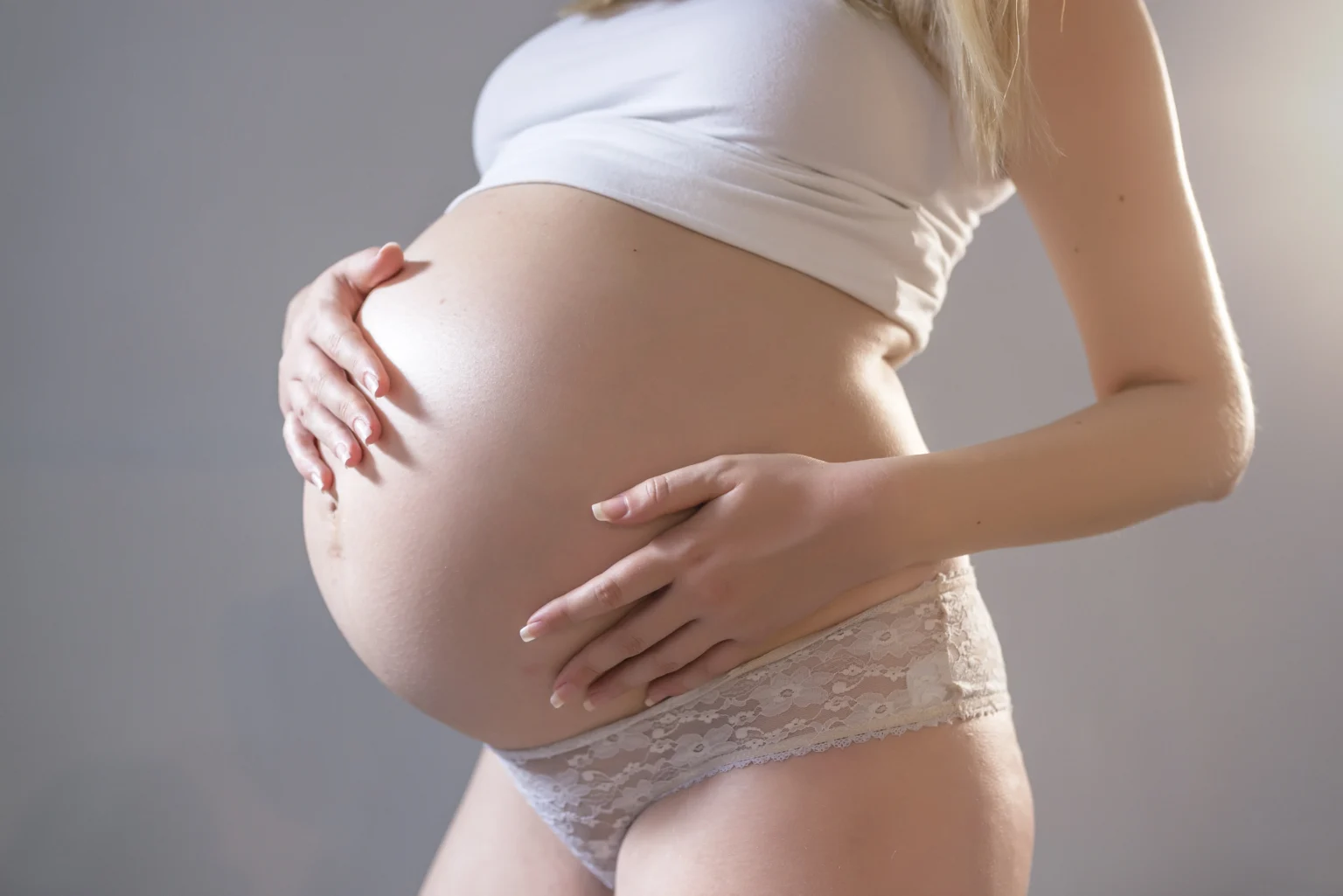

How pregnancy changes the body is a remarkable process involving hormones, organs, muscles, and every system adapting to support your growing baby.
Pregnancy is often described as the growth of a baby.
In reality, it is also the transformation of an entire human body.
Within a matter of months,
- your brain changes,
- your heart works harder,
- your lungs adapt,
- your kidneys become more efficient,
- your muscles adjust,
- your joints become more mobile,
- and your feet may even change size.
In fact, nearly every organ and body system participates in pregnancy.
Some of these changes are obvious.
Others happen quietly behind the scenes.
Quick Answer
Pregnancy is a whole-body transformation. From your brain to your feet, nearly every organ, muscle, joint, and body system adapts to support your growing baby. Hormones, increased blood volume, changing posture, and the development of the placenta work together to prepare your body for pregnancy, childbirth, and motherhood.
As a women’s health physiotherapist,
I often tell expectant mothers that pregnancy is not simply about a growing belly.
It is a full-body adaptation designed to create the safest possible environment for a developing baby.
Understanding these pregnancy changes can make unfamiliar symptoms feel less frightening and help you appreciate the remarkable work your body performs every day.
Let’s take a journey from head to toe.
Key Takeaways
- Pregnancy affects nearly every organ and body system.
- The brain undergoes measurable structural and functional adaptations.
- The heart pumps significantly more blood to support mother and baby.
- The lungs change their breathing mechanics to meet increased oxygen demands.
- Digestion naturally slows, contributing to heartburn and constipation.
- The kidneys work harder and frequent urination becomes common.
- The uterus grows from the size of a pear to accommodate the baby, placenta, and amniotic fluid.
- Pregnancy hormones influence muscles, joints, ligaments, and flexibility.
- The pelvic floor and spine adapt to increasing physical demands.
- Pregnancy is a coordinated head-to-toe transformation designed to support new life.
Your Body Starts Changing Earlier Than You Think
Many women think pregnancy begins when the baby bump appears.
Biologically, it starts much earlier.
Within the first few weeks:
- Hormone levels rise rapidly.
- Blood volume begins increasing.
- Metabolism changes.
- The cardiovascular system starts adapting.
- The brain receives powerful hormonal signals.
Many early pregnancy symptoms are actually the result of these hidden changes.
The body starts preparing for the months ahead long before anyone else can see that you are pregnant.
What Happens To Your Brain
One of the most surprising discoveries in recent years is that pregnancy changes the brain itself. (Hoekzema et al. 2017)
The Brain Adapts For Motherhood
Researchers have identified changes in brain regions involved in:
- Emotional processing
- Social awareness
- Maternal behavior
- Decision-making
Why You May Feel More Forgetful
Many women experience:
- Mental fog
- Forgetfulness
- Reduced concentration
Sleep disruption, hormones, stress, and increased mental workload all contribute.
Emotional Changes
Pregnancy may also increase emotional sensitivity.
Many women notice they:
- Cry more easily
- Feel more protective
- React more strongly to emotional situations
These adaptations may help prepare the brain for caregiving.
Changes In Your Eyes, Nose And Mouth
Pregnancy can affect areas many women never expect.
Your Eyes
Fluid changes may temporarily alter vision.
Some women notice:
- Mild blurred vision
- Dry eyes
- Contact lens discomfort
Your Nose
Increased blood flow can cause swelling inside the nasal passages.
This may lead to:
- Nasal congestion
- Frequent nosebleeds
- Feeling blocked despite not having a cold
Your Gums And Teeth
Hormonal changes can make gums more sensitive. (Cleveland Clinic)
Many women notice:
- Bleeding while brushing
- Swollen gums
- Increased gum tenderness
How Your Skin And Hair Adapt
The skin undergoes significant changes during pregnancy.
Increased Blood Flow
Greater circulation may create the well-known “pregnancy glow.”
Pigment Changes
Hormones may increase skin pigmentation.
This can lead to:
- Darkening around the nipples
- Facial pigmentation
- The linea nigra, a dark line that appears on the abdomen
Hair Changes
Many women notice thicker hair during pregnancy.
This happens because more hair remains in the growth phase.
After birth, temporary increased hair shedding is common.
Why Your Heart And Blood Vessels Work Harder
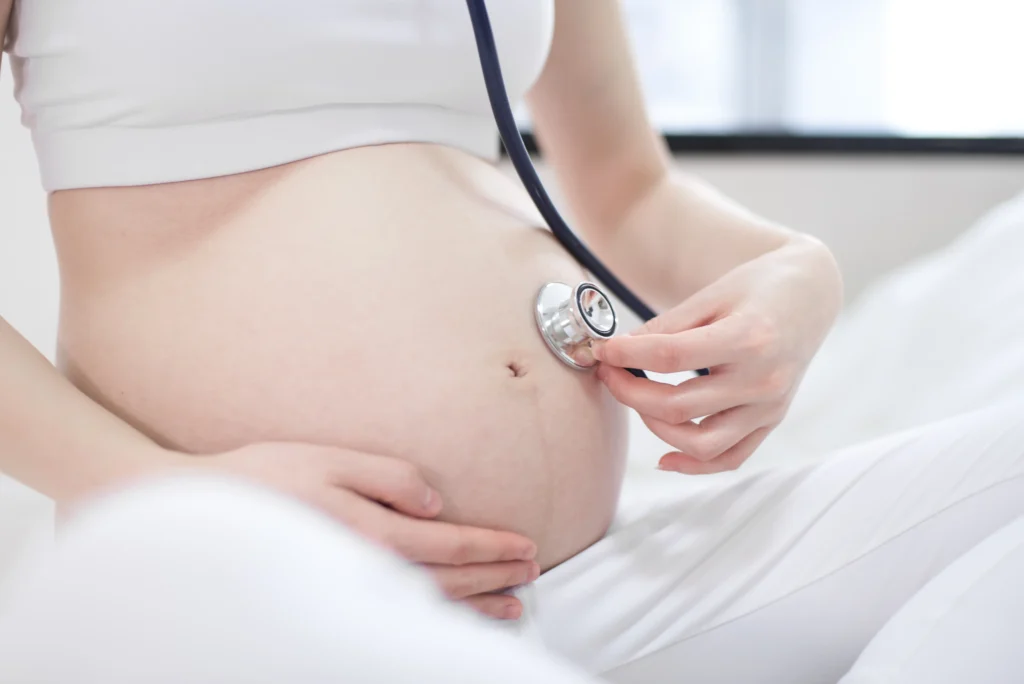
The cardiovascular system undergoes extraordinary adaptation. (NHLBI)
Blood Volume Increases
Maternal blood volume may increase by approximately 40% to 50%.
Heart Rate Rises
Many women experience a higher resting heart rate.
This helps circulate additional blood throughout the body.
Why This Matters
The extra blood supports:
- The baby
- The placenta
- The uterus
- Maternal organs
The heart is doing much more work than before pregnancy.
What Happens To Your Lungs
The lungs themselves do not become larger.
However, breathing mechanics change.
Oxygen Needs Increase
Both mother and baby require oxygen.
The body adapts to meet these demands.
The Growing Uterus Changes Breathing
As the uterus expands, it gradually pushes the diaphragm upward.
Many women notice:
- Shortness of breath
- Needing deeper breaths
- Becoming winded more easily
These changes are often normal.
Changes Inside Your Digestive System
Pregnancy hormones affect digestion from beginning to end.
Slower Digestion
Hormonal changes slow movement through the digestive tract.
This allows greater nutrient absorption.
However, it may also contribute to:
- Bloating
- Constipation
- Heartburn
Why Heartburn Happens
As the uterus grows, pressure increases inside the abdomen.
Combined with hormonal changes, this can encourage stomach acid to move upward.
How Your Kidneys And Bladder Adapt
The kidneys work harder throughout pregnancy.
Increased Filtration
The kidneys filter more blood than usual.
This helps remove waste products from both mother and baby.
Why You Urinate More Often
Frequent urination occurs because:
- Blood filtration increases
- Fluid volume increases
- The growing uterus places pressure on the bladder
This symptom may begin early and continue throughout pregnancy.
The Amazing Growth Of The Uterus
Few organs change as dramatically as the uterus.
One Of The Most Extraordinary Changes In The Human Body
Before pregnancy, the uterus is approximately the size of a pear.
By the end of pregnancy, it expands enough to hold a full-term baby, the placenta, and amniotic fluid.
The Placenta
Pregnancy also creates an entirely new organ.
The placenta:
- Delivers oxygen
- Transfers nutrients
- Removes waste products
- Produces hormones
Few biological events are as remarkable.
Did You Know?
Pregnancy creates an entirely new organ called the placenta. This temporary organ delivers oxygen and nutrients to the baby, removes waste products, and produces important hormones throughout pregnancy.
What Happens To Your Pelvic Floor
The pelvic floor is a group of muscles located at the base of the pelvis.
These Muscles Support
- The bladder
- The uterus
- The bowel
Pregnancy Changes Their Workload
As the baby grows, these muscles support increasing weight.
This may contribute to:
- Pelvic pressure
- Bladder leakage
- Feelings of heaviness
Why Pelvic Floor Health Matters
A healthy pelvic floor supports both pregnancy and postpartum recovery.
How Pregnancy Changes Your Spine And Posture
As a physiotherapist, this is one of the changes I discuss most often.
The Center Of Gravity Moves Forward
As the abdomen grows, posture naturally adapts.
Many women notice:
- Increased lower back arch
- Changes in pelvic position
- Different standing habits
The Body Is Trying To Stay Balanced
These changes are normal adaptations rather than signs of poor posture.
What Happens To Your Muscles And Joints
Pregnancy affects the entire musculoskeletal system.
Hormones Influence Connective Tissues
Relaxin and other hormones affect:
- Ligaments
- Tendons
- Joints
Flexibility May Change
Some women feel more mobile.
Others feel stiffer.
Many experience both.
Stability Matters
Muscles work harder to support joints that may become more mobile during pregnancy.
Why Your Feet May Change
One of the least expected changes involves the feet.
Swelling
Fluid retention commonly affects the feet and ankles, and may lead to swollen and painful feet and ankle
Changes In Foot Shape
Some women notice their feet become slightly larger during pregnancy.
This may be related to ligament changes and weight-bearing adaptations.
Balance Changes
As posture changes, balance strategies change too.
The feet play an important role in maintaining stability.
Blood Circulation Changes Throughout The Body
The circulatory system works continuously to support pregnancy.
More Blood Flow
Greater circulation helps nourish the baby.
Vein Changes
Some women develop:
- Varicose veins
- Swollen ankles
- Leg heaviness
Movement and regular activity can help support circulation.
A Physiotherapist’s Head-To-Toe Perspective
One of the biggest misconceptions about pregnancy is that individual symptoms occur separately.
In reality, the body works as one connected system.
The Brain Influences The Body
Stress and fatigue affect movement.
The Body Influences The Brain
Pain and poor sleep affect concentration.
Everything Is Connected
Breathing affects posture.
Posture affects movement.
Movement affects circulation.
Circulation supports the baby.
This whole-body perspective helps explain why pregnancy feels like such a profound transformation.
When Pregnancy Changes Need Medical Attention
Most pregnancy changes are normal.
However, medical evaluation is important if you experience:
- Severe headaches
- Chest pain
- Sudden swelling
- Significant bleeding
- Severe shortness of breath
- Reduced fetal movement
- Any symptom that feels unusual or concerning
Trust your instincts and seek professional advice when needed.
Physiotherapist’s Perspective
Pregnancy symptoms are rarely isolated. Changes in breathing can affect posture, posture can affect movement, movement can influence circulation, and circulation supports your baby. Looking at pregnancy as a whole-body adaptation helps women understand and manage these changes more confidently.
Final Thoughts
Pregnancy is one of the most extraordinary examples of human adaptation.
From your brain to your feet, your body is constantly adjusting, protecting, and preparing for the arrival of your baby.
Many of these changes can feel unfamiliar.
Some may even feel uncomfortable.
Yet most are signs that the body is doing exactly what it was designed to do.
As a physiotherapist,
I encourage women to see pregnancy not as a collection of isolated symptoms, but as a beautifully coordinated process involving every major body system.
Your heart is working harder.
Your lungs are adapting.
Your muscles are supporting new demands.
Your brain is preparing for motherhood.
Your pelvis is getting ready for birth.
Every day, your body is performing countless tasks that happen quietly in the background.
And together, those remarkable changes help create one of life’s greatest miracles.
Frequently Asked Questions About Pregnancy Body Changes
Does pregnancy affect the entire body?
Yes. Pregnancy influences nearly every organ, body system, muscle, joint, and hormone pathway to support fetal development and childbirth.
Does pregnancy change the brain?
Research has shown measurable changes in brain regions associated with emotions, social awareness, and maternal behavior during pregnancy.
Why does my heart work harder during pregnancy?
Blood volume increases significantly during pregnancy, requiring the heart to pump more blood to support both mother and baby.
Why do I become short of breath during pregnancy?
Pregnancy increases oxygen demands and changes breathing mechanics as the growing uterus pushes the diaphragm upward.
Can pregnancy affect my joints and muscles?
Yes. Hormonal changes influence connective tissues, while posture and body weight changes place new demands on muscles and joints.
Why do I need to urinate more often during pregnancy?
Increased blood filtration and pressure from the growing uterus on the bladder contribute to frequent urination.
Can my feet change during pregnancy?
Yes. Fluid retention and changes in ligaments and posture may cause the feet to swell or become slightly larger.
Are all these body changes normal?
Most pregnancy-related changes are normal adaptations that help support a healthy pregnancy, although concerning symptoms should always be discussed with a healthcare professional.
Stay tuned with us for more health related topics.
Follow us on LinkedIn and Instagram for more.
More Read




Medical Disclaimer!
This article has been reviewed and written under the guidance of our Head Physiotherapist, Dr. Kruti Raj (PT, MUHS,CPT,CMPT). The information shared is intended for educational purposes only and should not be considered a substitute for personalized medical advice, diagnosis, or treatment.
Please consult us or any other qualified healthcare professional before beginning any exercise program, especially if you are experiencing pain, recovering from injury, or managing a medical condition.