


Constipation during pregnancy is a common concern.
If you’re pregnant and struggling with constipation, you’re certainly not alone.
In fact, constipation is one of the most common digestive complaints during pregnancy.
Yet despite how frequently it occurs, many women are surprised by how uncomfortable it can become.
Some describe feeling bloated all day.
Others feel constantly full.
Some dread going to the bathroom because bowel movements have become difficult, painful, or frustratingly incomplete.
Relief from constipation during pregnancy often involves a combination of hydration, fiber-rich foods, regular movement, proper toilet positioning, and healthy bowel habits. Some women may also benefit from pelvic floor physiotherapy if tight pelvic floor muscles are contributing to difficulty emptying the bowels. Small, consistent lifestyle changes are usually more effective than relying on a single remedy.
As a physiotherapist,
I often meet pregnant women who have already tried drinking more water, eating more fruit, and increasing their fiber intake, yet they still feel stuck.
What many women don’t realize is that constipation during pregnancy is not always just a digestive issue.
Sometimes the pelvic floor plays a role too.
Sometimes breathing patterns contribute.
Sometimes the way you sit on the toilet matters.
And sometimes the problem is not a lack of effort but rather a combination of hormonal, mechanical, and muscular changes happening inside the body.
Understanding those factors can make constipation feel far less confusing and much more manageable.
Why Constipation Is So Common During Pregnancy
One of the first questions many women ask is:
“Why did this start after I became pregnant?”
The answer involves several changes occurring at the same time.
Pregnancy Hormones Slow Digestion
During pregnancy, the body produces higher levels of progesterone.
Progesterone helps support pregnancy, but it also relaxes smooth muscles throughout the body.
Unfortunately, the digestive tract is affected too.
When intestinal movement slows down, food and waste travel through the bowel more slowly.
The longer stool remains in the colon, the more water is absorbed.
This can lead to harder, drier stools that are more difficult to pass.
Research consistently identifies hormonal changes as one of the major contributors to pregnancy-related constipation. (Nader et al. 2024)
The Growing Uterus Creates Additional Pressure
As pregnancy progresses, the uterus gradually occupies more space within the abdomen.
This can alter the position of surrounding organs and influence bowel function.
While the baby is not directly “blocking” the bowel, the increasing pressure can affect comfort, digestion, and bowel habits.
Many women notice that constipation becomes more noticeable during the second and third trimesters.
Iron Supplements Can Contribute
Iron supplementation is commonly recommended during pregnancy.
While iron is important for maternal and fetal health, some women notice constipation shortly after beginning supplements.
If you suspect iron is contributing to your symptoms, speak with your healthcare provider before making any changes.
Different formulations may be available.
Iron supplementation is an important part of prenatal care for many women but may contribute to constipation in some cases. (Magan et al. 2012)
The Overlooked Pelvic Floor Connection
This is the part that many pregnancy constipation articles never discuss- The pelvic floor connection.
The pelvic floor plays an important role in bowel movements.
To empty your bowels comfortably, the pelvic floor must relax at the right time.
Most people think about pushing.
Very few think about relaxing.
Yet relaxation is often the more important part.
Imagine trying to open a door while simultaneously pushing it closed.
That is similar to what happens when pelvic floor muscles remain tense during a bowel movement.
The bowel may be trying to empty.
The muscles may be resisting.
This creates a frustrating situation where it feels like stool is present but difficult to pass.
For some women, increasing fiber alone does not solve the problem because the issue involves muscle coordination rather than stool consistency.
Why a Tight Pelvic Floor Can Make Constipation Worse
The pelvic floor is designed to support the bladder, bowel, and uterus.
It should contract when needed and relax when needed.
During pregnancy, these muscles often work harder than usual, resulting in tight pelvic floor.
For some women, they become overly active.
This can happen because of:
- Stress
- Pain
- Anxiety
- Previous pelvic floor dysfunction
- Habitual muscle clenching
- Protective muscle guarding
When pelvic floor muscles struggle to relax, bowel movements may become more difficult.
Women often describe:
- Straining
- A sensation of incomplete emptying
- Feeling blocked
- Repeated trips to the toilet
The bowel itself may not be the only issue.
The muscles involved in emptying may also require attention.
Signs Your Pelvic Floor May Be Contributing
Not every pregnant woman with constipation has pelvic floor dysfunction.
However, certain symptoms may suggest the pelvic floor deserves further investigation.
You Feel Like You Cannot Fully Empty
Many women describe:
“I know there is more there, but it won’t come out.”
This sensation can sometimes indicate difficulty coordinating the muscles involved in bowel emptying.
You Strain Frequently
Occasional straining happens.
Constant straining should not be considered normal.
Excessive straining places additional pressure on pelvic tissues and may contribute to other pelvic floor symptoms.
You Experience Pelvic Pressure
Some women notice heaviness or pressure during bowel movements.
This may be related to the interaction between bowel function and pelvic floor mechanics.
You Have Tailbone Pain
Tailbone discomfort sometimes accompanies pelvic floor tension.
Although not always connected, it can be a useful clue during assessment.
- Frequent straining during bowel movements
- A feeling of incomplete emptying
- Pelvic pressure or heaviness
- Tailbone discomfort
- Pelvic pain alongside constipation
- Difficulty relaxing during bowel movements
- Repeated trips to the toilet without relief
- Persistent constipation despite adequate fiber intake
Why Pushing Harder Is Often the Wrong Solution
One of the most common mistakes I see is aggressive straining.
When a bowel movement feels difficult, the natural reaction is to push harder.
Unfortunately, this strategy often backfires.
Excessive straining may:
- Increase pelvic floor tension
- Irritate sensitive tissues
- Increase pelvic pressure
- Contribute to hemorrhoids
- Create frustration and anxiety around bowel movements
Instead of focusing solely on force, it is often more helpful to improve the conditions that allow the bowel to empty naturally.
This includes hydration, positioning, breathing, movement, and pelvic floor relaxation.
Safe Ways to Relieve Constipation During Pregnancy
Most women are looking for practical solutions rather than complicated explanations.
Fortunately, several strategies are considered safe and effective during pregnancy.
The goal is not to try everything at once.
The goal is to identify the habits that work best for your body.
Stay Consistently Hydrated
Most people know hydration matters.
What many people do not realize is that consistency matters more than occasional large amounts.
Drinking several glasses at night does not compensate for inadequate hydration throughout the day.
Water helps soften stool and supports normal bowel function.
A simple strategy is to keep a water bottle nearby and drink regularly rather than waiting until you feel thirsty.
Increase Fiber Gradually
Fiber can be incredibly helpful.
However, adding large amounts suddenly may increase bloating and discomfort.
Focus on gradual increases through foods such as:
- Oats
- Fruits
- Vegetables
- Beans
- Lentils
- Whole grains
The combination of fiber and adequate hydration is usually more effective than either strategy alone.
- Drink water consistently throughout the day.
- Increase fiber intake gradually.
- Eat fruits, vegetables, and whole grains regularly.
- Walk daily when medically appropriate.
- Use a small footstool when using the toilet.
- Avoid delaying bowel movements.
- Practice gentle breathing rather than forceful straining.
- Discuss iron supplement alternatives with your healthcare provider if constipation becomes severe.
- Maintain regular meal times.
- Seek professional advice if symptoms persist.
The Lesser-Known Role of Breakfast
This is a tip I frequently share with patients.
The digestive system tends to become more active after waking.
Eating breakfast can stimulate a natural reflex known as the gastrocolic reflex.
This encourages bowel activity.
Many women are so busy in the morning that they skip breakfast or rush out the door.
Creating time for breakfast and allowing yourself a few relaxed minutes afterward may help establish a more regular bowel routine.
What I Often Hear in Clinic
Many pregnant women arrive convinced they are doing something wrong.
They tell me:
“I eat healthy.”
“I drink water.”
“I walk every day.”
Yet they still feel constipated.
The important thing to understand is that pregnancy changes the rules.
What worked before pregnancy may not work during pregnancy.
Your body is adapting to hormonal changes, physical changes, and increased demands.
Sometimes a strategy that worked perfectly before now requires adjustment.
This is not a personal failure.
It is simply part of how pregnancy affects the body.
Why Constipation Should Not Be Ignored
Many women assume constipation is simply an inconvenience.
Sometimes it is.
Other times it can affect quality of life more than expected.
Persistent constipation may contribute to:
- Bloating
- Abdominal discomfort
- Reduced appetite
- Pelvic pressure
- Hemorrhoids
- Increased straining
Addressing constipation early is often easier than waiting until symptoms become severe.
The good news is that most women can improve bowel function through a combination of lifestyle adjustments, movement, hydration, and improved pelvic floor awareness.
Understanding what is contributing to your constipation is often the first step toward finding lasting relief.
Best Foods for Pregnancy Constipation
Many articles provide a long list of foods that supposedly cure constipation.
In reality, there is no single food that works for everyone.
The goal is to create a combination of hydration, fiber, and consistent eating habits that support healthy bowel function.
Fruits That May Help
Certain fruits contain both fiber and water, making them useful for many pregnant women.
Examples include:
- Pears
- Apples
- Kiwifruit
- Oranges
- Berries
- Prunes
Prunes receive a lot of attention because they contain sorbitol, a naturally occurring sugar alcohol that may help stimulate bowel movements.
Vegetables Matter Too
Vegetables contribute fiber while also providing important nutrients during pregnancy.
Good options include:
- Broccoli
- Carrots
- Sweet potatoes
- Spinach
- Green beans
Variety is often more helpful than focusing on one specific vegetable.
Whole Grains and Legumes
Foods such as:
- Oats
- Brown rice
- Whole-grain bread
- Lentils
- Chickpeas
- Beans
can help increase daily fiber intake.
The key is introducing them gradually to avoid excessive bloating.
- Prunes and prune juice
- Kiwifruit
- Pears
- Apples with skin
- Berries
- Oats
- Lentils
- Chickpeas
- Sweet potatoes
- Whole-grain bread and cereals
How Movement Helps Your Bowels
One of the simplest and most overlooked constipation remedies is movement.
The bowel responds to movement.
When activity levels decrease, bowel function often slows as well.
This is one reason constipation sometimes worsens during periods of bed rest or reduced physical activity.
The good news is that intense exercise is not required.
Walking Is Often Enough
Walking encourages natural bowel movement by stimulating digestive activity.
For many pregnant women, regular walks are easier to maintain than structured exercise programs.
Even short walks after meals may help.
Regular physical activity is associated with improved bowel motility and may help reduce constipation symptoms. (Jiahe Cui et al. 2024)
Gentle Prenatal Exercise
Activities such as:
- Prenatal yoga
- Swimming
- Pregnancy-safe strength training
- Mobility exercises
can support overall health while also promoting bowel function.
Consistency matters more than intensity.
The Best Toilet Position for Easier Bowel Movements
This is one of the most practical tips in the entire article.
Many people try to push harder when they should be changing their position.
The body is designed to empty more efficiently when the hips are slightly flexed.
A small footstool under the feet can help create a more natural position.
Research suggests that a squatting-style position may facilitate easier bowel emptying by improving the anorectal angle. (Niloofar et al. 2025)
Why This Helps
Raising the knees slightly changes the angle between the rectum and anal canal.
This often allows stool to pass more easily.
Many women notice an immediate difference after making this simple adjustment.
It is inexpensive, safe, and easy to try.
Breathing Techniques That May Help
Most people never connect breathing with constipation.
However, breathing influences pressure within the abdomen and pelvis.
It also affects how the pelvic floor functions.
Avoid Holding Your Breath
When people strain, they often hold their breath.
This may increase pressure but does not always improve bowel emptying.
Instead, it can encourage excessive pelvic floor tension.
Try Gentle Exhalation
Many pelvic health physiotherapists teach women to gently exhale during bowel movements.
This may encourage relaxation rather than forceful straining.
The goal is not to push aggressively.
The goal is to allow the body to empty more naturally.
Relax the Jaw
This sounds unusual, but it can be surprisingly helpful.
Many women unconsciously clench their jaw when straining.
The jaw and pelvic floor often mirror each other in terms of tension.
A relaxed jaw may encourage a more relaxed pelvic floor.
Can Pelvic Floor Physiotherapy Help?
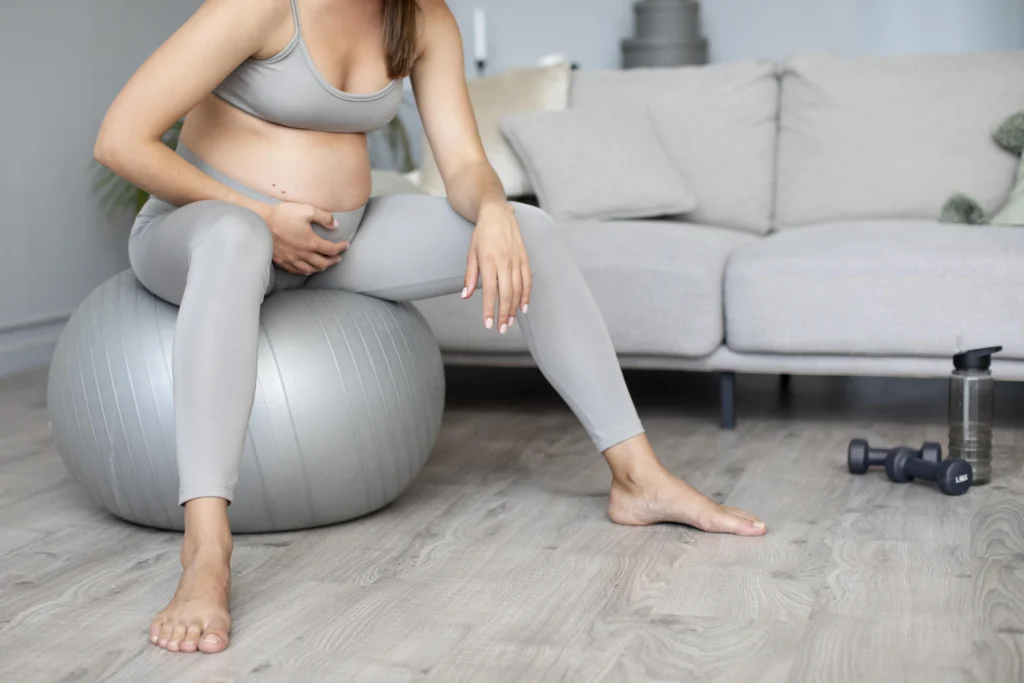
Many women are surprised to learn that physiotherapy can sometimes help constipation.
This is particularly true when pelvic floor dysfunction contributes to symptoms.
Physiotherapy is not appropriate for every case of constipation.
However, it may be useful when symptoms involve:
- Excessive straining
- Incomplete emptying
- Pelvic floor tension
- Pelvic pain
- Tailbone pain
- Difficulty coordinating bowel movements
Pelvic floor physiotherapy is commonly used to address defecatory dysfunction, pelvic floor muscle overactivity, and bowel emptying difficulties. (Cleveland Clinic)
What Happens During Assessment?
A pelvic health physiotherapist may evaluate:
- Breathing patterns
- Posture
- Movement habits
- Pelvic floor function
- Bowel habits
- Lifestyle factors
The goal is to identify barriers that may be making bowel movements more difficult.
Treatment May Include
Depending on individual findings, treatment may involve:
- Breathing retraining
- Relaxation strategies
- Pelvic floor education
- Movement recommendations
- Toilet positioning advice
Sometimes small changes produce meaningful improvements.
Common Mistakes Pregnant Women Make
When constipation becomes frustrating, it is understandable to try everything possible.
Unfortunately, some common habits may make symptoms worse.
Ignoring the Urge to Go
Modern life is busy.
Many women delay bowel movements because they are working, traveling, or caring for other children.
Repeatedly ignoring the urge can sometimes make constipation worse.
Relying Entirely on Supplements
Fiber supplements can be useful.
However, they work best when combined with adequate hydration and healthy lifestyle habits.
Straining Excessively
As discussed earlier, pushing harder is rarely the best solution.
Excessive straining may increase pressure on pelvic tissues.
Excessive straining may place additional stress on pelvic floor structures and contribute to pelvic floor dysfunction.
Making Too Many Changes at Once
Women often attempt:
- More water
- More fiber
- New supplements
- Different foods
all within a few days.
This can make it difficult to identify what is helping and what is not.
Myth: Constipation during pregnancy is unavoidable.
Fact: While common, many women can improve symptoms through hydration, nutrition, movement, and pelvic floor awareness.
Myth: Pushing harder helps constipation.
Fact: Excessive straining may worsen pelvic floor stress and make bowel movements more difficult.
Myth: Constipation is always caused by low fiber intake.
Fact: Hormones, iron supplements, hydration, activity levels, and pelvic floor dysfunction may also contribute.
Myth: The pelvic floor has nothing to do with constipation.
Fact: Pelvic floor muscles must relax properly for comfortable bowel emptying.
When Should You Speak With a Healthcare Professional?
Constipation is common during pregnancy.
However, some situations deserve medical attention.
Consider speaking with your healthcare provider if you experience:
- Severe abdominal pain
- Rectal bleeding
- Significant changes in bowel habits
- Persistent constipation despite treatment
- Unexplained weight loss
- Symptoms causing significant distress
It is always better to ask questions than to suffer in silence.
Constipation affects a significant percentage of pregnant women and is considered one of the most common gastrointestinal complaints during pregnancy. (Cleveland Clinic)
What I Tell My Patients
One of the most important things I tell pregnant women is that constipation is not a personal failure.
Many women feel embarrassed discussing bowel habits.
Others blame themselves.
Neither response is helpful.
Pregnancy creates profound changes throughout the body.
The digestive system adapts.
Hormones change.
The pelvic floor changes.
Daily routines change.
Sometimes constipation develops despite your best efforts.
The goal is not perfection.
The goal is progress.
Small improvements often add up over time.
A slightly easier bowel movement.
Less straining.
Reduced bloating.
More confidence using the bathroom.
These improvements matter.
Many pregnant women become frustrated when constipation does not improve despite eating healthy foods and drinking more water. What I often explain is that constipation during pregnancy is influenced by several factors working together, including hormones, bowel habits, hydration, physical activity, and sometimes the pelvic floor itself. Instead of looking for a quick fix, focus on small, sustainable changes. Consistency is often far more effective than perfection.
A Lesser-Known Fact About Constipation and Pelvic Pressure
This is something many women never hear.
Constipation can sometimes contribute to feelings of pelvic heaviness and pressure.
When stool remains in the bowel for extended periods, it may increase pressure within the pelvis.
This does not mean constipation causes every pelvic floor symptom.
However, improving bowel habits may help reduce unnecessary strain on pelvic structures.
This is another reason why bowel health is an important part of pelvic health.
What About Stress?
Stress does not directly cause pregnancy constipation.
However, it can influence digestion.
Many women notice bowel changes during stressful periods.
Stress may affect:
- Eating habits
- Hydration
- Physical activity
- Sleep quality
All of these factors can indirectly influence bowel function.
This is why managing constipation often requires looking at the bigger picture rather than focusing on one solution.
- Constipation is one of the most common digestive complaints during pregnancy.
- Pregnancy hormones can slow bowel movement and contribute to harder stools.
- Iron supplements may worsen constipation in some women.
- Hydration and gradual increases in dietary fiber often help improve bowel regularity.
- Walking and gentle exercise may stimulate healthy bowel function.
- A footstool can improve toilet positioning and make bowel movements easier.
- Excessive straining may increase pressure on pelvic floor tissues.
- A tight pelvic floor can sometimes contribute to constipation.
- Breathing techniques may help support bowel emptying.
- Pelvic floor physiotherapy may help women with persistent constipation and pelvic floor dysfunction.
Final Thoughts
Constipation during pregnancy is extremely common, but that does not mean you have to simply accept it.
For many women, relief comes from understanding the different factors involved.
Hormonal changes play a role.
The growing uterus plays a role.
Hydration, nutrition, movement, and stress all play a role.
And in some cases, the pelvic floor plays a role too.
The most effective approach is usually a combination of small, practical changes rather than searching for a single miracle solution.
Stay hydrated.
Move regularly.
Support your digestive system with fiber-rich foods.
Avoid excessive straining.
And if symptoms continue, do not hesitate to seek professional guidance.
Most importantly, remember that your body is adapting to an incredible process.
Constipation may be common during pregnancy, but with the right strategies, it often becomes much more manageable.
A comfortable pregnancy is not always about doing more.
Sometimes it is about understanding what your body needs and working with it rather than against it.
Frequently Asked Questions
How can I get immediate relief from constipation during pregnancy?
Drinking water, taking a gentle walk, eating fiber-rich foods such as prunes or kiwifruit, and using a footstool while sitting on the toilet may help encourage a bowel movement. Avoid excessive straining.
Is constipation normal during pregnancy?
Yes. Constipation is one of the most common digestive complaints during pregnancy because hormonal changes can slow bowel movements and make stools harder to pass.
Can pregnancy hormones cause constipation?
Yes. Increased progesterone levels relax smooth muscles throughout the body, including the digestive tract, which can slow bowel motility and contribute to constipation.
Can a tight pelvic floor cause constipation during pregnancy?
Yes. Some women have difficulty relaxing their pelvic floor muscles during bowel movements, which can make stool harder to pass even when fiber and hydration are adequate.
What foods help relieve constipation during pregnancy?
Foods rich in fiber such as prunes, pears, apples, berries, oats, lentils, vegetables, and whole grains may help support healthy bowel function during pregnancy.
Does walking help constipation during pregnancy?
Yes. Regular walking and gentle exercise can stimulate bowel activity and may help improve constipation symptoms for many pregnant women.
When should I worry about constipation during pregnancy?
Speak with your healthcare provider if constipation is severe, persistent, associated with significant abdominal pain, rectal bleeding, or does not improve with lifestyle measures.
Can pelvic floor physiotherapy help pregnancy constipation?
Yes. Pelvic floor physiotherapy may help women who experience constipation related to pelvic floor dysfunction, excessive straining, incomplete emptying, or difficulty coordinating bowel movements.
Stay tuned with us for more health related topics.
Follow us on LinkedIn and Instagram for more.
More Read


Medical Disclaimer!
This article has been reviewed and written under the guidance of our Head Physiotherapist, Dr. Kruti Raj (PT, MUHS,CPT,CMPT). The information shared is intended for educational purposes only and should not be considered a substitute for personalized medical advice, diagnosis, or treatment.
Please consult us or any other qualified healthcare professional before beginning any exercise program, especially if you are experiencing pain, recovering from injury, or managing a medical condition.


