


Pelvic floor exercises for women can help improve bladder control, pelvic support, core stability, and overall pelvic health.
A lot of women think pelvic floor problems only happen after childbirth or during old age.
That is not true.
I’ve seen women in their 20s leak urine during skipping workouts.
I’ve seen new mothers assume pelvic heaviness is “just part of recovery.”
I’ve also seen women who do hundreds of Kegels and still don’t improve because nobody explained what the pelvic floor actually needs.
The pelvic floor is not just about squeezing muscles.
It is about pressure, breathing, coordination, posture, bowel habits, movement patterns, stress levels, and how your body handles force every single day.
And honestly, many women are trying very hard to “strengthen” a pelvic floor that is already too tight and overworked.
Quick Answer
Pelvic floor exercises help strengthen and retrain the muscles that support the bladder, uterus, and bowel. These exercises can improve bladder leakage, pelvic heaviness, postpartum recovery, core stability, and confidence during daily activities and workouts. The key is not just squeezing harder, but learning proper breathing, coordination, relaxation, and pressure control. Consistent pelvic floor training guided by correct technique often shows noticeable improvement within 6 to 12 weeks.
That is why this topic deserves a more practical conversation.
Not textbook advice.
Not robotic health tips.
Real information that women can actually use.
Key Takeaways
- Pelvic floor problems are common but should never be ignored or considered “normal.”
- Not every woman needs stronger pelvic floor muscles. Some actually need relaxation training.
- Breathing and pressure management matter just as much as muscle strength.
- Leaking urine during workouts, coughing, or sneezing is treatable.
- Postpartum recovery takes longer than most women are told.
- Constipation and chronic straining can worsen pelvic floor dysfunction.
- Overdoing Kegels may increase pelvic tension and discomfort in some women.
- Pelvic floor physiotherapy focuses on coordination, movement, posture, and functional recovery.
- Consistency and proper technique are more important than doing excessive repetitions.
- Women should seek professional help if symptoms persist or worsen.
What Exactly Is the Pelvic Floor?
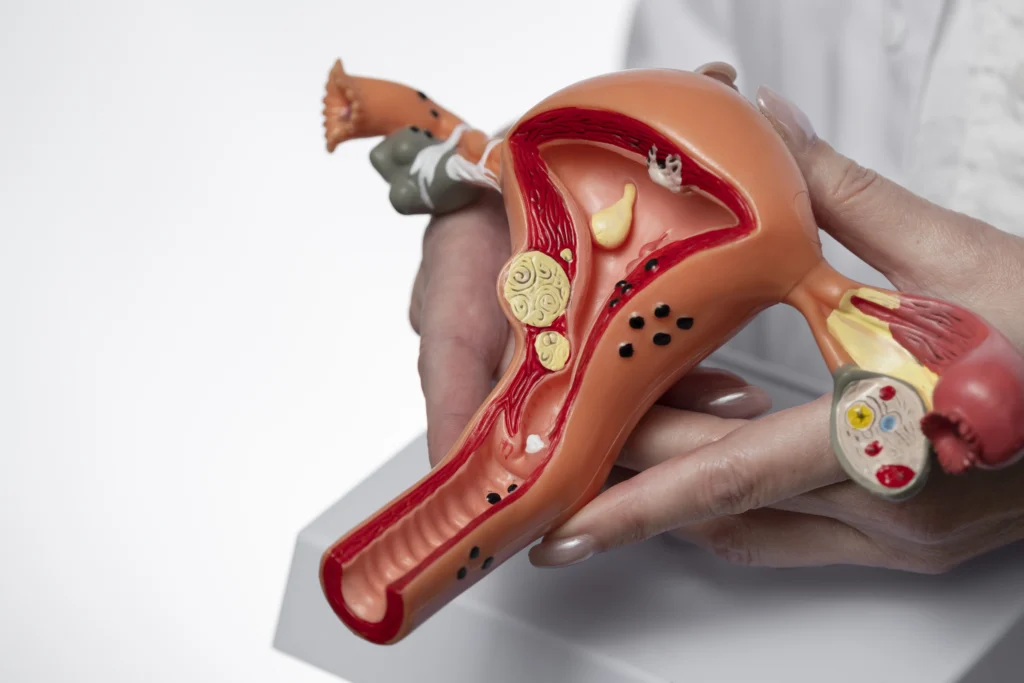
The pelvic floor is a group of muscles sitting at the base of your pelvis.
These muscles support the bladder, bowel, and uterus.
They also help with:
- bladder control
- bowel control
- sexual function
- posture
- deep core stability
- pressure management during movement
Think of it like a supportive hammock inside the body.
When it is functioning well, you usually do not notice it.
When it is not, the signs can slowly start showing up in everyday life.
Sometimes it begins with a tiny urine leak while sneezing.
Sometimes it feels like heaviness in the vagina after standing too long.
Sometimes it shows up as lower back tightness that never fully settles.
The Symptoms Women Often Ignore
One of the biggest problems is that women normalize pelvic symptoms for years.
They adapt instead of treating the issue.
Common signs include:
- leaking urine while coughing or laughing
- needing the washroom urgently
- pelvic heaviness
- difficulty holding gas
- constipation
- pain during intimacy
- pressure during workouts
- feeling weak through the lower abdomen after delivery
- tampons slipping out
- lower back tension that keeps returning
A surprising number of gym-going women experience bladder leakage during jumping exercises. (Nygaard et al. 2013)
Many never tell anyone because they feel embarrassed.
Why Pelvic Floor Problems Happen
There is usually not one single cause.
It is often a combination of pressure, weakness, poor coordination, and lifestyle habits over time.
Pregnancy and Childbirth
Pregnancy increases downward pressure on the pelvic floor for months.
Then delivery stretches tissues even more.
Forceps delivery, prolonged labor, large babies, and tearing can increase the risk of dysfunction later.
But even C-section mothers can develop pelvic floor issues because pregnancy itself changes abdominal pressure and muscle coordination.
Chronic Constipation
This is one of the most overlooked causes.
Repeated straining during bowel movements puts enormous stress on pelvic tissues.
Many women focus on exercises while ignoring bowel habits completely.
Constant “Tummy Holding”
This surprises many people.
Some women constantly suck their stomach inward throughout the day to appear slimmer.
That habit can interfere with breathing mechanics and increase downward pressure over time.
Women’s health physiotherapists now discuss this much more openly because of its effect on pressure regulation.
Heavy Gym Training Without Pressure Control
High-impact workouts are not “bad.”
But breath-holding during lifting can overload the pelvic floor.
This is common during:
- heavy squats
- deadlifts
- jumping workouts
- intense core sessions
Sometimes the issue is not weakness.
It is poor pressure management.
Here’s Something Most Articles Don’t Mention
Not every pelvic floor is weak.
Some are actually too tight.
And that changes everything.
Women with an overactive pelvic floor may experience:
- pelvic pain
- painful intercourse
- constipation
- urinary urgency
- difficulty relaxing
- hip tightness
In these cases, aggressive Kegels may worsen symptoms.
This is why proper assessment matters.
So, What Do Pelvic Floor Exercises Actually Do?
Good pelvic floor training helps improve:
- muscle awareness
- bladder support
- pressure control
- endurance
- coordination
- relaxation ability
Notice the last word there.
Relaxation.
A healthy pelvic floor should contract when needed and relax when needed.
Many women only learn the “squeeze” part.
How to Identify the Correct Muscles
This is where many women struggle.
A correct contraction should feel like:
- a gentle lift internally
- subtle tightening around the vagina and anus
- upward support
You should not feel:
- strong butt squeezing
- thigh gripping
- breath-holding
- downward pushing
One simple cue I often give patients is:
“Imagine trying to stop urine and gas at the same time.”
But do not repeatedly stop urine flow as an exercise.
That can interfere with bladder habits.
The Biggest Mistake Women Make During Kegels
They go too hard.
The pelvic floor responds better to controlled, consistent activation than aggressive squeezing.
A lot of women unknowingly brace their entire body:
- jaw tight
- stomach clenched
- glutes gripping
- breath held
That is not functional pelvic control.
That is tension.
A Beginner Pelvic Floor Routine That Actually Makes Sense
Step 1: Start With Breathing
Before strengthening, learn how to breathe properly.
Lie on your back with knees bent.
Place one hand on the ribs and one on the lower abdomen.
As you inhale:
- ribs expand
- belly softens
- pelvic floor relaxes slightly
As you exhale:
- pelvic floor gently lifts
- lower abdomen lightly engages
This coordination matters more than most women realize.
(Paul W. Hodges 2001) found that breathing mechanics and pelvic floor coordination are closely linked in pressure regulation and continence function.
Step 2: Gentle Holds
Now add controlled contractions.
- Tighten gently
- Lift internally
- Hold 3 to 5 seconds
- Fully relax afterward
Repeat 8 to 10 times.
Do not rush.
And honestly, if you cannot fully relax between repetitions, you are doing too much.
Step 3: Quick Activations
These help during coughing and sneezing.
Quickly tighten the muscles for 1 second.
Then fully release.
Repeat 10 times.
The “Knack” Technique Every Woman Should Learn
This technique is simple but incredibly useful.
Before coughing, sneezing, or lifting:
- gently activate the pelvic floor first
This pre-activation improves pressure control.
Many women notice fewer leaks once they learn this habit.
A Lesser-Known Truth
Not Every Woman Needs Stronger Pelvic Floors
This is extremely important.
Many women automatically start doing aggressive Kegel exercises without knowing whether their pelvic floor muscles are weak or overly tight.
Recent pelvic health discussions among specialists emphasize that some women actually have hypertonic pelvic floors, muscles that are too tense rather than too weak.
In such cases, constant squeezing exercises may worsen symptoms. (The Guardian Pelvic Floor Myths)
Signs of an overactive or tight pelvic floor may include:
- painful intercourse
- pelvic pain
- constipation
- incomplete bladder emptying
- urinary urgency
- tailbone pain
- lower abdominal tightness
This is why physiotherapists focus first on assessment and awareness before strengthening.
Step 1: Learn How to Properly Activate the Pelvic Floor
Before strengthening, women must first learn correct muscle activation.
How to Identify the Pelvic Floor Muscles
Imagine:
- stopping urine flow
- gently lifting internally upward
- preventing passing gas
The contraction should feel subtle and lifted, not forceful squeezing of the thighs, buttocks, or stomach.
Common Mistakes Women Make
Avoid:
- holding breath
- squeezing glutes excessively
- tightening thighs
- pushing downward
- aggressively “clenching”
A healthy pelvic floor works with breathing, not against it.
Step 2: Diaphragmatic Breathing Before Kegels
This is one of the most overlooked but powerful pelvic floor rehabilitation tools.
Why Breathing Matters
The diaphragm and pelvic floor move together naturally:
- inhale → pelvic floor gently relaxes downward
- exhale → pelvic floor recoils upward slightly
Poor breathing patterns can overload the pelvic floor.
Exercise: 360-Degree Breathing
- Lie on your back with knees bent.
- Place one hand on ribs and one on lower belly.
- Inhale slowly through the nose.
- Expand ribs sideways and belly gently outward.
- Exhale slowly through the mouth.
Repeat for 2-3 minutes.
This exercise is especially useful for:
- postpartum recovery
- stress-related pelvic tension
- chronic pelvic tightness
- women with anxiety-related holding patterns
Step 3: Foundational Pelvic Floor Strengthening Exercises
Basic Kegel Contractions
Slow Holds
- Gently lift pelvic floor muscles
- Hold 5 seconds
- Fully relax afterward
- Repeat 10 reps
Fast Pulses
- Quickly contract and release
- Repeat 10-15 reps
Why both matter:
Slow holds build endurance while fast contractions help prevent leakage during coughing, sneezing, or jumping.
Bridge with Pelvic Floor Activation
This exercise integrates glutes and pelvic floor together.
How to Perform
- Lie on back with knees bent.
- Exhale and gently activate pelvic floor.
- Lift hips slowly.
- Lower with control.
Perform 10-12 reps.
Why it helps:
Weak glutes often force the pelvic floor to compensate excessively.
Clamshell Exercise
One lesser-known physiotherapy insight:
Hip muscle weakness frequently contributes to pelvic floor dysfunction.
How to Perform
- Lie on side with knees bent.
- Keep feet together.
- Lift top knee slowly.
- Avoid rolling pelvis backward.
Repeat 12-15 reps.
Research increasingly supports the connection between hip stability and pelvic floor function in women.
Dead Bug Core Exercise
This exercise improves deep core and pelvic floor coordination.
Instructions
- Lie on back.
- Engage lower abdominal wall gently.
- Slowly extend opposite arm and leg.
- Maintain breathing throughout.
This trains pelvic floor muscles during functional movement instead of isolated squeezing only.
Step 4: Pelvic Floor Relaxation Exercises (Very Important)
Many women only strengthen but never learn relaxation.
An over-tight pelvic floor cannot function optimally.
Child’s Pose Breathing
- Kneel comfortably.
- Sit hips backward.
- Stretch arms forward.
- Breathe deeply into lower ribs and pelvis.
Excellent for:
- pelvic tension
- stress holding
- painful intercourse
- postpartum tightness
Happy Baby Stretch
This position gently opens pelvic muscles and hips.
Hold 30-60 seconds while breathing slowly.
Avoid aggressive pulling.
Deep Squat Relaxation
Supported deep squats help relax pelvic muscles and improve bowel mechanics.
One lesser-known clinical observation:
Women with chronic constipation often unknowingly overstrain the pelvic floor repeatedly.
Postpartum Recovery Is Often Rushed
This is something I wish more women were told.
Your body does not fully recover six weeks after childbirth just because the standard check-up says you are “cleared.”
Recovery takes longer.
Sometimes much longer.
And returning too aggressively to:
- running
- jumping
- heavy lifting
- crunches
can worsen symptoms.
A Lesser-Known Postpartum Sign
Many women notice pelvic heaviness by evening but feel better in the morning.
That often indicates the support system is fatiguing throughout the day.
It should not be ignored.
Why Core Exercises Sometimes Make Symptoms Worse
Traditional core workouts often focus on intense abdominal pressure.
If pressure cannot be managed properly, it pushes downward.
This is why some women leak during:
- sit-ups
- planks
- mountain climbers
The issue is not always “weak abs.”
It is often poor coordination between:
- breathing
- deep core muscles
- pelvic support system
Research Continues to Support Pelvic Floor Training
Pelvic floor muscle training remains the first-line treatment for stress urinary incontinence in women.
A large Cochrane Review found women doing supervised pelvic floor training were significantly more likely to report improvement or cure compared to those receiving no treatment. (Dumoulin et al. 2018)
Another important point?
Supervised training tends to work better than random internet routines.
Technique matters.
Menopause Changes the Pelvic Floor Too
This conversation deserves more attention.
Hormonal changes affect:
- tissue elasticity
- collagen support
- muscle recovery
- vaginal tissues
Many women notice symptoms increase around menopause even if they never had issues earlier.
Pelvic rehab can still help significantly during this phase.
Pelvic Floor Health and Mental Stress Are Connected
This is rarely discussed properly.
Stress and anxiety can increase unconscious muscle gripping.
Some women hold tension in:
- jaw
- shoulders
- abdomen
- pelvic floor
all day without realizing it.
That constant gripping can contribute to pelvic pain and urgency symptoms.
Sometimes learning relaxation is just as important as strengthening.
Exercises That Support Pelvic Health Beyond Kegels
The pelvic floor works with surrounding muscles.
So rehabilitation often includes:
- hip strengthening
- glute training
- breathing drills
- posture work
- mobility exercises
- deep core retraining
This is one reason generic online routines do not work for everyone.
Daily Habits That Quietly Damage Pelvic Support
A few habits matter more than people think.
Straining During Bowel Movements
Chronic straining repeatedly increases pressure downward.
Hovering Over Public Toilets
This prevents proper relaxation while urinating.
Breath-Holding During Exercise
Very common in gym settings.
Ignoring Persistent Leakage
Early treatment usually works better.
One Thing Women Find Relieving to Hear
Bladder leakage is common.
But it is treatable.
And no, you do not have to simply “live with it.”
How Long Does Recovery Take?
Most women notice improvement within 6 to 12 weeks when:
- exercises are correct
- consistency is good
- relaxation is included
- pressure habits improve
But recovery is not linear.
Some days feel better than others.
That is normal.
When You Should See a Pelvic Health Physiotherapist
Please seek professional assessment if you have:
- persistent leakage
- pelvic pain
- heaviness or bulging
- painful intercourse
- difficulty identifying the muscles
- symptoms during workouts
- postpartum concerns that are not improving
An internal assessment can determine whether the muscles are:
- weak
- tight
- poorly coordinated
- overactive
- underactive
That changes the treatment approach completely.
Final Thoughts
Pelvic floor exercises for women are often marketed as simple squeeze-and-release routines.
Real pelvic health is much more nuanced than that.
Your pelvic floor responds to:
- breathing
- stress
- posture
- bowel habits
- movement patterns
- exercise technique
- recovery
- hormones
And honestly, many women blame themselves when symptoms continue.
Usually, they were just never taught correctly.
Consistent pelvic floor exercisefor women can support long-term strength, better pelvic control, and improved daily comfort.
The goal is not to walk around clenching all day.
The goal is a pelvic floor that responds naturally when your body needs support and relaxes fully when it does not.
That balance matters far more than endless Kegels ever will.
Frequently Asked Questions
1. How do I know if my pelvic floor is weak?
Common signs include urine leakage, pelvic heaviness, difficulty controlling gas, lower core weakness, or pressure during workouts and daily activities.
2. Can pelvic floor exercises help after childbirth?
Yes. Proper pelvic floor rehabilitation may improve bladder control, pelvic support, posture, breathing coordination, and postpartum recovery.
3. How long does it take to see results from pelvic floor exercises?
Many women notice improvements within 6 to 12 weeks when exercises are performed consistently with correct technique.
4. Can too many Kegel exercises be harmful?
Yes. Excessive tightening without relaxation may contribute to pelvic pain, muscle tension, urinary urgency, or discomfort during intimacy.
5. Should pelvic floor exercises hurt?
No. Pelvic floor exercises should never cause pain. Pain may indicate incorrect technique or overactive pelvic muscles.
6. Can pelvic floor dysfunction cause lower back pain?
Yes. The pelvic floor works closely with the deep core and spine stabilizers, so dysfunction may contribute to lower back discomfort.
7. Is urine leakage during exercise normal?
It is common, especially during high-impact workouts, but it is not something women should simply accept without treatment.
8. When should I see a pelvic health physiotherapist?
You should seek help if symptoms persist, worsen, interfere with exercise, or affect your daily comfort and confidence.
Stay tuned with us for more health related topics.
Follow us on LinkedIn and Instagram for more.
More Read


Medical Disclaimer!
This article has been reviewed and written under the guidance of our Head Physiotherapist, Dr. Kruti Raj (PT, MUHS,CPT,CMPT). The information shared is intended for educational purposes only and should not be considered a substitute for personalized medical advice, diagnosis, or treatment.
Please consult us or any other qualified healthcare professional before beginning any exercise program, especially if you are experiencing pain, recovering from injury, or managing a medical condition.


