


If you’ve been experiencing persistent vaginal burning, irritation, pain during sex, or an unusual discharge that keeps coming back despite treatment,
you may be dealing with a condition that many women have never heard of, Desquamative Inflammatory Vaginitis (DIV).
Because its symptoms are similar to bacterial vaginosis, yeast infections, and Aerobic Vaginitis, DIV is often misdiagnosed.
Many women receive multiple treatments before the correct diagnosis is made, leaving them frustrated and continuing to experience discomfort.
Quick Answer
Desquamative Inflammatory Vaginitis (DIV) is a rare chronic inflammatory condition of the vagina that causes persistent burning, irritation, abnormal yellow discharge, redness, and pain during intercourse. It is often mistaken for bacterial vaginosis, yeast infections, or Aerobic Vaginitis because the symptoms are very similar.
Unlike common vaginal infections, DIV is primarily an inflammatory condition rather than a typical bacterial or fungal infection. Proper diagnosis through a pelvic examination and microscopic evaluation is essential for effective treatment.
Unlike common vaginal infections caused by bacteria or fungi, DIV is considered a chronic inflammatory condition of the vagina.
While its exact cause is still not fully understood, researchers believe it involves an abnormal inflammatory response rather than a typical infection.
The good news is that DIV is treatable.
Although some women may require long-term management, early diagnosis and appropriate treatment can significantly improve symptoms and quality of life.
Key Takeaways
- Desquamative Inflammatory Vaginitis (DIV) is a rare chronic inflammatory condition of the vagina.
- Common symptoms include persistent burning, irritation, yellow discharge, vaginal redness, and pain during intercourse.
- DIV is often mistaken for bacterial vaginosis, Aerobic Vaginitis, or a vaginal yeast infection because many symptoms overlap.
- Diagnosis requires a pelvic examination, vaginal pH testing, and microscopic evaluation after excluding other causes of vaginitis.
- Treatment typically focuses on reducing inflammation and relieving symptoms using medications prescribed by a healthcare professional.
- Some women may experience recurrent symptoms, making follow-up care and maintenance treatment important.
- Seeking medical advice early can help prevent prolonged discomfort and improve long-term vaginal health.
What Is Desquamative Inflammatory Vaginitis (DIV)?
Desquamative Inflammatory Vaginitis (DIV) is a rare chronic inflammatory condition that affects the vaginal lining.
The term desquamative refers to the shedding of superficial vaginal cells, while inflammatory describes the redness, irritation, and immune response seen in the vaginal tissues.
Unlike bacterial vaginosis or vaginal yeast infections, DIV is not caused by a single bacteria, fungus, or sexually transmitted infection.
Instead, it is considered a diagnosis of exclusion, meaning other causes of vaginitis must first be ruled out before confirming DIV.
During examination, healthcare professionals often find inflamed vaginal walls, increased vaginal discharge, elevated vaginal pH, numerous inflammatory cells (white blood cells), and immature epithelial cells called parabasal cells under the microscope.
These findings help distinguish DIV from other vaginal conditions.
Research also suggests that DIV responds well to anti-inflammatory medications and topical clindamycin, further supporting the idea that inflammation plays a major role in the disease (Reichman et al. 2014).
How Common Is Desquamative Inflammatory Vaginitis?
Desquamative Inflammatory Vaginitis is considered uncommon, and its true prevalence is not well established.
Experts believe many cases go undiagnosed because the symptoms closely resemble other forms of vaginitis.
DIV can occur at any age but is reported more frequently in perimenopausal and postmenopausal women. However, younger women of reproductive age can also develop the condition.
Because there is no single laboratory test that confirms DIV, diagnosis depends on a combination of symptoms, clinical examination, vaginal pH testing, and microscopic evaluation after excluding other possible causes.
Clinical reviews describe DIV as a chronic condition that may require ongoing management because relapses are relatively common (Murphy et al., 2004).
Signs and Symptoms of Desquamative Inflammatory Vaginitis
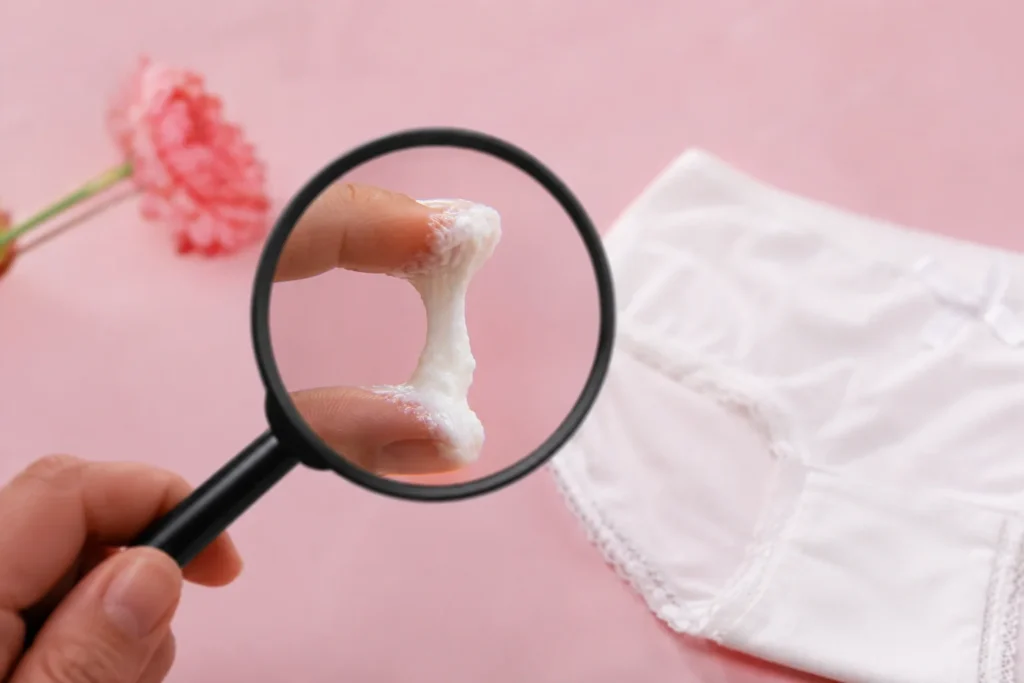
Symptoms of DIV may develop gradually or persist for months before a diagnosis is made.
They often interfere with daily activities and intimate relationships.
Common symptoms include:
- Yellow or yellow-green vaginal discharge
- Persistent vaginal burning
- Vaginal soreness or irritation
- Redness inside the vagina
- Pain during sexual intercourse (dyspareunia)
- Vaginal itching in some women
- Burning while urinating
- Feeling of raw or inflamed vaginal tissue
Unlike bacterial vaginosis, women with DIV often experience significant vaginal inflammation, making the condition particularly uncomfortable.
Early Warning Signs You Shouldn’t Ignore
Seek medical advice if you notice:
- Persistent vaginal burning despite treatment
- Blood-stained or yellow vaginal discharge
- Pain during intercourse
- Vaginal irritation lasting several weeks
- Recurrent vaginal symptoms with negative infection tests
- Symptoms that repeatedly return after antibiotics or antifungal medications
Because DIV is often confused with other vaginal conditions, repeated self-treatment without a proper diagnosis may delay recovery.
Desquamative Inflammatory Vaginitis vs Aerobic Vaginitis vs Bacterial Vaginosis vs Yeast Infection
| Feature | DIV | Aerobic Vaginitis | Bacterial Vaginosis | Yeast Infection |
|---|---|---|---|---|
| Primary cause | Chronic inflammatory condition | Aerobic bacterial overgrowth with inflammation | Anaerobic bacterial imbalance | Candida fungus |
| Inflammation | Severe | Moderate to severe | Usually mild | Moderate |
| Vaginal discharge | Yellow, purulent | Yellow or yellow-green | Thin gray or white | Thick white, cottage cheese-like |
| Vaginal pH | Elevated (>4.5) | Elevated (>4.5) | Elevated (>4.5) | Usually normal |
| Burning | Very common | Common | Less common | Common |
| Itching | Mild | Mild | Usually absent | Severe |
| Pain during intercourse | Very common | Common | Less common | Sometimes |
| Microscopy | Numerous inflammatory cells and parabasal cells | Inflammatory cells with aerobic bacteria | Clue cells | Budding yeast or pseudohyphae |
| Treatment | Topical corticosteroids and/or clindamycin | Targeted antibiotics | Antibiotics | Antifungal medication |
Although these conditions may appear similar, they have different underlying causes and require different treatment approaches.
This is why a thorough clinical examination and microscopic evaluation are essential before starting treatment.
A large clinical study also found that many women with DIV require maintenance therapy because the condition can recur after initial improvement (Sobel et al., 2011).
Myth vs Fact
| Myth | Fact |
|---|---|
| DIV is simply another form of a yeast infection. | No. DIV is a chronic inflammatory condition that requires a different diagnosis and treatment approach. |
| Antifungal medicines will cure DIV. | Not usually. DIV often requires anti-inflammatory therapy and/or topical antibiotics prescribed by a healthcare provider. |
| Recurring vaginal burning is always caused by an infection. | Persistent burning may result from inflammatory conditions such as DIV, making proper medical evaluation essential. |
| DIV is a sexually transmitted infection. | No. DIV is not considered a sexually transmitted infection. |
Causes of Desquamative Inflammatory Vaginitis (DIV)
The exact cause of Desquamative Inflammatory Vaginitis (DIV) remains unknown.
Unlike bacterial vaginosis or a vaginal yeast infection, DIV is not caused by a single infectious organism.
Instead, researchers believe it develops because of an abnormal inflammatory response within the vaginal tissues. (Reichman et al. 2014)
Several factors may contribute to the development of DIV, including:
- Disruption of the normal vaginal microbiome
- Reduced protective Lactobacillus bacteria
- An exaggerated immune or inflammatory response
- Hormonal changes, particularly around menopause
- Previous antibiotic use that alters the vaginal flora
- Certain autoimmune or inflammatory conditions in some women
Although bacteria may be present during evaluation, they are generally not considered the primary cause of the condition.
This is one reason why standard antibiotic treatments alone do not always provide lasting relief.
Risk Factors
While DIV can affect women of any age, certain factors appear to increase the likelihood of developing the condition.
Common risk factors include:
- Perimenopause or postmenopausal status
- Reduced estrogen levels
- Previous episodes of chronic vaginitis
- Recent antibiotic therapy
- Recurrent vaginal inflammation
- Altered vaginal microbiome
- History of autoimmune or inflammatory disorders
- Previous unsuccessful treatment for recurrent vaginal infections
Having one or more of these risk factors does not necessarily mean a woman will develop DIV, but they may increase susceptibility. (Bradford et al., 2010)
How Is Desquamative Inflammatory Vaginitis Diagnosed?
There is no single test that confirms DIV.
Instead, healthcare professionals diagnose it by combining your symptoms, pelvic examination findings, laboratory testing, and by excluding other common causes of vaginitis.
A diagnostic evaluation may include:
- Review of your medical history and symptoms
- Pelvic examination
- Vaginal pH testing (typically greater than 4.5)
- Microscopic examination (wet mount) of vaginal secretions
- Assessment for increased white blood cells and parabasal cells
- Testing to rule out bacterial vaginosis, yeast infection, trichomoniasis, sexually transmitted infections, and other inflammatory conditions
Because DIV closely resembles several other vaginal disorders, an accurate diagnosis is essential before treatment begins.
Treatment for Desquamative Inflammatory Vaginitis
Treatment focuses on reducing inflammation, relieving symptoms, restoring a healthier vaginal environment, and preventing recurrence.
Depending on the severity of the condition, your healthcare provider may recommend:
- Topical clindamycin vaginal cream
- Vaginal corticosteroids such as hydrocortisone
- Topical estrogen therapy for selected postmenopausal women
- Maintenance therapy for women with recurrent symptoms
- Regular follow-up examinations to monitor recovery
Many women notice significant improvement within a few weeks of starting treatment.
However, because DIV is often a chronic condition, some patients require ongoing maintenance therapy to prevent relapses.
Studies report that recurrence is relatively common after stopping treatment.
Physiotherapy Perspective
Although physiotherapy does not directly treat the inflammation associated with DIV,
pelvic floor physiotherapy may benefit women who develop persistent pelvic pain, muscle tightness, or painful intercourse as a result of chronic vaginal inflammation.
A women’s health physiotherapist may recommend:
- Pelvic floor muscle relaxation techniques
- Breathing exercises to reduce pelvic muscle tension
- Gentle stretching exercises
- Pain management strategies
- Education on comfortable sexual positioning
- Lifestyle modifications to reduce irritation
Physiotherapy should always complement medical treatment rather than replace it.
Can Desquamative Inflammatory Vaginitis Be Prevented?
Because the exact cause of DIV remains unclear, there is no guaranteed way to prevent it.
However, healthy vaginal care practices may help reduce irritation and support overall vaginal health.
Helpful measures include:
- Avoid douching and scented intimate hygiene products.
- Wear breathable cotton underwear.
- Avoid unnecessary antibiotic use unless prescribed.
- Complete your prescribed treatment course.
- Attend follow-up appointments if symptoms recur.
- Seek medical advice promptly for persistent vaginal burning or abnormal discharge.
- Maintain good intimate hygiene without excessive cleansing.
Although recurrence may occur, early diagnosis and appropriate treatment can help control symptoms and improve quality of life.
Complications of Desquamative Inflammatory Vaginitis (DIV)
Without appropriate treatment, Desquamative Inflammatory Vaginitis (DIV) can become a long-term condition that significantly affects a woman’s physical and emotional well-being.
Persistent inflammation may lead to ongoing discomfort and interfere with daily activities, exercise, and intimate relationships.
Possible complications include:
- Chronic vaginal pain and burning
- Pain during sexual intercourse (dyspareunia)
- Recurrent episodes of vaginal inflammation
- Emotional distress and reduced quality of life
- Relationship and sexual health concerns
- Persistent vaginal irritation despite repeated treatments
Although DIV is not considered a life-threatening condition, delaying diagnosis may result in prolonged symptoms and repeated use of unnecessary medications before the correct treatment is started.
A long-term follow-up study found that many women required maintenance therapy because symptoms frequently returned after treatment was discontinued.
When Should You See a Doctor?
Many women initially assume that persistent vaginal symptoms are caused by a yeast infection or bacterial vaginosis.
However, if your symptoms do not improve with standard treatment or continue to return, it is important to seek medical evaluation.
Consult a healthcare professional if you experience:
- Vaginal burning that lasts for several days or keeps returning
- Yellow or blood-tinged vaginal discharge
- Persistent vaginal redness or soreness
- Pain during sexual intercourse
- Burning while passing urine without a urinary tract infection
- Symptoms that return shortly after completing treatment
- Vaginal symptoms during pregnancy
- Recurrent vaginal infections that have not responded to previous medications
Early diagnosis can help identify the underlying cause and reduce unnecessary treatments, allowing you to receive more appropriate care.
Can Desquamative Inflammatory Vaginitis Come Back?
Yes. Unfortunately, DIV has a relatively high recurrence rate, and some women may experience repeated flare-ups even after successful initial treatment.
Recurrence does not necessarily mean the treatment has failed.
Instead, it reflects the chronic inflammatory nature of the condition.
For some women, healthcare providers may recommend a maintenance treatment plan to help keep symptoms under control and reduce future flare-ups.
Attending follow-up appointments, completing the prescribed treatment, and reporting any returning symptoms early can improve long-term symptom management.
Clinical evidence suggests that maintenance therapy can help many women remain symptom-free for longer periods.
Final Thoughts
Although Desquamative Inflammatory Vaginitis is uncommon, it can have a significant impact on a woman’s comfort, confidence, and quality of life. Because its symptoms closely resemble other vaginal conditions, receiving an accurate diagnosis is the first step toward effective treatment.
If you continue to experience vaginal burning, persistent discharge, or pain despite previous treatments, don’t ignore these symptoms. Consulting a qualified healthcare professional can help identify the underlying cause and ensure you receive the most appropriate care.
Conclusion
Desquamative Inflammatory Vaginitis (DIV) is a rare but important chronic inflammatory condition that is often mistaken for other types of vaginitis because of its similar symptoms.
Persistent vaginal burning, abnormal discharge, irritation, and pain during intercourse should not be ignored, especially when standard treatments fail to provide lasting relief.
An accurate diagnosis through clinical examination and microscopic evaluation is essential because the treatment for DIV differs from that of bacterial vaginosis, vaginal yeast infections, and Aerobic Vaginitis.
With appropriate medical care, most women experience significant improvement, although some may require ongoing maintenance therapy to prevent recurrence.
Understanding the condition, seeking timely medical advice, and following the recommended treatment plan can help reduce symptoms, improve vaginal health, and enhance overall quality of life (Bradford et al., 2010).
Frequently Asked Questions (FAQs)
1. What is Desquamative Inflammatory Vaginitis (DIV)?
2. Is DIV a sexually transmitted infection?
3. What causes DIV?
4. Can DIV be treated?
5. Can DIV return after treatment?
6. When should I see a doctor?
Stay tuned with us for more health related topics.
Follow us on LinkedIn and Instagram for more.
More Read


Medical Disclaimer!
This article has been reviewed and written under the guidance of our Head Physiotherapist, Dr. Kruti Raj (PT, MUHS,CPT,CMPT). The information shared is intended for educational purposes only and should not be considered a substitute for personalized medical advice, diagnosis, or treatment.
Please consult us or any other qualified healthcare professional before beginning any exercise program, especially if you are experiencing pain, recovering from injury, or managing a medical condition.


