


Urinary incontinence treatment without surgery often focuses on strengthening pelvic floor muscles and improving bladder control naturally.
Most women do not talk about bladder leaks when they first start happening.
It usually begins quietly.
A few drops while sneezing. Leakage during a workout.
Suddenly needing the bathroom urgently while unlocking the front door.
Some women stop laughing freely. Others stop exercising.
Many begin planning their entire day around toilet access.
And the most common sentence I hear as a physiotherapist is this:
“I thought this was just part of aging.”
It is not.
Urinary incontinence is common, especially after childbirth, during menopause, or after years of chronic strain on the pelvic floor.
But common does not mean normal.
More importantly, surgery is not always the answer.
In fact, most women should try conservative urinary incontinence treatment first because many cases improve significantly with:
proper pelvic floor rehabilitation, bladder retraining, breathing correction, and a few lifestyle changes that most people never hear about.
Quick Answer
Urinary incontinence can often improve without surgery through pelvic floor physiotherapy, bladder retraining, breathing correction, lifestyle changes, and pressure management techniques. Many women notice fewer leaks within a few weeks of consistent treatment. Research also shows that supervised pelvic floor therapy is one of the most effective first-line treatments for stress urinary incontinence.
The frustrating part is that the internet is full of generic advice telling women to “just do Kegels.”
Real Urinary incontinence treatment without surgery is far more detailed than that.
Key Takeaways
- Urinary incontinence is common but not considered a normal part of aging.
- Pelvic floor physiotherapy is recommended as a first-line treatment before surgery.
- Not everyone with bladder leaks needs stronger Kegel exercises. Some women need relaxation and coordination training instead.
- Breathing patterns, posture, constipation, and gym habits can directly affect bladder control.
- Bladder retraining techniques help reduce urgency and frequent bathroom visits.
- Weight loss and pressure management can significantly reduce leakage episodes.
- Biofeedback therapy may improve pelvic floor rehabilitation outcomes.
- Most women see better results when treatment combines exercises, lifestyle changes, and behavioral strategies.
What Is Urinary Incontinence?
Urinary incontinence simply means leaking urine when you do not intend to.
For some women, it happens during coughing, laughing, or exercise.
Others feel a sudden uncontrollable urge to urinate and cannot reach the bathroom in time.
The severity varies widely.
Some women leak only occasionally.
Others start avoiding travel, social events, intimacy, or workouts because of fear and embarrassment.
What many people do not realize is that bladder control depends on several systems working together:
- Pelvic floor muscles
- Breathing mechanics
- Core stability
- Nervous system regulation
- Bladder habits
- Hormones
- Posture
- Bowel health
That is why successful urinary incontinence treatment usually requires more than one exercise.
The Different Types of Urinary Incontinence
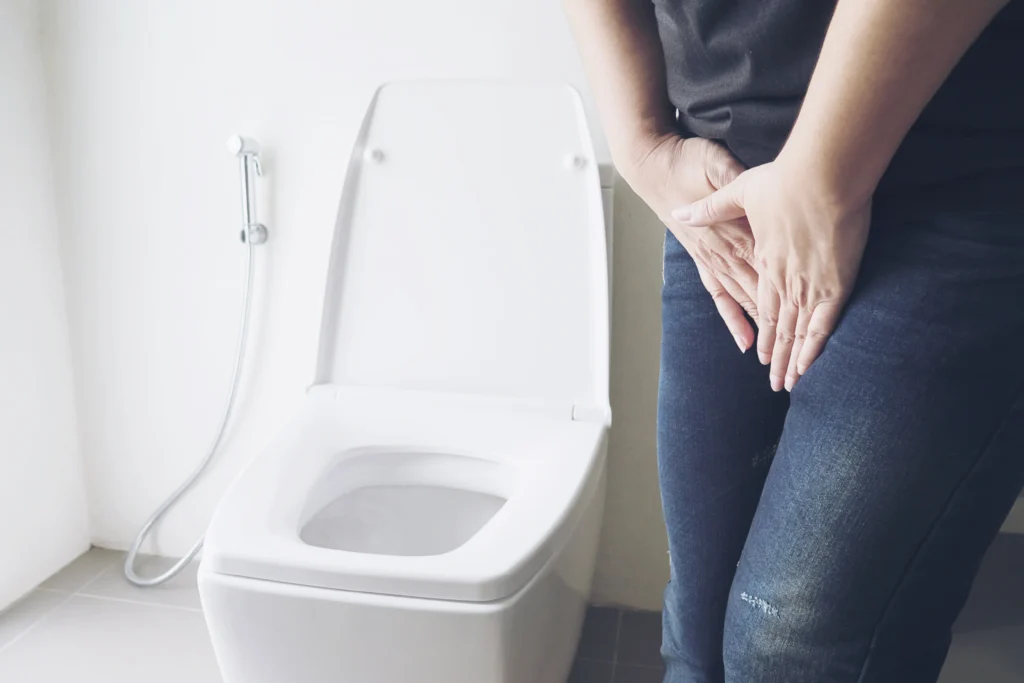
Stress Urinary Incontinence
This is the most common type seen in physiotherapy clinics.
Leaks happen during:
- Sneezing
- Coughing
- Jumping
- Running
- Lifting
- Laughing
This usually happens because pressure inside the abdomen becomes greater than the support provided by the pelvic floor.
Pregnancy, childbirth, menopause, chronic constipation, obesity, and high-impact sports all increase the risk.
Urge Urinary Incontinence
This is different.
Women suddenly feel an intense urge to urinate and may leak before reaching the toilet.
Common triggers include:
- Hearing running water
- Arriving home
- Anxiety
- Cold weather
- Unlocking the bathroom door
This condition is often linked with bladder overactivity and nervous system sensitivity.
Mixed Incontinence
Many women actually experience both stress and urge symptoms together.
For example, they may leak during exercise and also feel sudden urgency throughout the day.
Why So Many Women Are Still Suffering Silently
One major problem is misinformation.
Many women assume:
- bladder leaks are normal after childbirth
- aging automatically causes leakage
- surgery is the only real solution
- panty liners are enough
- Kegels alone fix everything
None of these are fully true.
The reality is that pelvic floor dysfunction is treatable in many cases, especially when addressed early.
A large Cochrane review found that women performing pelvic floor muscle training were significantly more likely to report cure or improvement compared to no treatment. (Dumoulin et al. 2018)
Why Physiotherapy Works So Well
Physiotherapy does not just focus on the bladder itself.
A pelvic health physiotherapist looks at the entire pressure system of the body.
Urinary incontinence physiotherapy treatment includes:
- pelvic floor coordination
- breathing patterns
- abdominal pressure
- hip stability
- bowel habits
- posture
- movement strategies
- exercise technique
Sometimes the issue is weakness.
Sometimes the muscles are actually too tight.
And sometimes the body simply lost coordination after pregnancy, surgery, chronic stress, or years of poor pressure management.
That is why individualized urinary incontinence treatment without surgery matters.
The Biggest Myth About Kegels
Here is something most articles never explain properly:
Not everybody needs more squeezing.
Some women already hold excessive tension in their pelvic floor muscles all day without realizing it.
Tight muscles can become fatigued, poorly coordinated, and unable to respond quickly during coughing or urgency.
In those cases, endless Kegel exercises can actually make symptoms worse.
Recent pelvic health discussions are now focusing more on relaxation, coordination, and breathing instead of only strengthening. (PMC)
What Pelvic Floor Exercises Should Actually Feel Like
Most women are never taught this correctly.
A proper pelvic floor contraction is subtle.
You should feel a gentle lift around the vagina and urethra without:
- squeezing the buttocks
- clenching the thighs
- holding the breath
- pushing downward
- tightening the jaw
And equally important, you must fully relax afterward.
One thing I notice frequently in clinic is that women rush through the relaxation phase because they think stronger is always better.
But the pelvic floor needs flexibility and timing, not just force.
Breathing Is More Important In Urinary Incontinence Treatment
This surprises many patients.
Your diaphragm and pelvic floor are designed to move together.
When you inhale properly, the diaphragm descends and the pelvic floor lengthens slightly.
During exhalation, the pelvic floor recoils naturally.
But modern lifestyles encourage shallow chest breathing, constant stomach gripping, and stress-related tension patterns.
That changes pressure inside the abdomen and may worsen leakage over time.
Newer research is increasingly exploring how breathing retraining improves pelvic floor coordination.
Recent findings suggest diaphragm breathing combined with pelvic floor rehabilitation may improve stress urinary incontinence outcomes. (Arfaoui et al. (2025)
The “Just in Case” Bathroom Habit That Backfires
Many women urinate frequently “just in case.”
Before leaving home. Before meetings. Before short drives.
The problem is that this gradually trains the bladder to tolerate smaller and smaller volumes.
Over time, the bladder becomes more sensitive and urgency increases.
Bladder retraining works by slowly rebuilding normal bladder tolerance.
This is often one of the most effective treatments for urge incontinence.
A Lesser-Known Mistake Called “Power Peeing”
Many women also push urine out forcefully instead of letting the bladder empty naturally.
Pelvic health specialists now warn that habitual straining while urinating can disrupt bladder and pelvic floor coordination.
It may also prevent complete relaxation of the pelvic floor.
Why Constipation and Bladder Leakage Are Closely Connected
This connection is massively underestimated.
When the bowel is constantly full or straining becomes habitual, extra pressure is placed on the bladder and pelvic floor.
Women with chronic constipation often improve their bladder symptoms once bowel habits improve.
Simple changes help:
- adequate hydration
- fiber intake
- walking regularly
- improving toilet posture
- avoiding prolonged straining
In physiotherapy, we often say: healthy bladder function starts with healthy bowel habits.
The Exercise Mistakes That Can Worsen Leakage
Many women are told to “exercise more” without being taught how to manage pressure properly.
High-pressure exercises can overload the pelvic floor if the body is not prepared.
Common triggers include:
- heavy deadlifts
- high-impact HIIT
- aggressive ab workouts
- repetitive jumping
- breath holding during lifting
Interestingly, even elite athletes experience urinary leakage.
Gymnasts, runners, and trampoline athletes report surprisingly high rates of pelvic floor dysfunction despite appearing physically strong.
Posture Matters More Than People Think
Slouched posture changes pressure distribution throughout the abdomen and pelvis.
One thing I commonly see is women constantly tucking their pelvis under while standing or sitting for long hours.
That position may reduce the pelvic floor’s ability to respond effectively.
Better alignment improves:
- breathing mechanics
- pressure transfer
- core activation
- pelvic coordination
Sometimes tiny posture adjustments reduce symptoms faster than expected.
The Freeze Technique for Sudden Urgency
When urgency suddenly hits, most women rush to the bathroom.
Ironically, rushing often increases leakage.
Instead, pelvic physiotherapists frequently teach a “freeze and breathe” strategy:
- Stop moving
- Stand still
- Take slow breaths
- Relax the shoulders
- Perform a few gentle pelvic floor contractions
- Wait for the urgency wave to settle
This helps calm the bladder reflex loop.
It sounds simple, but many patients find it surprisingly effective.
Weight Loss Can Reduce Leakage Significantly
Even modest weight reduction helps.
Excess abdominal weight continuously increases downward pressure on the bladder and pelvic floor.
Some women notice major improvements after losing only a small amount of weight because the pressure system becomes easier to manage.
Why Menopause Changes Bladder Function
Hormonal changes affect much more than periods.
Lower estrogen levels influence:
- tissue elasticity
- urethral closure pressure
- vaginal tissue health
- pelvic support structures
This is one reason many women suddenly notice bladder symptoms during perimenopause or menopause even if they never leaked earlier in life.
Biofeedback Is Changing Pelvic Floor Rehabilitation
One of the biggest problems with pelvic floor exercises is that many women are unsure whether they are doing them correctly.
Biofeedback technology helps solve that.
Sensors provide visual feedback showing how the pelvic floor muscles activate and relax in real time.
Recent research suggests biofeedback combined with pelvic floor training may improve outcomes compared to exercises alone. (NCBI)
Why Some Women Improve Faster Than Others
Recovery is not only about exercise consistency.
Improvement depends on:
- muscle coordination
- nervous system sensitivity
- breathing habits
- bowel health
- stress levels
- sleep quality
- hormone status
- exercise load
- daily movement patterns
This is why some women respond quickly while others need a more layered approach.
Small Daily Changes That Help More Than Expected
Sometimes recovery starts with simple habits.
Exhale During Effort
Exhale while lifting groceries, standing up, or exercising instead of breath holding.
Stop Hovering Over Public Toilets
Hovering prevents proper pelvic floor relaxation.
Avoid Constant Core Bracing
Many women unknowingly hold tension in their abdomen all day.
Walk More
Walking improves circulation, bowel movement, breathing mechanics, and pelvic mobility.
Do Not Ignore Persistent Symptoms
The longer bladder dysfunction continues, the more compensation patterns the body develops.
When Should You See a Pelvic Floor Physiotherapist?
You should not wait until symptoms become severe.
Seek help if you experience:
- leaking during exercise
- urgency
- frequent urination
- postpartum bladder leaks
- pelvic heaviness
- painful intercourse
- difficulty emptying the bladder
- nighttime urination
- fear of leaking in public
Early urinary incontinence treatment often produces better outcomes.
Does Surgery Ever Become Necessary?
Sometimes, yes.
But conservative treatment i.e, Urinary incontinence treatment without surgery should usually come first unless major structural issues are present.
Even when surgery is eventually needed, physiotherapy before and after surgery significantly improves recovery and long-term outcomes.
NICE Guidelines continue to recommend supervised pelvic floor muscle training as a first-line treatment for urinary incontinence. (NLM)
Final Thoughts
Early urinary incontinence treatment without surgery can help improve bladder control and reduce leakage before symptoms worsen.
Bladder leakage is incredibly common, but suffering silently should not be normalized.
Most women are never taught how breathing, posture, bowel habits, stress, movement patterns, and pelvic floor coordination all influence bladder control together.
That is why generic advice often fails.
The good news is that the body responds remarkably well when the right systems are addressed consistently.
And no, recovery is not always about doing harder Kegels.
Sometimes it starts with learning how to breathe properly again, stop rushing to the bathroom, relax an overworked pelvic floor, or finally understand what your body has been trying to tell you for years.
Frequently Asked Questions
Can urinary incontinence improve naturally without surgery?
Yes. Many women improve with pelvic floor physiotherapy, bladder retraining, breathing correction, and lifestyle changes without needing surgery.
How long does pelvic floor therapy take to show results?
Most women notice some improvement within 6 to 12 weeks when exercises and bladder training are performed consistently.
Can too many Kegel exercises make symptoms worse?
Yes. Some women already have tight pelvic floor muscles. Excessive tightening may worsen urgency, pelvic tension, and discomfort.
What foods and drinks irritate the bladder?
Caffeine, alcohol, fizzy drinks, spicy foods, and artificial sweeteners may irritate the bladder in sensitive individuals.
Does posture really affect bladder leakage?
Yes. Poor posture changes abdominal pressure and may affect pelvic floor coordination and bladder support.
Should I stop exercising if I leak urine?
Not always. Exercise modifications and proper pelvic floor rehabilitation often help women return safely to workouts.
Can menopause increase bladder leakage?
Yes. Hormonal changes during menopause affect tissue support, bladder function, and pelvic floor health.
When should I see a pelvic floor physiotherapist?
You should seek help if bladder leakage, urgency, pelvic heaviness, or frequent urination start affecting daily activities or confidence.
Stay tuned with us for more health related topics.
Follow us on LinkedIn and Instagram for more.
More Read


Medical Disclaimer!
This article has been reviewed and written under the guidance of our Head Physiotherapist, Dr. Kruti Raj (PT, MUHS,CPT,CMPT). The information shared is intended for educational purposes only and should not be considered a substitute for personalized medical advice, diagnosis, or treatment.
Please consult us or any other qualified healthcare professional before beginning any exercise program, especially if you are experiencing pain, recovering from injury, or managing a medical condition.


