


Unexpected body changes during pregnancy can range from:
skin and hair changes to shifts in posture, balance, and even vision, often catching many women by surprise.
Most women expect a growing belly during pregnancy.
What often comes as a surprise are all the other changes that happen along the way.
You may suddenly notice your shoes feel tighter.
Your gums may bleed when brushing your teeth.
A dark line might appear down the center of your abdomen.
Your nose may feel constantly blocked even though you do not have a cold.
These changes can be confusing, especially when nobody talks about them beforehand.
As a physiotherapist, I often hear women say, “I knew my body would change, but I wasn’t expecting this.”
Quick Answer
Unexpected body changes during pregnancy can include larger feet, darker skin pigmentation, a blocked nose, bleeding gums, thicker hair, stretch marks, varicose veins, increased vaginal discharge, vision changes, and feeling warmer than usual. Many of these changes are normal responses to hormonal, circulatory, and physical adaptations occurring during pregnancy.
The truth is that pregnancy affects nearly every system in the body.
Hormones, circulation, metabolism, posture, ligaments, skin, and even the way you walk can change while your body adapts to support a growing baby.
Many of these changes are completely normal and temporary.
Understanding them can help reduce anxiety and make the pregnancy journey feel a little less surprising.
Key Takeaways
- Pregnancy affects nearly every system in the body.
- Many unexpected body changes are normal responses to hormonal and physical adaptations.
- Foot size, skin pigmentation, posture, circulation, and even vision may change during pregnancy.
- Understanding these changes can reduce unnecessary worry.
- Always discuss persistent, severe, or concerning symptoms with your healthcare provider.
Why Pregnancy Changes More Than Just Your Belly
Pregnancy is not simply about the uterus getting larger.
The body begins adjusting almost immediately after conception.
Blood volume increases significantly.
Hormones influence joints, muscles, skin, and blood vessels.
Metabolism changes to support fetal growth.
Even breathing patterns can become different.
These adaptations are designed to support both mother and baby.
Because so many systems are involved, unexpected body changes can appear in places that seem completely unrelated to pregnancy.
Pregnancy Body Changes Checklist
Many women experience several of these changes during pregnancy:
- Changes in foot size
- Darker skin pigmentation
- Nasal congestion
- Bleeding gums
- Hair changes
- Stretch marks
- Varicose veins
- Feeling warmer than usual
- Vision changes
- Increased vaginal discharge
Experiencing one or more of these changes does not automatically mean something is wrong.
Your Feet May Get Bigger
This is one of the least expected pregnancy changes.
Many women assume their shoe size will remain the same throughout life.
Yet some women discover their shoes suddenly feel tighter during pregnancy.
Why It Happens
Several factors may contribute.
Fluid retention can temporarily increase foot size during pregnancy.
In addition, hormonal changes can affect ligament laxity, allowing the arches of the feet to flatten slightly.
(Segal et al.2014) found that pregnancy may lead to measurable changes in foot structure, including reductions in arch height and increases in foot length.
What Women Often Notice
You may experience:
- Shoes feeling tight
- Wider feet
- Reduced arch support
- Increased foot fatigue
Physiotherapist Perspective
This change matters more than many people realize.
Changes in foot structure can influence posture, balance, walking mechanics, and even contribute to knee, hip, or back discomfort.
Supportive footwear becomes increasingly important as pregnancy progresses.
Physiotherapist Insight
Many pregnancy-related aches and pains begin with small biomechanical changes that often go unnoticed. Changes in foot structure can affect balance, walking patterns, knee alignment, and lower back comfort throughout pregnancy.
Supportive footwear is often one of the simplest ways to improve comfort during all three trimesters.
A Dark Line May Appear on Your Belly
Many women are startled when a dark vertical line develops down the center of the abdomen.
This line is called the linea nigra.
Why It Appears
Pregnancy hormones can increase melanin production, which affects skin pigmentation.
As a result, certain areas of the body may become darker.
The linea nigra commonly extends from the pubic area toward the navel and sometimes above it.
A Lesser-Known Fact
The line is often present before pregnancy but may be too light to notice.
Hormonal changes simply make it more visible.
Pregnancy-related hormonal changes can increase skin pigmentation, contributing to the development of linea nigra. (Motosko et al.2017)
Will It Go Away?
For many women, the line gradually fades after childbirth, although it may not disappear completely in every case.
Your Nose May Feel Constantly Blocked
Many pregnant women become convinced they are getting a cold.
Weeks later, the congestion is still there.
What Is Pregnancy Rhinitis?
Pregnancy rhinitis refers to nasal congestion that develops during pregnancy without signs of infection or allergy.
Why It Happens
Hormonal changes can increase blood flow to the nasal tissues, causing swelling inside the nose.
This may result in:
- Nasal congestion
- Snoring
- Mouth breathing
- A feeling of constantly having a stuffy nose
Why This Matters
Poor nasal breathing can sometimes affect sleep quality and increase daytime fatigue.
Many women feel relieved simply knowing that the symptom is a recognized pregnancy-related condition.
Your Gums May Bleed More Easily
A little blood on your toothbrush can be alarming.
Fortunately, this is often a common pregnancy-related change.
Why Bleeding Gums Occur
Pregnancy hormones increase blood flow to gum tissue and may alter the body’s response to plaque.
As a result, gums can become:
- More sensitive
- Swollen
- Tender
- Prone to bleeding
Don’t Ignore Oral Health
Although bleeding gums are common, they should not be ignored.
Maintaining good oral hygiene remains important throughout pregnancy.
Regular dental care is generally considered safe and beneficial during pregnancy.
You Might Suddenly Develop Skin Tags
Another surprising change is the appearance of small skin growths called skin tags.
These commonly appear on:
- The neck
- Under the breasts
- The armpits
- Groin folds
Why They Develop
The exact reason is not fully understood.
Researchers believe hormonal influences, skin friction, and metabolic changes may all contribute.
The Good News
Skin tags are benign.
Many shrink after pregnancy, while others remain and can be removed later if desired.
Your Hair May Become Thicker Than Ever
Some women experience what feels like the best hair of their lives during pregnancy.
Hair may appear:
- Fuller
- Thicker
- More voluminous
- Less prone to shedding
Why This Happens
Normally, hair follicles cycle through growth and shedding phases.
During pregnancy, hormonal changes can prolong the growth phase, reducing normal hair shedding.
(Gizlenti et al. 2013) observed that pregnancy influences the hair growth cycle, often resulting in increased hair retention during gestation.
A Reality Check
Many women are surprised after delivery when increased shedding occurs.
This postpartum hair loss is usually temporary and reflects the return of normal hair cycling.
Your Belly Button May Change Shape
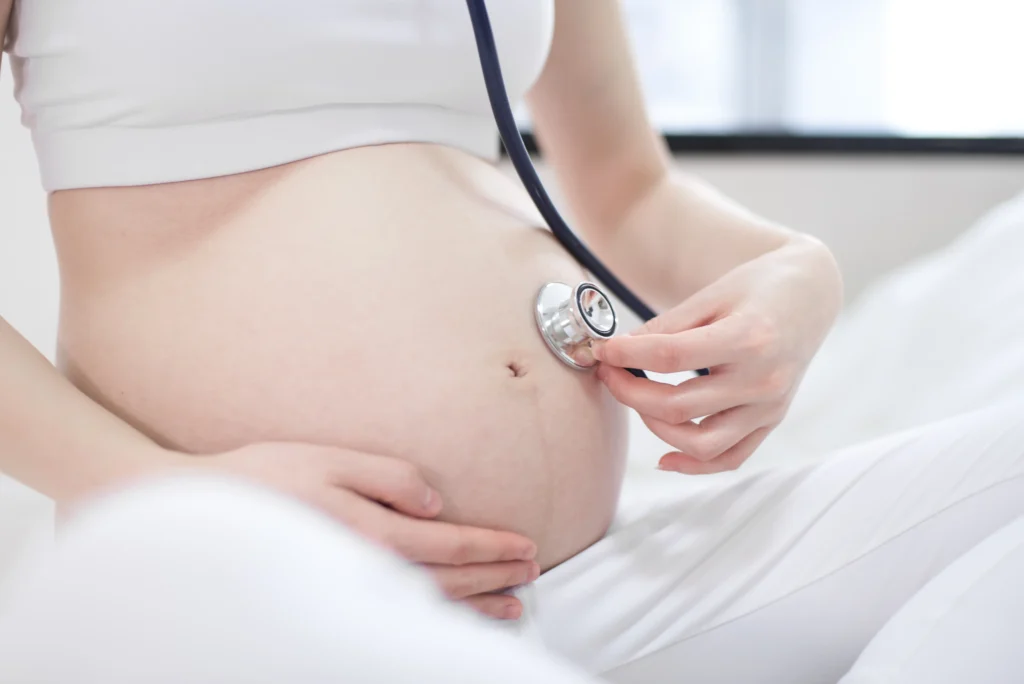
One day you look down and realize your belly button looks completely different.
For some women, an “innie” becomes flatter or even protrudes outward.
Why It Happens
As the abdomen expands, increasing pressure stretches the skin and tissues around the navel.
This can alter the appearance of the belly button.
Should You Be Concerned?
In most cases, no.
A changing belly button is usually a normal consequence of abdominal expansion.
However, significant pain, redness, or a visible bulge that persists should be assessed by a healthcare professional.
Lesser-Known Pregnancy Fact
Many women assume their belly button is the only part of the abdomen that changes shape during pregnancy. In reality, the entire abdominal wall adapts as the uterus grows, including the skin, connective tissues, muscles, and posture.
This is one reason why abdominal sensations often feel very different throughout pregnancy.
You May Feel Clumsier Than Usual
Many pregnant women tell me they suddenly feel awkward.
They bump into furniture.
They misjudge distances.
They feel less coordinated.
Why It Happens
Pregnancy shifts the body’s center of gravity forward.
At the same time:
- Weight distribution changes
- Joint laxity increases
- Balance strategies adapt
These factors can influence coordination and stability.
Physiotherapist Perspective
This is one reason why falls become a concern during pregnancy.
It is not because women become careless.
It is because their bodies are adapting to an entirely new movement pattern.
Your Walking Pattern May Change
Pregnancy often changes the way a woman walks.
Many women do not notice it themselves until someone points it out.
Why Walking Changes
The body naturally adapts to:
- Increased abdominal size
- Changes in balance
- Altered pelvic mechanics
- Shifting center of gravity
Researchers have documented changes in gait patterns during pregnancy, including adjustments that improve stability as pregnancy progresses.
(Branco et al. 2014) examined gait adaptations during pregnancy and documented biomechanical changes affecting walking mechanics.
What Women Commonly Notice
- Shorter steps
- Slower walking speed
- Wider stance
- Increased lower back fatigue
These changes are often normal responses to pregnancy-related biomechanical demands.
Your Rings May Suddenly Feel Tight
One day your rings fit perfectly.
A few weeks later, removing them feels almost impossible.
Many pregnant women are surprised when swelling affects their fingers long before their feet appear swollen.
Why It Happens
Pregnancy increases blood volume and fluid retention throughout the body.
While most people associate swelling with ankles and feet, the hands and fingers can be affected as well.
You may notice:
- Rings becoming difficult to remove
- Puffy fingers in the morning
- Hands feeling slightly stiff
- Tightness around the knuckles
A Practical Tip
If your rings are starting to feel snug, consider removing them before swelling increases further.
As a physiotherapist, I often remind women not to wait until a ring becomes painful or difficult to remove.
In most cases, the swelling improves after pregnancy as fluid balance gradually returns to normal.
You May Notice More Varicose Veins
Many women are surprised when veins that were barely visible before pregnancy suddenly become much more noticeable.
Why Varicose Veins Develop
Pregnancy places additional demands on the circulatory system.
Several factors contribute:
- Increased blood volume
- Hormonal changes that affect vein walls
- Pressure from the growing uterus on pelvic blood vessels
These changes can slow blood return from the legs and increase pressure within veins.
Varicose veins often appear in:
- The calves
- Behind the knees
- The thighs
- Around the ankles
Some women also develop vulvar varicosities, which can be particularly unexpected and concerning.
(Lenkovic et al. 2009) discuss the influence of pregnancy on venous disease development and progression.
Physiotherapist Advice
Movement is one of the best tools available.
Simple habits may help support circulation:
- Regular walking
- Calf muscle exercises
- Avoiding prolonged standing
- Changing sitting positions frequently
The calf muscles act as a natural pump that helps return blood toward the heart.
Stretch Marks Can Appear in Places You Never Expected
Most women expect stretch marks to appear on the abdomen.
What surprises many women is where else they can develop.
Common Locations
Stretch marks may occur on:
- Breasts
- Hips
- Buttocks
- Thighs
- Lower back
- Underarms
As the body grows and adapts, multiple areas of the skin may experience stretching.
Why Stretch Marks Develop
Stretch marks, also known as striae gravidarum, occur when the skin stretches faster than its supporting structures can comfortably adapt.
Genetics appear to play a significant role.
Some women develop many stretch marks despite excellent skin care.
Others develop very few.
(Farahnik et al. 2016) reviewed striae gravidarum and reported that stretch marks are among the most common skin changes experienced during pregnancy.
A Reassuring Perspective
Stretch marks often fade over time.
Although they may not disappear completely, they typically become less noticeable during the months following childbirth.
Did You Know?
Stretch marks affect an estimated 50% to 90% of pregnant women. Genetics appears to play a major role, which is why some women develop many stretch marks while others develop very few, even with similar skincare routines.
Increased Vaginal Discharge Can Be Completely Normal
Many women become concerned when they notice increased vaginal discharge during pregnancy.
In reality, this is often one of the body’s normal adaptations.
What Is Physiologic Leukorrhea?
Leukorrhea refers to the thin, milky discharge commonly experienced during pregnancy.
It develops because of:
- Hormonal changes
- Increased blood flow to reproductive tissues
- Changes within the cervix and vaginal environment
What Normal Discharge Usually Looks Like
Normal pregnancy discharge is often:
- Thin
- Milky white
- Mild-smelling or odorless
An increase in discharge can actually help support the vaginal environment during pregnancy.
(Duarte et al. 2024) discuss physiologic vaginal discharge during pregnancy and the hormonal influences contributing to increased secretions.
When To Speak With Your Healthcare Provider
Seek medical advice if discharge:
- Has a strong unpleasant odor
- Appears green or yellow
- Causes significant itching
- Contains blood
- Resembles a continuous leak of fluid
Your Eyes May Feel Different
Pregnancy can even affect your vision.
Many women are surprised when they suddenly feel that their glasses or contact lenses are not quite right.
Why Vision Changes Occur
Hormonal and fluid-related changes can temporarily affect the eyes.
Some women notice:
- Mild blurry vision
- Contact lens discomfort
- Slight changes in visual clarity
- Dry eyes
(Mackensen 2014) reviewed ocular changes during pregnancy and described temporary physiological changes affecting vision and eye comfort.
The Good News
For most women, these changes are temporary.
Vision often returns to its pre-pregnancy state after delivery.
However, sudden vision changes accompanied by severe headaches, elevated blood pressure, or visual disturbances should be evaluated promptly.
Normal Changes vs When to Seek Advice
| Often Normal | Needs Medical Advice |
|---|---|
| Mild swelling of fingers and feet | Sudden severe swelling |
| Temporary blurry vision | Vision changes with headache or high blood pressure |
| Stretch marks | Rapid skin changes with severe itching |
| Increased discharge | Blood, foul odor, or fluid leakage |
You May Feel Hotter Than Everyone Around You
One of the most common comments I hear is:
“I am hot all the time.”
Meanwhile, everyone else in the room feels perfectly comfortable.
Why It Happens
Pregnancy increases metabolic demands.
The cardiovascular system works harder, blood flow increases, and the body becomes more efficient at dissipating heat.
As a result, many women notice:
- Feeling warmer than usual
- Increased facial flushing
- Reduced tolerance to hot weather
- Difficulty sleeping in warm rooms
A Lesser-Known Fact
Feeling warmer does not necessarily mean your body temperature is dangerously elevated.
Often, it reflects the body’s normal adaptations to support pregnancy.
Practical Strategies
Many women find relief by:
- Wearing breathable fabrics
- Staying hydrated
- Sleeping in a cooler room
- Using fans when needed
You May Sweat More Than Before
Closely related to feeling warmer is an increase in sweating.
Some women notice this change early in pregnancy.
Others experience it later.
Why Sweating Increases
As the body works to regulate temperature and support increased circulation, sweating can become more noticeable.
You may find yourself:
- Sweating more at night
- Feeling damp after mild activity
- Reaching for lighter clothing more often
Although it can be frustrating, it is often a normal consequence of the body’s efforts to regulate heat.
Even Your Body Odor May Seem Different
This is one of the least discussed pregnancy changes.
Many women report noticing a change in their natural scent.
Why This Happens
Researchers are still exploring the exact reasons.
Possible contributing factors include:
- Hormonal changes
- Increased sweating
- Changes in skin bacteria
- Alterations in skin secretions
Pregnancy Symptoms That Should Never Be Ignored
- Heavy vaginal bleeding
- Severe abdominal pain
- Persistent severe headache
- Visual disturbances
- Chest pain
- Significant reduction in fetal movement
- Sudden facial swelling
- Severe shortness of breath
- High fever
- Continuous fluid leakage
If you experience any of these symptoms, seek medical attention promptly.
An Important Reminder
A change in body odor does not mean poor hygiene.
It is often another reflection of the many hormonal and physiological changes occurring during pregnancy.
Myths vs Facts About Pregnancy Body Changes
| Myth | Fact |
|---|---|
| Only the belly changes during pregnancy. | Pregnancy can affect the skin, feet, gums, circulation, vision, and posture. |
| Stretch marks only appear on the abdomen. | They may also develop on the breasts, hips, thighs, and buttocks. |
| Feeling hot means something is wrong. | Many women naturally feel warmer because of increased circulation and metabolism. |
| Nasal congestion always means a cold. | Pregnancy rhinitis can cause congestion even without infection. |
Physiotherapist’s Advice
Understanding unexpected body changes during pregnancy can help you :
feel more prepared, informed, and confident as your body adapts to support your growing baby.
One of the biggest lessons pregnancy teaches is that the body is constantly adapting.
Many changes that initially seem strange are actually signs that your body is working incredibly hard behind the scenes.
As a physiotherapist, I encourage women to focus on function rather than appearance.
Ask yourself:
- Am I moving comfortably?
- Am I staying active?
- Am I supporting my body with good habits?
- Am I seeking advice when something feels concerning?
Pregnancy is not about maintaining your pre-pregnancy body.
It is about supporting a body that is doing something extraordinary.
Final Thoughts
Pregnancy is full of changes, but not all of them happen where you expect. While most women anticipate a growing belly, many are surprised by changes in their feet, skin, gums, vision, circulation, posture, and even the way they walk.
These unexpected body changes can sometimes feel confusing or worrying, especially when nobody has warned you about them beforehand. Fortunately, many of these changes are completely normal responses to the hormonal, physical, and circulatory adaptations that support a growing baby.
As a physiotherapist, I encourage women to view these changes through a different lens. Rather than asking, “Why is my body changing so much?” try asking, “What is my body doing to support this pregnancy?” That shift in perspective can often replace anxiety with appreciation.
Most importantly, remember that every pregnancy is different. Some women experience many of these changes, while others notice very few. Staying informed, listening to your body, and seeking professional guidance when something feels unusual can help you navigate pregnancy with greater confidence and peace of mind.
Frequently Asked Questions
Can pregnancy permanently change my feet?
Some women experience temporary swelling, while others may notice lasting changes in foot size or arch shape after pregnancy. Supportive footwear can help improve comfort during this time.
Why did a dark line suddenly appear on my belly?
This line, called linea nigra, develops because pregnancy hormones increase melanin production and skin pigmentation. It often fades after childbirth.
Is it normal to have a blocked nose during pregnancy?
Yes. Pregnancy rhinitis can cause nasal congestion because hormonal and circulatory changes affect the tissues inside the nose.
Why are my gums bleeding more than usual?
Pregnancy-related hormonal changes can make gum tissues more sensitive and prone to inflammation, which may lead to bleeding during brushing or flossing.
Can pregnancy affect my eyesight?
Some women experience temporary changes in vision, dry eyes, or contact lens discomfort because of hormonal and fluid-related changes affecting the eyes.
Why do my rings suddenly feel tight?
Increased blood volume and fluid retention can cause swelling in the fingers and hands, making rings feel tighter than usual.
Is increased vaginal discharge normal during pregnancy?
Yes. Thin, milky-white discharge known as leukorrhea is often a normal response to hormonal changes and increased blood flow to reproductive tissues.
When should I be concerned about body changes during pregnancy?
Seek medical advice if symptoms are severe, sudden, worsening, or accompanied by bleeding, severe headaches, visual disturbances, chest pain, reduced fetal movement, or difficulty breathing.
Stay tuned with us for more health related topics.
Follow us on LinkedIn and Instagram for more.
More Read


Medical Disclaimer!
This article has been reviewed and written under the guidance of our Head Physiotherapist, Dr. Kruti Raj (PT, MUHS,CPT,CMPT). The information shared is intended for educational purposes only and should not be considered a substitute for personalized medical advice, diagnosis, or treatment.
Please consult us or any other qualified healthcare professional before beginning any exercise program, especially if you are experiencing pain, recovering from injury, or managing a medical condition.


