vcure long logo vcure long logo
  • Physiotherapy
  • Health & Fitness
  • News
Reading: Safe Pain Relief or Silent Killer? The Truth About Diclofenac
V CureV Cure
Font ResizerAa
Search
Follow US
© Vcure Healthcare 2025. All Rights Reserved.
Diclofenac heart risk
Health & Fitness

Safe Pain Relief or Silent Killer? The Truth About Diclofenac

VCure Healthcare
Last updated: March 23, 2025 3:43 PM
By VCure Healthcare
5 Min Read
Share
Safe alternatives to Diclofenac
SHARE

Introduction

Diclofenac, a widely used nonsteroidal anti-inflammatory drug (NSAID), is often prescribed to relieve pain and reduce inflammation. While it is effective for conditions like arthritis, muscle pain, and migraines, recent research has raised concerns about its impact on cardiovascular health. Could this common painkiller be silently harming your heart? Let’s dive into the latest findings to understand the risks and explore safer alternatives.

What is Diclofenac?

Diclofenac belongs to the NSAID family, which works by reducing the production of prostaglandins – chemicals responsible for inflammation, pain, and fever. Available both over-the-counter and by prescription, it comes in various forms including tablets, gels, and injections.

While it provides effective relief, its use is often prolonged, especially in individuals with chronic conditions. But recent studies suggest that regular or excessive use could lead to severe cardiovascular risks.
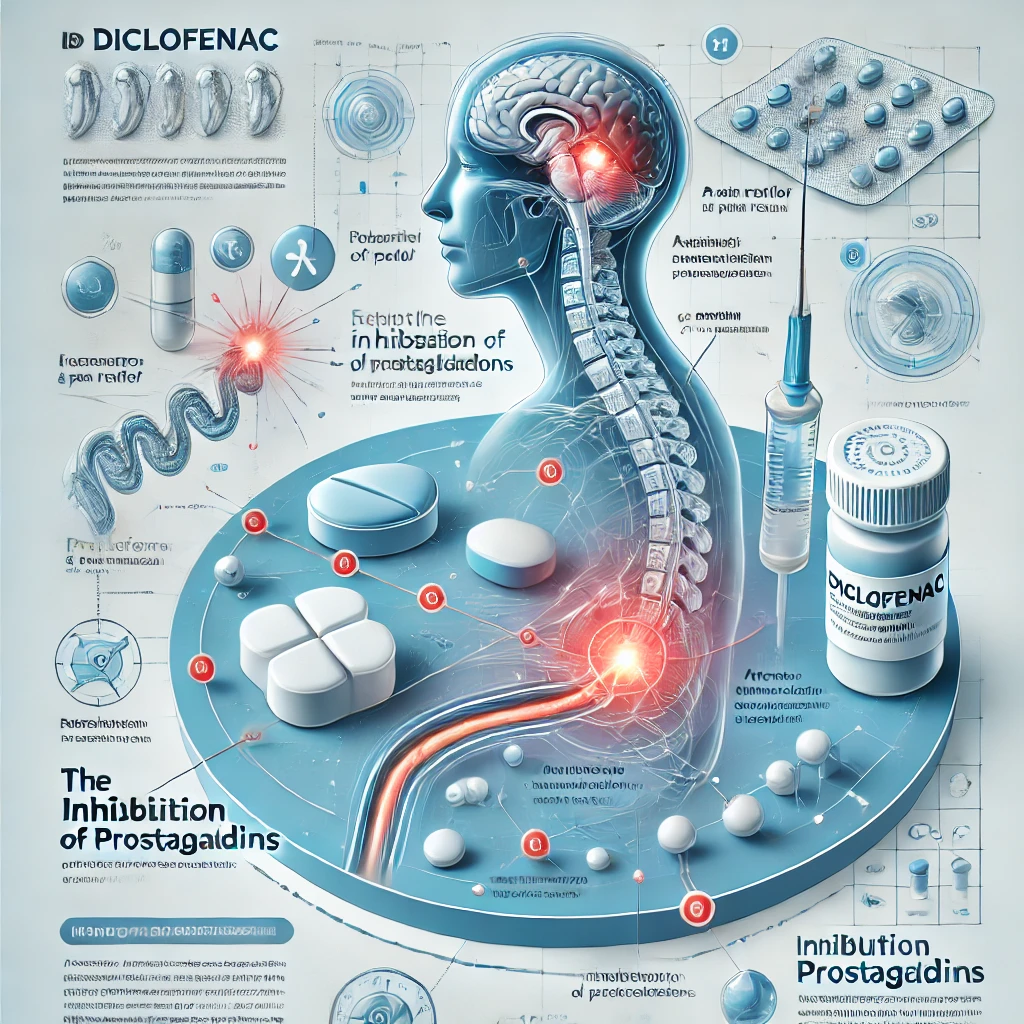
Diclofenac heart risk
Medical infographic illustrating how Diclofenac works for pain relief.

Understanding the Heart Risks

Multiple studies, including one published in the British Medical Journal (BMJ), have highlighted the link between diclofenac and heart issues. Here’s how it affects your cardiovascular system:

  1. Increased Risk of Heart Attack and Stroke: Diclofenac may raise blood pressure and cause blood vessel constriction, leading to an increased risk of heart attacks and strokes.
  2. Blood Clot Formation: It can alter blood clotting mechanisms, making clots more likely to form and block arteries.
  3. Heart Failure: Long-term use may result in fluid retention, worsening heart failure symptoms in vulnerable individuals.
  4. Arrhythmias: Some cases report irregular heart rhythms associated with diclofenac use, posing further risks for those with pre-existing conditions.

Who is Most at Risk?

While anyone using diclofenac could face these risks, the following groups are particularly vulnerable:

  • Individuals with a history of heart disease or stroke
  • Smokers and those with high cholesterol or hypertension
  • Older adults and those with obesity
  • People using diclofenac in high doses or for long periods

Recent Research and Findings

A large-scale study from Denmark followed over 6 million participants and found a 50% increased risk of heart attack or stroke within the first 30 days of diclofenac use compared to other NSAIDs like ibuprofen or naproxen.

Additionally, the European Medicines Agency (EMA) and the U.S. Food and Drug Administration (FDA) have issued warnings about the cardiovascular risks associated with diclofenac. Some countries have even limited its availability to prescription-only status.

Safer Alternatives to Diclofenac

If you are concerned about the risks but need pain relief, consider these safer options:

  1. Acetaminophen (Paracetamol): Effective for mild to moderate pain, it is generally safer for the heart.
  2. Naproxen: While also an NSAID, it has shown a lower risk of heart issues compared to diclofenac.
  3. Topical Treatments: Gels and creams containing NSAIDs reduce systemic exposure, minimizing cardiovascular risks.
  4. Physical Therapy: Exercise and physiotherapy can relieve chronic pain without the need for medications.
  5. Natural Remedies: Options like turmeric, ginger, and omega-3 fatty acids have anti-inflammatory properties and may offer pain relief.

Tips to Use Diclofenac Safely

If diclofenac is the only viable option for your condition, follow these tips to minimize the risks:

  • Use the lowest effective dose for the shortest duration possible.
  • Monitor your blood pressure regularly.
  • Avoid combining it with other NSAIDs or blood-thinning medications.
  • Discuss your medical history with your healthcare provider.
  • Stay hydrated and maintain a balanced diet to support heart health.

Conclusion

While diclofenac remains a powerful pain relief option, it is essential to weigh its benefits against the potential cardiovascular risks. Being informed and exploring safer alternatives can help you make better decisions for your health.

If you’re using diclofenac or considering it, speak to your doctor about your individual risk factors. With careful management, you can alleviate pain without compromising your heart health.

Read About : Why Your Back Hurts: An Epic Conversation Between Your Spine and Muscles

Visit Us At : https://g.co/kgs/rTqAjgt

You Might Also Like

This Simple Sleep Calculator For Waking Up Refreshed Is A game Changer

The Hidden Indian Herb That Can Reverse Diabetes Naturally!

The art of meditation-

Doctor Shares This Simple Checklist to Spot Skin Cancer Early

Headache After Cracking Neck? Know What Your Body Is Warning

TAGGED:anti inflammatoryarthritisblood pressureblood thinning medicationscardiac arrestdiclofenacdiclofenac and heart attackDr Kruti RajDr Kruti VelanidrugsHeart attackhome remediesHow to prevent heart attacksinflammationmigrainemigraine headachemigrainesmuscle painmyocardial infarctionnaproxenNSAIDpain reliefpainkillerparacetamolphysiotherapist near mephysiotherapypowerful pain killerprecautions for diclofenacpressure points in migrainesafe painkillerside effects of diclofenacside effects of painkillerstreatment of migrainevcurehealthcare
Share This Article
Facebook Email Copy Link Print

Latest

how to relieve stress headache instantly
How To Relieve Stress Headache Instantly? 7-Day Routine for Tension Headaches
Physiotherapy
mistakes when treating headaches at home
10 Most Common Mistakes When Treating Headaches At Home
Physiotherapy
why painkillers not working for headache
Why Painkillers Not Working For Headache? What Actually Works
Physiotherapy
Exercises that worsen headaches
Exercises That Worsen Headaches. Stop Doing These Now
Physiotherapy

More Articles

mistakes when treating headaches at home
Physiotherapy

10 Most Common Mistakes When Treating Headaches At Home

By Dr. Kruti Raj (PT, MUHS, CPT, CMPT)
16 Min Read
why painkillers not working for headache

Why Painkillers Not Working For Headache? What Actually Works

By Dr. Kruti Raj (PT, MUHS, CPT, CMPT)
how to relieve stress headache instantly
Physiotherapy

How To Relieve Stress Headache Instantly? 7-Day Routine for Tension Headaches

By Dr. Kruti Raj (PT, MUHS, CPT, CMPT)
19 Min Read
Physiotherapy

Exercises That Worsen Headaches. Stop Doing These Now

Exercises that worsen headaches are often the ones you least suspect, quietly triggering pain even when…

By Dr. Kruti Raj (PT, MUHS, CPT, CMPT)
Physiotherapy

Why Didn’t My Physio Give Me Exercises Immediately For Headache

If you walked out thinking, “why didn’t my physio give me exercises?”, you’re not alone. It’s one…

By Dr. Kruti Raj (PT, MUHS, CPT, CMPT)
Physiotherapy

Why My Headache Is Not Getting Better? Learn What’s Wrong

Why my headache is not getting better often means the real cause is still being missed.…

By Dr. Kruti Raj (PT, MUHS, CPT, CMPT)
Physiotherapy

Headache Diagnosis Methods: A Complete Guide to Chronic Headache Diagnosis

If you’re exploring headache diagnosis methods, the first step is understanding that most headaches aren’t random, they…

By Dr. Kruti Raj (PT, MUHS, CPT, CMPT)
Physiotherapy

How Physiotherapists Assess Headaches? What I Check First

How physiotherapists assess headaches goes beyond just symptoms. We systematically identify the root cause to guide…

By Dr. Kruti Raj (PT, MUHS, CPT, CMPT)
Physiotherapy

How Long Does Headache Last? Know The Headache Recovery Timeline

If your neck pain is triggering headaches, the first question that comes to mind is simple:…

By Dr. Kruti Raj (PT, MUHS, CPT, CMPT)
V Cure

Vcure Healthcare is All-in-One integrated Healthcare platform which helps to better manage chronic illnesses, prescription management & creates a continuum of care.

Categories

  • Physiotherapy
  • Health & Fitness
  • Child & Mother Care
  • Mental Health
  • Lifestyle
  • Diet & Nutrition
  • womens health
  • healthcare news

Quick Links

  • About Us
  • Contact

© Vcure Healthcare 2025. All Rights Reserved.

Welcome Back!

Sign in to your account

Username or Email Address
Password

Lost your password?

Not a member? Sign Up