
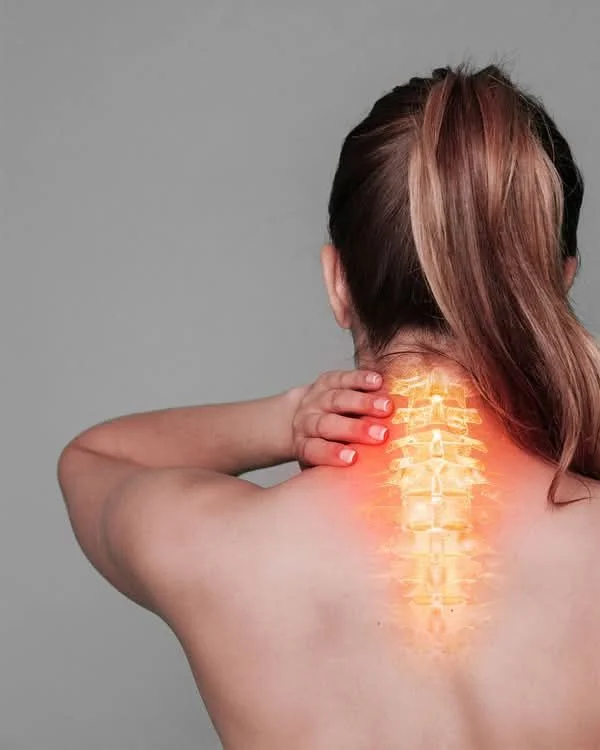

Cervical disc degeneration is one of the most common causes of chronic neck pain worldwide. As lifestyles become increasingly sedentary and technology-driven, more people are developing early degenerative changes in the cervical spine.
Although the condition is often associated with aging, modern research shows that it can begin much earlier and may even appear in people in their twenties.
Understanding cervical disc degeneration is essential because it plays a central role in several neck disorders including cervical spondylosis, disc herniation, cervical radiculopathy, and degenerative cervical myelopathy.
Early awareness, lifestyle modifications, and physiotherapy can significantly slow its progression and improve quality of life.
This article explains the science behind cervical disc degeneration, its causes, symptoms, recent research findings, and physiotherapy strategies that help manage the condition effectively.
Get our Complete Guide to Neck Pain: Causes, Symptoms, Exercises and Treatment
Understanding the Cervical Spine
The cervical spine consists of seven vertebrae labeled C1 to C7. Between these vertebrae lie intervertebral discs, which act as shock absorbers and allow the neck to move freely in multiple directions.
Each disc has two major components:
Nucleus pulposus– a soft, gel-like center that distributes pressure
Annulus fibrosus– a tough outer ring that provides structural support
Healthy discs contain a high percentage of water and proteoglycans. These components help maintain disc height and flexibility.
However, as people age or experience repetitive stress, the discs begin to lose hydration and elasticity. This gradual breakdown is known as cervical disc degeneration.
Read in detail about: What is Cervical Spondylosis? The Truth Behind Chronic Neck Pain
What Is Cervical Disc Degeneration?
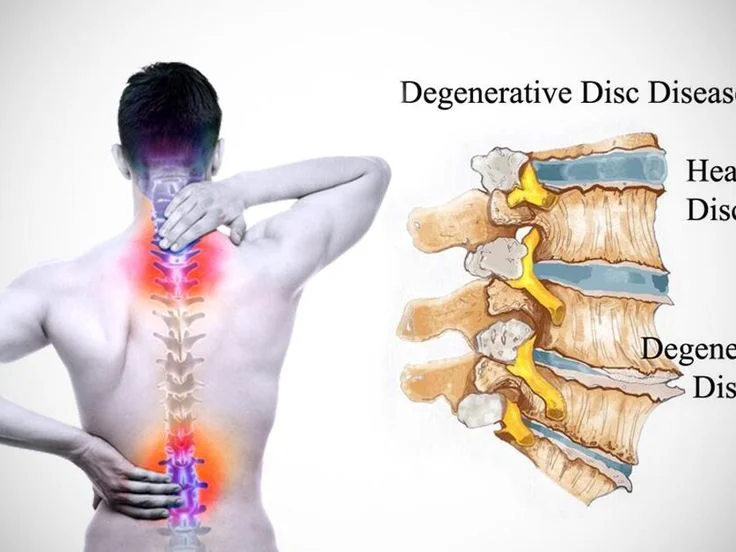
Cervical disc degeneration refers to the gradual deterioration of the intervertebral discs in the neck. As discs age, they lose water content, become thinner, and develop small tears within the annulus fibrosus.
These structural changes reduce the disc’s ability to absorb shock and maintain normal spinal alignment.
Research shows that disc degeneration is actually a natural biological process. The intervertebral discs rely on diffusion from surrounding tissues for nutrition, and with time this supply decreases, leading to dehydration and structural weakening. (NCBI)
As degeneration progresses, several secondary changes may occur:
- Reduced disc height
- Disc bulging or herniation
- Osteophyte (bone spur) formation
- Facet joint degeneration
- Nerve compression
Together, these changes can produce pain, stiffness, and neurological symptoms.
How Common Is Cervical Disc Degeneration?
Recent epidemiological studies reveal that cervical disc degeneration is extremely common.
A large radiographic study evaluating people aged 18 to 97 years found that over 53 percent of individuals already had cervical disc degeneration visible on imaging. (PubMed)
Interestingly, degeneration can begin surprisingly early. MRI studies show mild disc degeneration even in healthy individuals in their twenties, and the condition becomes significantly more common after age 40. (ScienceDirect)
Another important finding is that degeneration most frequently affects the C5-C6 spinal level, which bears significant mechanical stress during neck movement. (Frontiers)
Read more : 15 Common Causes of Neck Pain You Should Know
Causes and Risk Factors

Although aging is the primary factor, several biological and lifestyle influences contribute to cervical disc degeneration.
1. Age-Related Changes
With age, intervertebral discs lose water and structural proteins. This causes the disc to become thinner and less flexible.
Disc dehydration also increases stress on the outer annulus fibrosus, making it more prone to fissures and tears. (NCBI)
2. Poor Posture
Forward head posture, commonly seen in prolonged smartphone or laptop use, places excessive load on cervical discs.
Even a small forward tilt of the head significantly increases the mechanical stress on the cervical spine.
3. Repetitive Neck Movements
Occupations that involve repetitive neck movements or prolonged static positions can accelerate degenerative changes.
Examples include:
- Office workers
- Dentists
- Surgeons
- Drivers
- Programmers
4. Smoking
Smoking reduces blood flow to spinal tissues and interferes with disc nutrition, accelerating degeneration.
5. Genetics
Studies suggest that genetic factors influence collagen structure within discs, making some individuals more susceptible to early degeneration.
6. Medical Conditions
Certain health conditions have been associated with increased cervical disc degeneration risk, including:
- Diabetes
- Hypertension
- Hypothyroidism
- Depression
- Peripheral vascular disease
These comorbidities may influence inflammatory processes and tissue health. (ScienceDirect)
Read about: The Best Physiotherapy Exercises for Cervical Spondylosis Relief
Lesser Known Facts About Cervical Disc Degeneration
Degeneration Does Not Always Cause Pain
One surprising finding from spinal research is that many people with severe disc degeneration do not experience symptoms.
Imaging abnormalities often appear in completely healthy individuals, which means structural changes alone do not always lead to pain.
Pain usually develops when degeneration irritates nearby nerves or affects spinal stability.
Muscle Health Influences Disc Degeneration
Recent research has demonstrated a strong link between paravertebral muscle health and disc degeneration.
Loss of muscle mass and fatty infiltration in cervical muscles may increase spinal instability and accelerate degenerative changes. (Frontiers)
This discovery highlights the importance of strengthening exercises in preventing neck disorders.
Disc Degeneration Begins Earlier Than Previously Thought
Contrary to earlier assumptions, disc degeneration may start in the second decade of life, meaning it can begin in late adolescence or early adulthood. (NCBI)
However, symptoms usually appear much later.
Symptoms of Cervical Disc Degeneration
Symptoms vary depending on the severity of degeneration and whether nerves are affected.
Common symptoms include:
- Chronic neck pain
- Neck stiffness
- Reduced range of motion
- Headaches originating from the neck
- Shoulder pain
- Arm numbness or tingling
- Muscle weakness in the arm
In more severe cases, spinal cord compression may lead to:
- Difficulty walking
- Balance problems
- Loss of hand coordination
Degenerative cervical myelopathy patients often report neck pain, with studies showing that around 79 percent experience neck discomfort before surgery. (PubMed)
Stages of Cervical Disc Degeneration
Cervical disc degeneration typically progresses through several stages.
Stage 1- Disc Dehydration
The nucleus pulposus begins losing water content, reducing disc flexibility.
Stage 2- Disc Bulging
The outer annulus weakens, allowing the disc to bulge outward.
Stage 3- Disc Herniation
A tear in the annulus allows the nucleus to protrude outward, potentially compressing nerves.
Stage 4- Advanced Degeneration
Bone spurs and joint degeneration develop, sometimes narrowing the spinal canal.
Diagnosis
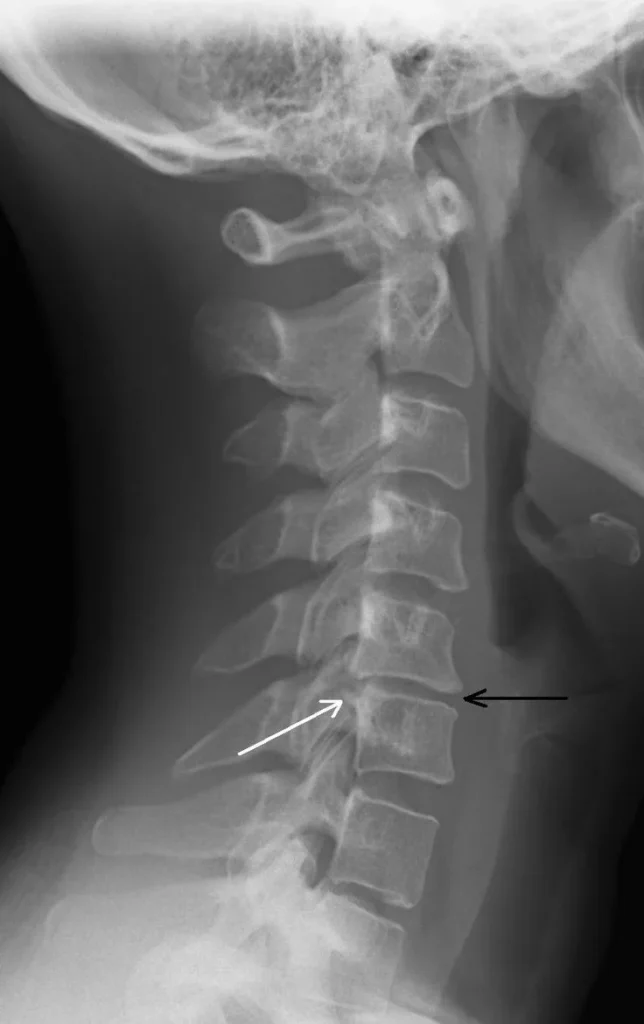
Diagnosis typically involves a combination of clinical examination and imaging.
Common diagnostic methods include:
- X-ray
- MRI scan
- CT scan
- Neurological examination
MRI is particularly useful because it shows disc hydration, nerve compression, and spinal cord involvement.
New research is exploring artificial intelligence tools that automatically analyze MRI images to measure disc height and spinal canal dimensions more accurately. (arXiv)
These technologies may improve early diagnosis in the future.
Read about: Effective Neck Pain Exercises At Home: A Complete Guide to Relief and Improved Mobility
Physiotherapy Management
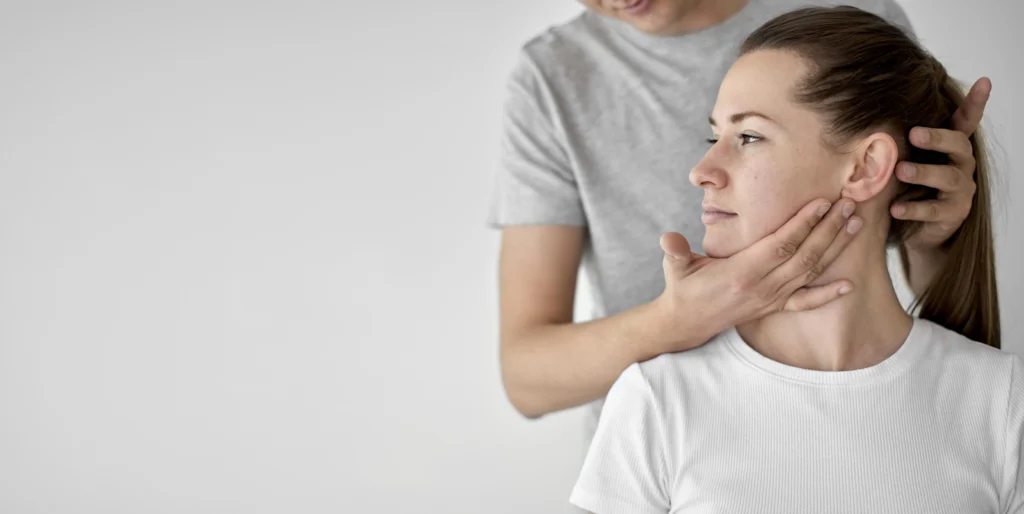
Physiotherapy is one of the most effective conservative treatments for cervical disc degeneration.
The goals of physiotherapy include:
- Reducing pain
- Improving spinal mobility
- Strengthening neck muscles
- Enhancing posture
- Preventing further degeneration
Neck Mobility Exercises
Gentle mobility exercises help restore normal cervical movement.
Examples include:
- Neck rotations
- Side bending
- Flexion and extension movements
Deep Neck Flexor Strengthening
Deep neck flexor muscles stabilize the cervical spine and support proper posture.
Exercises such as chin tucks activate these muscles and reduce mechanical stress on discs.
Postural Correction
Postural retraining focuses on correcting forward head posture and rounded shoulders.
Ergonomic modifications at workstations are often recommended.
Manual Therapy
Manual therapy techniques performed by physiotherapists may include:
- Joint mobilization
- Soft tissue release
- Myofascial therapy
These interventions help reduce muscle tension and improve spinal mobility.
Learn About: The Ultimate Neck Stretch Routine for Desk Workers in 2026
Emerging Treatments and New Research
Recent advances in spine medicine are improving treatment options for cervical disc degeneration.
Artificial Disc Replacement
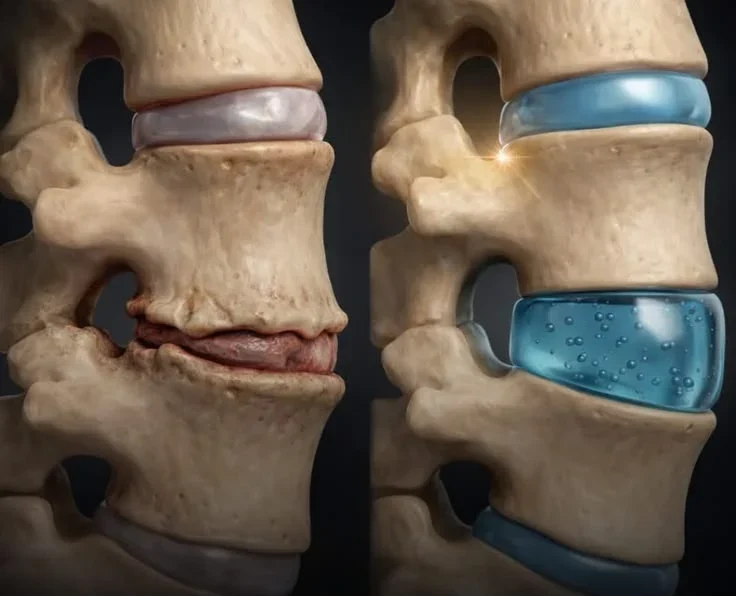
Artificial disc replacement surgery aims to preserve spinal movement while replacing damaged discs.
Advanced implant designs are now being developed using computational modeling to better mimic natural spinal mechanics. (arXiv)
Regenerative Medicine
Researchers are investigating regenerative approaches such as:
- Stem cell therapy
- Growth factor injections
- Tissue engineering
Although promising, these treatments are still under clinical investigation.
Wearable Posture Technology
New wearable devices can monitor head position and provide real-time posture feedback, helping prevent excessive cervical strain.
Learn how posture affects neck pain and correction exercises in our article on Simple Posture Correction Exercises for Forward Head Posture
Prevention Strategies
Although aging cannot be stopped, several strategies may slow cervical disc degeneration.
- Maintain proper posture during work
- Take frequent breaks from screens
- Perform daily neck mobility exercises
- Strengthen upper back muscles
- Use ergonomic workstation setups
- Avoid prolonged forward head posture
- Maintain regular physical activity
Early intervention and preventive exercises can significantly reduce the risk of chronic neck pain.
Clinical Insight
Many patients become worried when MRI reports mention “disc degeneration.” However, degeneration does not automatically mean severe disease. In many individuals, it represents natural aging changes.
The key factor determining symptoms is not just disc changes but the overall health of surrounding muscles, joints, and nerves.
Strengthening the cervical muscles and improving posture often produces excellent results even when imaging shows degenerative changes.
Also read: How to Relieve Neck Tightness Without Equipment
Physio Prescription
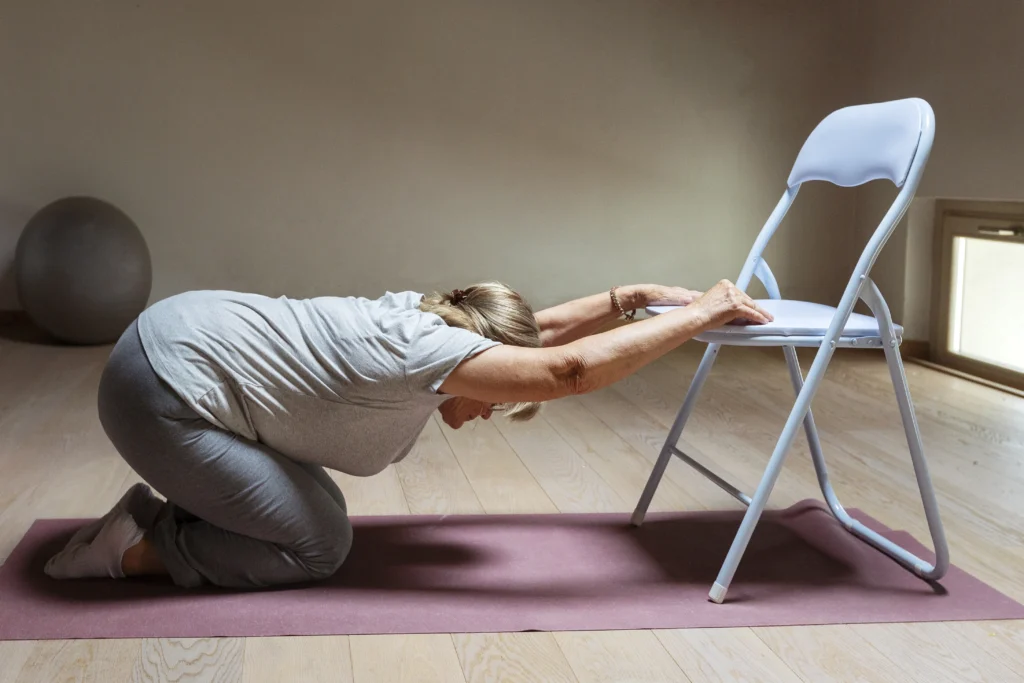
Patients with cervical disc degeneration can benefit from a simple daily routine.
- Chin tuck exercise- 10 repetitions (Learn How to do Chin Tucks for Neck Pain Relief and Posture Correction)
- Neck rotation mobility exercise- 10 repetitions each side
- Shoulder blade squeeze– 15 repetitions
- Upper trapezius stretch– 30 seconds each side
- Thoracic extension exercise- 10 repetitions
Performing these exercises regularly helps stabilize the cervical spine and reduce pain.
Red Flags
Immediate medical consultation is required if neck pain is associated with:
- Progressive arm weakness
- Difficulty walking
- Loss of balance
- Severe trauma
- Bladder or bowel dysfunction
These symptoms may indicate spinal cord compression.
Myth About Cervical Disc Degeneration
A common myth is that cervical disc degeneration always requires surgery.
In reality, most patients improve with conservative treatments such as physiotherapy, lifestyle changes, and pain management. Surgery is usually reserved for severe neurological complications.
Frequently Asked Questions
What is cervical disc degeneration?
Cervical disc degeneration is the gradual wear and tear of the discs in the neck, which can lead to neck pain, stiffness, and reduced mobility.
What are the common symptoms of cervical disc degeneration?
Typical symptoms include chronic neck pain, stiffness, headaches, reduced neck movement, and sometimes tingling or numbness in the arms.
Can physiotherapy help cervical disc degeneration?
Yes. Physiotherapy can help reduce pain, improve spinal mobility, strengthen neck muscles, and slow further degeneration.
Which exercises are best for cervical disc degeneration?
Deep neck flexor strengthening, gentle cervical mobility exercises, posture correction exercises, and scapular stabilization exercises are commonly recommended.
How long does recovery take with physiotherapy?
Most patients experience noticeable improvement within 4 to 8 weeks with regular physiotherapy and consistent home exercises.
What activities should be avoided in cervical disc degeneration?
Avoid prolonged forward head posture, sudden neck movements, heavy lifting on the shoulders, and long hours of continuous screen use.
Can cervical traction help disc degeneration?
Yes. Cervical traction may help reduce pressure on spinal discs and nerves, providing temporary relief from pain and stiffness.
Can lifestyle changes improve cervical disc degeneration?
Yes. Maintaining good posture, regular exercise, ergonomic work setups, and proper neck support during sleep can help manage symptoms.
Final Word
Cervical disc degeneration is a common condition that develops gradually over time. While it is strongly linked to aging, modern lifestyle factors such as prolonged screen use and poor posture are accelerating its onset.
The encouraging news is that early awareness, physiotherapy, and regular exercise can significantly slow the progression of degeneration and relieve symptoms.
By maintaining spinal mobility, strengthening cervical muscles, and practicing healthy posture habits, individuals can protect their neck health and maintain an active, pain-free life for many years.
Stay tuned with us for more health related topics.
Follow us on LinkedIn and Instagram for more.
More Read


Medical Disclaimer!
This article has been reviewed and written under the guidance of our Head Physiotherapist, Dr. Kruti Raj (PT, MUHS,CPT,CMPT). The information shared is intended for educational purposes only and should not be considered a substitute for personalized medical advice, diagnosis, or treatment.
Please consult us or any other qualified healthcare professional before beginning any exercise program, especially if you are experiencing pain, recovering from injury, or managing a medical condition.


