Acanthosis nigricans is a skin condition characterized by dark, thickened, and velvety patches of skin, most commonly found on the neck, underarms, groin, and other body folds.
While these skin changes are usually harmless and not contagious,
they often indicate an underlying health condition, particularly insulin resistance, which is common in women with Polycystic Ovary Syndrome (PCOS).
Quick Answer
Yes. PCOS can cause dark, thick, velvety skin patches known as acanthosis nigricans. These patches most commonly appear on the neck, underarms, groin, elbows, knees, and knuckles. They develop primarily due to insulin resistance, a common feature of PCOS, rather than poor hygiene. Managing insulin resistance through healthy eating, regular exercise, weight management, and appropriate medical treatment can gradually improve both skin appearance and overall metabolic health.
For many women, dark skin patches can be one of the earliest visible signs of PCOS, sometimes appearing even before menstrual irregularities or other symptoms become noticeable.
Although the discoloration itself is not dangerous, it signals that the body may not be responding effectively to insulin, increasing the risk of type 2 diabetes and other metabolic complications if left untreated.
The good news is that acanthosis nigricans can often improve with early diagnosis, effective management of PCOS, healthy lifestyle changes, and treatment of insulin resistance.
Understanding why these skin changes occur is the first step toward improving both skin health and overall well-being.
Key Takeaways
- Acanthosis nigricans is a common skin manifestation of PCOS.
- Dark skin patches are strongly linked to insulin resistance rather than poor hygiene.
- The neck, underarms, groin, elbows, knees, and knuckles are the most commonly affected areas.
- Early recognition of acanthosis nigricans may help detect insulin resistance before diabetes develops.
- Weight management, healthy eating, and regular physical activity are the cornerstone treatments.
- Medications such as metformin may improve insulin sensitivity when recommended by a healthcare provider.
- Topical creams and cosmetic procedures may improve skin appearance but do not treat the underlying cause.
- Early diagnosis and consistent lifestyle changes can improve both skin health and long-term metabolic outcomes.
What Is Acanthosis Nigricans?
Acanthosis nigricans (AN) is a skin condition in which certain areas of the skin become:
- Darker than the surrounding skin
- Thickened
- Velvety in texture
- Slightly raised in appearance
These changes develop gradually and are most commonly seen in body folds where skin rubs together.
Unlike bruises or skin infections, acanthosis nigricans is not contagious, does not spread through contact, and is generally painless.
However, some individuals may experience mild itching, irritation, or an unpleasant odor if the affected areas become moist.
Acanthosis nigricans is not a disease itself but rather a clinical sign that often points to an underlying condition such as:
insulin resistance, obesity, hormonal disorders like PCOS, certain medications, or, rarely, an internal malignancy.
Can PCOS Cause Dark Skin Patches?
Yes.
PCOS is one of the most common causes of acanthosis nigricans in women of reproductive age.
Many women with PCOS have insulin resistance, meaning their body’s cells do not respond effectively to insulin.
To compensate, the pancreas produces more insulin than normal, resulting in hyperinsulinemia (high insulin levels).
Excess insulin stimulates skin cells known as keratinocytes and fibroblasts, causing them to multiply more rapidly.
As these cells accumulate, the skin becomes thicker, darker, and velvety, leading to the characteristic appearance of acanthosis nigricans.
Not every woman with PCOS develops dark skin patches.
The likelihood depends on several factors, including:
- Degree of insulin resistance
- Body weight
- Genetic predisposition
- Severity of metabolic dysfunction
- Ethnicity
The presence of acanthosis nigricans should prompt evaluation for insulin resistance and other metabolic abnormalities associated with PCOS.
Why Does PCOS Cause Acanthosis Nigricans?
The primary reason women with PCOS develop acanthosis nigricans is insulin resistance rather than the hormonal imbalance alone.
In insulin resistance:
- Body cells become less responsive to insulin.
- The pancreas produces increasing amounts of insulin.
- Excess insulin stimulates growth factor receptors in the skin.
- Skin cells multiply more rapidly than normal.
- Melanin production may also increase.
- The affected skin gradually becomes thicker and darker.
This process occurs slowly over months or years and often parallels the progression of metabolic abnormalities.
Although elevated androgen levels contribute to many symptoms of PCOS, insulin resistance plays the dominant role in the development of acanthosis nigricans.
The Link Between Insulin Resistance and Dark Skin
Insulin is a hormone that helps glucose move from the bloodstream into body cells for energy.
When cells become resistant to insulin:
- Blood glucose becomes more difficult to control.
- The pancreas compensates by producing more insulin.
- High insulin levels stimulate insulin-like growth factor (IGF) receptors in skin tissues.
- Skin cells and pigment-producing cells become more active.
- The skin gradually becomes thickened and hyperpigmented.
Because of this relationship, acanthosis nigricans is widely recognized as a visible marker of insulin resistance.
Its presence may also indicate an increased risk of:
- Prediabetes
- Type 2 diabetes
- Metabolic syndrome
- Cardiovascular disease
Early identification of these skin changes provides an opportunity to detect and manage metabolic problems before more serious complications develop. (StatPearls).
Common Areas Where Dark Skin Patches Appear
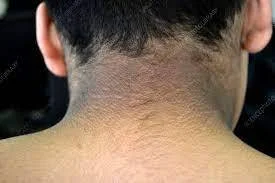
Acanthosis nigricans most commonly affects areas where skin naturally folds or experiences friction.
Neck
The back and sides of the neck are the most frequently affected areas. The skin often appears darker, thicker, and velvety.
Underarms
Dark patches commonly develop in the armpits and may become more noticeable over time.
Groin
The skin around the groin and inner thighs may become darker due to both insulin resistance and skin friction.
Elbows
Some women notice thickened, darker skin over the elbows, although this is less common than neck involvement.
Knees
The knees may develop mild hyperpigmentation and roughness in some individuals.
Knuckles
Darkening of the knuckles and finger joints may occur and can sometimes be one of the earliest visible signs of insulin resistance.
Symptoms Associated with Acanthosis Nigricans
The appearance of acanthosis nigricans varies from person to person.
Common symptoms include:
- Dark brown, gray, or black patches of skin
- Thickened skin
- Velvety texture
- Gradual progression over time
- Symmetrical involvement on both sides of the body
- Mild itching in some individuals
- Occasional skin irritation
- Unpleasant odor in moist skin folds
Women with PCOS who have acanthosis nigricans may also experience other features of insulin resistance and hormonal imbalance, such as:
- Irregular menstrual periods
- Excess facial or body hair (hirsutism)
- Acne
- Weight gain or difficulty losing weight
- Scalp hair thinning
- Infertility
- Elevated blood sugar levels
Recognizing these skin changes early can encourage timely medical evaluation, allowing healthcare providers to diagnose PCOS, assess metabolic health, and recommend appropriate treatment before complications develop. (Khan et al. 2022)
How Is Acanthosis Nigricans Diagnosed?
Diagnosing acanthosis nigricans (AN) involves identifying the characteristic skin changes and determining the underlying cause.
Since acanthosis nigricans is commonly associated with insulin resistance and Polycystic Ovary Syndrome (PCOS), healthcare providers assess both skin health and metabolic risk factors.
In most cases, the diagnosis is made through a combination of medical history, physical examination, and laboratory investigations.
Additional tests may be recommended if the skin changes appear suddenly, progress rapidly, or suggest another underlying condition.
Medical History
A detailed medical history helps healthcare providers understand when the skin changes first appeared and identify possible contributing factors.
Your healthcare provider may ask about:
- When you first noticed the dark skin patches
- Whether the patches have gradually become darker or thicker
- Changes in body weight
- Menstrual cycle regularity
- Symptoms of PCOS such as acne, excess facial hair, or scalp hair thinning
- Family history of PCOS, diabetes, or insulin resistance
- Current medications
- Previous medical conditions
- Symptoms of diabetes, including increased thirst or frequent urination
Understanding the progression of symptoms helps distinguish PCOS-related acanthosis nigricans from other medical conditions.
Physical Examination
During the physical examination, the healthcare provider evaluates:
- Location of the dark skin patches
- Skin color and texture
- Thickness of the affected skin
- Extent of skin involvement
- Presence of skin tags (acrochordons)
- Body Mass Index (BMI)
- Waist circumference
- Blood pressure
- Signs of insulin resistance
- Features of PCOS, including acne, hirsutism, and scalp hair thinning
The examination also helps rule out skin infections, eczema, or other dermatological conditions that may resemble acanthosis nigricans.
Blood Tests
Blood tests help identify insulin resistance, evaluate metabolic health, and assess hormonal abnormalities associated with PCOS.
Common investigations include:
- Fasting blood glucose
- HbA1c (glycated hemoglobin)
- Oral Glucose Tolerance Test (OGTT), when indicated
- Fasting insulin (in selected cases)
- Lipid profile
- Total Testosterone
- Free Testosterone
- Dehydroepiandrosterone Sulfate (DHEAS)
- Thyroid-Stimulating Hormone (TSH)
- Prolactin
These tests help determine whether insulin resistance or another endocrine disorder is contributing to the skin changes.
Evaluation for Insulin Resistance
Because acanthosis nigricans is considered a clinical marker of insulin resistance, healthcare providers often assess metabolic health even if blood sugar levels are normal.
The evaluation may include:
- Waist circumference measurement
- Body weight assessment
- Blood pressure measurement
- Fasting glucose
- HbA1c
- Lipid profile
- Assessment for metabolic syndrome
Early identification of insulin resistance allows timely intervention through lifestyle modification and appropriate medical treatment, reducing the risk of developing type 2 diabetes and cardiovascular disease.
When Is a Skin Biopsy Needed?
A skin biopsy is rarely required to diagnose acanthosis nigricans because the condition usually has a distinctive appearance.
However, a biopsy may be considered when:
- The diagnosis is uncertain.
- The affected skin has an unusual appearance.
- Skin lesions progress rapidly without an obvious cause.
- There is concern about another skin disorder.
- A rare underlying malignancy is suspected.
During the procedure, a small sample of skin is removed under local anesthesia and examined under a microscope. (Hughes et al. 2023)
Other Causes of Dark Skin Patches
Although PCOS is a common cause of acanthosis nigricans in young women, several other medical conditions may also produce similar skin changes.
These include:
- Obesity without PCOS
- Type 2 diabetes mellitus
- Prediabetes
- Metabolic syndrome
- Hypothyroidism
- Cushing’s syndrome
- Acromegaly
- Certain medications (such as corticosteroids, oral contraceptives, or high-dose niacin)
- Rare genetic disorders
- Malignancy-associated acanthosis nigricans (usually seen in older adults with rapidly progressing skin changes)
Because treatment depends on the underlying cause, persistent or worsening dark skin patches should always be evaluated by a healthcare provider.
Can Acanthosis Nigricans Be Reversed?
In many women with PCOS, acanthosis nigricans can improve, especially when the underlying insulin resistance is effectively managed.
Improvement often occurs gradually over several months rather than immediately.
Factors that may help reduce skin discoloration include:
- Weight loss in overweight individuals
- Better blood glucose control
- Improved insulin sensitivity
- Regular physical activity
- Healthy eating habits
- Appropriate treatment for PCOS
- Management of associated metabolic conditions
It is important to understand that skin lightening usually takes longer than improvements in blood sugar or insulin levels. Patience and consistent treatment are essential.
Early treatment also helps reduce the risk of future metabolic complications.
Role of Physiotherapy and Lifestyle Management
Although physiotherapy does not directly remove dark skin patches, it plays an important role in managing the underlying metabolic abnormalities associated with PCOS.
Improving Insulin Sensitivity
Regular exercise increases the body’s sensitivity to insulin, allowing glucose to enter cells more efficiently.
Improved insulin sensitivity may help lower circulating insulin levels, reducing one of the primary drivers of acanthosis nigricans.
Supporting Healthy Weight Management
For women who are overweight or obese, physiotherapist-guided exercise programs can support gradual and sustainable weight loss.
Even modest weight reduction may:
- Improve insulin resistance
- Lower the risk of diabetes
- Reduce metabolic complications
- Improve PCOS symptoms
Individualized Exercise Programs
A physiotherapist can develop safe exercise plans tailored to individual fitness levels and health conditions.
Programs often include:
- Walking
- Cycling
- Swimming
- Resistance training
- Flexibility exercises
- Functional movement training
Combining aerobic and resistance exercise provides the greatest benefits for metabolic health.
Improving Overall Physical Health
Regular physical activity also helps:
- Improve cardiovascular fitness
- Lower blood pressure
- Reduce body fat
- Increase muscle strength
- Improve energy levels
- Enhance sleep quality
These improvements contribute to better long-term management of PCOS and insulin resistance.
Supporting Mental Well-being
Visible skin changes can affect confidence and emotional health.
Exercise has been shown to:
- Reduce stress
- Improve mood
- Decrease symptoms of anxiety and depression
- Enhance self-esteem
- Improve overall quality of life
By addressing both physical and psychological health, physiotherapy forms an important component of comprehensive PCOS management. (Cowan et al. 2023)
Treatment Options
The primary goal of treating acanthosis nigricans (AN) in women with Polycystic Ovary Syndrome (PCOS) is to address the underlying insulin resistance, rather than simply improving the appearance of the skin.
As insulin sensitivity improves, many women notice a gradual reduction in the thickness and darkness of affected areas over several months.
Treatment often involves a combination of lifestyle modifications, medical management, and, when appropriate, topical or cosmetic therapies.
Weight Management
For women with overweight or obesity, achieving and maintaining a healthy weight is one of the most effective ways to improve insulin resistance and reduce the severity of acanthosis nigricans.
Weight loss can help:
- Improve insulin sensitivity
- Reduce circulating insulin levels
- Improve menstrual regularity
- Lower the risk of type 2 diabetes
- Improve other PCOS symptoms
- Gradually reduce skin thickening and discoloration
Research suggests that even a 5-10% reduction in body weight may lead to meaningful improvements in metabolic health and PCOS symptoms.
Healthy Diet
A balanced diet plays a crucial role in managing insulin resistance.
Healthcare providers often recommend a diet that includes:
- Whole grains
- Fresh fruits
- Non-starchy vegetables
- Lean protein
- Healthy fats
- High-fiber foods
Limiting foods high in added sugars, refined carbohydrates, and highly processed ingredients may help improve blood glucose control and reduce insulin levels over time.
Adequate hydration and portion control also contribute to long-term metabolic health.
Regular Exercise
Physical activity is one of the most effective non-pharmacological strategies for improving insulin sensitivity.
Women with PCOS are encouraged to aim for at least:
- 150 minutes of moderate-intensity aerobic activity each week
- Muscle-strengthening exercises on two or more days per week
Examples include:
- Brisk walking
- Cycling
- Swimming
- Jogging
- Resistance training
- Yoga
Regular exercise supports weight management, improves glucose metabolism, and may help reduce the progression of acanthosis nigricans.
Medications
If lifestyle modifications alone are insufficient, healthcare providers may recommend medications to improve insulin resistance or manage PCOS.
Treatment may include:
- Metformin, which improves insulin sensitivity and may reduce circulating insulin levels.
- Combined oral contraceptive pills (COCPs) for women who require menstrual cycle regulation.
- Medications for managing blood glucose if diabetes develops.
It is important to note that medications help treat the underlying metabolic disturbance rather than directly lightening the skin.
As insulin levels improve, skin changes may gradually become less noticeable.
Topical Treatments
For individuals concerned about the cosmetic appearance of dark skin patches, dermatologists may recommend topical therapies alongside treatment of the underlying condition.
These may include:
- Topical retinoids
- Keratolytic creams containing salicylic acid or urea
- Ammonium lactate creams
- Topical vitamin D analogues in selected cases
These treatments may improve skin texture but should only be used under medical supervision to avoid irritation.
Cosmetic Procedures
When skin discoloration persists despite treating insulin resistance, certain cosmetic procedures may improve appearance.
These may include:
- Chemical peels
- Laser therapy
- Microdermabrasion (in selected cases)
However, cosmetic treatments alone do not address the underlying insulin resistance, so recurrence is possible if the metabolic condition remains uncontrolled.
Lifestyle Changes That Help
Healthy daily habits can significantly improve both PCOS and acanthosis nigricans.
Recommended lifestyle measures include:
Maintain a Healthy Body Weight
Maintaining a healthy weight reduces insulin resistance and lowers the risk of diabetes and cardiovascular disease.
Stay Physically Active
Regular movement throughout the week helps improve insulin sensitivity and supports long-term metabolic health.
Eat a Balanced Diet
Choose nutrient-dense foods while limiting sugary drinks, sweets, and highly processed foods.
Sleep Well
Adults should aim for 7-9 hours of quality sleep each night, as poor sleep may worsen insulin resistance and hormonal imbalance.
Calculate your ideal sleep timings here: “Sleep Calculator“
Manage Stress
Long-term stress can negatively affect metabolic health.
Helpful strategies include:
- Mindfulness meditation
- Deep breathing exercises
- Yoga
- Spending time outdoors
- Relaxation techniques
Attend Regular Health Check-ups
Routine monitoring helps assess:
- Blood glucose
- HbA1c
- Cholesterol levels
- Blood pressure
- Weight
- Waist circumference
Regular follow-up enables early detection of diabetes and other metabolic complications.
Common Mistakes to Avoid
Managing acanthosis nigricans requires addressing its underlying cause rather than focusing only on skin appearance.
Common mistakes include:
- Treating only the skin discoloration while ignoring insulin resistance
- Expecting skin color to improve within a few weeks
- Using harsh skin-lightening products without medical advice
- Delaying medical evaluation of new or rapidly worsening skin changes
- Ignoring weight management and regular exercise
- Stopping medications without consulting a healthcare provider
- Skipping routine diabetes screening
⚠ Myth vs Fact
| Myth | Fact |
|---|---|
| Dark skin patches are caused by poor hygiene. | Acanthosis nigricans is primarily caused by insulin resistance and hormonal changes, not poor hygiene. |
| The condition is contagious. | It cannot spread through skin contact. |
| Skin-lightening creams alone can cure it. | Treating insulin resistance is essential for lasting improvement. |
| Every woman with PCOS develops dark skin patches. | Only some women with PCOS develop acanthosis nigricans, especially those with insulin resistance. |
| Improved skin means insulin resistance is completely cured. | Metabolic health should continue to be monitored even after the skin improves. |
Myths About Dark Skin Patches in PCOS
Myth 1: Dark skin patches are caused by poor hygiene.
Fact: Acanthosis nigricans is caused by insulin resistance and hormonal changes, not by inadequate hygiene. Washing the skin more frequently will not remove the discoloration.
Myth 2: Acanthosis nigricans is contagious.
Fact: The condition is not contagious and cannot spread through skin-to-skin contact.
Myth 3: Skin-lightening creams alone can cure dark patches.
Fact: Cosmetic creams may improve the appearance of the skin temporarily, but treating insulin resistance is essential for long-term improvement.
Myth 4: Every woman with PCOS develops acanthosis nigricans.
Fact: Many women with PCOS never develop dark skin patches. The condition is more common in individuals with insulin resistance and obesity.
Myth 5: Once the skin improves, insulin resistance is cured.
Fact: Improvement in skin appearance does not necessarily mean insulin resistance has completely resolved. Ongoing healthy lifestyle habits and medical follow-up remain important.
Final Thoughts
Dark, velvety skin patches caused by acanthosis nigricans are more than a cosmetic concern, they are often an important sign of insulin resistance, particularly in women with Polycystic Ovary Syndrome (PCOS). Recognizing these changes early allows timely diagnosis and treatment, helping reduce the risk of diabetes and other metabolic complications. By combining healthy lifestyle habits, regular exercise, balanced nutrition, appropriate medical care, and ongoing monitoring, many women can improve both their skin health and overall well-being. If you notice persistent dark patches, consult a healthcare provider for a comprehensive evaluation and personalized management plan.
Conclusion
Acanthosis nigricans is a common skin manifestation of Polycystic Ovary Syndrome (PCOS) and is strongly associated with insulin resistance.
While the dark, velvety skin patches themselves are usually harmless, they serve as an important warning sign of underlying metabolic dysfunction.
Early recognition of these skin changes allows timely evaluation for insulin resistance, prediabetes, and other PCOS-related complications.
With a combination of healthy lifestyle habits, appropriate medical treatment, and regular monitoring, many women experience gradual improvement in both their skin appearance and overall metabolic health.
If you notice persistent dark skin patches, especially on the neck or underarms, consult a healthcare provider for a comprehensive assessment and individualized treatment plan.
Frequently Asked Questions (FAQs)
1. Can PCOS really cause dark skin patches?
Yes. PCOS commonly causes acanthosis nigricans due to insulin resistance, leading to dark, velvety skin patches.
2. Where do dark skin patches usually appear?
The neck, underarms, groin, elbows, knees, and knuckles are the most commonly affected areas.
3. Are dark skin patches permanent?
Not always. Many people notice gradual improvement after treating insulin resistance and managing PCOS effectively.
4. Does losing weight help reduce acanthosis nigricans?
Yes. Even modest weight loss can improve insulin sensitivity and gradually reduce the thickness and darkness of affected skin.
5. Are dark skin patches a sign of diabetes?
They are not a diagnosis of diabetes but may indicate insulin resistance, which increases the risk of developing type 2 diabetes.
6. Should I see a doctor if I develop dark skin patches?
Yes. Early evaluation helps identify insulin resistance, PCOS, or other underlying medical conditions requiring treatment.
Stay tuned with us for more health related topics.
Follow us on LinkedIn and Instagram for more.
More Read


Medical Disclaimer!
This article has been reviewed and written under the guidance of our Head Physiotherapist, Dr. Kruti Raj (PT, MUHS,CPT,CMPT). The information shared is intended for educational purposes only and should not be considered a substitute for personalized medical advice, diagnosis, or treatment.
Please consult us or any other qualified healthcare professional before beginning any exercise program, especially if you are experiencing pain, recovering from injury, or managing a medical condition.